


Edmund Rubbra
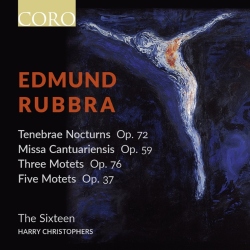
Tenebrae, Op. 72
Released Album
Recent Album
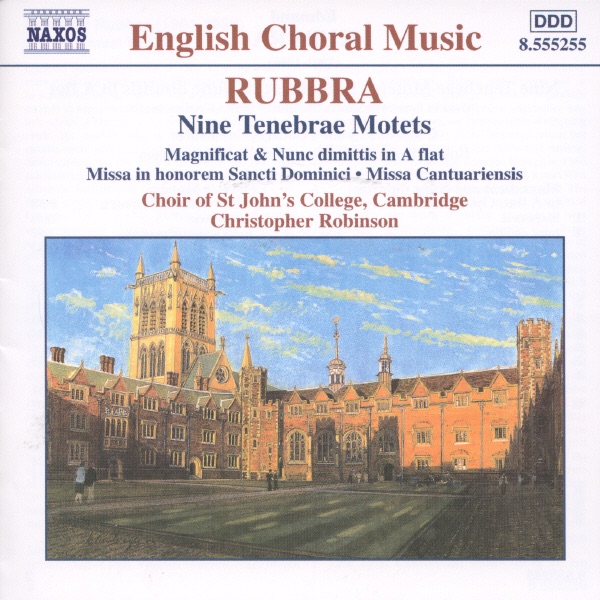
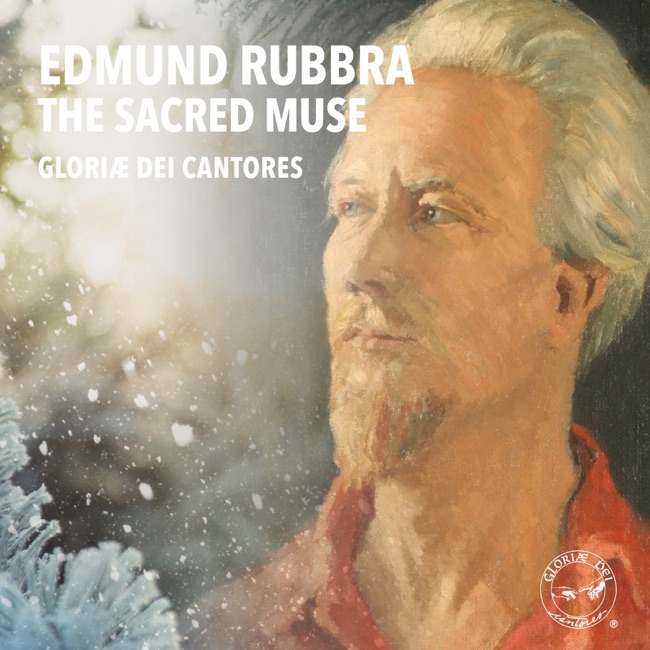
Featured Album
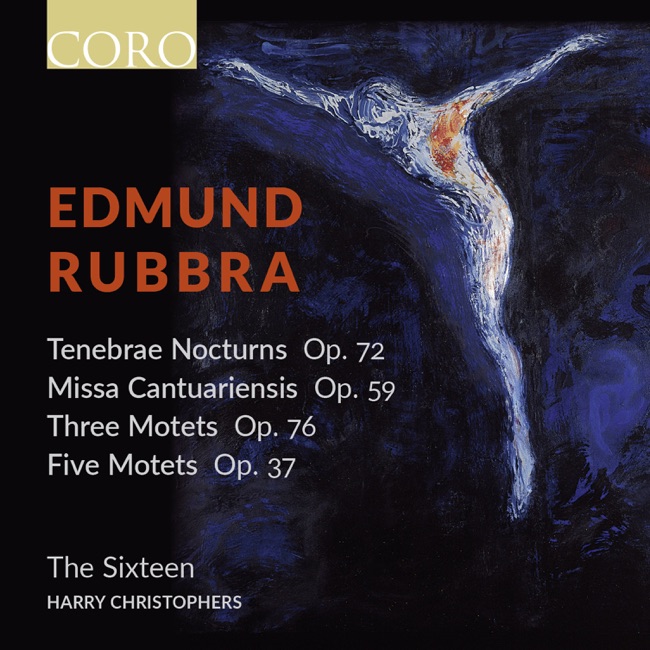
Works Info
Composer:Edmund RubbraGenre:ChoralStyle:ChoralAverage_duration:24:34Movement_count:9Movement ....Tenebrae, Op. 72 is a choral work composed by Edmund Rubbra in 1965. The piece was premiered on March 23, 1966, at St. John's Smith Square in London, conducted by John Churchill. The work is divided into three movements, each of which is based on a text from the Tenebrae service, a Christian liturgy that takes place during Holy Week. The first movement, "In monte Oliveti," is a setting of the text that describes Jesus praying in the Garden of Gethsemane before his arrest. The music is characterized by a sense of tension and unease, with dissonant harmonies and angular melodies that reflect the emotional turmoil of the text. The choir sings in a homophonic texture, with occasional moments of polyphony that add to the sense of complexity and intensity. The second movement, "Tristis est anima mea," is a setting of the text that describes Jesus' sorrow and anguish as he faces his impending death. The music is slower and more contemplative than the first movement, with a mournful melody that is passed between the different sections of the choir. The harmonies are more consonant, but still contain moments of tension and dissonance that reflect the emotional weight of the text. The final movement, "Ecce quomodo moritur justus," is a setting of the text that describes the death of the righteous. The music is more triumphant and celebratory than the previous movements, with a bright and joyful melody that reflects the idea of the righteous being rewarded in the afterlife. The choir sings in a more complex polyphonic texture, with overlapping lines that create a sense of richness and depth. Overall, Tenebrae, Op. 72 is a powerful and emotionally charged work that reflects Rubbra's deep understanding of the Christian liturgy and his ability to translate that understanding into music. The piece is characterized by its complex harmonies, intricate polyphony, and intense emotional expression, making it a challenging but rewarding work for both performers and listeners.More....
Works Music
Released Music

Featured Music

Main Perform Artists
Soprano (Vocal)
Alto (Vocals)
Soprano (Vocal)
Soprano (Vocal)
Alto (Vocals)
Soprano (Vocal)
Alto (Vocals)
Tenor (Vocal)
Bass (Vocal)
Soprano (Vocal)
Tenor (Vocal)
Bass (Vocal)
Bass (Vocal)