Edmund Rubbra
Sonnets (2) by William Alabaster, Op. 87
Released Album
Recent Album
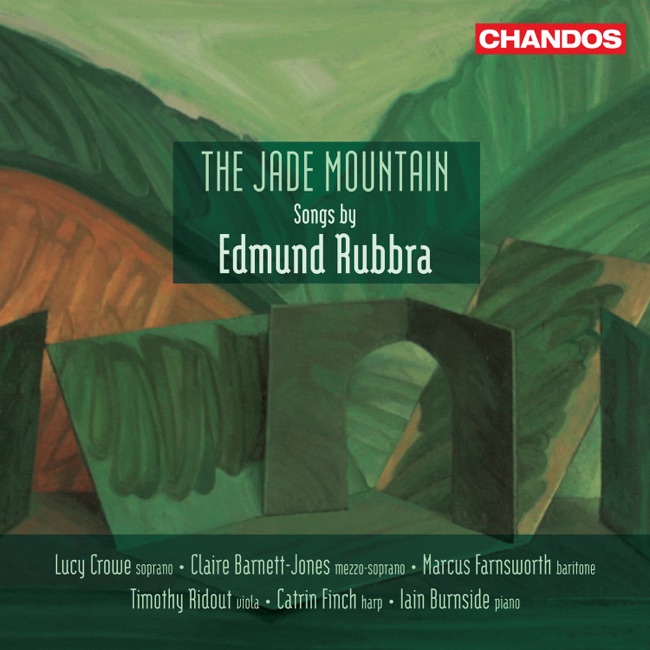
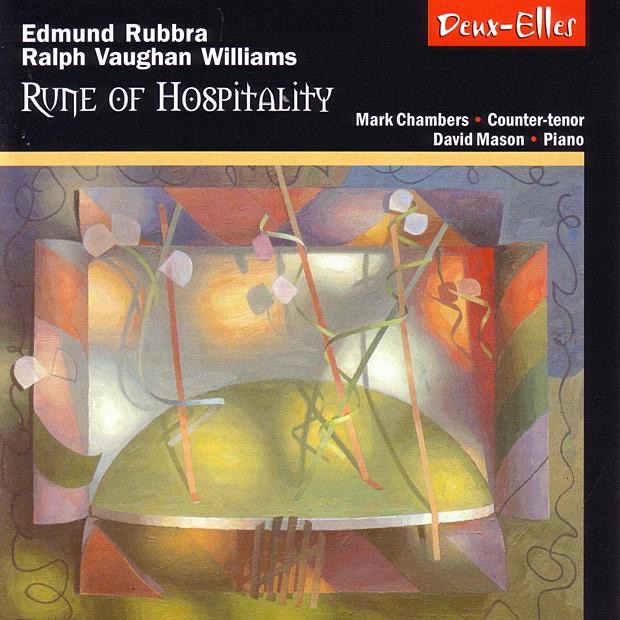
Featured Album
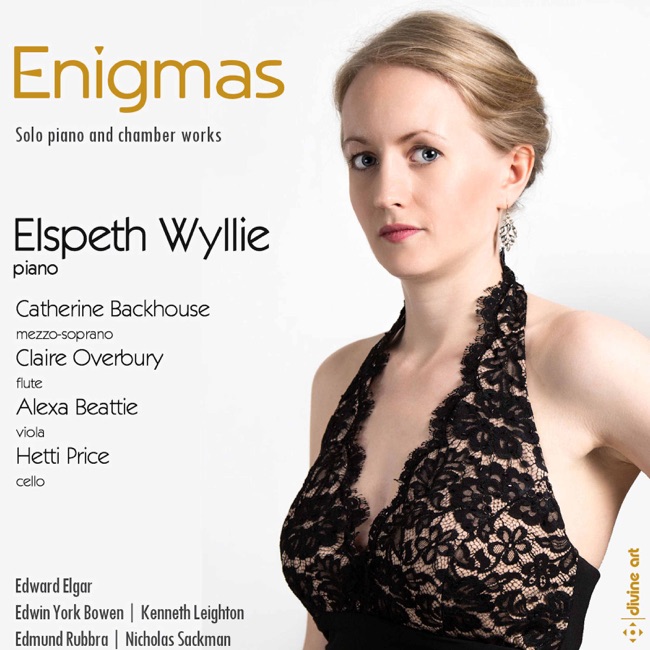
Works Info
Composer:Edmund RubbraGenre:VocalStyle:Vocal MusicCompose Date:1955Average_duration:8:13Movement_count:2Movement ....Edmund Rubbra's 'Sonnets (2) by William Alabaster, Op. 87' is a choral work that was composed in 1959. The piece was premiered on 22nd October 1959 at the Royal Festival Hall in London, England. The work is divided into two movements, each of which sets a sonnet by the Elizabethan poet William Alabaster. The first movement, 'Evening Hymn', is a setting of Alabaster's sonnet of the same name. The piece begins with a gentle, flowing melody in the sopranos, which is then taken up by the altos and tenors. The choir then sings the first verse of the sonnet in unison, with the melody passing between the different voice parts. The second verse is sung in a similar manner, but with more complex harmonies and counterpoint. The movement ends with a quiet, peaceful coda. The second movement, 'Love's Farewell', is a setting of Alabaster's sonnet of the same name. The piece begins with a mournful melody in the altos, which is then taken up by the sopranos and tenors. The choir then sings the first verse of the sonnet in unison, with the melody passing between the different voice parts. The second verse is sung in a similar manner, but with more complex harmonies and counterpoint. The movement ends with a quiet, resigned coda. Rubbra's setting of Alabaster's sonnets is characterized by its lyrical melodies, rich harmonies, and sensitive treatment of the text. The composer's use of counterpoint and polyphony adds depth and complexity to the music, while his use of dynamics and phrasing creates a sense of drama and emotion. Overall, 'Sonnets (2) by William Alabaster, Op. 87' is a beautiful and moving choral work that showcases Rubbra's skill as a composer.More....
Works Music
Released Music
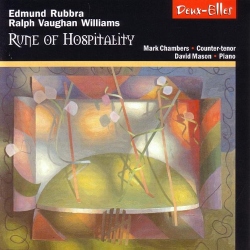
Featured Music