


Hubert Parry
Released Album
Choral
-
 September 4, 2024
 -
 April 5, 2024
 -
-
-
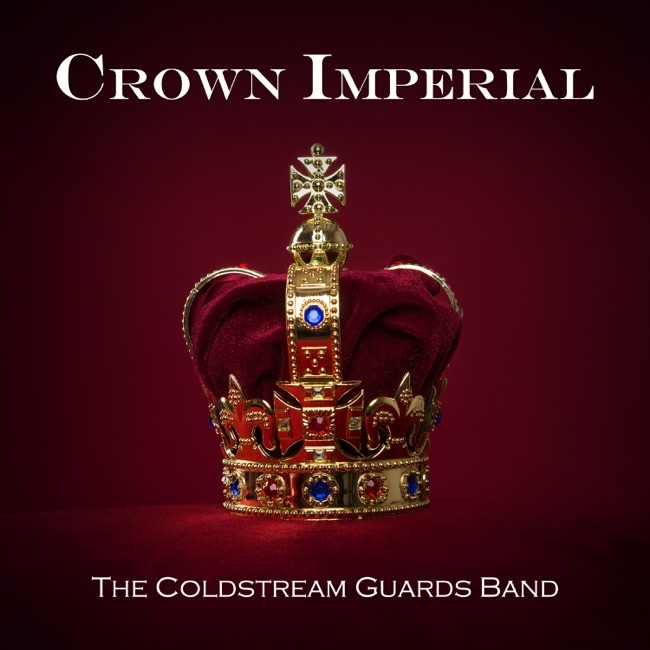 May 4, 2023
 -
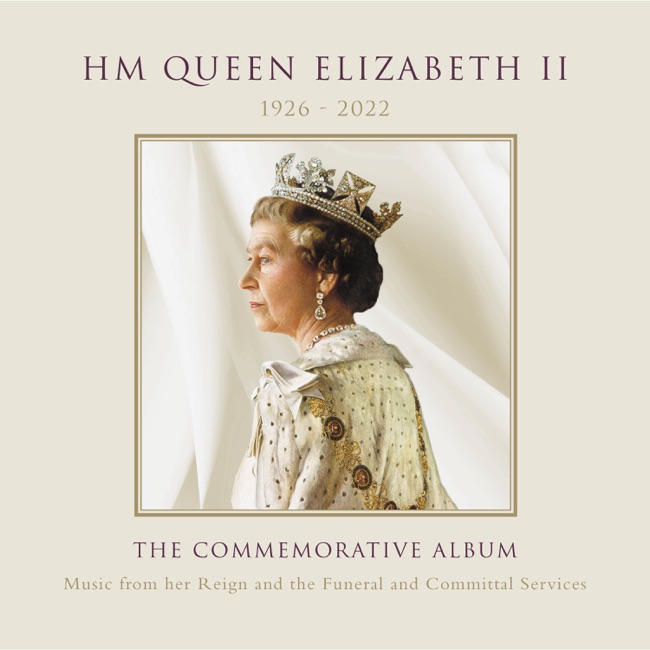
Vocal
-
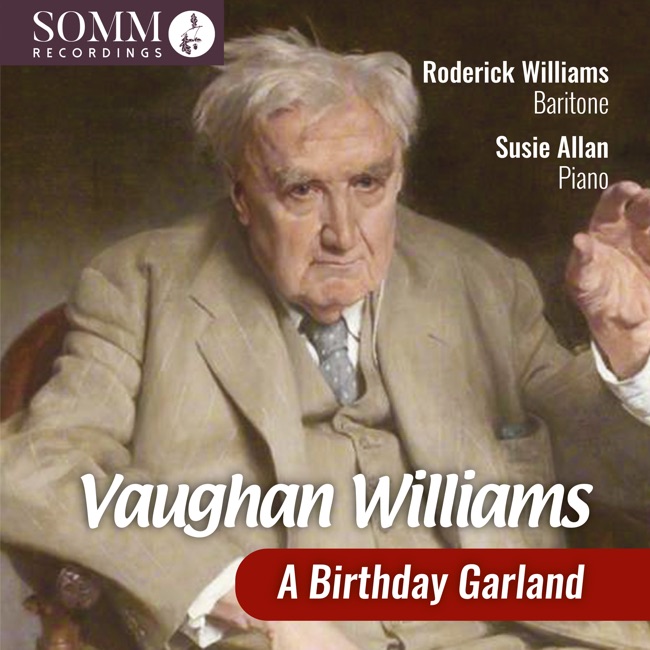 March 29, 2024
 -
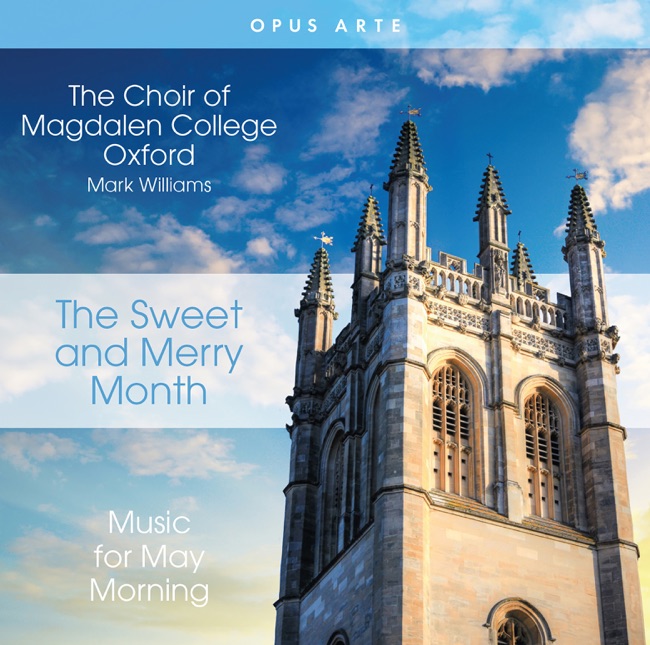 April 22, 2022
 -
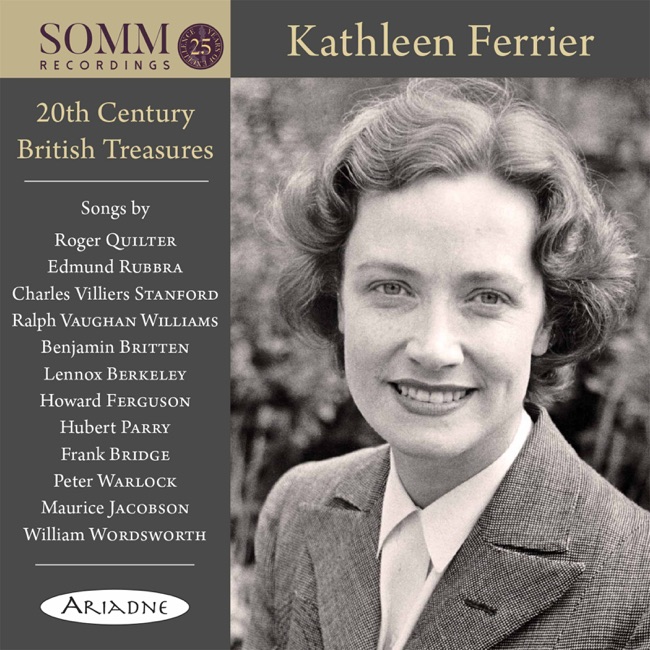 January 1, 2021
 -
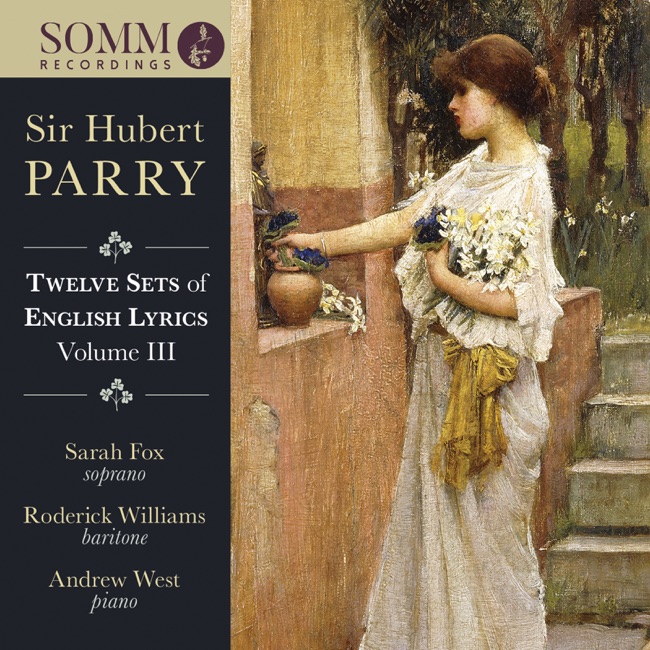 November 16, 2018
 -
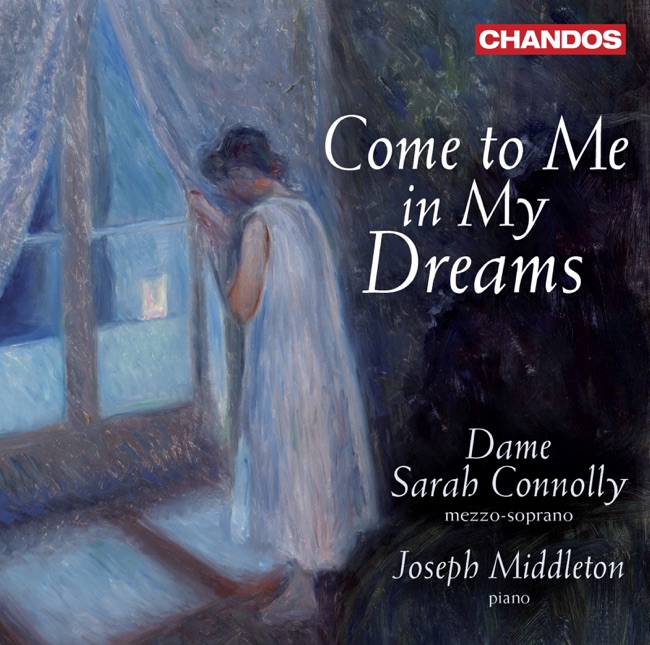 July 6, 2018
 -
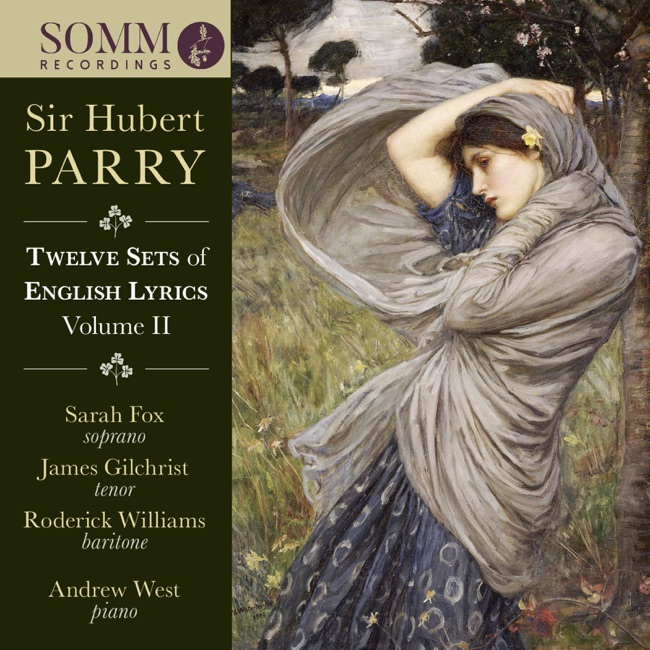 March 30, 2018
Orchestral
-
-
 June 6, 2020
 -
 January 25, 2020
 -
 July 5, 2019
 -
 May 27, 2016
 -
Keyboard
-
 July 31, 2022
 -
 September 27, 2021
 -
 November 6, 2020
 -
 May 1, 2020
 -
 July 5, 2019
 -
 March 1, 2019
Artist Info
Role:ComposerCountry: United KingdomBirth:February 27, 1848 in Bournemouth, Dorset, EnglandDeath:October 7, 1918 in Knight's Croft, Rustington, EnglandPeriod:RomanticContemporaryGenre:ChoralKeyboardOrchestralHubert Parry was a British composer, teacher, and musicologist who was born on February 27, 1848, in Bournemouth, England. He was the youngest of six children born to Thomas Gambier Parry, a wealthy landowner and amateur musician, and his wife, Isabella née Fynes-Clinton. Parry's family was musically inclined, and he grew up in a household where music was an integral part of daily life. His father was a skilled amateur musician who played the organ, and his mother was a talented singer. Parry showed an early aptitude for music and began taking piano lessons at the age of six. He also learned to play the violin and the organ and showed a particular interest in choral music. He attended Eton College, where he was a chorister in the college chapel choir and received a thorough grounding in music theory and composition. After leaving Eton, Parry studied music at Oxford University, where he was a student of the renowned musicologist Sir George Grove. In 1877, Parry was appointed professor of music at the Royal College of Music in London, a position he held until his death. He was a highly respected teacher and mentor to many of the leading British composers of the early 20th century, including Ralph Vaughan Williams, Gustav Holst, and Herbert Howells. Parry was also a prolific composer, and his works encompassed a wide range of genres, including orchestral music, chamber music, choral music, and opera. One of Parry's most famous works is his setting of William Blake's poem "Jerusalem," which has become an unofficial national anthem of England. The piece was first performed in 1916 and quickly became popular, particularly during the First World War, when it was seen as a symbol of English patriotism and resilience. Parry's other choral works include the oratorio "Judith," the cantata "Blest Pair of Sirens," and the anthem "I Was Glad." Parry was also a skilled composer of orchestral music, and his works in this genre include the "Symphony No. 1 in G major," the "Symphony No. 2 in F major," and the "Symphonic Variations." His chamber music includes the "String Quartet No. 3 in G major" and the "Sonata for Violin and Piano in D major." Parry's opera "Guenever" was premiered in 1897 and was well received by audiences and critics alike. In addition to his work as a composer and teacher, Parry was also a respected musicologist and wrote several books on music history and theory. His most famous work in this field is "The Evolution of the Art of Music," which was published in 1896 and remains a classic of music scholarship. Parry was knighted in 1898 for his services to music, and he received many other honors and awards during his lifetime. He died on October 7, 1918, at his home in Rustington, Sussex, England, at the age of 70. His legacy as a composer, teacher, and musicologist continues to be celebrated today, and his works remain an important part of the British classical music canon.More....
Recent Artist Music
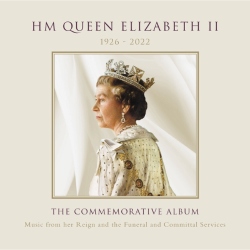
10
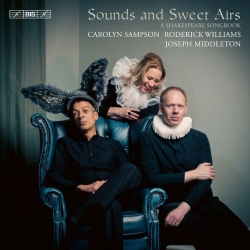
Farewell thou art too dear for my possession
Farewell, thou art too dear for my possessing (Sonnet 87)
3:35


Works Highlight









Related Artists
Copyright Ⓒ 2013 Davinci Finger. All rights reseved
Service Terms & Policy