


Charles Villiers Stanford
Released Album
Choral
-
 August 2, 2024
 -
 April 5, 2024
 -
-
-
 April 15, 2022
 -
 November 19, 2021
Vocal
-
 July 26, 2024
 -
 March 29, 2024
 -
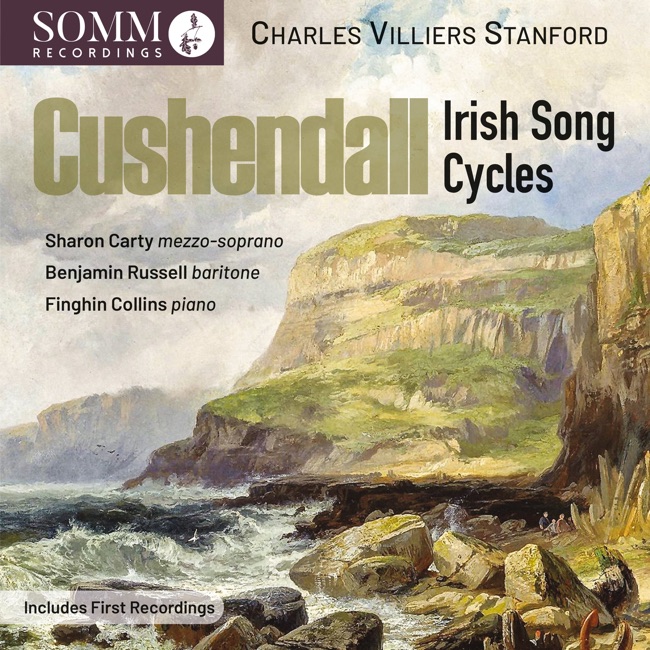 February 16, 2024
 -
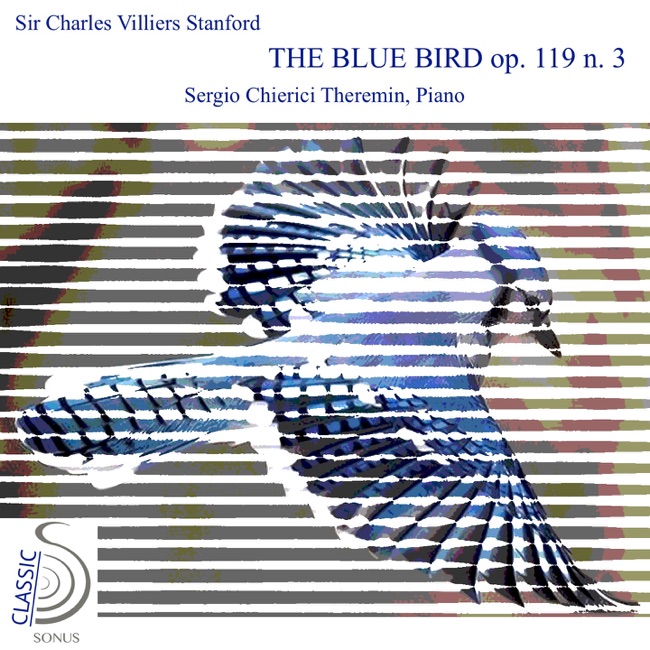 July 1, 2022
 -
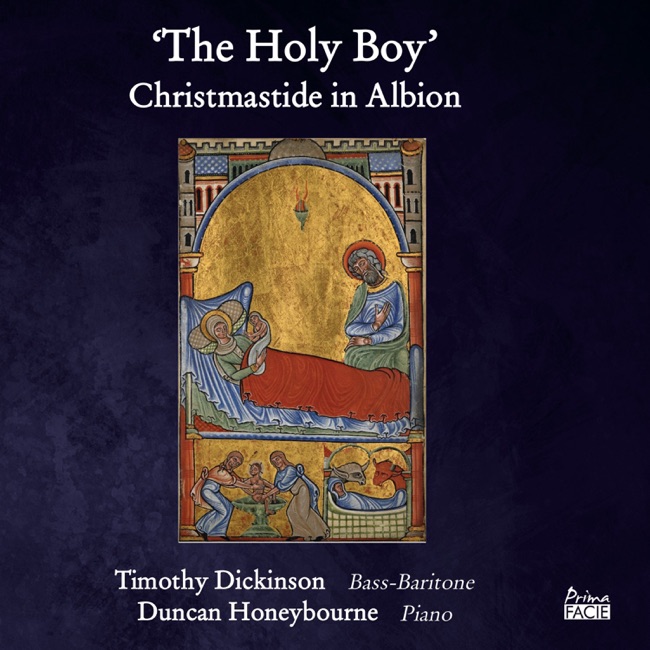 November 26, 2021
 -
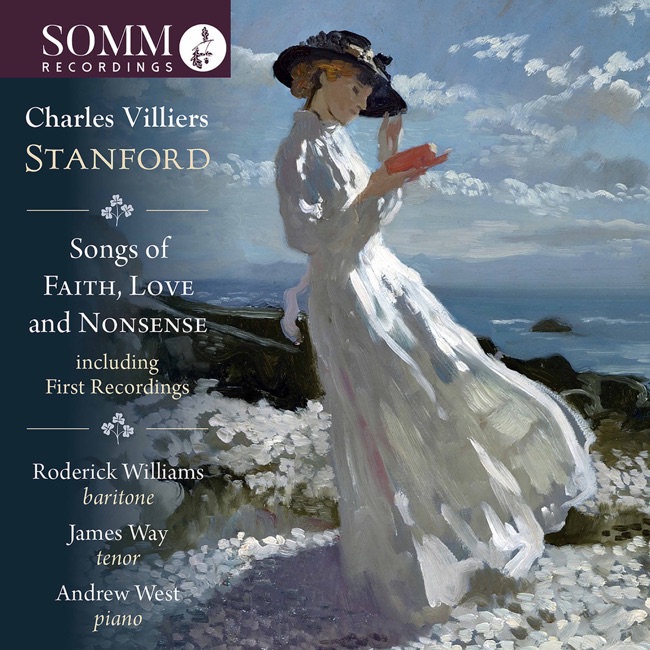 January 22, 2021
Keyboard
-
 September 17, 2024
 -
 January 13, 2024
 -
 March 11, 2022
 -
 May 1, 2020
 -
 November 15, 2019
 -
 January 20, 2019
Orchestral
-
-
 January 6, 2014
 -
 January 12, 2010
 -
 October 1, 2007
Artist Info
Role:Composer Conductor PerformerCountry: IrelandBirth:September 30, 1852 in Dublin, IrelandDeath:March 29, 1924 in London, EnglandPeriod:RomanticContemporaryGenre:ChoralVocalCharles Villiers Stanford was a prominent Irish composer, conductor, and teacher of classical music. He was born on September 30, 1852, in Dublin, Ireland, to a well-to-do family. His father was a lawyer, and his mother was a talented pianist who gave him his first music lessons. Stanford showed an early aptitude for music and began composing at a young age. Stanford received his early education at the Dublin Grammar School and later attended Trinity College, Dublin, where he studied classics and music. He was a gifted student and won several prizes for his academic and musical achievements. In 1874, he traveled to Leipzig, Germany, to study music at the Leipzig Conservatory. There, he studied composition with Carl Reinecke and Ignaz Moscheles and piano with Louis Plaidy. After completing his studies in Leipzig, Stanford returned to Dublin and began his career as a composer and conductor. He quickly established himself as one of the leading figures in the Irish music scene and became the conductor of the Dublin Philharmonic Society in 1886. He also founded the Dublin Orchestral Society and the Dublin Oratorio Society, which performed many of his own works. Stanford's music was heavily influenced by the German Romantic tradition, particularly the music of Brahms and Schumann. His early works, such as his Symphony No. 1 in B-flat major and his Piano Concerto No. 1 in G major, show a strong command of orchestration and a gift for melody. He also wrote several operas, including The Veiled Prophet of Khorassan and Shamus O'Brien, which were well-received in Ireland and England. In 1887, Stanford was appointed professor of composition at the Royal College of Music in London, a position he held for over 40 years. He was a highly respected teacher and mentor to many of the leading British composers of the early 20th century, including Ralph Vaughan Williams, Gustav Holst, and Herbert Howells. He also continued to compose prolifically during this time, writing works in a variety of genres, including symphonies, concertos, chamber music, and choral works. One of Stanford's most famous works is his Irish Rhapsody No. 1, which he composed in 1901. The piece is based on traditional Irish folk tunes and is a tribute to his Irish heritage. It was an instant success and remains one of his most popular works to this day. He also wrote several other works with Irish themes, including his Symphony No. 3 in F minor, which is subtitled "The Irish." In addition to his work as a composer and teacher, Stanford was also a prolific writer and musicologist. He wrote several books on music theory and history, including a biography of Brahms and a history of the English church music tradition. He was also a strong advocate for the revival of English church music and wrote many works for the Anglican church, including several settings of the Magnificat and Nunc Dimittis. Stanford's later works show a more modernist influence, particularly in his use of dissonance and unconventional harmonies. His Symphony No. 7 in D minor, which he composed in 1911, is a particularly striking example of this style. The work is highly chromatic and features complex rhythms and textures. Despite his many achievements, Stanford's reputation as a composer declined in the years following his death in 1924. His music was seen as old-fashioned and out of step with the modernist trends of the early 20th century.More....
Recent Artist Music
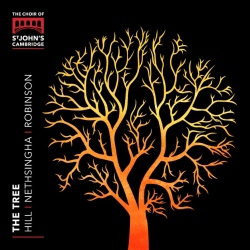
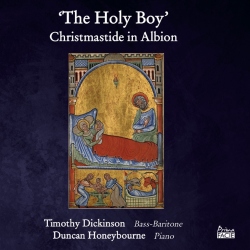
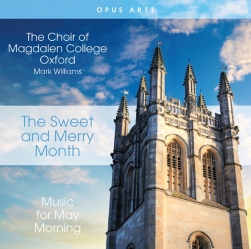
6
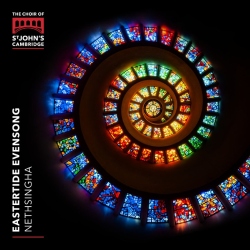
4:10
7
5:33
8
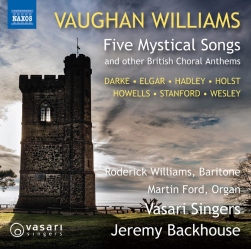
A Song of Wisdom, Op.113/11
A Song of Wisdom (Bible Songs, Op. 113/6) (version for sopranos and organ)
5:29
Works Highlight










Related Artists
Copyright Ⓒ 2013 Davinci Finger. All rights reseved
Service Terms & Policy