Charles Villiers Stanford
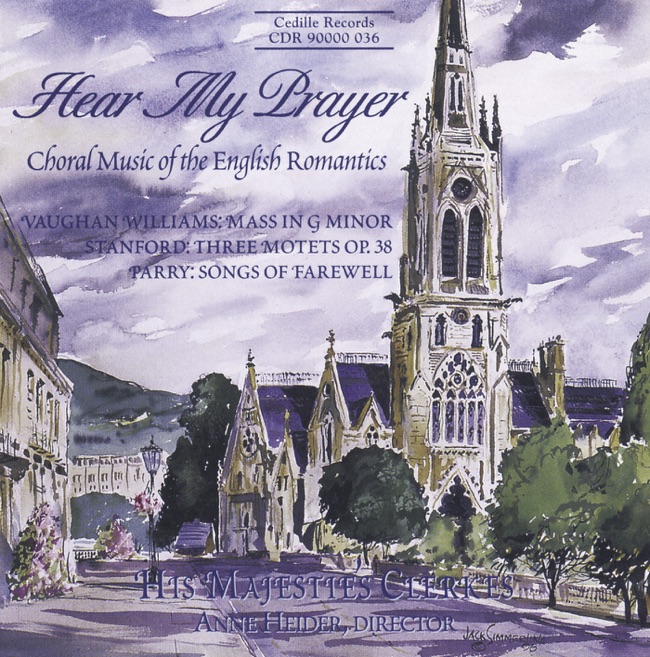
Motets (3), Op. 38
Released Album
Recent Album


Featured Album
Works Info
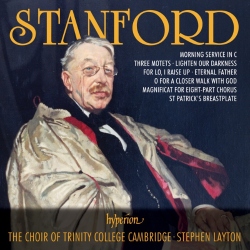
Composer:Charles Villiers StanfordGenre:ChoralStyle:MotetCompose Date:1905Average_duration:9:02Movement_count:3Movement ....Motets (3), Op. 38 is a choral work composed by Charles Villiers Stanford, an Irish composer, conductor, and teacher. The work was composed in 1893 and premiered on May 4, 1893, at St. Paul's Cathedral in London, England. The three movements of the motets are "Justorum animae," "Coelos ascendit hodie," and "Beati quorum via." The first movement, "Justorum animae," is a setting of a Latin text from the Book of Wisdom. The motet is in a minor key and begins with a unison chant-like melody that is then developed into a four-part harmony. The piece is characterized by its use of chromaticism and dissonance, which creates a sense of tension and release throughout the movement. The text speaks of the souls of the righteous being in the hands of God, and Stanford's music reflects this sentiment with its somber and contemplative tone. The second movement, "Coelos ascendit hodie," is a setting of a Latin text for the Feast of the Ascension. The motet is in a major key and begins with a joyful and celebratory fanfare-like melody. The piece is characterized by its use of antiphonal singing, with the choir divided into two groups that sing back and forth to each other. The text speaks of Christ ascending into heaven, and Stanford's music reflects this sentiment with its triumphant and uplifting tone. The third movement, "Beati quorum via," is a setting of a Latin text from Psalm 119. The motet is in a major key and begins with a gentle and flowing melody. The piece is characterized by its use of imitative polyphony, with the different parts of the choir echoing and imitating each other's melodies. The text speaks of the blessedness of those who walk in the way of the Lord, and Stanford's music reflects this sentiment with its peaceful and serene tone. Overall, Motets (3), Op. 38 is a masterful choral work that showcases Stanford's skill as a composer. The three movements are each unique in their character and style, but they are united by their use of rich harmonies, intricate counterpoint, and expressive melodies. The work is a testament to Stanford's ability to create music that is both technically complex and emotionally powerful.More....
Works Music
Released Music

3
2:54
Featured Music