


Edward Elgar
Released Album
Orchestral
-
 October 4, 2024
 -
 September 20, 2024
 -
 June 28, 2024
 -
-
 February 23, 2024
 -
 February 9, 2024
Chamber
-
 October 9, 2024
 -
 September 13, 2024
 -
 August 25, 2024
 -

-

-
 April 16, 2024
Concerto
-
 January 25, 2023
Choral
-
 June 7, 2024
 -
-
-
 May 4, 2023
 -
 April 7, 2023
 -
 March 24, 2023
Artist Info
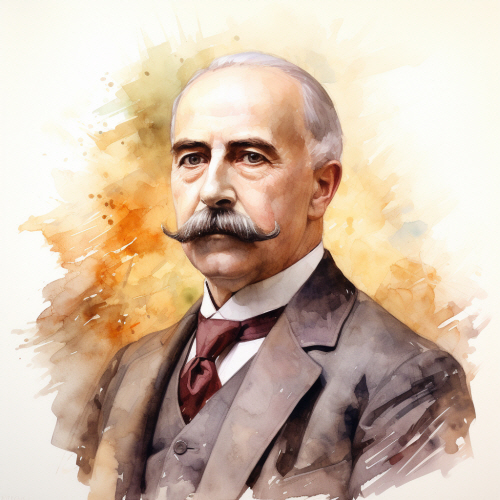
Role:Composer ConductorCountry: United KingdomBirth:June 2, 1857 in Broadheath, near Worcester, EnglandDeath:February 23, 1934 in Worcester, EnglandPeriod:RomanticContemporaryGenre:ChamberChoralOrchestralEdward Elgar was born on June 2, 1857, in Broadheath, a small village near Worcester, England. He was the fourth of seven children born to William Elgar, a piano tuner and music dealer, and his wife Ann. Elgar's father was a keen amateur musician who encouraged his children to learn music from an early age. Elgar's mother was also musically talented and played the piano and violin. Elgar's musical education began at home, where he learned to play the piano and violin. He also received some formal training from local teachers, but he was largely self-taught. As a teenager, Elgar played in local orchestras and bands, and he also began to compose his own music. In 1878, Elgar moved to London to pursue a career as a professional musician. He worked as a freelance violinist and played in various orchestras and ensembles. He also continued to compose, and his early works included chamber music, songs, and choral pieces. Elgar's breakthrough came in 1899, when he composed his Enigma Variations. The piece consists of a theme and fourteen variations, each of which is dedicated to a different friend or family member of Elgar's. The Enigma Variations were an immediate success and established Elgar as one of the leading composers of his time. Over the next decade, Elgar composed some of his most famous works, including the Pomp and Circumstance Marches, the Violin Concerto, and the oratorio The Dream of Gerontius. The Pomp and Circumstance Marches, in particular, became synonymous with British patriotism and were often played at public events and ceremonies. Elgar's music was characterized by its emotional intensity, lush harmonies, and sweeping melodies. He was influenced by a wide range of musical styles, including German Romanticism, English folk music, and the works of Wagner and Brahms. Despite his success, Elgar was not immune to criticism. Some critics accused him of being too sentimental and lacking in originality. Others criticized his use of nationalistic themes in his music, arguing that it was outdated and jingoistic. Elgar's later years were marked by personal tragedy and declining health. His wife Alice died in 1920, and Elgar himself suffered from a heart condition. He continued to compose, however, and his later works included the Cello Concerto and the Symphony No. 2. Edward Elgar died on February 23, 1934, at the age of 76. He was buried in St. Wulstan's Churchyard in Little Malvern, Worcestershire. Today, he is remembered as one of the greatest British composers of all time, and his music continues to be performed and celebrated around the world.More....
Recent Artist Music

5
2:16
6
13:22





Works Highlight
Recommend Playlist


















Related Artists
Copyright Ⓒ 2013 Davinci Finger. All rights reseved
Service Terms & Policy