


Alexander Gibson
Released Album
Orchestral
-
 August 2, 2019
 -
 February 1, 2019
 -
 September 21, 2018
 -
 January 26, 2018
 -
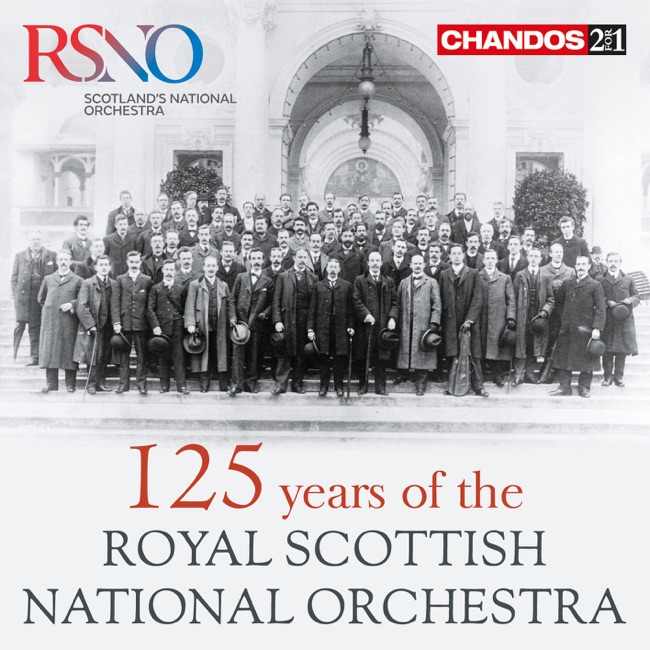 June 24, 2016
 -
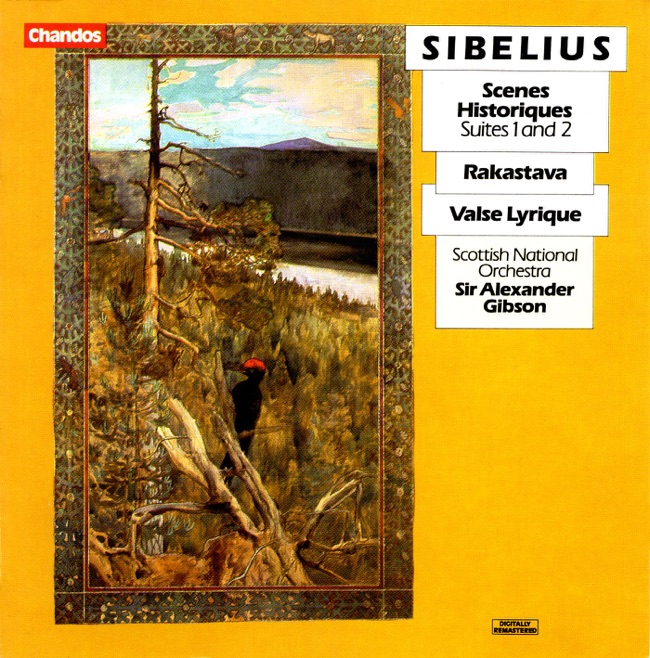 September 1, 2013
Opera
-
 June 3, 2016
 -
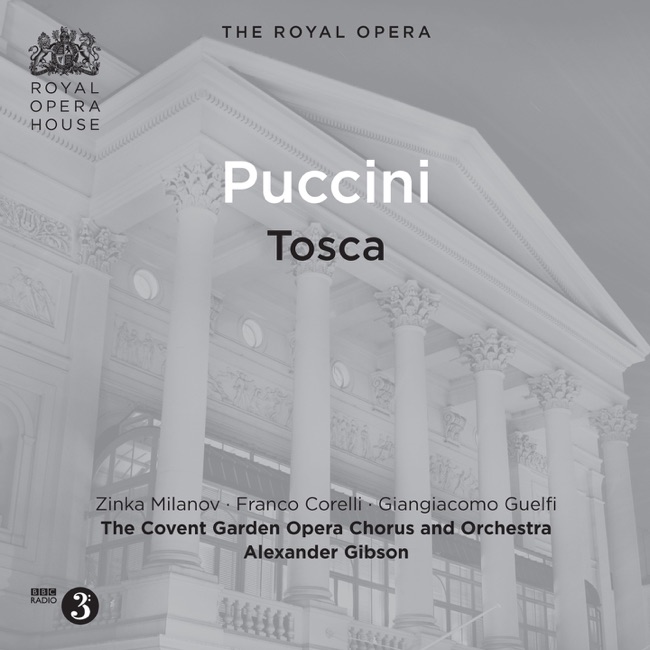 October 28, 2014
 -
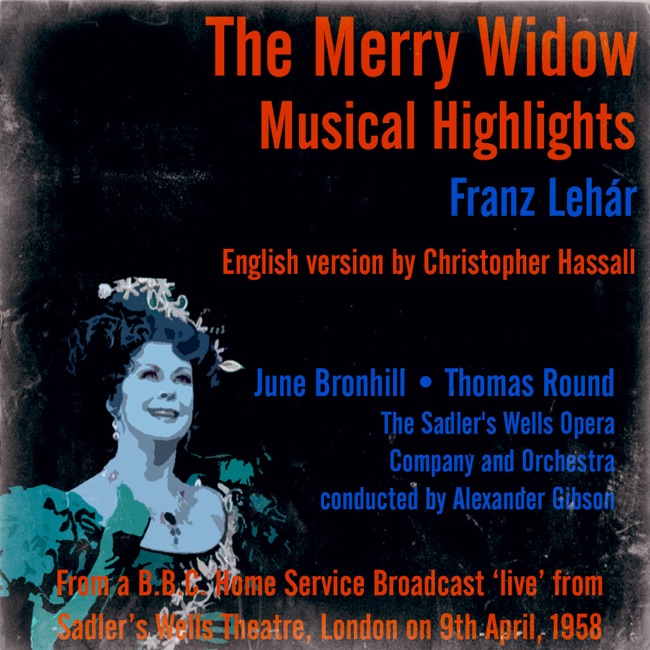
-
 January 1, 2014
 -
 January 1, 2014
 -
 October 1, 2012
Symphony
-
 November 1, 2012
 -
 July 22, 2008
 -
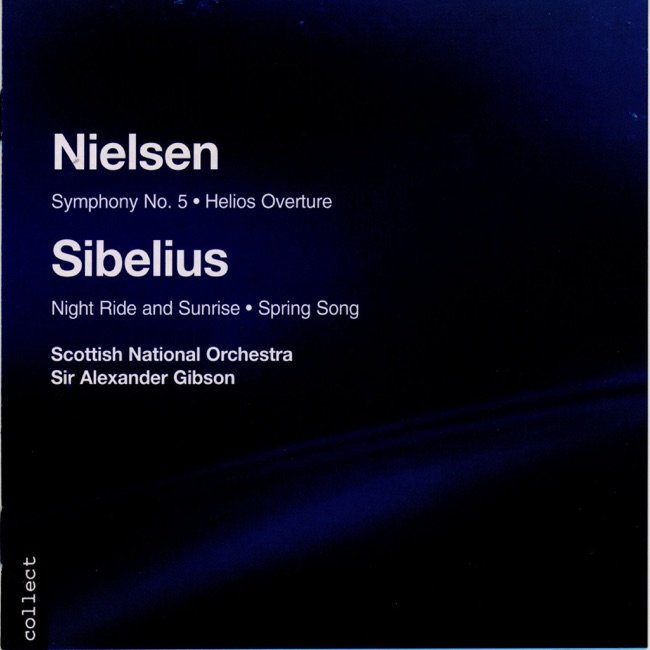
-
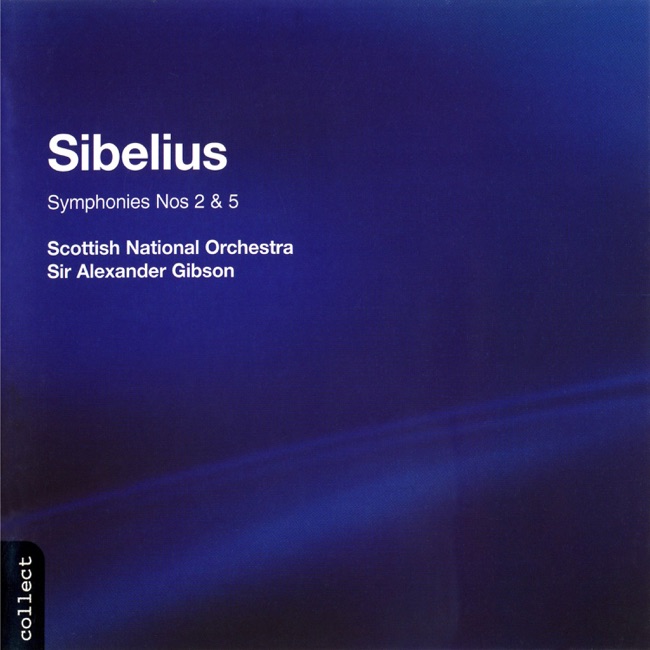 June 1, 2004
 -
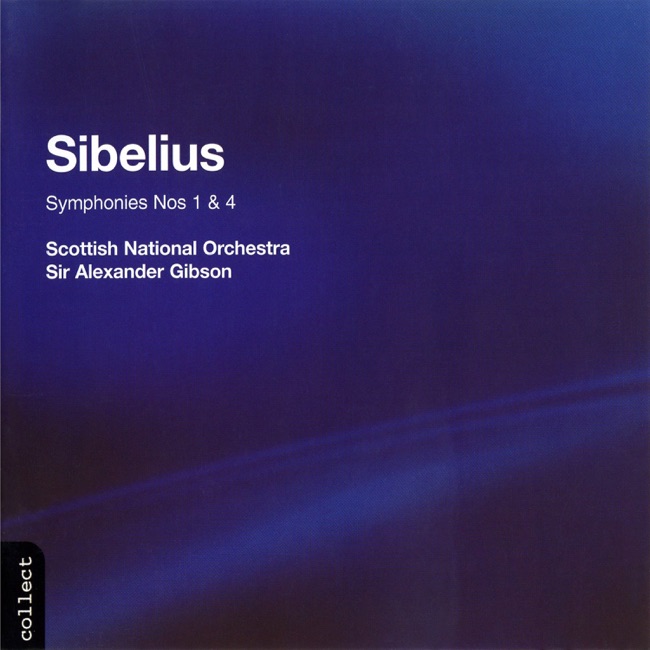 June 1, 2004
 -
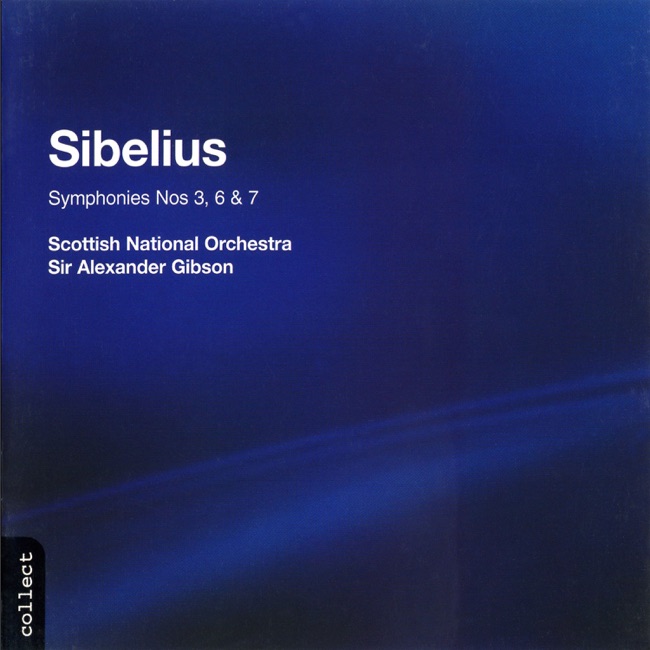 June 1, 2004
Concerto
-
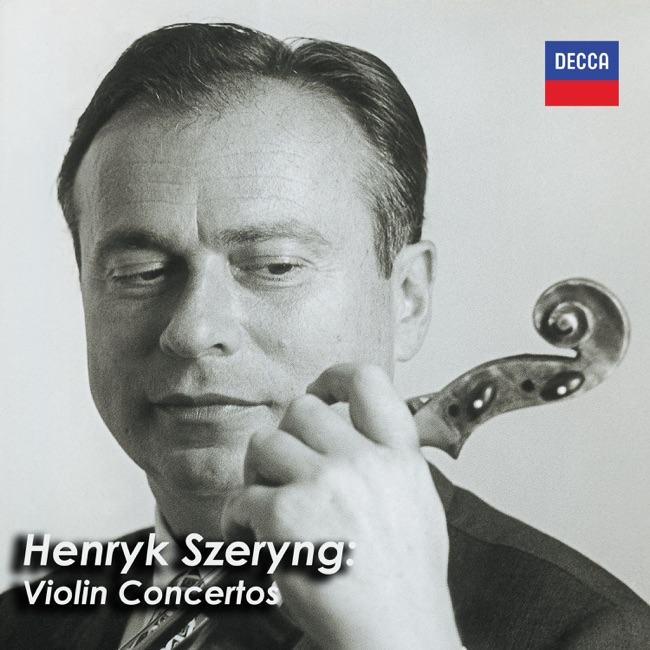 July 8, 2023
 -
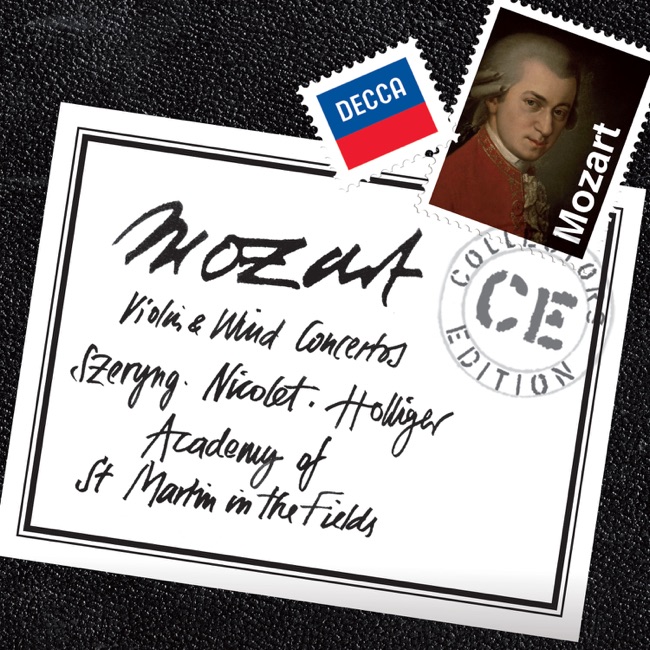 October 22, 2012
 -
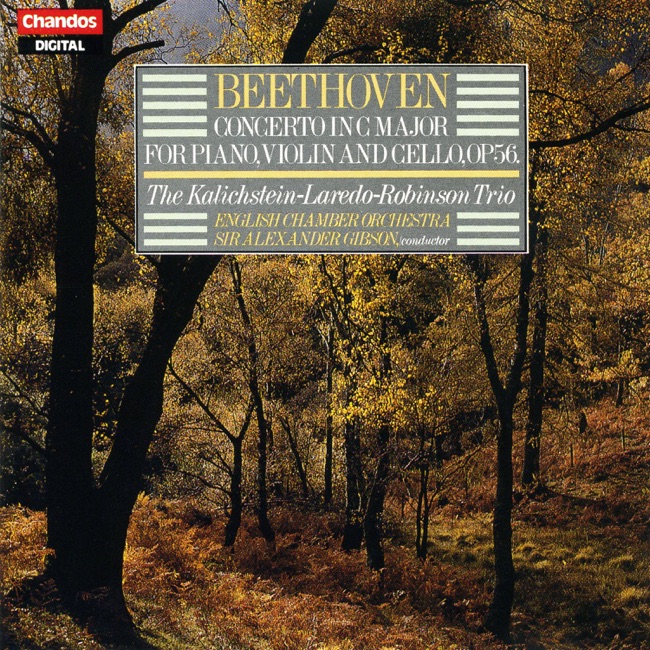 July 1, 2003
 -
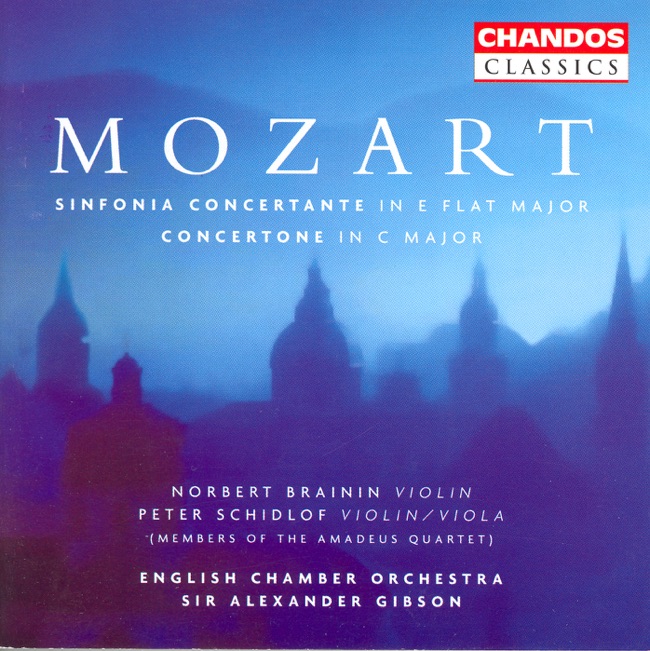 May 20, 2003
Artist Info
Role:ConductorCountry: United KingdomBirth:February 11, 1926 in MotherwellDeath:January 14, 1995Genre:OperaOrchestralAlexander Gibson was a renowned Scottish conductor and musician who made a significant contribution to the world of classical music. He was born on February 11, 1926, in Motherwell, Scotland, to a family of musicians. His father was a violinist, and his mother was a pianist. Gibson showed an early interest in music and began playing the piano at the age of four. Gibson's musical education began at the Royal Scottish Academy of Music and Drama, where he studied piano, violin, and composition. However, it was his interest in conducting that led him to pursue a career in music. He went on to study conducting at the Royal Academy of Music in London, where he was mentored by Sir Adrian Boult. Gibson's career as a conductor began in 1952 when he was appointed as the conductor of the Scottish National Orchestra. He quickly gained a reputation for his musical talent and was soon invited to conduct other orchestras in the UK and Europe. In 1957, he was appointed as the principal conductor of the Sadler's Wells Opera, where he remained until 1960. One of the highlights of Gibson's career was his appointment as the principal conductor of the Royal Scottish National Orchestra in 1959. He held this position for 21 years and is credited with transforming the orchestra into one of the finest in the world. Under his leadership, the orchestra performed at major venues across the globe, including the Royal Albert Hall in London, the Carnegie Hall in New York, and the Sydney Opera House in Australia. Gibson's talent as a conductor was recognized with numerous awards and honors throughout his career. In 1965, he was awarded the OBE (Order of the British Empire) for his services to music. He was also awarded the CBE (Commander of the British Empire) in 1974 and was knighted in 1979. In 1984, he was awarded the Royal Philharmonic Society Gold Medal, one of the highest honors in the world of classical music. Gibson's repertoire as a conductor was vast and included works by some of the greatest composers in history, including Beethoven, Mozart, and Brahms. He was particularly known for his interpretations of the works of Scottish composers, such as Sir James MacMillan and Sir Peter Maxwell Davies. One of the most memorable performances of Gibson's career was his conducting of the world premiere of Sir Peter Maxwell Davies' opera, The Martyrdom of St. Magnus, in 1977. The opera was commissioned by the St. Magnus Festival in Orkney, Scotland, and was based on the life of St. Magnus, the patron saint of Orkney. The performance was a huge success and cemented Gibson's reputation as one of the finest conductors of his generation. Gibson's career as a conductor came to an end in 1984 when he suffered a stroke that left him partially paralyzed. However, he continued to contribute to the world of classical music as a teacher and mentor to young musicians. He was appointed as the director of the Royal Scottish Academy of Music and Drama in 1985 and held this position until his retirement in 1991. Alexander Gibson passed away on January 14, 1995, at the age of 68. He left behind a legacy as one of the greatest conductors of his generation and a champion of Scottish music. His contribution to the world of classical music will be remembered for generations to come.More....
Recent Artist Music
3
19:34

9

14:56
10
6:32


14
14:56




Related Artists
Copyright Ⓒ 2013 Davinci Finger. All rights reseved
Service Terms & Policy