


Pyotr Il'yich Tchaikovsky (Pyotr Ilyich Tchaikovsky)
Romeo and Juliet in B minor (3 versions)
Released Album
Recent Album
-
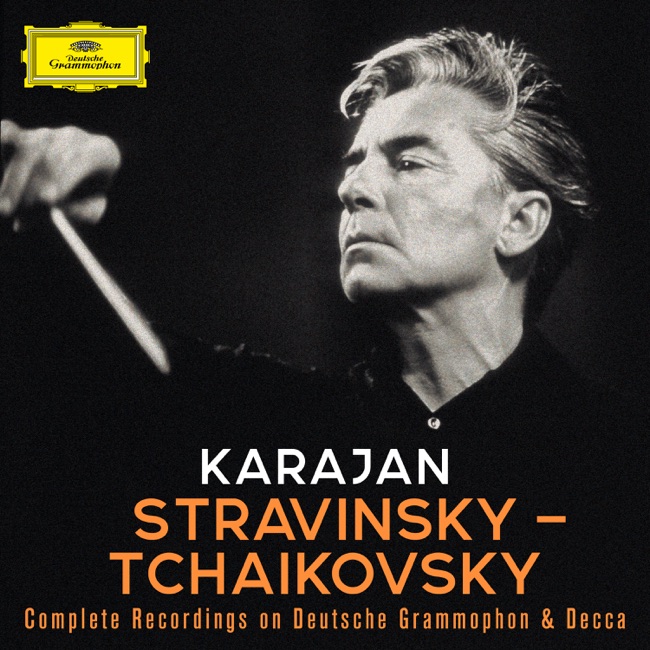
-
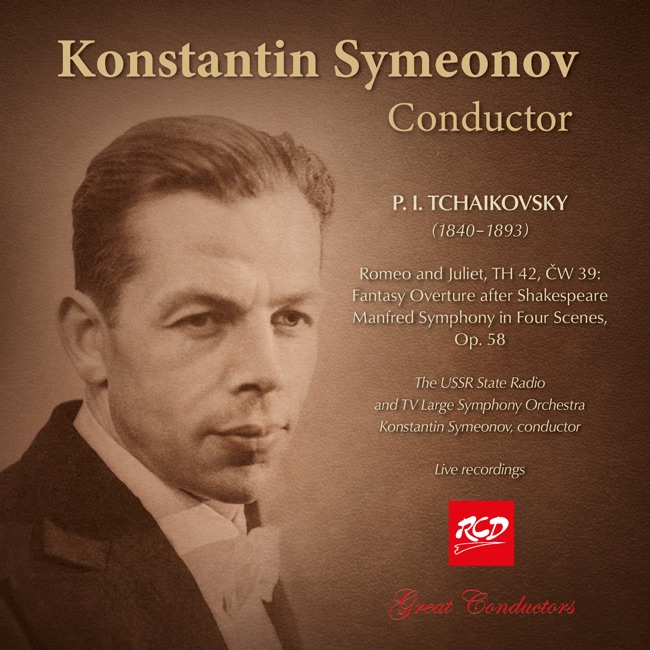 The USSR State Radio and TV Large Symphony OrchestraFebruary 25, 2024
 -
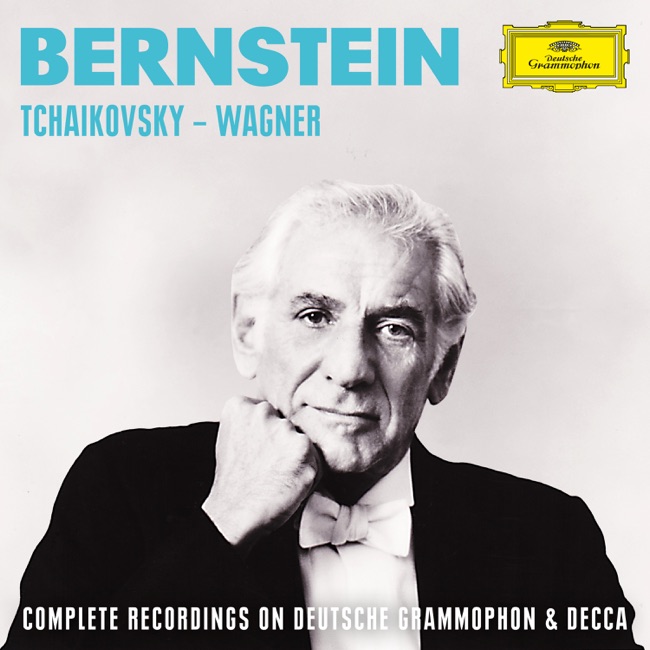
-
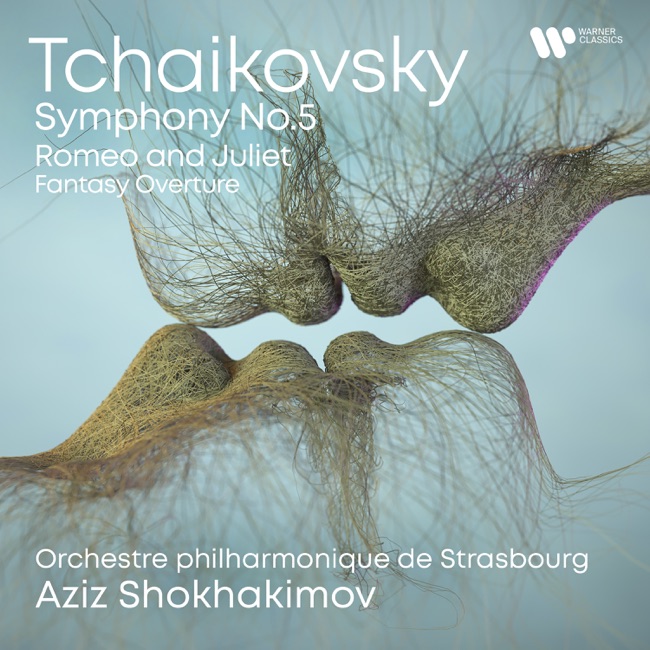
-

-
-
 Danila TomassettiMarch 25, 2022
 -
-
-
-

-

Featured Album

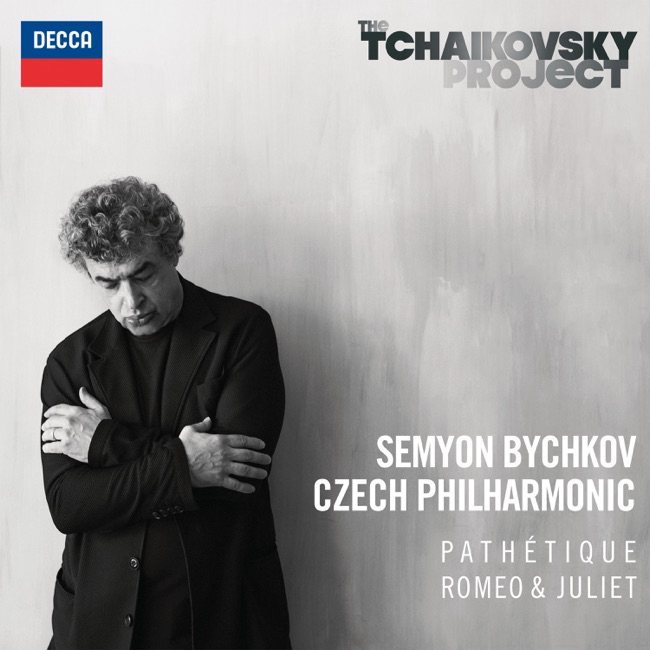
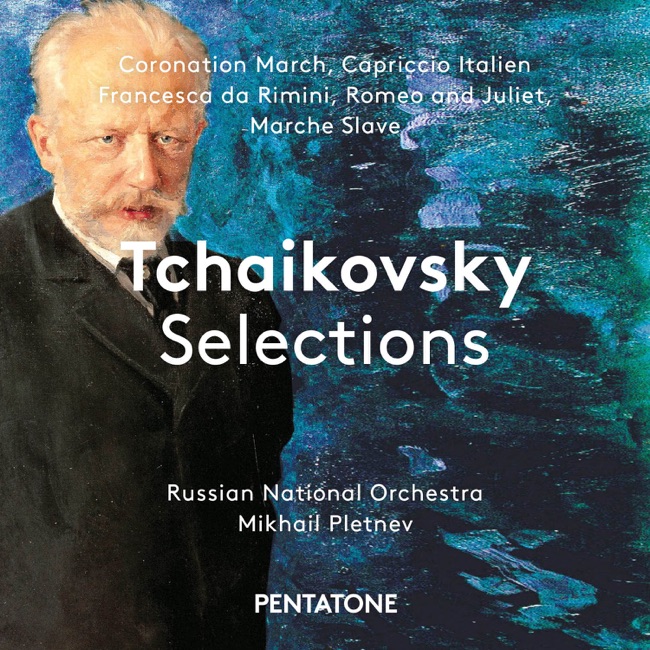
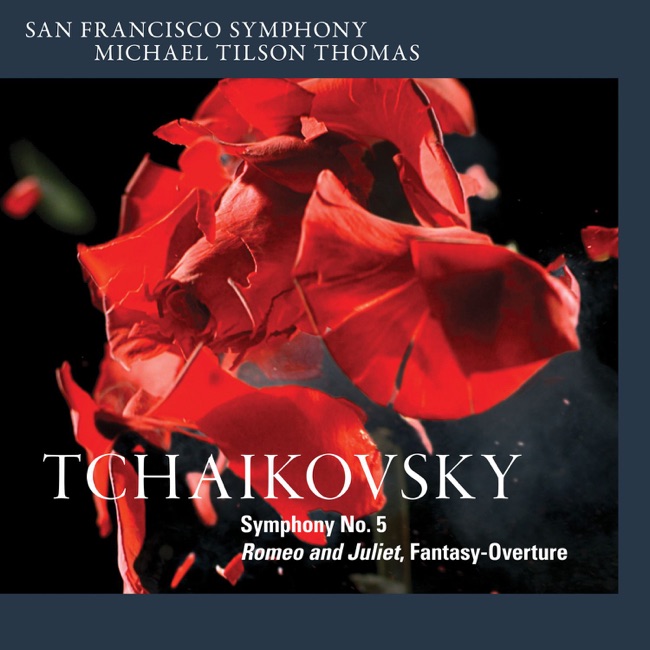
Works Info
Composer:Pyotr Il'yich TchaikovskyGenre:OrchestralStyle:Overture: ConcertCompose Date:1880Average_duration:19:39Pyotr Il'yich Tchaikovsky's "Romeo and Juliet in B minor" is a musical composition that was inspired by William Shakespeare's tragic play, "Romeo and Juliet." Tchaikovsky composed three different versions of the piece, each with its own unique characteristics. The first version of "Romeo and Juliet in B minor" was composed in 1869. It premiered in Moscow on March 16, 1870, and was conducted by Nikolai Rubinstein. This version of the piece is divided into three movements. The first movement, "Introduction," sets the scene with a slow and somber melody that represents the feud between the Capulet and Montague families. The second movement, "Romeo," is a passionate and romantic melody that represents Romeo's love for Juliet. The third movement, "Finale," is a dramatic and tragic melody that represents the death of the two lovers. The second version of "Romeo and Juliet in B minor" was composed in 1870. It premiered in Moscow on February 17, 1872, and was conducted by Nikolai Rubinstein. This version of the piece is also divided into three movements. The first movement, "Introduction," is similar to the first version. The second movement, "The Young Juliet," is a delicate and innocent melody that represents Juliet's youth and purity. The third movement, "Friar Laurence," is a solemn and contemplative melody that represents the wise and compassionate friar who tries to help the young lovers. The third version of "Romeo and Juliet in B minor" was composed in 1880. It premiered in St. Petersburg on March 16, 1880, and was conducted by Eduard Nápravník. This version of the piece is divided into four movements. The first movement, "Introduction," is similar to the previous versions. The second movement, "The Montagues and Capulets," is a powerful and aggressive melody that represents the violent feud between the two families. The third movement, "Juliet as a Young Girl," is similar to the second movement of the second version. The fourth movement, "Romeo and Juliet Before Parting," is a poignant and emotional melody that represents the final moments of the two lovers before their tragic end. Overall, "Romeo and Juliet in B minor" is a masterpiece of classical music that captures the passion, tragedy, and beauty of Shakespeare's play. Tchaikovsky's three different versions of the piece showcase his versatility as a composer and his ability to convey complex emotions through music.More....
Works Music
Released Music
1
20:34
2
18:45
3
22:40
5

22:31
6
18:35
7
20:20
9
19:53
10
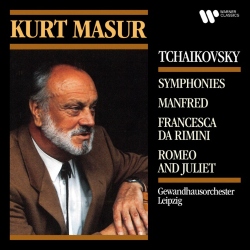
18:50
Featured Music
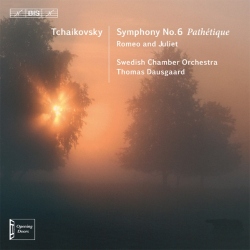
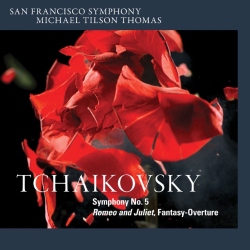
3

Romeo and Juliet in B minor (3 versions)
Romeo and Juliet: Overture - fantasia (final version dating from 1880)
19:35
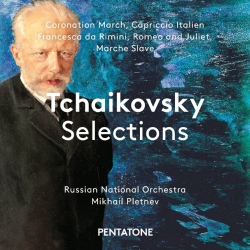
5
Romeo and Juliet in B minor (3 versions)
Romeo and Juliet - Fantasy Overture after Shakespeare
19:17
10
6:55
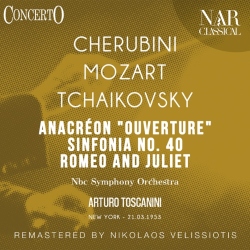
Recommend Playlist
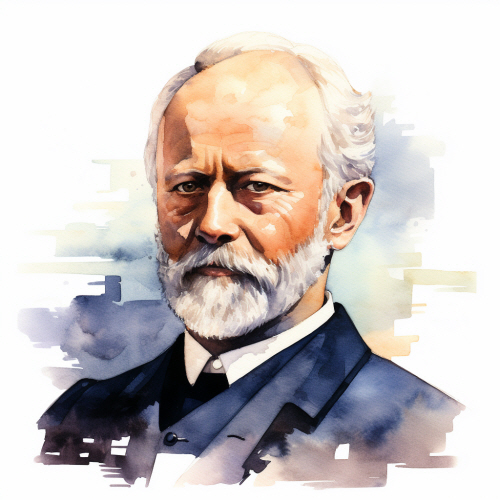









Main Perform Artists