


William Walton
Released Album
Orchestral
-
 March 16, 2024
 -
 January 26, 2024
 -
 February 14, 2023
 -
 March 18, 2022
 -
 March 12, 2022
 -
 February 4, 2022
Choral
-
-
 March 4, 2022
 -
 December 17, 2021
 -
 June 11, 2021
 -
 April 30, 2021
 -
 November 6, 2020
Chamber
-
 November 10, 2023
 -
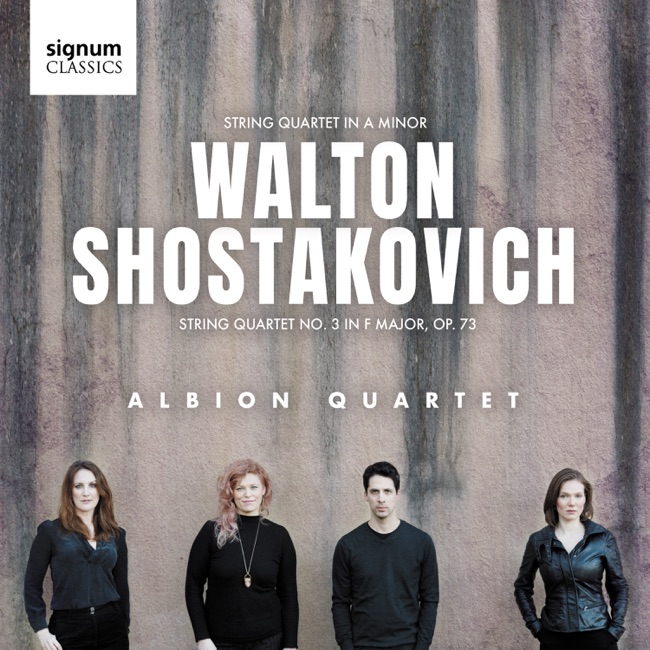
-
 April 24, 2021
 -
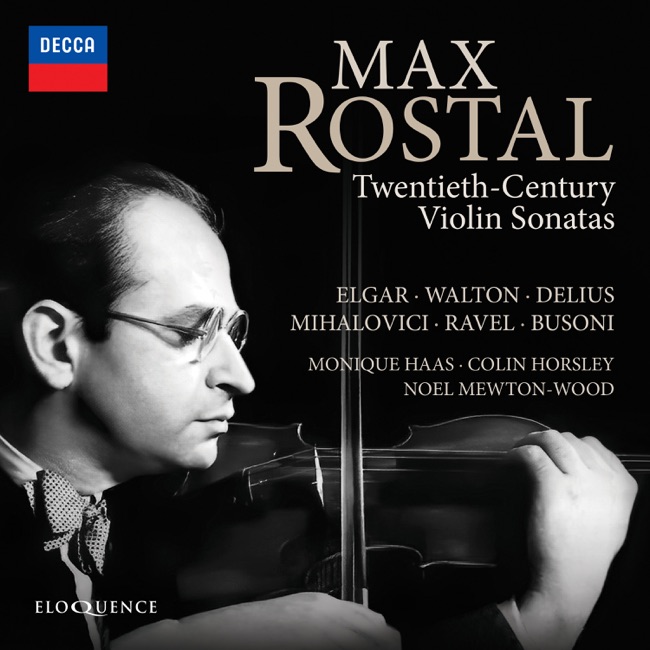 April 9, 2021
 -
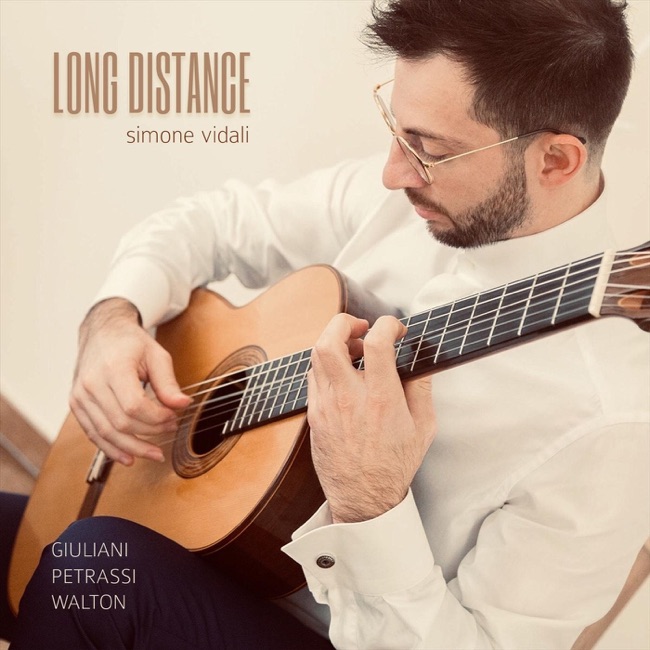 April 1, 2021
 -
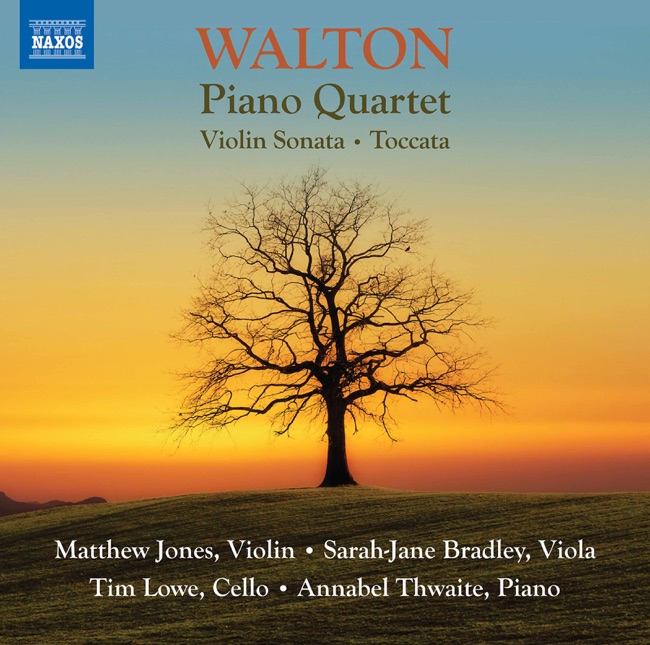 November 27, 2020
Concerto
-
 September 6, 2024
 -
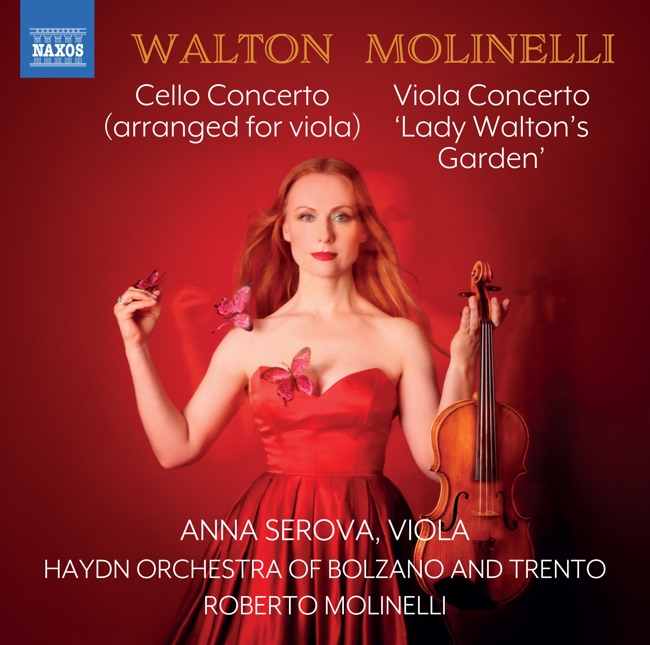
-
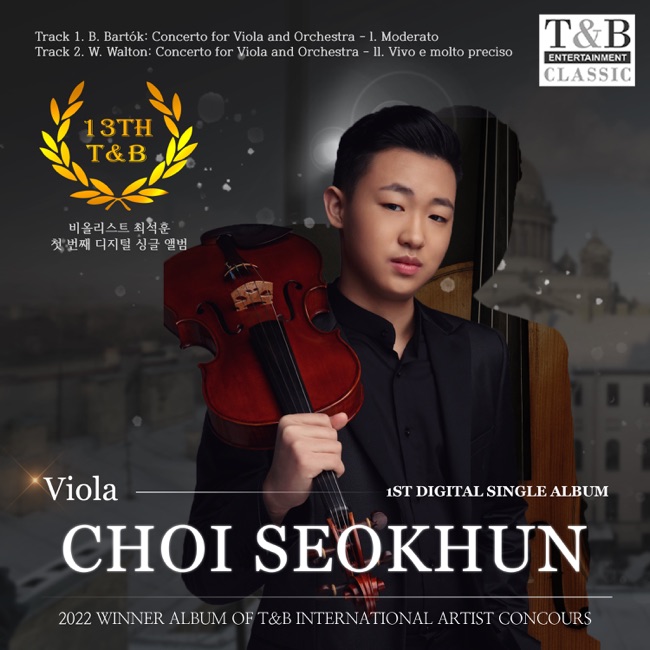 November 24, 2022
 -
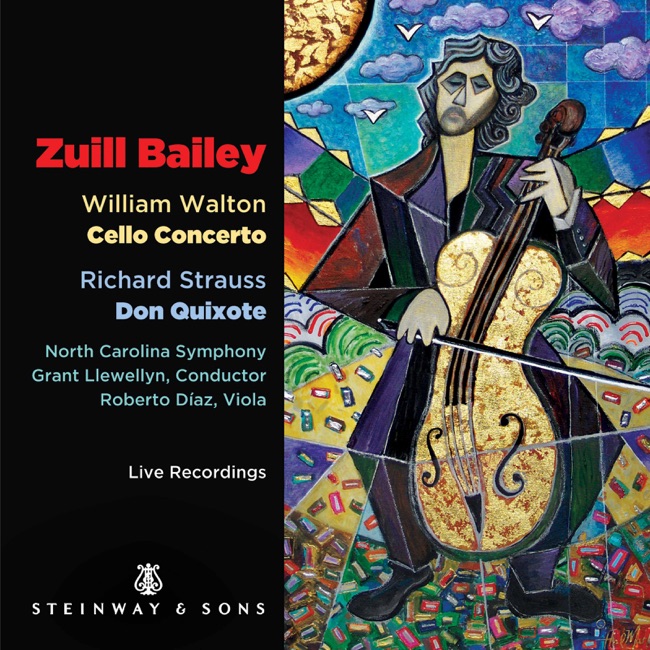
 March 27, 2021
 -
 June 5, 2020
 -
Artist Info
Role:Composer ConductorCountry: United KingdomBirth:March 29, 1902 in Oldham, Greater Manchester, EnglandDeath:March 8, 1983 in Ischia, ItalyPeriod:ContemporaryModernGenre:ChoralOrchestralWilliam Walton was a British composer who was born on March 29, 1902, in Oldham, Lancashire, England. He was the youngest of three children born to Charles Alexander Walton, a musician, and his wife Louisa Maria. Walton's father was a choirmaster and organist, and his mother was a singer. His father died when he was just four years old, leaving his mother to raise him and his siblings alone. Walton showed an early interest in music and began composing at a young age. He received his first formal music education at Christ Church, Oxford, where he studied under the composer Hugh Allen. He later studied at the Royal College of Music in London, where he was a pupil of Sir Ernest Bullock and Sir George Dyson. In 1923, Walton's first major work, a Viola Concerto, was premiered at the Proms in London. The piece was well-received and helped establish Walton as a promising young composer. He went on to compose a number of other works in the 1920s, including a Symphony in B-flat minor and a String Quartet in A minor. In the 1930s, Walton's career continued to flourish. He composed a number of works for the stage, including the ballets Façade and The Wise Virgins, as well as the opera Troilus and Cressida. He also wrote a number of film scores, including the music for the 1940 film adaptation of Rebecca, which won an Academy Award. During World War II, Walton served in the British Army, where he worked as a composer and arranger for the Army Film Unit. He composed a number of patriotic works during this time, including the marches Spitfire Prelude and Fugue and Crown Imperial. After the war, Walton continued to compose prolifically. He wrote a number of works for the concert hall, including the Cello Concerto and the Symphony No. 1. He also continued to write film scores, including the music for the 1955 film adaptation of Richard III. In the 1960s, Walton's output slowed somewhat, but he still managed to compose a number of significant works, including the opera The Bear and the Symphony No. 2. He also received a number of honors during this time, including a knighthood in 1951 and the Order of Merit in 1968. Walton's later years were marked by declining health, but he continued to compose until his death on March 8, 1983, in Ischia, Italy. He was buried in the churchyard of the Church of Santa Maria degli Angeli in Ischia. Throughout his career, Walton was known for his distinctive style, which blended elements of traditional tonality with more modernist techniques. His music was often characterized by its rhythmic vitality, colorful orchestration, and dramatic intensity. Some of his most famous works include the Viola Concerto, the Symphony No. 1, and the film scores for Rebecca and Richard III. In addition to his work as a composer, Walton was also a respected conductor and musicologist. He conducted a number of his own works, as well as those of other composers, and was known for his insightful interpretations. He also wrote a number of articles and essays on music, including a book on the composer Igor Stravinsky. Today, Walton is widely regarded as one of the most important British composers of the 20th century. His music continues to be performed and recorded by orchestras and ensembles around the world, and his legacy as a composer and musician remains an important part of the classical music tradition.More....
Recent Artist Music
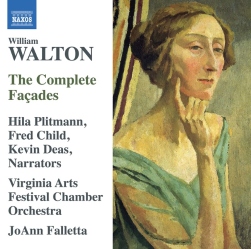
3
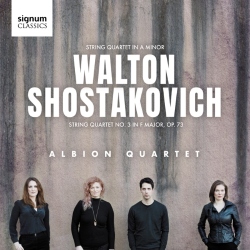
10:35
4
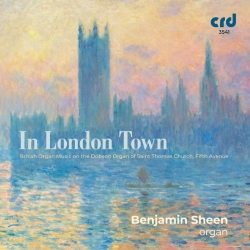
March: A History of the English-speaking Peoples'
March for 'A History of the English-Speaking Peoples'
5:36
Works Highlight












Related Artists
Copyright Ⓒ 2013 Davinci Finger. All rights reseved
Service Terms & Policy