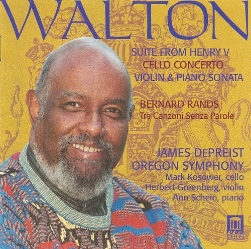
William Walton
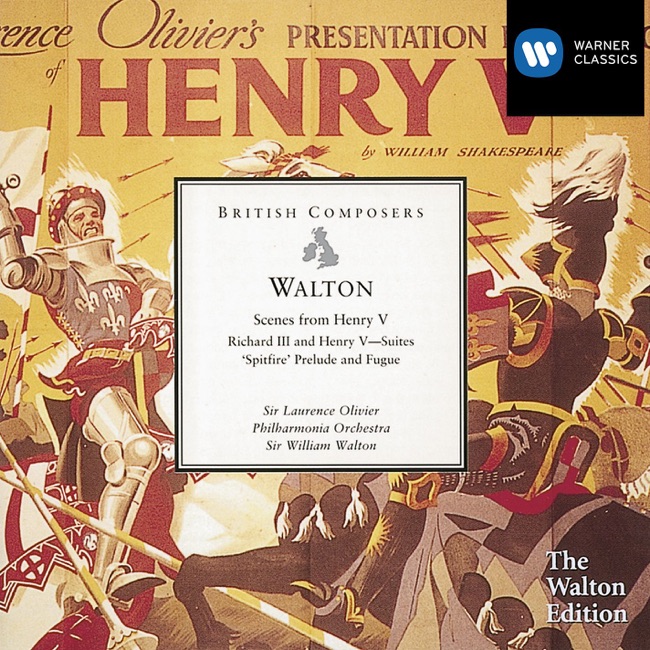
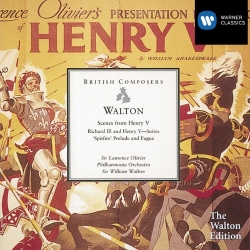
Henry V, choral suite and orchestral suite
Released Album
Recent Album

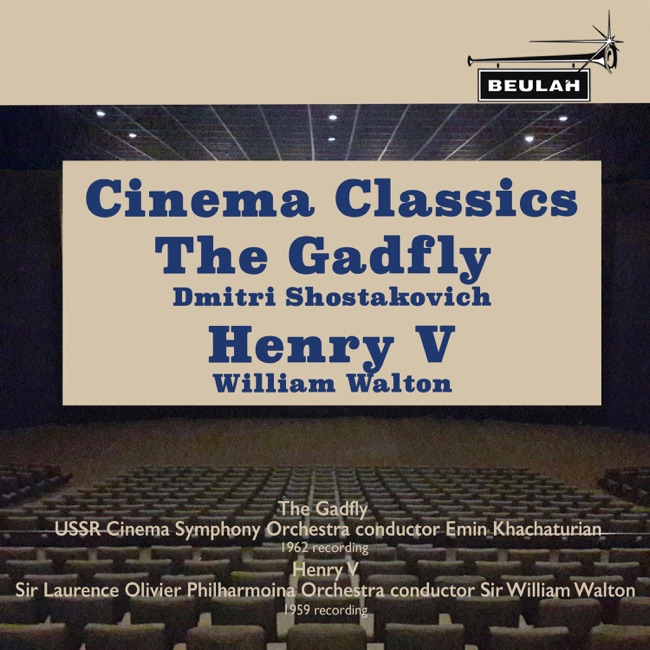

Featured Album
Works Info
Composer:William WaltonGenre:OrchestralStyle:OrchestralCompose Date:1945 - 1963Average_duration:16:33Henry V is a choral and orchestral suite composed by William Walton in 1944. The piece was commissioned by the British government to commemorate the 600th anniversary of the Battle of Agincourt, which was fought between the English and French armies in 1415. The suite was premiered on October 21, 1944, at the Royal Albert Hall in London, with the composer conducting. The suite consists of ten movements, each of which is based on a different scene from Shakespeare's play Henry V. The first movement, "Prologue," sets the stage for the story and features a solo trumpet playing a fanfare. The second movement, "Passacaglia: The Death of Falstaff," is a somber piece that mourns the passing of one of the play's most beloved characters. The third movement, "Charge and Battle," is a rousing and energetic piece that depicts the English army charging into battle against the French. The fourth movement, "Tournament," is a lively and playful piece that evokes the spirit of a medieval jousting tournament. The fifth movement, "Interlude: At the Boar's Head," is a brief and lighthearted piece that features a solo oboe. The sixth movement, "Agincourt Song," is a stirring and patriotic piece that celebrates the English victory at the Battle of Agincourt. The seventh movement, "Touch Her Soft Lips and Part," is a tender and melancholy piece that accompanies a scene in which Henry says goodbye to his wife before leaving for battle. The eighth movement, "Epilogue," is a triumphant and celebratory piece that brings the suite to a close. The ninth movement, "Fanfare for the Uncommon Man," was added to the suite in 1953 and is a tribute to the American composer Aaron Copland. Overall, Henry V is a powerful and evocative piece that captures the spirit of Shakespeare's play and the historical events it depicts. The suite is notable for its use of brass and percussion, which give it a grand and majestic sound. It has become a popular piece in the classical repertoire and is often performed by orchestras and choirs around the world.More....
Works Music
Released Music

2
3:25
3
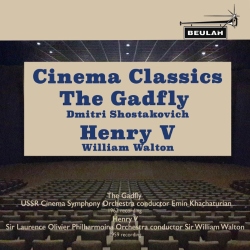
Henry V, choral suite and orchestral suite
Act IV, Scene 3: This Day Is Called the Feast of Crispian
4:26
4
1:36
Featured Music
1
3:25