


Hamish MacCunn
Released Album
Orchestral
-
 June 24, 2016
 -
-
 March 1, 2007
 -
 November 1, 1999
 -
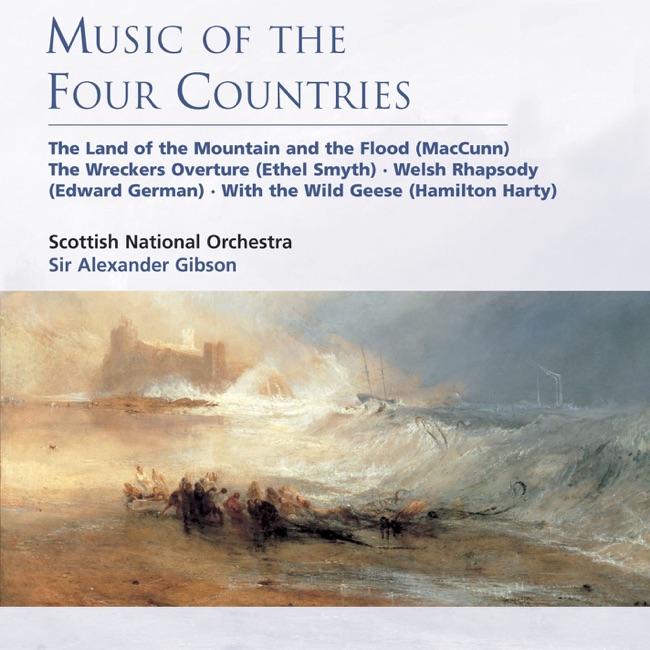 February 1, 1994
 -
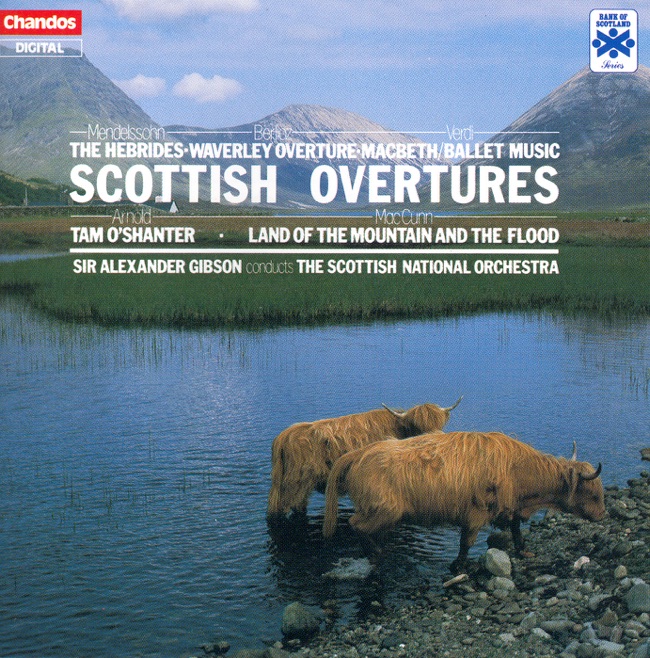 May, 1985
Vocal
-
 June 7, 2011
 -
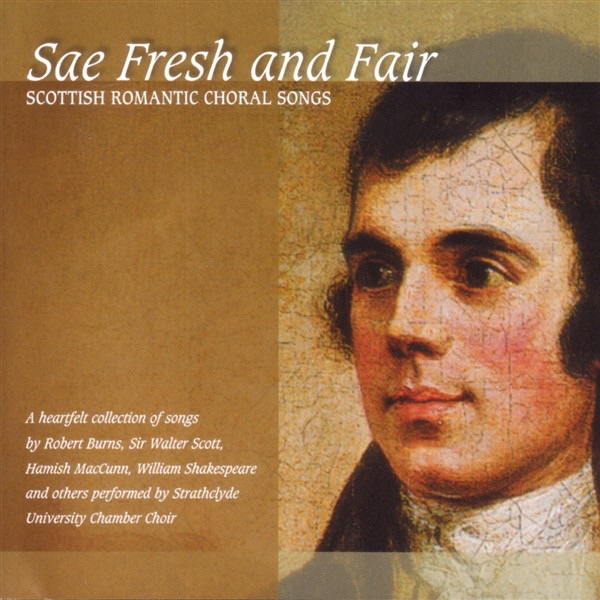 September 16, 2004
Keyboard
-
 July 3, 2006
Artist Info
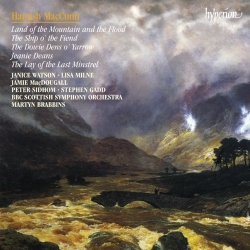
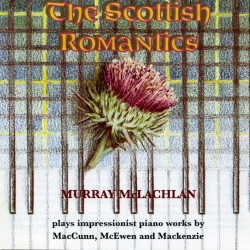
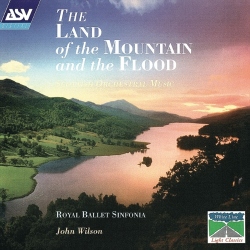
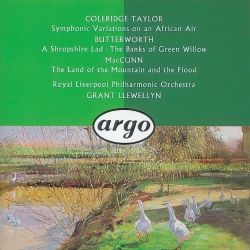
Role:ComposerCountry: United KingdomBirth:March 22, 1868 in Greenock, Renfrewshire, ScotlandDeath:August 2, 1916 in London, EnglandPeriod:RomanticContemporaryModernGenre:ChoralKeyboardOperaOrchestralHamish MacCunn was a Scottish composer who was born on March 22, 1868, in Greenock, Scotland. He was the youngest of six children and was born into a family of musicians. His father, James MacCunn, was a violinist and conductor, and his mother, Mary MacCunn, was a singer and pianist. Hamish showed an early interest in music and began playing the piano at the age of six. MacCunn's musical education began at the age of ten when he was sent to study at the Royal Academy of Music in London. He studied there for six years and was a talented student, winning several prizes for his compositions. After completing his studies, he returned to Scotland and began working as a freelance composer and conductor. MacCunn's early works were influenced by Scottish folk music and the Romantic composers of the time. His first major work was the overture "The Land of the Mountain and the Flood," which he composed in 1887 when he was just 19 years old. The piece was an instant success and became one of the most popular works in the Scottish orchestral repertoire. In 1891, MacCunn was appointed conductor of the Glasgow Orpheus Choir, a position he held for six years. During this time, he composed several choral works, including "The Ship o' the Fiend" and "The Lay of the Last Minstrel." He also composed his first opera, "Jeanie Deans," which was based on the novel "The Heart of Midlothian" by Sir Walter Scott. In 1897, MacCunn moved to London and began working as a freelance composer and conductor. He composed several works for the stage, including the operas "Diarmid" and "Dairmid and Grania," as well as the ballet "The Land of the Mountain and the Flood." He also composed several orchestral works, including the "Highland Memories" suite and the "Three Northern Ballads." MacCunn's music was well-received by audiences and critics alike, and he was considered one of the leading composers of his time. His music was characterized by its Scottish themes and Romantic style, and he was often compared to the English composer Edward Elgar. Despite his success, MacCunn's personal life was marked by tragedy. In 1902, his wife, Alison Pettie, died of tuberculosis, leaving him to raise their two young children alone. MacCunn's health also began to decline, and he suffered from depression and alcoholism. In 1916, MacCunn died at the age of 48 from heart failure. His death was a great loss to the Scottish music community, and his music fell out of favor in the years following his death. However, in recent years, there has been a renewed interest in MacCunn's music, and his works have been performed and recorded by orchestras around the world. Some of MacCunn's most notable works include: - "The Land of the Mountain and the Flood" (1887) - This overture is MacCunn's most famous work and is considered a Scottish classic. It is a lively and energetic piece that captures the spirit of the Scottish landscape. - "Jeanie Deans" (1894) - This opera is based on the novel "The Heart of Midlothian" by Sir Walter Scott. It tells the story of a young woman who travels to London to seek a pardon for her sister, who has been wrongly accused of murder. - "Diarmid" (1897) - This opera is based on the legend of Diarmuid and Gráinne, a story from Irish mythology. It tells the story of a warrior who falls in love with the wife of his leader and must flee with her to escape his wrath.More....
Copyright Ⓒ 2013 Davinci Finger. All rights reseved
Service Terms & Policy