


Hector Berlioz
Released Album
Choral
-
 February 2, 2024
 -
 September 22, 2023
 -
-
 April 20, 2023
 -
 April 14, 2023
 -
 April 7, 2023
Symphony
-
 August 9, 2024
 -
-
 May 17, 2024
 -
 April 29, 2024
 -
 April 12, 2024
 -
 April 5, 2024
Orchestral
-
-

-
 October 7, 2022
 -
 July 22, 2022
 -
 July 8, 2022
 -
 January 26, 2022
Vocal
-
-
 April 8, 2024
 -
 January 12, 2024
 -
 October 20, 2023
 -
 October 20, 2023
 -
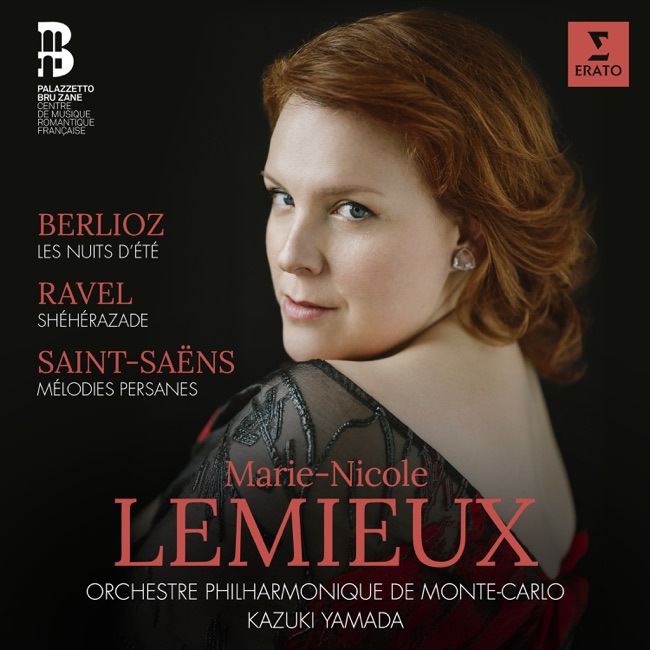 September 29, 2023
Artist Info
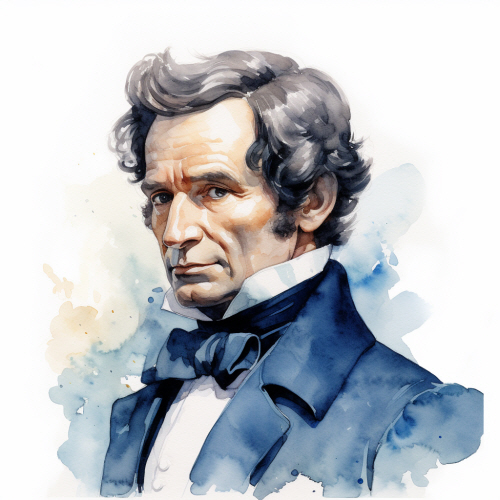
Role:ComposerCountry: FranceBirth:December 11, 1803 in La Côte-St.-André, Isère, FranceDeath:March 8, 1869 in Paris, FrancePeriod:RomanticGenre:ChoralOrchestralSymphonyVocalHector Berlioz was a French composer and conductor who lived from 1803 to 1869. He was born in La Côte-Saint-André, a small town in southeastern France, to a physician father and a mother who was a devout Catholic. Berlioz showed an early interest in music, and his father encouraged him to study the flute and guitar. However, his father did not support his son's desire to pursue a career in music, and instead wanted him to become a doctor. Despite his father's wishes, Berlioz continued to study music and eventually enrolled in the Paris Conservatoire in 1826. He studied composition with Jean-François Lesueur and counterpoint with Anton Reicha. Berlioz was a talented student, but he often clashed with his teachers and the conservative musical establishment. He was particularly critical of the Italian opera style that was popular in France at the time, and he championed the music of German composers like Beethoven and Weber. Berlioz's breakthrough came in 1830, when he composed his Symphonie fantastique. The piece was inspired by his unrequited love for the actress Harriet Smithson, and it tells the story of a young artist who becomes obsessed with a woman and eventually kills her. The symphony was a radical departure from the traditional symphonic form, and it featured innovative orchestration and programmatic elements. The piece was a critical and popular success, and it established Berlioz as one of the leading composers of his time. Berlioz continued to compose throughout the 1830s and 1840s, and he produced a number of important works during this period. In 1839, he composed his Requiem, which was written in memory of the soldiers who died in the July Revolution of 1830. The piece was performed in the Invalides, a military hospital in Paris, and it featured a massive orchestra, chorus, and brass band. The Requiem was a powerful and emotional work, and it cemented Berlioz's reputation as a composer of grand and ambitious music. In 1846, Berlioz composed his opera Les Troyens, which was based on Virgil's Aeneid. The opera was a massive undertaking, and it required a large cast, chorus, and orchestra. However, the work was not well-received at the time, and it was not performed in its entirety until 1890, more than 20 years after Berlioz's death. Despite its initial failure, Les Troyens is now considered one of Berlioz's greatest works, and it is admired for its epic scale and dramatic intensity. Berlioz was also a prolific writer, and he wrote extensively about music and musicians. His most famous work is his Treatise on Instrumentation, which was published in 1844. The book is a comprehensive guide to orchestration, and it includes detailed descriptions of the various instruments in the orchestra and their capabilities. The Treatise was a groundbreaking work, and it influenced generations of composers and conductors. In addition to his composing and writing, Berlioz was also a renowned conductor. He conducted many of his own works, as well as the music of other composers. He was known for his passionate and expressive conducting style, and he was admired for his ability to bring out the emotional and dramatic elements of the music. Berlioz's later years were marked by financial difficulties and health problems. He suffered from asthma and other respiratory ailments, and he was often forced to cancel performances and engagements. However, he continued to compose and conduct until his death in 1869.More....
Recent Artist Music
2

1:53
4
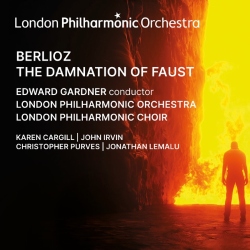
The Damnation of Faust, H. 111, Op. 24
Part Four. Scene XX: Dans le ciel. Laus! Hosanna! - Apothéose de Marguerite. Remonte au ciel, âme naîve
5:51
5
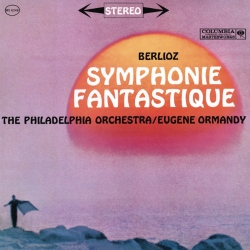
Fantastic Symphony for orchestra, H.48, Op. 14
I. Rêveries - Passions. Largo - Allegro agitato e appassionato assai
12:54
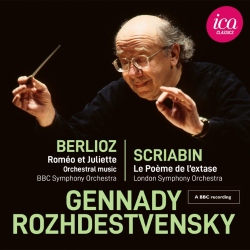
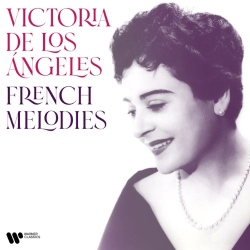

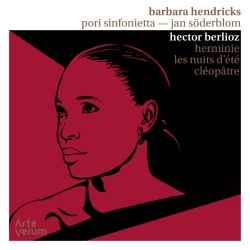
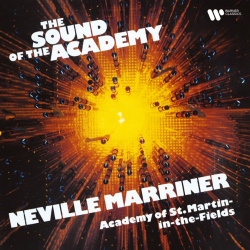
11

8:42
12
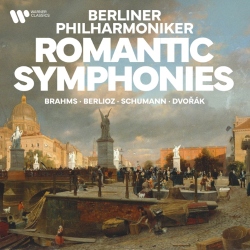
Fantastic Symphony for orchestra, H.48, Op. 14
I. Rêveries - Passions. Largo - Allegro agitato e appassionato assai
15:40

Works Highlight
Recommend Playlist





















Related Artists
Copyright Ⓒ 2013 Davinci Finger. All rights reseved
Service Terms & Policy