


Carl Maria von Weber
Released Album
Opera
-
 April 19, 2024
 -
-
 March 1, 2024
 -
-
 March 24, 2023
 -
 January 6, 2023
Keyboard
-
 September 29, 2023
 -
-
 April 28, 2023
 -
-
-
 April 16, 2022
Concerto
-
 March 15, 2024
 -
 February 21, 2024
 -
 November 17, 2023
 -
-
 January 20, 2023
 -
 November 25, 2022
Chamber
-
-
 February 20, 2024
 -
 November 30, 2023
 -
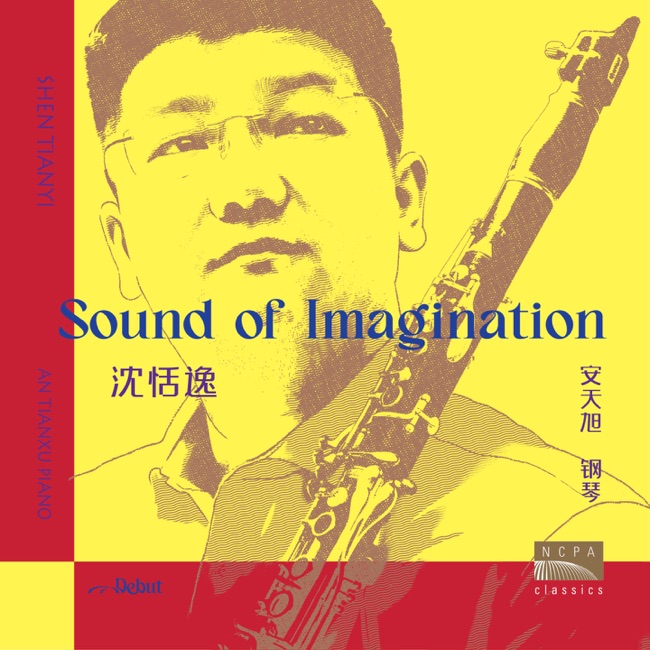 November 6, 2023
 -
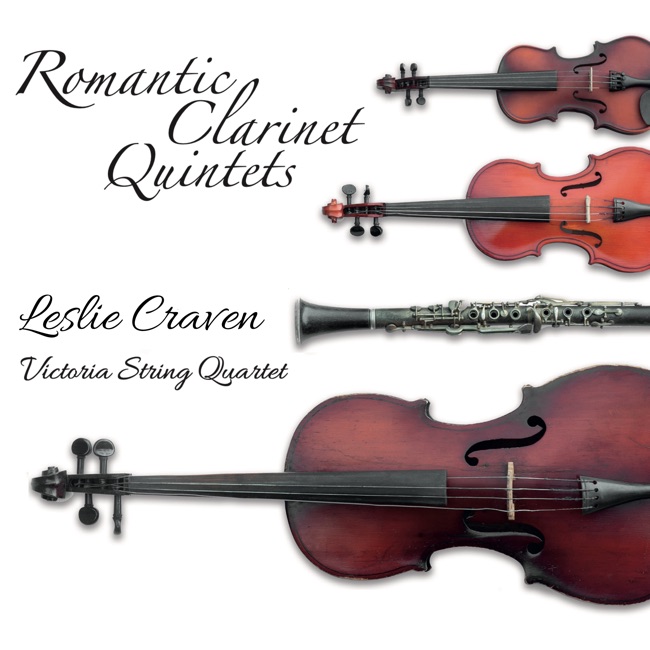 June 16, 2023
 -
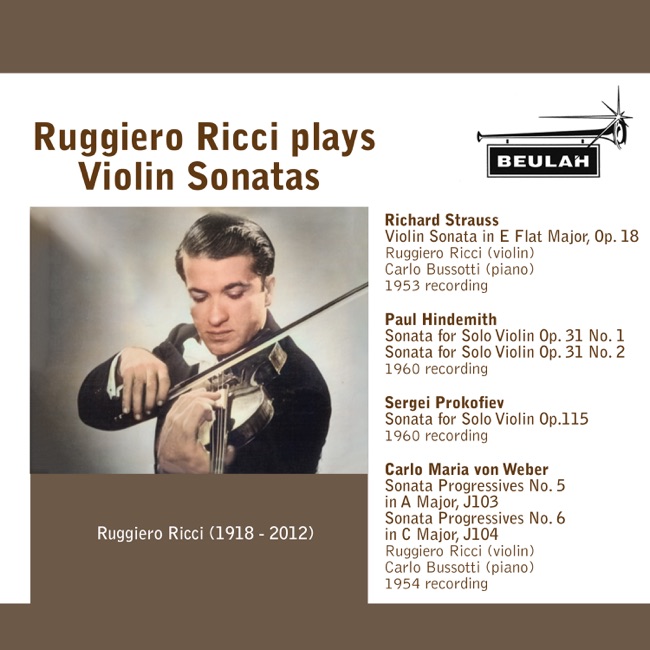 August 26, 2022
Artist Info
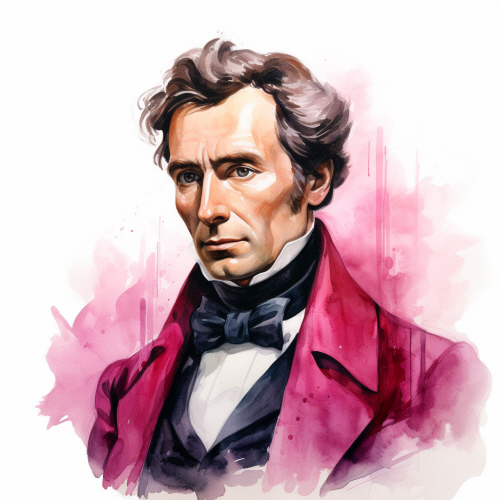
Role:Composer ConductorCountry: GermanyBirth:November 18, 1786 in Eutin, Oldenburg, GermanyDeath:June 5, 1826 in London, EnglandPeriod:RomanticGenre:ChamberConcertoKeyboardOperaOrchestralCarl Maria von Weber was a German composer, conductor, pianist, and critic who was born on November 18, 1786, in Eutin, Germany. He was the eldest son of Franz Anton von Weber, a musician and conductor, and Genovefa Brenner, a singer. His father was a member of the Eutin court orchestra, and his mother was a talented singer who performed in local operas. Weber's family was musically inclined, and he grew up surrounded by music. Weber began his musical education at an early age, studying piano with his father and violin with Johann Peter Heuschkel, the leader of the Eutin court orchestra. He showed great promise as a musician, and by the age of 12, he was already composing his own music. In 1798, Weber's family moved to Salzburg, where he continued his musical studies with Michael Haydn, the younger brother of the famous composer Joseph Haydn. In 1801, Weber moved to Munich, where he studied with Abbé Vogler, a renowned music theorist and composer. Vogler was a strict teacher, but he recognized Weber's talent and encouraged him to pursue a career in music. Weber's first major success as a composer came in 1804, when his opera "Das Waldmädchen" was performed in Munich. The opera was well-received, and it established Weber as a rising star in the world of music. In 1806, Weber was appointed as the director of the Breslau Opera, a position he held for two years. During his time in Breslau, Weber composed several operas, including "Abu Hassan" and "Der Freischütz," which would become his most famous work. "Der Freischütz" premiered in Berlin in 1821 and was an instant success. The opera's blend of German folk music and Romanticism made it a groundbreaking work, and it had a profound influence on the development of German opera. Weber's success as a composer and conductor continued throughout the 1820s. He was appointed as the director of the Dresden Opera in 1817, and he held that position until his death. During his time in Dresden, Weber composed several operas, including "Euryanthe" and "Oberon." "Oberon" was Weber's last opera, and it premiered in London in 1826. The opera was a critical and commercial success, and it helped to establish Weber as one of the leading composers of his time. In addition to his work as a composer and conductor, Weber was also a prolific writer and critic. He wrote several books on music theory and criticism, including "Aufforderung zum Tanz" (Invitation to the Dance), which was later set to music by several composers, including Hector Berlioz and Franz Liszt. Weber's music is characterized by its Romanticism and its use of German folk music. His operas, in particular, are known for their dramatic intensity and their use of supernatural themes. Weber's influence on the development of German opera cannot be overstated, and his work had a profound impact on the composers who came after him, including Richard Wagner. Weber's health began to decline in the late 1820s, and he died on June 5, 1826, in London, England, at the age of 39. Despite his short life, Weber left behind a rich legacy of music that continues to be celebrated and performed to this day.More....
Recent Artist Music
1
1:43
6
9:36
7
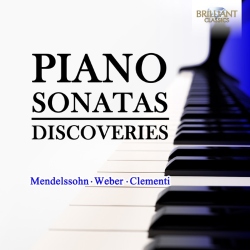
Piano Sonata No. 2 in A flat major, J. 199, Op. 39
I. Allegro moderato, con spirito ed assai legato
11:31
10
9:14
11
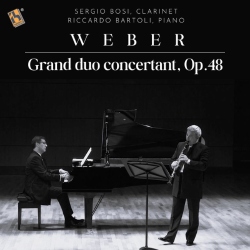
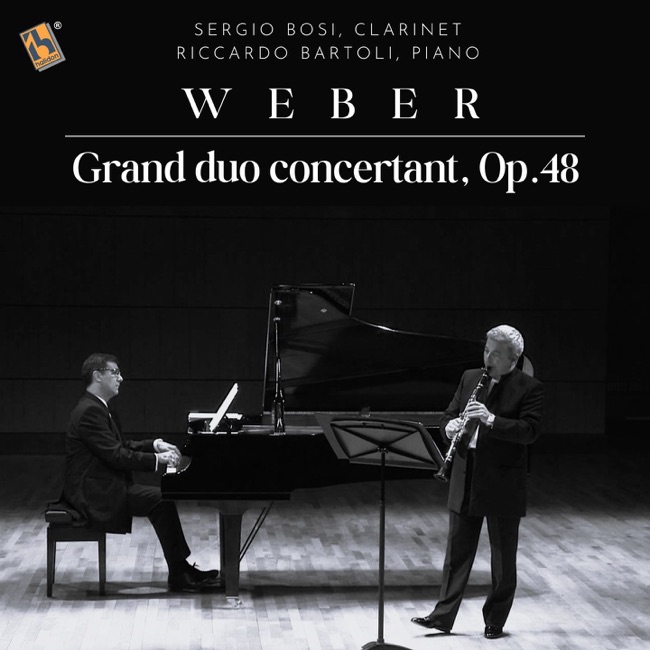
Grand Duo Concertante for clarinet & piano in E flat major, J. 204, Op. 48
I. Allegro con fuoco
5:53
14
9:22
15
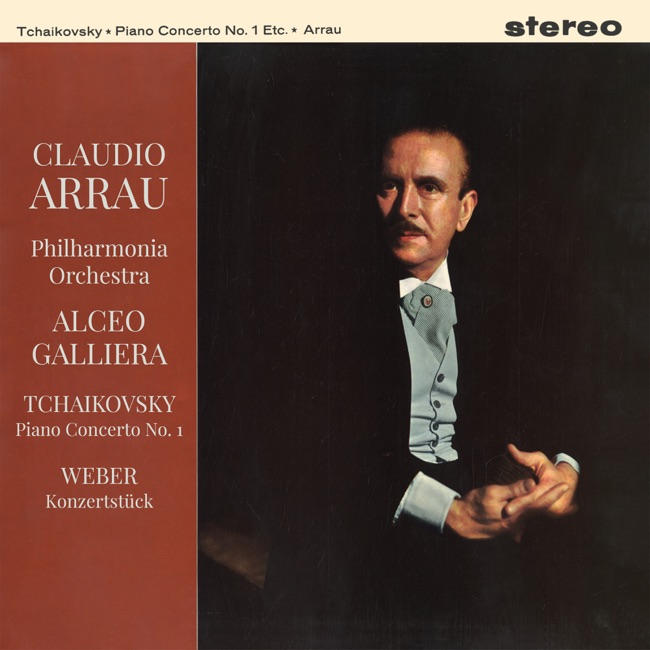
Concert piece for piano & orchestra in F minor, J. 282, Op. 79
Allegro passionato - Adagio attacca
4:16
Works Highlight
Recommend Playlist










Related Artists
Copyright Ⓒ 2013 Davinci Finger. All rights reseved
Service Terms & Policy