


Michael Bohnen
Released Album
Opera
-
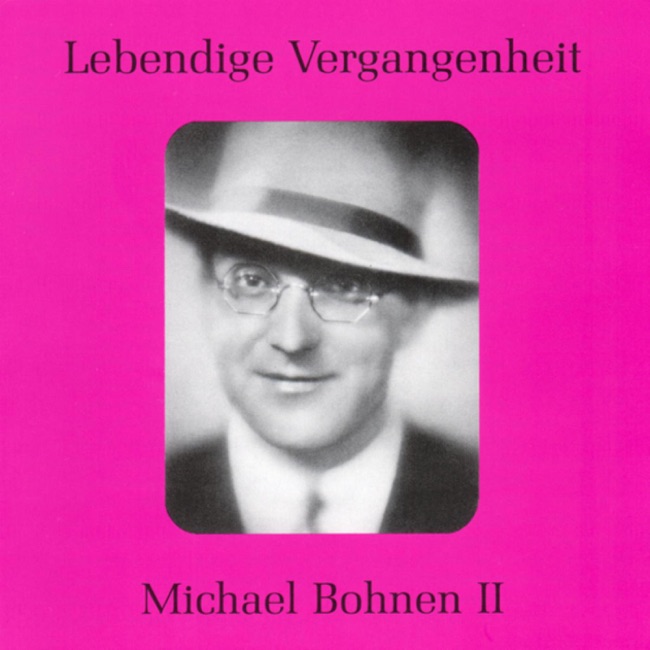 February 28, 2006
 -
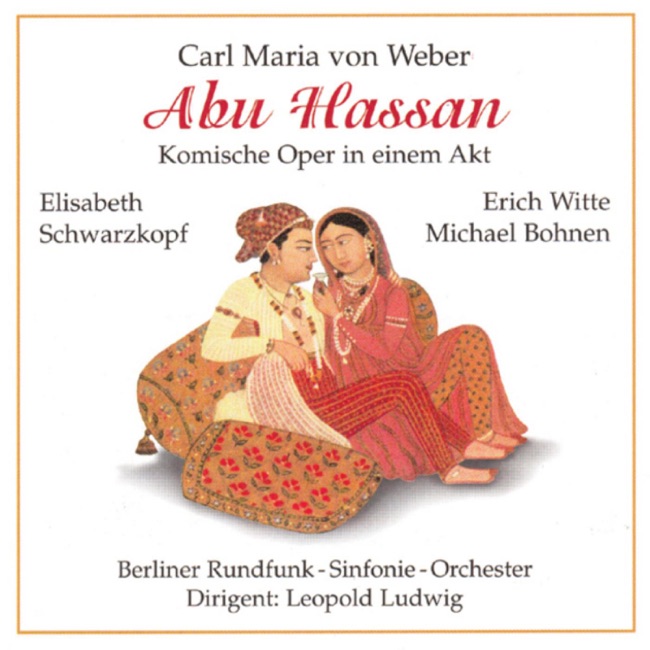 September 5, 2005
 -
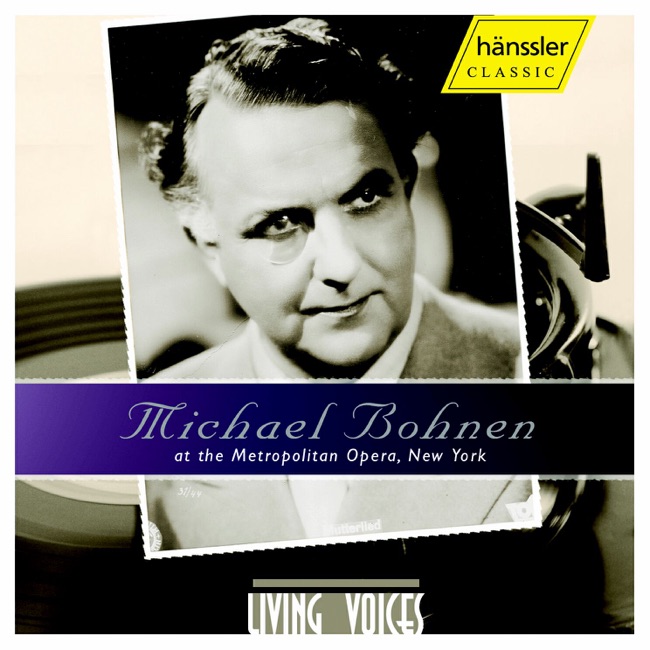 August 1, 2004
 -
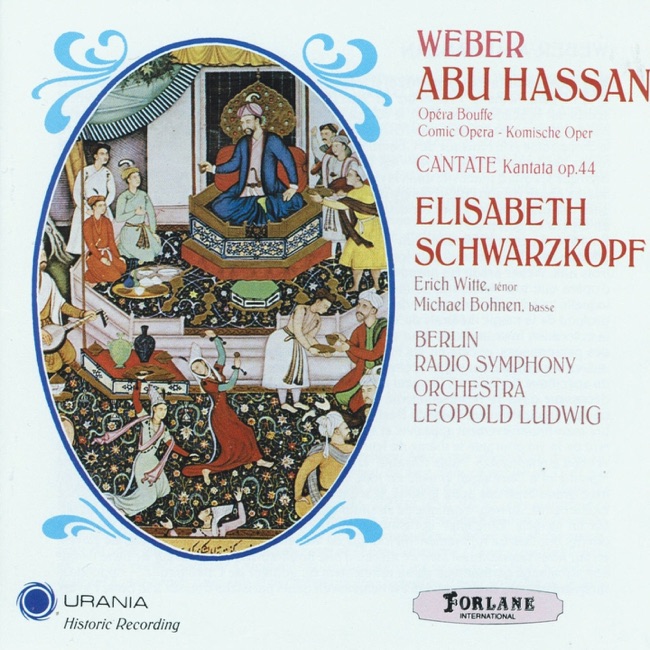 February 13, 2001
 -
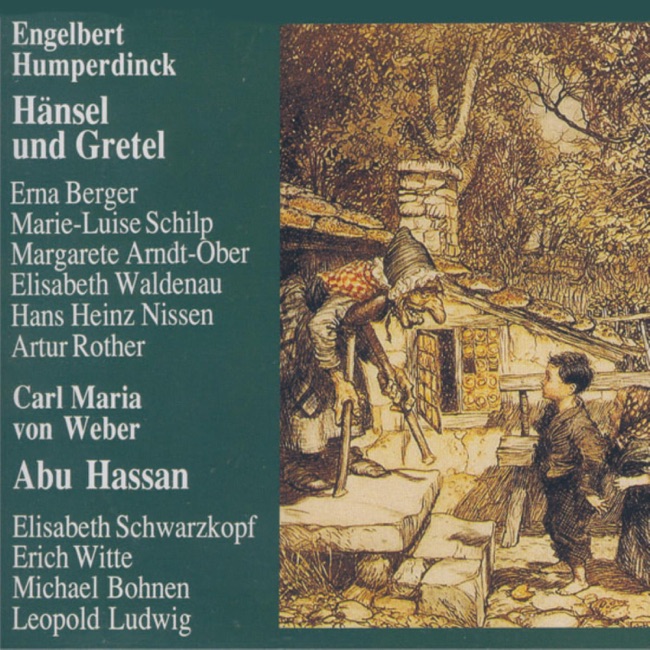 2001
2001 -
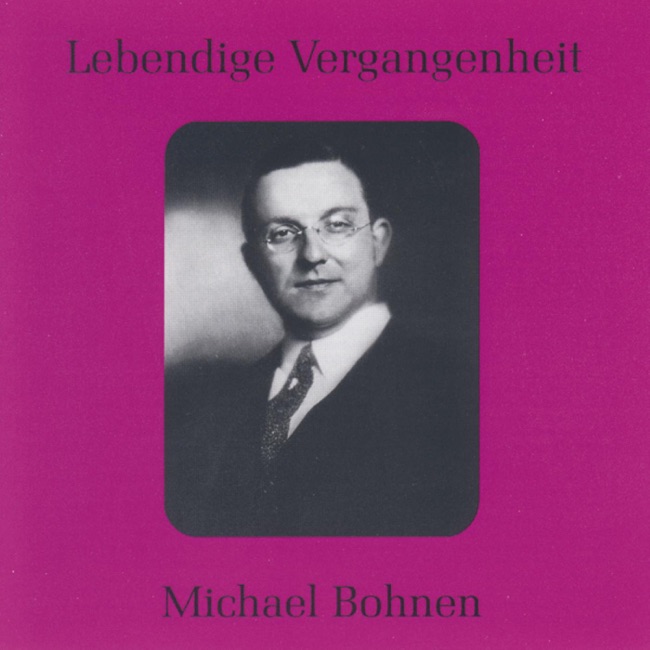 March 28, 2000
Vocal
-
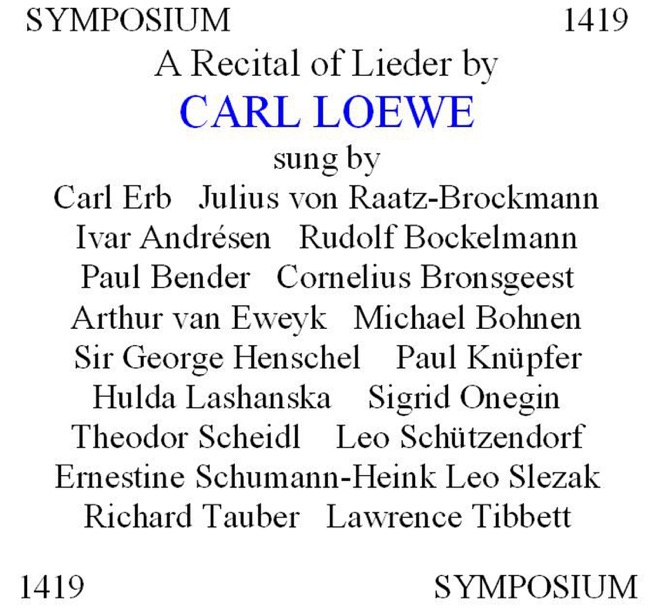 March 5, 2013
Artist Info
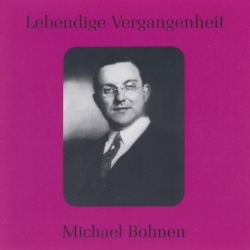
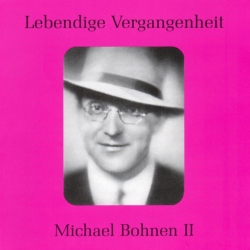
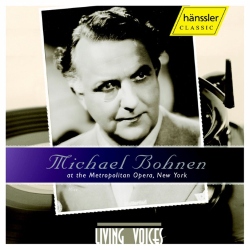
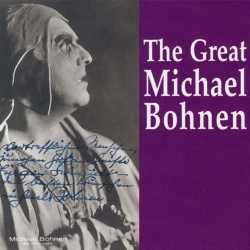
Role:ComposerPeriod:RomanticModernGenre:OperaMichael Bohnen was a renowned German bass-baritone singer who made a significant contribution to the world of classical music during the early 20th century. He was born on August 2, 1887, in Cologne, Germany, to a family of musicians. His father was a conductor, and his mother was a singer, which influenced his interest in music from a young age. Bohnen began his musical training at the Cologne Conservatory, where he studied under the guidance of Franz Wüllner. He made his debut as a singer in 1908 at the Stadttheater in Mainz, where he performed the role of the Count in Mozart's "The Marriage of Figaro." His performance was well-received, and he soon became a regular performer at the theater. In 1912, Bohnen joined the Berlin State Opera, where he performed a wide range of roles, including Wagner's "The Ring Cycle," Mozart's "Don Giovanni," and Verdi's "Rigoletto." He quickly gained a reputation as one of the most talented bass-baritones of his time, and his performances were highly praised by critics and audiences alike. One of Bohnen's most significant performances was in 1913 when he played the role of Wotan in the premiere of Richard Wagner's "Die Walküre" at the Berlin State Opera. The performance was a huge success, and Bohnen's portrayal of the character was widely regarded as one of the best in history. He went on to perform the role of Wotan in several other productions of "The Ring Cycle" throughout his career. During World War I, Bohnen served in the German army, but he continued to perform whenever possible. In 1917, he performed in a production of "The Magic Flute" at the Vienna State Opera, which was attended by Emperor Charles I of Austria. The performance was a huge success, and Bohnen received a standing ovation from the audience. After the war, Bohnen continued to perform at the Berlin State Opera, where he became one of the most popular singers of his time. He also performed in several other opera houses throughout Europe, including the Vienna State Opera, the Royal Opera House in London, and the Paris Opera. In addition to his opera performances, Bohnen also made several recordings throughout his career. His recordings of Wagner's "The Ring Cycle" and Mozart's "Don Giovanni" are still considered some of the best recordings of these works. Bohnen's career reached its peak in the 1920s and 1930s, but it was cut short by the rise of the Nazi party in Germany. Bohnen was a Catholic and had Jewish friends, which made him a target of the Nazi regime. In 1933, he was forced to resign from the Berlin State Opera, and his recordings were banned from being played on the radio. Despite the persecution he faced, Bohnen continued to perform in other countries, including the United States and England. He also taught at the Mozarteum in Salzburg, Austria, where he trained several young singers who went on to have successful careers in opera. Bohnen's last performance was in 1945, when he sang the role of King Marke in Wagner's "Tristan und Isolde" at the Vienna State Opera. He died on April 26, 1955, in Salzburg, Austria, at the age of 67. Throughout his career, Bohnen received several awards and honors for his contributions to the world of classical music. In 1925, he was awarded the title of Kammersänger by the Berlin State Opera, which is the highest honor a singer can receive in Germany. He was also awarded the Order of Merit of the Federal Republic of Germany in 1953 for his contributions to music.More....
Recent Artist Music

Related Artists
Copyright Ⓒ 2013 Davinci Finger. All rights reseved
Service Terms & Policy