


Antoine Reicha
Released Album
Chamber
-
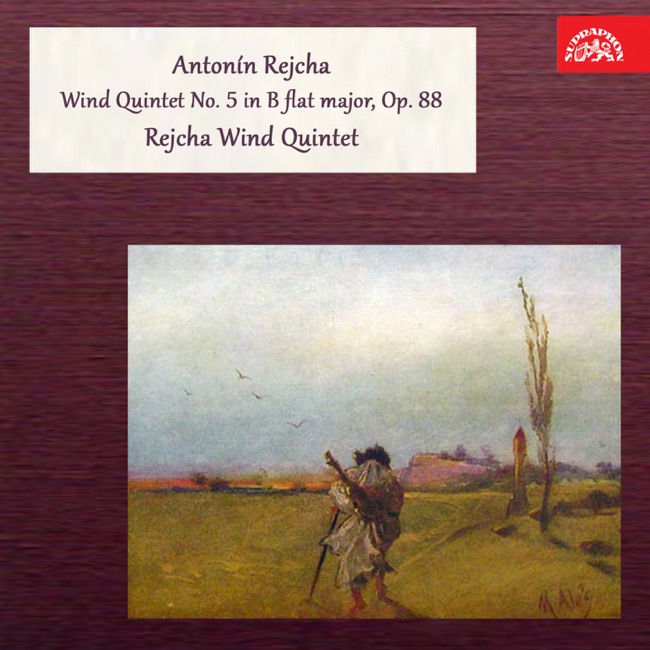 February 16, 2024
 -
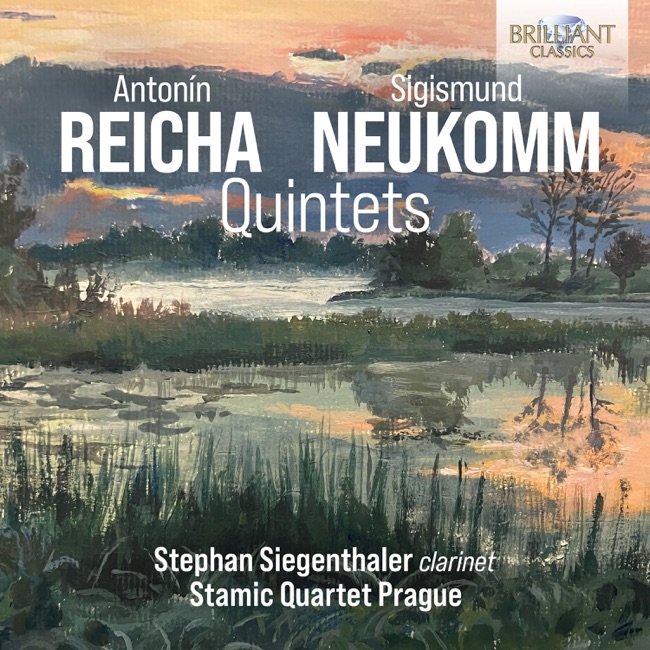 January 3, 2024
 -
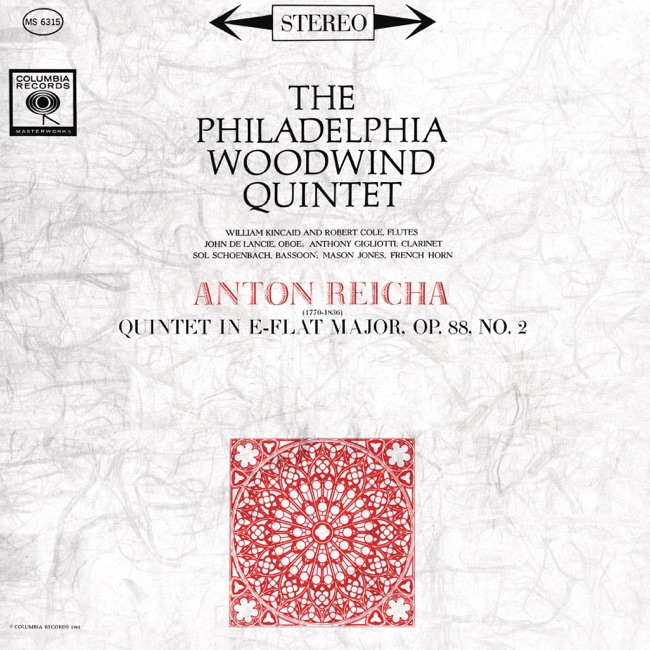 September 29, 2023
 -
 September 29, 2023
 -
 July 21, 2023
 -
 September 17, 2021
Keyboard
-
 February 3, 2024
 -
 January 8, 2021
 -
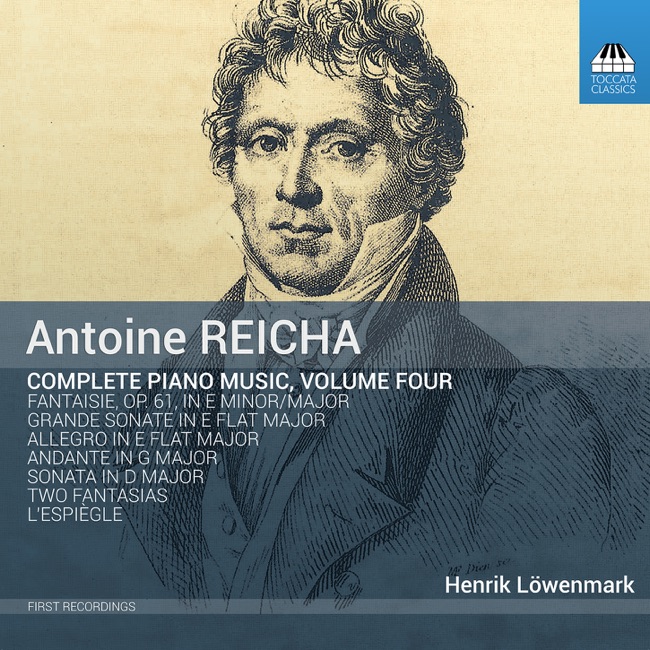 March 6, 2020
 -
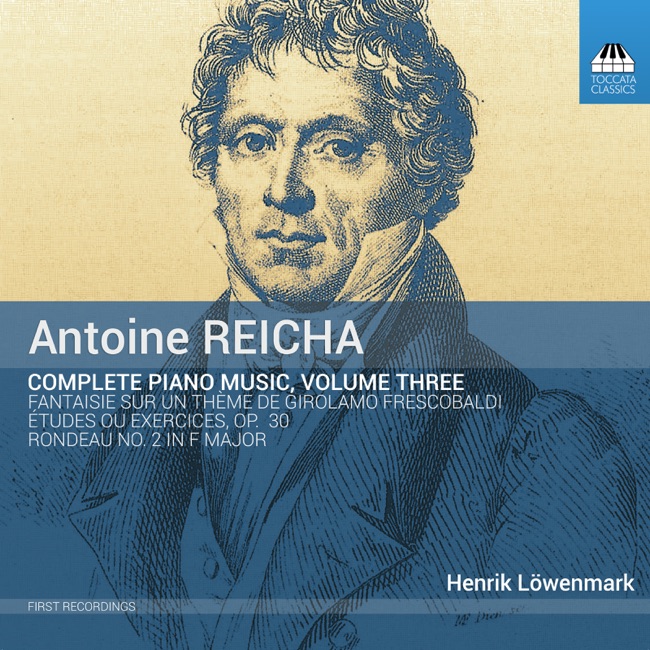 November 2, 2018
 -
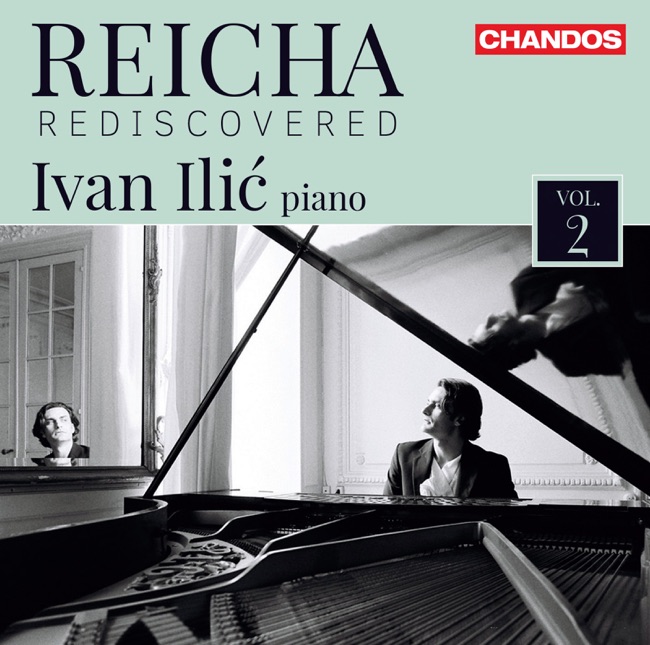 September 7, 2018
 -
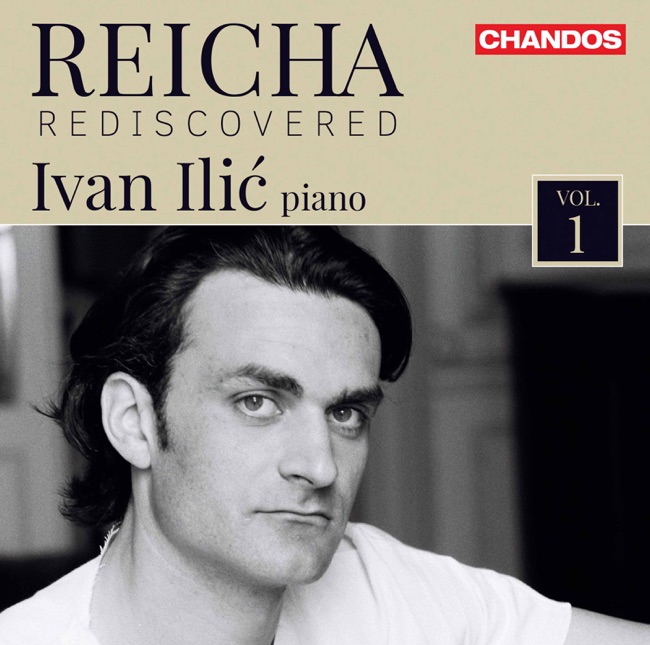 September 15, 2017
Symphony
-
 May 1, 2010
 -
 June 12, 2007
 -
-
 July 16, 2002
 -
 February 1, 1999
Orchestral
-
 December 4, 2021
Artist Info
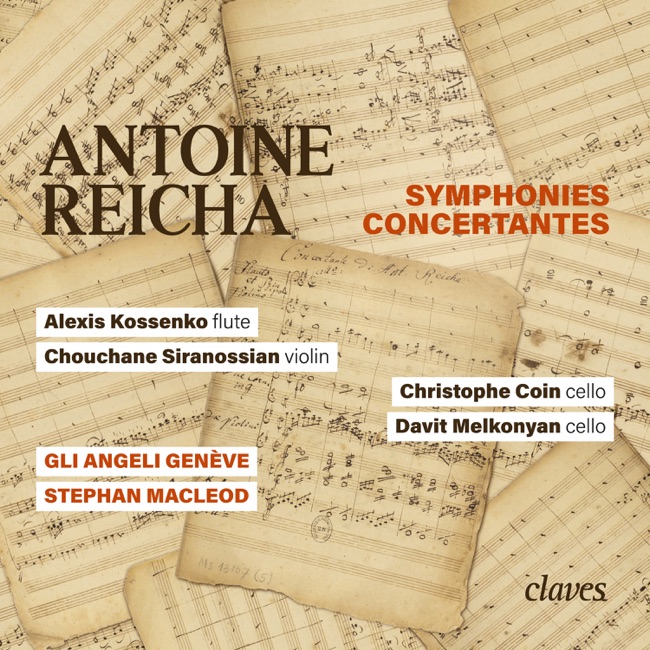
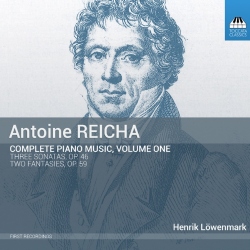
Role:ComposerCountry: FranceBirth:February 26, 1770 in Prague, Czech RepublicDeath:May 28, 1836 in Paris, FrancePeriod:ClassicalGenre:ChamberAntoine Reicha was a prominent classical music composer of the late 18th and early 19th centuries. Born in Prague on February 26, 1770, Reicha was the son of a musician and music teacher. His father recognized his son's musical talent at an early age and began teaching him the basics of music theory and composition. Reicha's family moved to Bonn, Germany when he was a child, where he continued his musical education under the tutelage of Christian Gottlob Neefe, who was also Beethoven's first music teacher. Reicha quickly became a skilled pianist and composer, and by the age of 15, he had already composed several works for piano and chamber ensembles. In 1785, Reicha moved to Vienna to study with Joseph Haydn, who was one of the most prominent composers of the time. Haydn recognized Reicha's talent and took him under his wing, teaching him advanced composition techniques and introducing him to the Viennese musical scene. Reicha's early works were heavily influenced by Haydn's style, but he soon developed his own unique voice as a composer. He was particularly interested in exploring new forms and structures, and his works often featured unconventional harmonies and rhythms. In 1794, Reicha moved to Paris, where he quickly established himself as one of the leading composers of the day. He became a member of the prestigious Paris Conservatory, where he taught composition and music theory to a new generation of musicians. Reicha's output during this period was prolific, and he composed works in a variety of genres, including symphonies, chamber music, and operas. One of his most famous works is the Wind Quintet in E-flat major, which is still widely performed today. This work is notable for its innovative use of the wind quintet ensemble, which was a relatively new formation at the time. Reicha's music was highly regarded by his contemporaries, and he was often compared to Beethoven and Mozart. However, his music fell out of favor in the years following his death, and it was not until the 20th century that his works began to be rediscovered and appreciated by modern audiences. Despite his success as a composer, Reicha was known for his eccentricities and his difficult personality. He was notoriously critical of his own work and often destroyed his compositions if he was not satisfied with them. He also had a reputation for being difficult to work with, and many of his students found him to be demanding and uncompromising. Reicha continued to compose throughout his life, and his later works show a continued interest in experimentation and innovation. He died in Paris on May 28, 1836, at the age of 66. Today, Reicha is recognized as one of the most important composers of the early Romantic period. His music is known for its technical complexity and its innovative use of form and structure. While his works may not be as well-known as those of his contemporaries, they continue to be studied and performed by musicians around the world.More....
Recent Artist Music
1
12:21
3
8:32

5
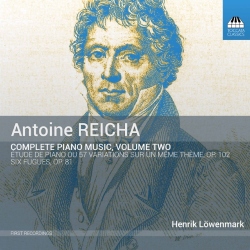
Etude or 57 Variations on the same theme, followed by a Rondeau, Op. 102
Theme - Gavotte française: Allegretto poco andante
33
8
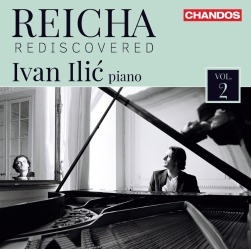
Etudes in the Fugal Style, Op.97
I. Introduction. Poco Andante. Sempre sostenuto - in E minor
2:18
Recommend Playlist



Related Artists
Copyright Ⓒ 2013 Davinci Finger. All rights reseved
Service Terms & Policy