


Johann Georg Albrechtsberger
Released Album
Concerto
-
 July 8, 2015
 -
 April 28, 2015
 -
-
 May 10, 2011
 -
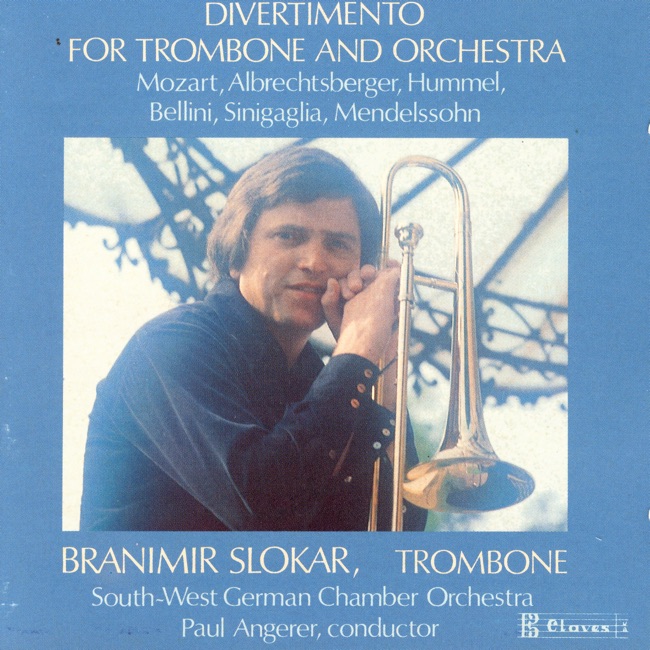 February 10, 2009
 -
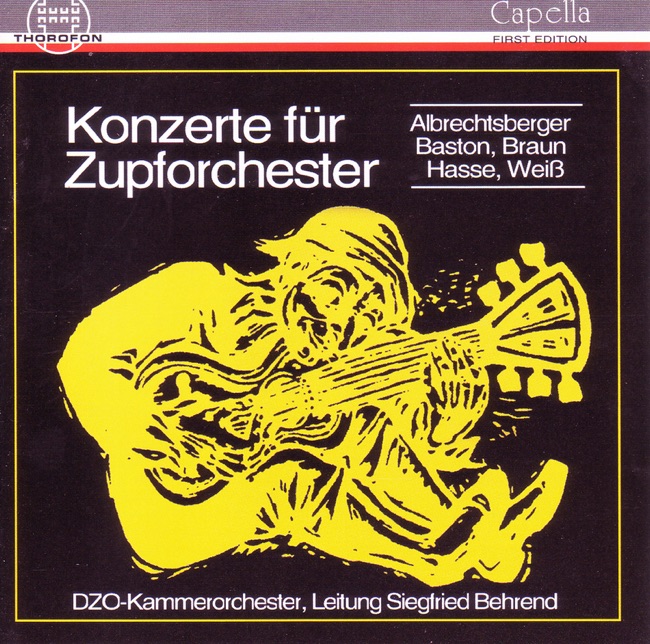 November 15, 2008
Chamber
-
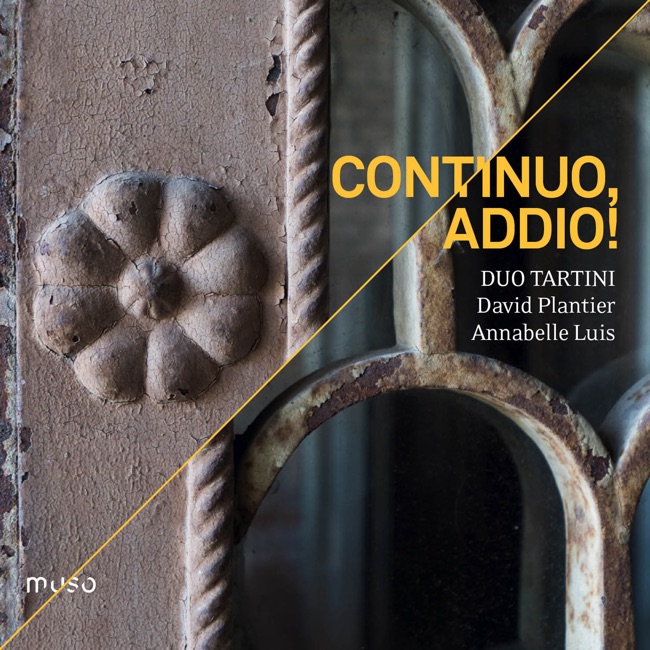 September 13, 2019
 -
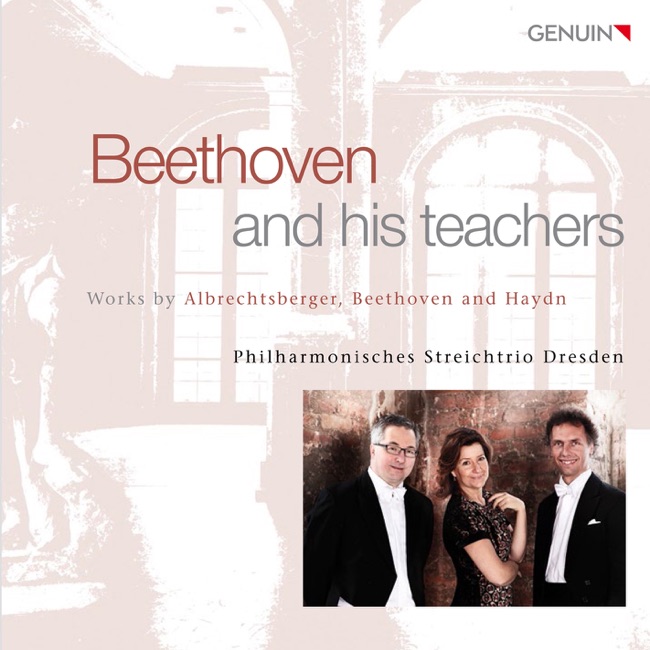 February 25, 2014
 -
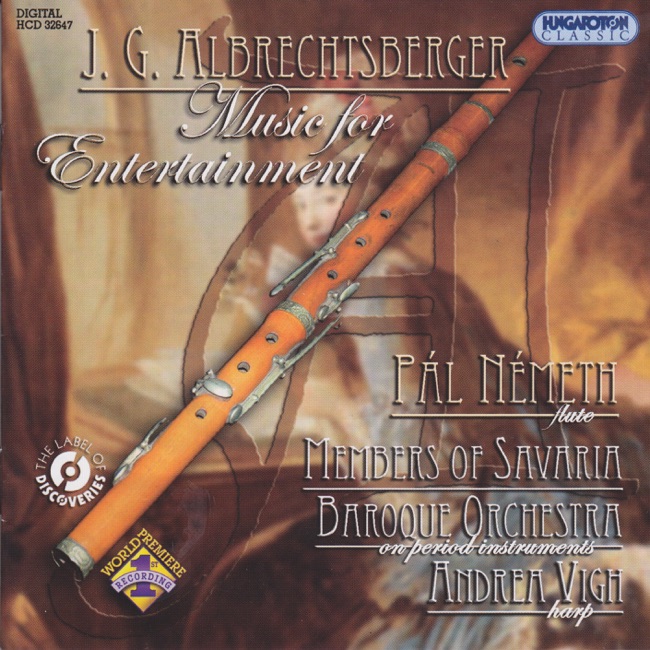 October 28, 2010
 -
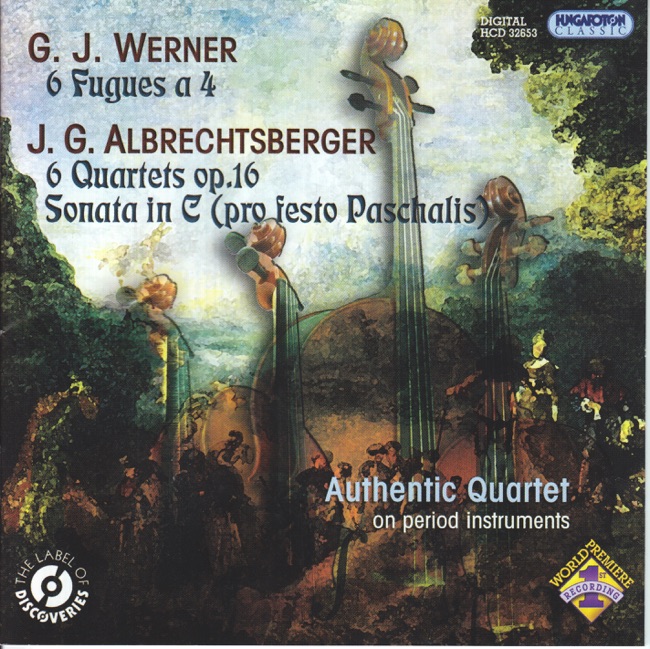
-
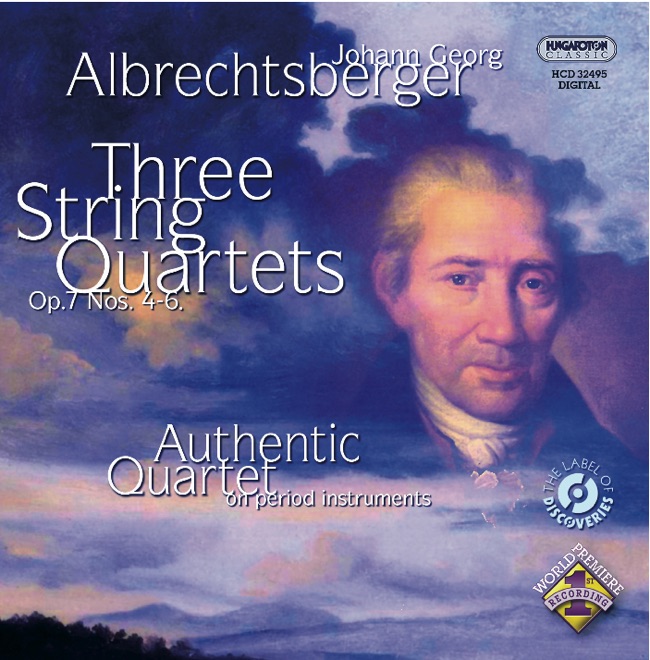 January 22, 2008
 -
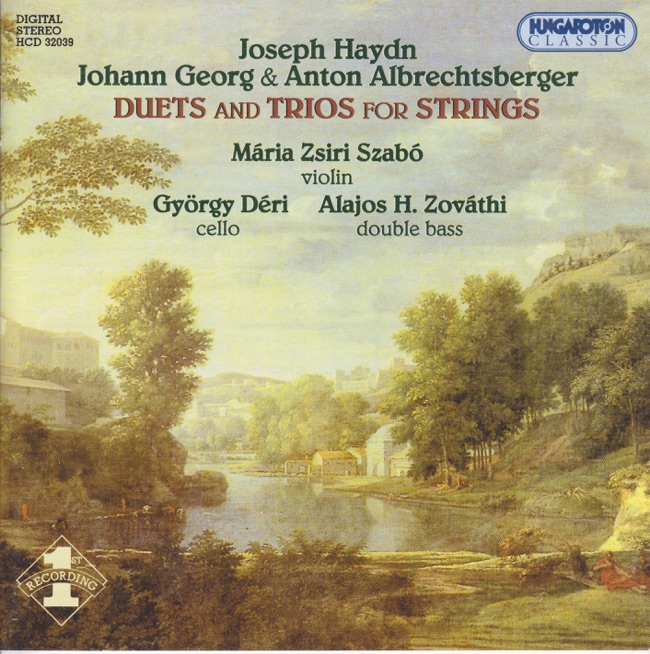 September 24, 2002
Keyboard
-
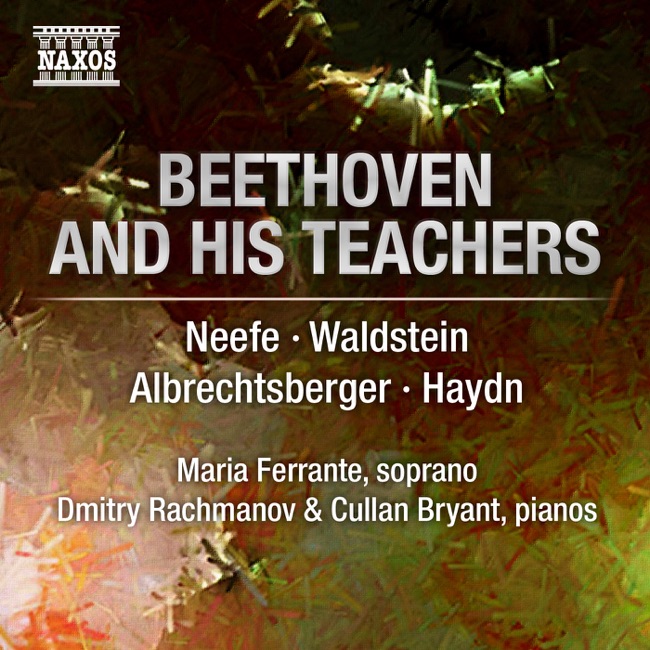 March 29, 2011
 -
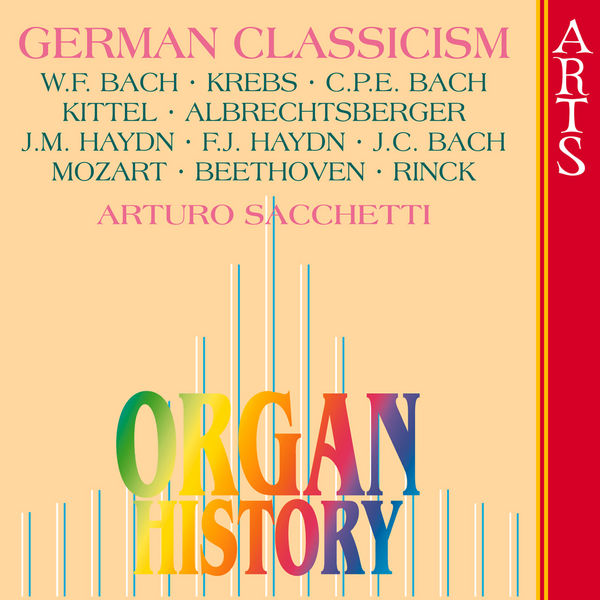 August 1, 1996
 -
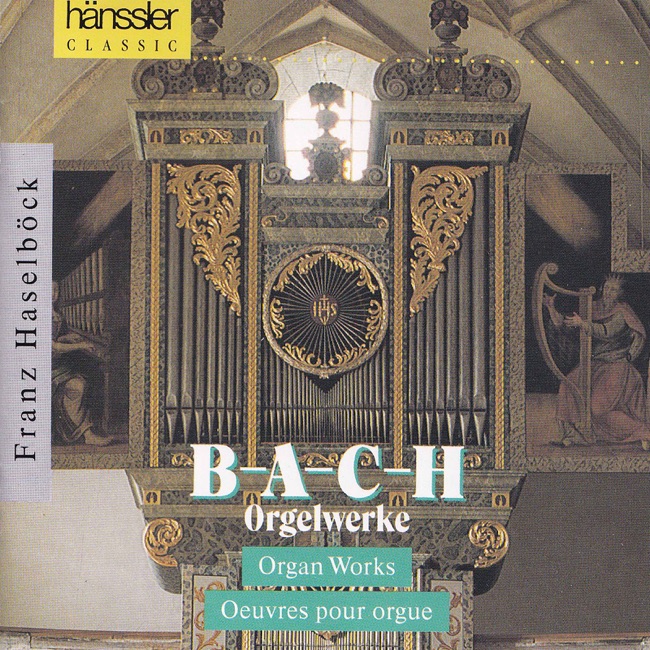 June 25, 1996
 -
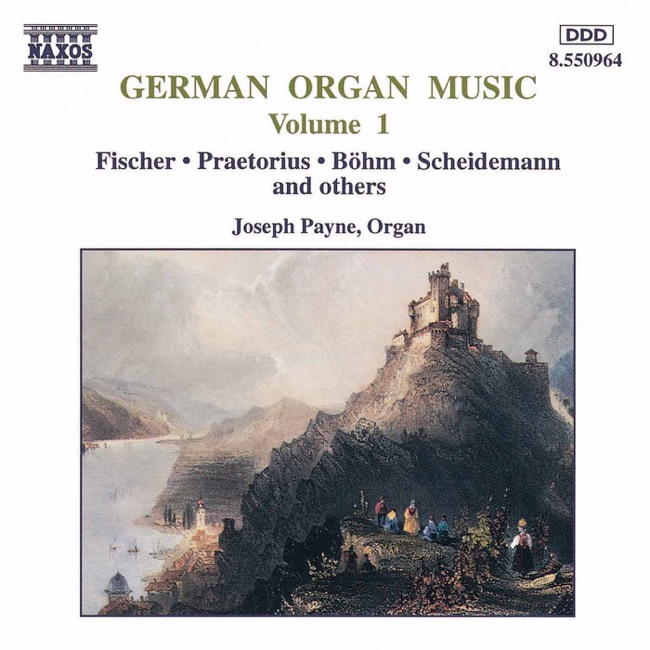 November 29, 1994
Artist Info
Role:ComposerCountry: GermanyBirth:February 3, 1736 in Klosterneuburg, AustriaDeath:March 7, 1809 in Vienna, AustriaPeriod:ClassicalGenre:ChamberConcertoKeyboardJohann Georg Albrechtsberger was a prominent Austrian composer and music theorist of the Classical era. He was born on February 3, 1736, in Klosterneuburg, a small town near Vienna. His father was a schoolteacher and organist, and he began teaching Johann Georg music at a young age. Johann Georg showed great talent and quickly became proficient in playing the organ, violin, and viola. In 1755, Albrechtsberger moved to Vienna to study music at the St. Stephen's Cathedral. He studied under the renowned composer Johann Joseph Fux, who was a leading figure in the development of counterpoint. Albrechtsberger quickly became one of Fux's most talented students and was appointed as his assistant in 1760. Albrechtsberger's career as a composer began in the 1760s. He wrote a number of works for the church, including masses, motets, and hymns. He also wrote instrumental music, including symphonies, string quartets, and sonatas. His music was highly regarded by his contemporaries, and he was considered one of the leading composers of his time. In addition to his work as a composer, Albrechtsberger was also a respected music theorist. He wrote several treatises on music theory, including "Gründliche Anweisung zur Composition" (Fundamental Instructions in Composition), which was published in 1790. This treatise was highly influential and was used as a textbook in music schools throughout Europe. Albrechtsberger's most famous pupil was Ludwig van Beethoven. Beethoven studied with Albrechtsberger in Vienna in the 1790s and learned counterpoint and composition from him. Albrechtsberger was impressed with Beethoven's talent and predicted that he would become one of the greatest composers of all time. Albrechtsberger's music is characterized by its clarity, elegance, and formal structure. He was a master of counterpoint and wrote music that was highly contrapuntal. His music was also notable for its use of chromaticism and modulation, which were innovative techniques at the time. One of Albrechtsberger's most famous works is his Concerto for Jew's Harp, Mandora, and Orchestra. This unusual work features the Jew's harp, a small instrument that is played by vibrating a metal or bamboo tongue. The mandora is a type of lute that was popular in the 18th century. The concerto is a virtuosic showcase for both instruments and is notable for its use of folk melodies. Another famous work by Albrechtsberger is his Mass in F Major. This work is a beautiful example of Albrechtsberger's skill as a composer of sacred music. It features a richly textured choral sound and is notable for its use of counterpoint and modulation. Albrechtsberger's String Quartet in D Major is another notable work. This piece is a beautiful example of Albrechtsberger's skill as a composer of chamber music. It features a lively and energetic first movement, a beautiful slow movement, and a lively and playful finale. Albrechtsberger died on March 7, 1809, in Vienna. He was a highly respected composer and music theorist and left a lasting legacy in the world of classical music. His music continues to be performed and studied today, and his influence can be heard in the works of many later composers.More....
Recent Artist Music
4

5:5
7
3:32
15
2:37

Copyright Ⓒ 2013 Davinci Finger. All rights reseved
Service Terms & Policy