


Franz Joseph Haydn
Released Album
Symphony
-
 September 30, 2024
 -
 September 23, 2024
 -
 September 23, 2024
 -
 September 16, 2024
 -
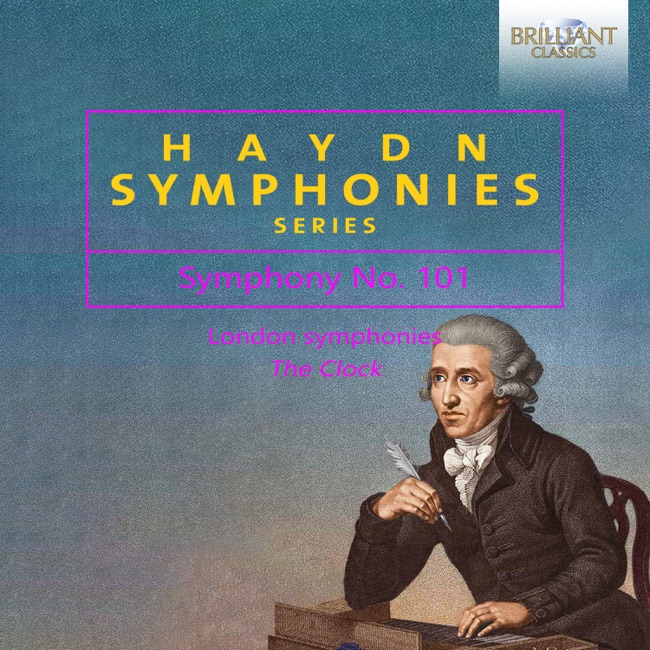 September 9, 2024
 -
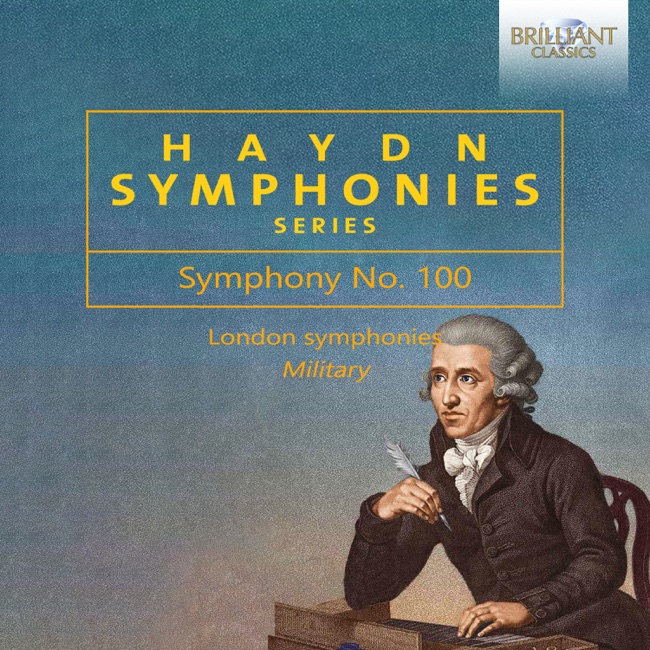 September 2, 2024
Chamber
-
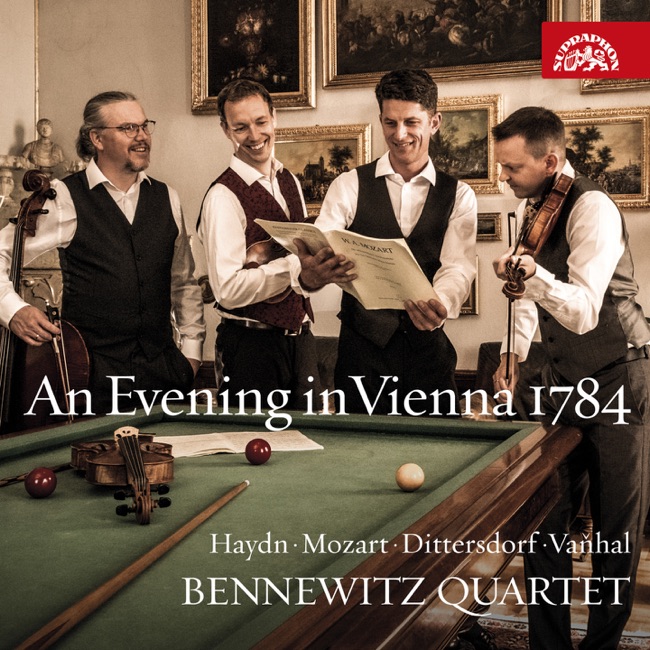 November 1, 2024
 -
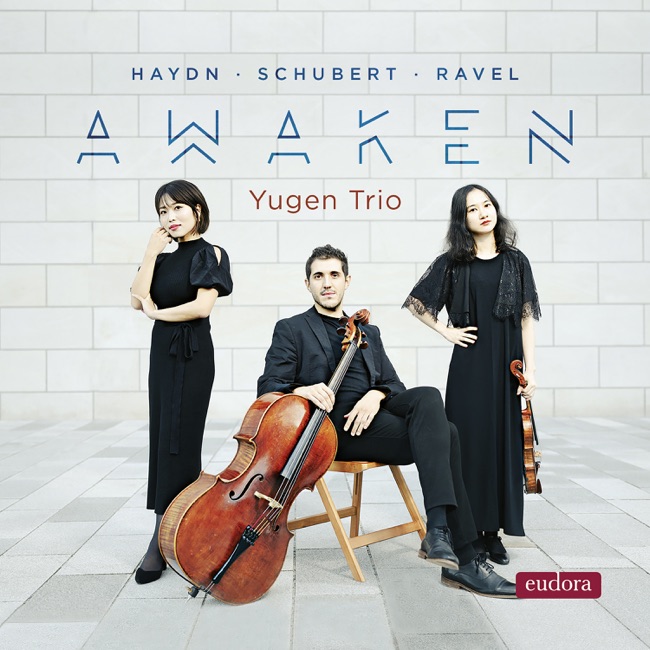 June 28, 2024
 -
 June 14, 2024
 -
-
 April 12, 2024
 -
Keyboard
-
-
 September 29, 2024
 -
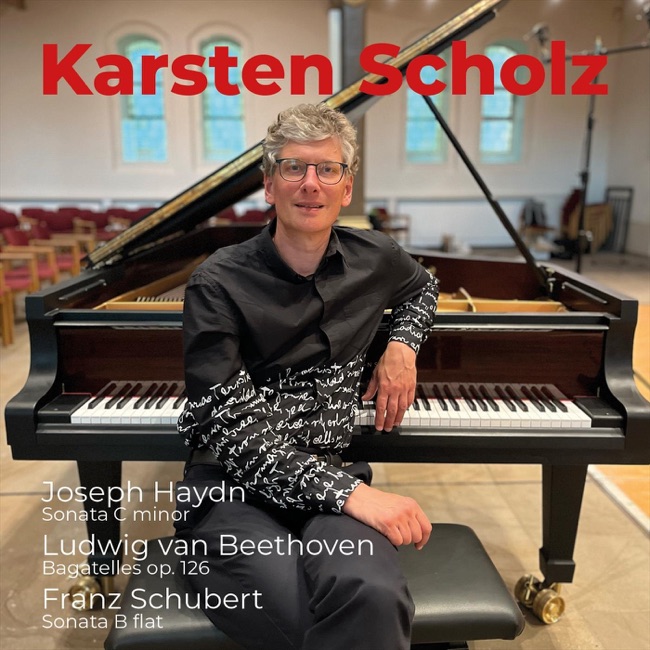 September 24, 2024
 -
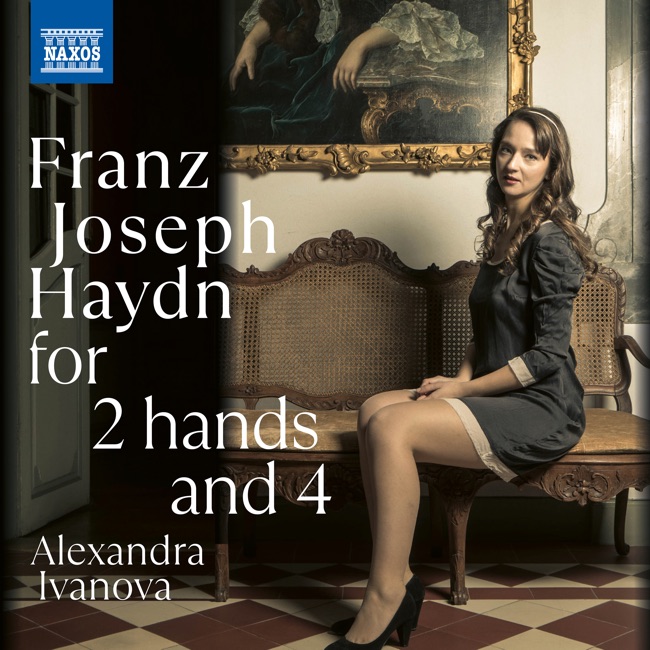 September 13, 2024
 -
 September 13, 2024
 -
 September 12, 2024
Concerto
-
 September 6, 2024
 -
 June 21, 2024
 -
-
-
 November 28, 2023
 -
 November 17, 2023
Artist Info
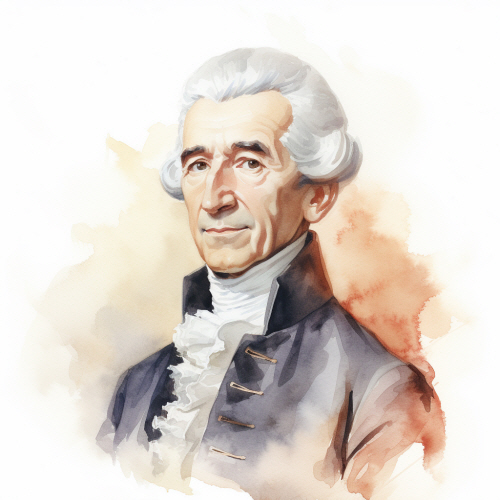
Role:ComposerCountry: GermanyBirth:March 31, 1732 in Rohrau, AustriaDeath:May 31, 1809 in Vienna, AustriaPeriod:ClassicalGenre:ChamberConcertoKeyboardSymphonyFranz Joseph Haydn was a prominent composer of the Classical era, known for his contributions to the development of the symphony, string quartet, and piano sonata. Born in Rohrau, Austria in 1732, Haydn was the second of twelve children in a musical family. His father, Mathias Haydn, was a wheelwright and amateur musician, and his mother, Maria Koller, was a cook and housekeeper. Haydn showed an early aptitude for music, and at the age of six, he was sent to live with his uncle, Johann Matthias Frankh, who was a schoolmaster and musician in Hainburg. Under his uncle's tutelage, Haydn received a thorough education in music theory, composition, and performance. He also sang in the choir at St. Stephen's Cathedral in Vienna, where he was exposed to the works of prominent composers such as Johann Sebastian Bach and George Frideric Handel. In 1749, Haydn left his uncle's home and began working as a freelance musician in Vienna. He played the violin and keyboard in various orchestras and ensembles, and also composed music for private patrons. In 1759, he was appointed as the Kapellmeister, or music director, for the Esterházy family, one of the wealthiest and most influential noble families in Austria. Haydn would remain in their employ for the next thirty years, composing music for their private concerts and public performances. During his time with the Esterházys, Haydn composed some of his most famous works, including the "Paris" and "London" symphonies, the "Emperor" quartet, and the oratorios "The Creation" and "The Seasons." He also developed the string quartet into a sophisticated and expressive genre, with works such as the "Sun" quartets and the "Seven Last Words of Christ." Haydn's music was characterized by its clarity, elegance, and wit. He was a master of musical form, and his works often featured unexpected twists and turns that kept audiences engaged and entertained. He also had a gift for melody, and many of his themes are still recognizable today, such as the opening theme of his "Surprise" symphony. In addition to his work as a composer, Haydn was also a respected teacher and mentor. He taught composition to several notable students, including Ludwig van Beethoven and Johann Nepomuk Hummel. He also maintained a close friendship with Wolfgang Amadeus Mozart, and the two composers exchanged ideas and musical manuscripts throughout their careers. Haydn's influence on the development of classical music cannot be overstated. His innovations in form, harmony, and orchestration paved the way for later composers such as Mozart and Beethoven. He also helped to establish the symphony and string quartet as important genres in their own right, rather than simply as accompaniments to vocal music. Haydn died in Vienna in 1809, at the age of 77. He was mourned by his colleagues and admirers, and his music continued to be performed and celebrated in the years that followed. Today, he is remembered as one of the greatest composers of the Classical era, and his works remain popular and influential in the world of classical music.More....
Recent Artist Music
1
6:1
5
Symphony No. 94 in G major, H. 1/94 "Surprise"/"The Drumstroke"/"Mit dem Paukenschlag"
IV. Finale. Allegro di Molto
3:56
7
4:32


14
8:53
Works Highlight
Recommend Playlist

















Related Artists
Copyright Ⓒ 2013 Davinci Finger. All rights reseved
Service Terms & Policy