


Franz Joseph Haydn
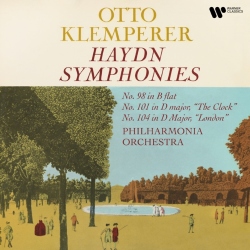
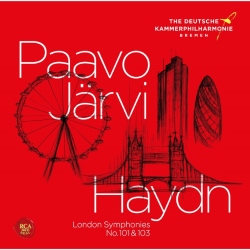
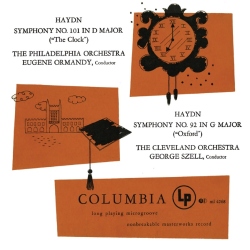
Symphony No. 101 in D major, H. 1/101 "Clock"
Released Album
Recent Album
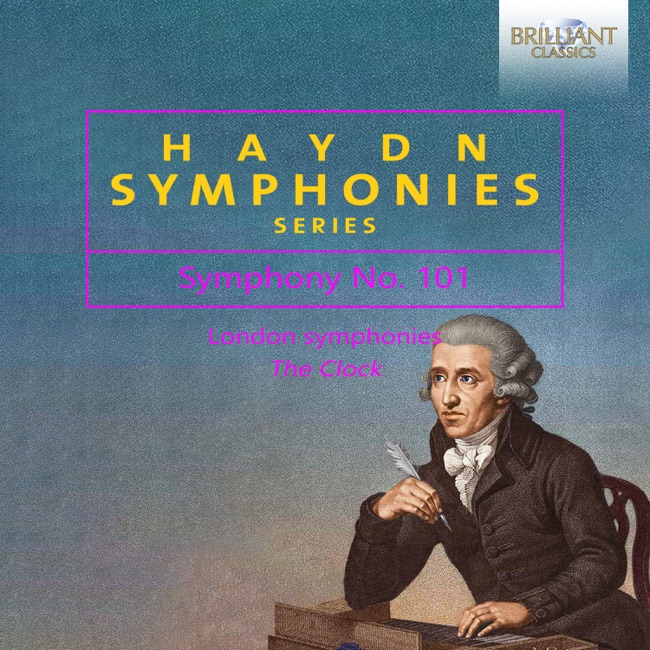
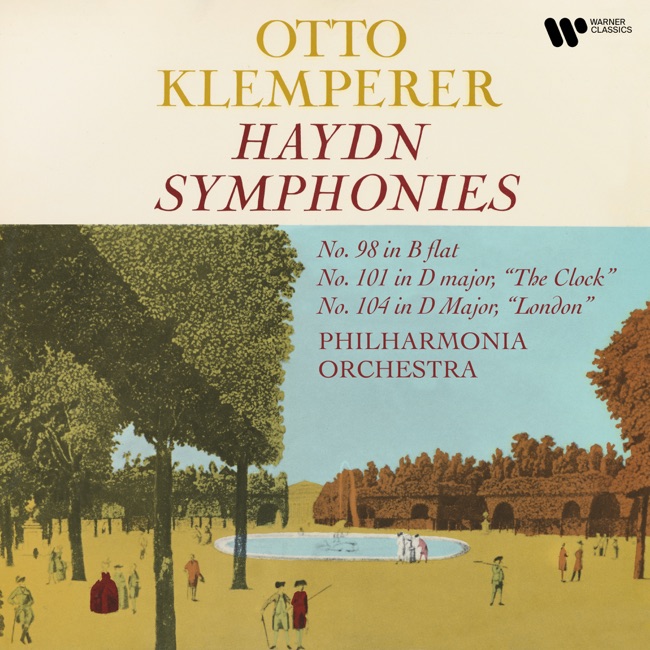
Featured Album

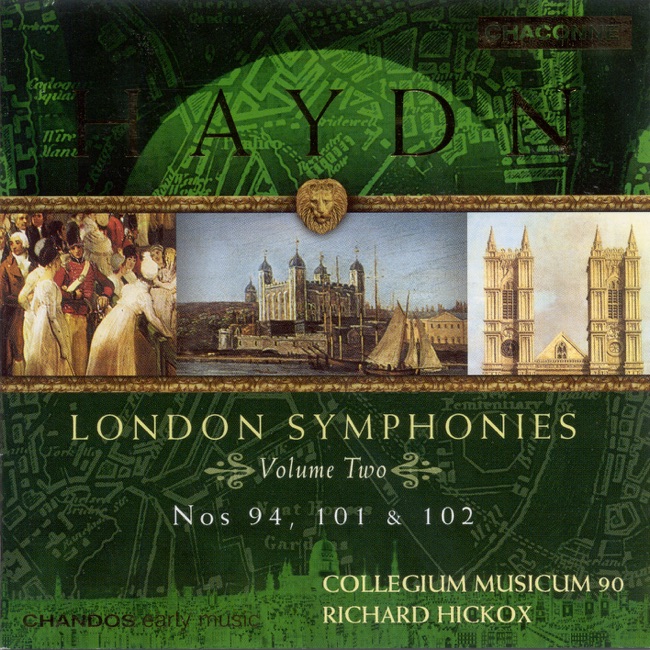
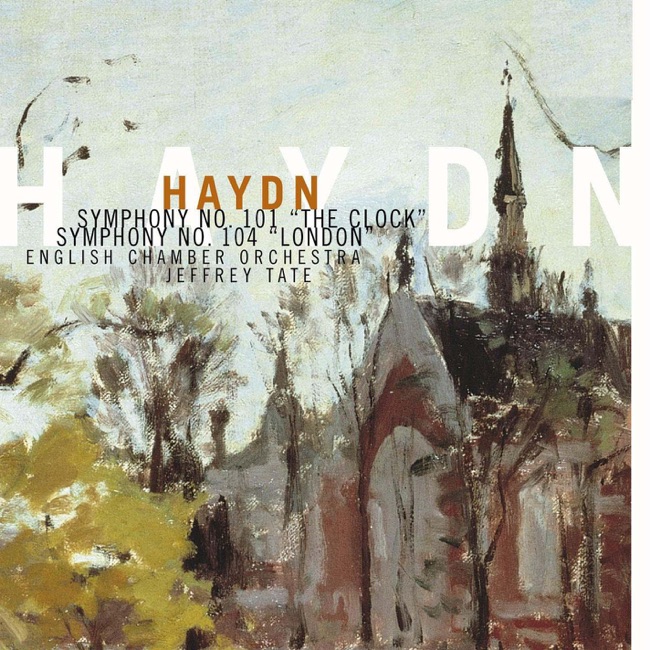
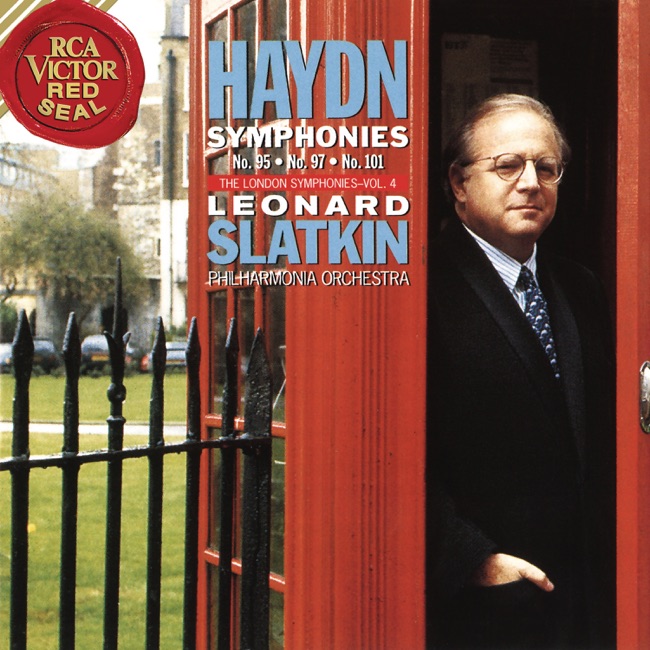
Works Info
Composer:Franz Joseph HaydnGenre:SymphonyStyle:SymphonyCompose Date:1793 - 1794Average_duration:28:07Movement_count:4Movement ....Franz Joseph Haydn's Symphony No. 101 in D major, also known as the "Clock" Symphony, was composed in 1793-1794 during his second trip to London. It premiered on March 3, 1794, at the Hanover Square Rooms in London, with Haydn conducting. The symphony is divided into four movements. The first movement, marked Adagio - Presto, begins with a slow introduction featuring a ticking rhythm in the second violins and cellos, which gives the symphony its nickname. The main section of the movement is a lively sonata form with a memorable theme played by the strings. The second movement, marked Andante, is a set of variations on a theme that Haydn had previously used in a song. The variations showcase different instruments and textures, including a solo for the second violin and a duet for the flute and bassoon. The third movement, marked Menuetto - Trio, is a traditional minuet and trio. The minuet is stately and elegant, while the trio features a rustic melody played by the horns. The final movement, marked Finale: Vivace, is a lively rondo with a catchy main theme played by the strings. The movement features several episodes, including a section with a fugato for the strings and a section with a solo for the flute. The "Clock" Symphony is known for its use of unusual rhythmic patterns and instrumental effects, such as the ticking rhythm in the first movement and the use of the horns in the third movement. It also showcases Haydn's mastery of form and his ability to create memorable melodies and themes. The symphony was well-received at its premiere and has remained a popular work in the classical repertoire.More....
Works Music
Released Music
1
8:17
2
8:35
3
8:32
4
7:40
6
4:54
9
9:48
Featured Music
2
6:43
6
7:33
10

7:29


Main Perform Artists