


Franz Joseph Haydn
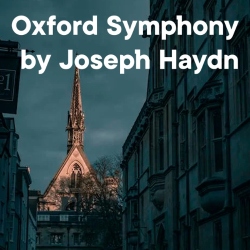
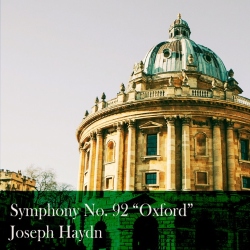
Symphony No. 92 in G major, H. 1/92 "Oxford"/"Letter Q"
Released Album
Recent Album
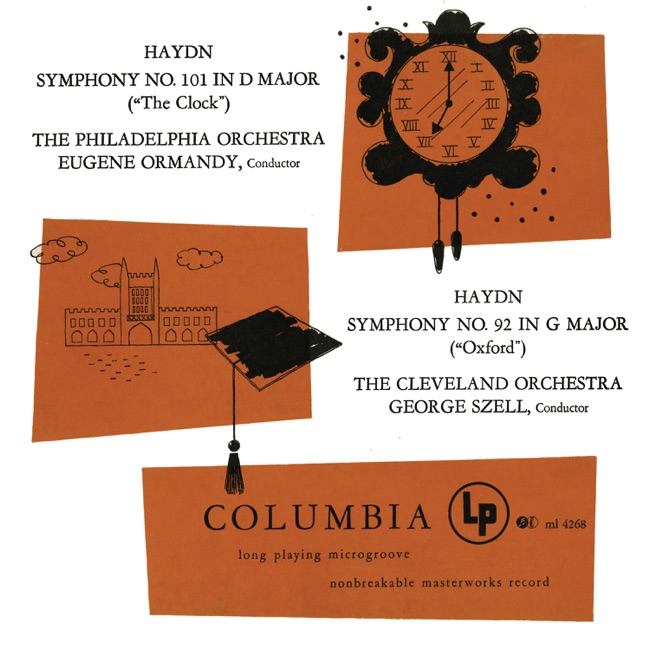
Featured Album
Works Info
Composer:Franz Joseph HaydnGenre:SymphonyStyle:SymphonyCompose Date:1789Average_duration:25:52Movement_count:4Movement ....Franz Joseph Haydn's Symphony No. 92 in G major, also known as the Oxford Symphony or Letter Q, was composed in 1789. It was premiered in London on March 10, 1791, during Haydn's second visit to England. The symphony is in four movements and is approximately 25 minutes in length. The first movement, marked Adagio - Allegro spiritoso, begins with a slow introduction featuring a rising melody in the strings. The main Allegro section is characterized by a lively and energetic theme in the strings, which is then passed to the woodwinds. The movement features Haydn's signature use of humor and surprise, with unexpected pauses and sudden changes in dynamics. The second movement, marked Adagio cantabile, is a lyrical and expressive theme and variations. The theme is introduced by the strings and then passed to the woodwinds. The variations feature different instrumental combinations and textures, including a solo for the cello and a duet for the oboe and bassoon. The third movement, marked Menuetto - Allegretto, is a traditional minuet and trio. The minuet features a playful and dance-like theme in the strings, while the trio section is more lyrical and features a solo for the oboe. The final movement, marked Presto, is a lively and energetic rondo. The main theme is introduced by the strings and then passed to the woodwinds. The movement features virtuosic passages for the solo violin and a playful dialogue between the different sections of the orchestra. Overall, Symphony No. 92 is a prime example of Haydn's mature style, characterized by his use of humor, surprise, and inventive orchestration. The symphony's nickname, Oxford, comes from a story that Haydn conducted the work at the University of Oxford during his visit to England. The nickname Letter Q comes from an early edition of the score, which used the letter Q instead of the number 92.More....
Works Music
Released Music
5
7:55
6
5:54
10
6:2
Featured Music
2
6:49
4
7:32
8
6:5
10
5:56
11
Symphony No. 92 in G major, H. 1/92 "Oxford"/"Letter Q"
Menuetto. Allegretto - Trio - Menuetto Da Capo
4:31
12
5:48


Main Perform Artists