Hector Berlioz
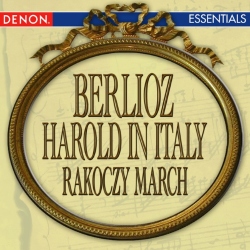
Marche de Rákóczy, H. 109
Released Album
Recent Album
-
-
-
-

-
 Various ArtistsOctober 26, 2010
 -

-
-

-
-
-

-

Featured Album

Works Info
Composer:Hector BerliozGenre:OrchestralStyle:MarchCompose Date:Feb 1846Average_duration:4:22Marche de Rákóczy, H. 109 is a composition by the French composer Hector Berlioz. It was composed in 1846 and premiered on December 12 of the same year at the Salle Herz in Paris. The piece is part of Berlioz's larger work, La Damnation de Faust, which is a dramatic cantata based on the Faust legend. The Marche de Rákóczy is the fourth movement of La Damnation de Faust and is named after the Hungarian nobleman and revolutionary leader, Francis II Rákóczi. The movement is a lively and energetic march that features a prominent use of brass instruments, particularly the trumpet and trombone. The piece begins with a fanfare-like introduction played by the brass section, which is then joined by the rest of the orchestra. The main theme of the march is introduced by the strings and is characterized by its rhythmic drive and use of syncopation. The melody is then passed around the different sections of the orchestra, with the brass taking the lead in the more triumphant sections. The middle section of the march features a slower, more lyrical melody played by the woodwinds and strings. This section provides a contrast to the energetic opening and allows for a moment of reflection before the march resumes its lively pace. The Marche de Rákóczy is a prime example of Berlioz's skill in orchestration and his ability to create vivid musical images. The use of brass instruments gives the piece a regal and triumphant quality, while the syncopated rhythms and use of folk melodies add a sense of energy and excitement. Overall, the Marche de Rákóczy is a dynamic and engaging piece of music that showcases Berlioz's mastery of orchestration and his ability to create memorable melodies.More....
Works Music
Released Music




Featured Music