


Arthur H. Brown
Released Album
Choral
-
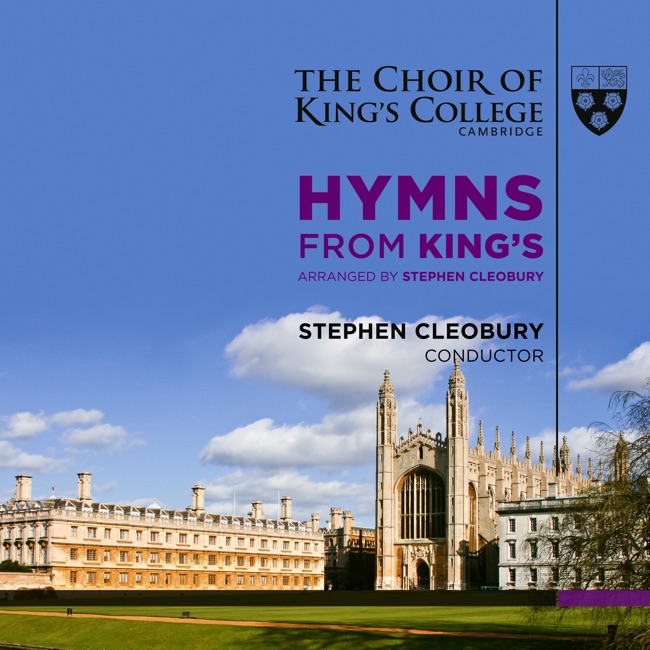 June 10, 2016
 -
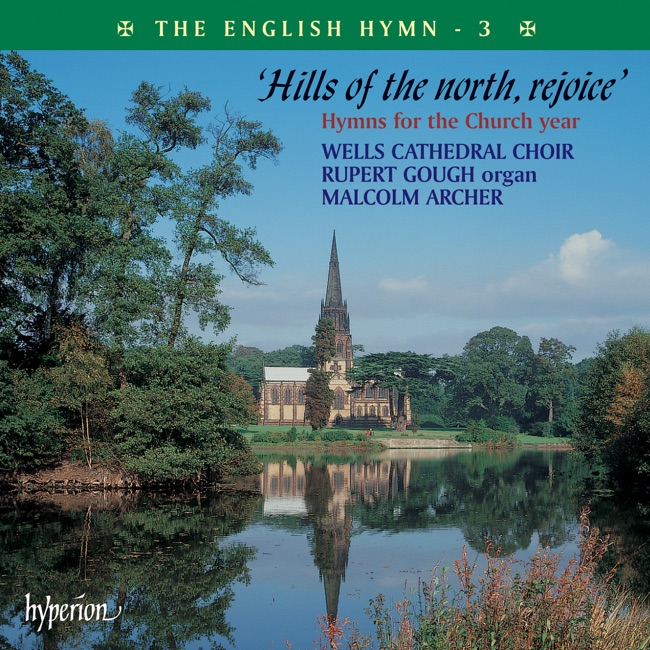 October 8, 2002
Artist Info
Role:ComposerBirth:1830Death:1926Genre:ChoralArthur H. Brown was a classical music composer who was born on May 3, 1881, in London, England. He was the son of a music teacher and grew up in a musical family. His father taught him to play the piano and violin, and he showed a natural talent for music from a young age. Brown studied music at the Royal Academy of Music in London, where he excelled in composition. He was awarded several prizes for his work, including the prestigious Charles Lucas Prize for Composition in 1903. After completing his studies, Brown worked as a music teacher and composer, and his music was performed in concerts throughout England. One of Brown's early works was his String Quartet No. 1, which he composed in 1905. The piece was well-received and helped establish Brown as a promising young composer. He continued to compose chamber music throughout his career, including several string quartets and piano trios. In 1910, Brown was commissioned to write a piece for the Leeds Festival, one of the most important music festivals in England. He composed his Symphony No. 1, which was premiered at the festival to great acclaim. The symphony was praised for its lush orchestration and emotional depth, and it helped establish Brown as a major figure in British classical music. During World War I, Brown served in the British Army as a musician. He played the violin in military bands and also composed music for the troops. One of his most famous works from this period was his March for the British Grenadiers, which became a popular patriotic song. After the war, Brown continued to compose music and teach at the Royal Academy of Music. He also became involved in the British music scene, serving as a judge for several music competitions and writing articles for music journals. One of Brown's most famous works is his Piano Concerto, which he composed in 1926. The concerto is a virtuosic showcase for the soloist, with fast runs and intricate passages that require great technical skill. The piece was premiered by the pianist Myra Hess, who became one of Brown's closest collaborators. Brown also composed several choral works, including his Requiem, which he wrote in memory of his father. The piece is a powerful meditation on death and mourning, with lush harmonies and soaring melodies. It has become one of Brown's most beloved works and is still performed in concerts today. In addition to his classical compositions, Brown also wrote music for films and radio. He was one of the first composers to work in these mediums, and his music helped establish the sound of British cinema and radio in the early 20th century. Brown continued to compose music until his death in 1953. His legacy as a composer and teacher has had a lasting impact on British classical music, and his works continue to be performed and recorded by musicians around the world.More....
Recent Artist Music
2
3:13
4
1:53
Copyright Ⓒ 2013 Davinci Finger. All rights reseved
Service Terms & Policy