Charles Villiers Stanford
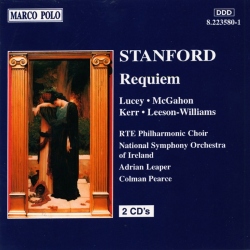
Requiem, Op. 63
Released Album
Recent Album
Featured Album
Works Info
Composer:Charles Villiers StanfordGenre:ChoralStyle:RequiemCompose Date:1897Average_duration:80:43Movement_count:7Movement ....Charles Villiers Stanford's Requiem, Op. 63, was composed in 1897 and premiered on April 13, 1897, at the Birmingham Festival. The Requiem is divided into seven movements, each with its own unique characteristics. The first movement, "Requiem Aeternam," begins with a somber and mournful choral introduction, followed by a solo soprano singing the opening text. The movement is characterized by its use of chromaticism and dissonance, which create a sense of tension and unease. The second movement, "Dies Irae," is a dramatic and powerful setting of the famous Latin text. The movement features a driving rhythm and intense choral passages, punctuated by moments of quiet reflection. The third movement, "Requiem Aeternam II," is a reprise of the opening movement, but with a more subdued and peaceful character. The movement features a beautiful solo for the alto voice, accompanied by a gentle choir. The fourth movement, "Offertorium," is a solo for the baritone voice, accompanied by a choir. The movement is characterized by its lyrical melody and expressive harmonies. The fifth movement, "Sanctus," is a joyful and celebratory setting of the text. The movement features a bright and lively choir, with a soaring soprano solo. The sixth movement, "Agnus Dei," is a hauntingly beautiful setting of the text. The movement features a solo for the mezzo-soprano voice, accompanied by a choir. The movement is characterized by its use of modal harmonies and a sense of longing and yearning. The final movement, "Lux Aeterna," is a triumphant and uplifting setting of the text. The movement features a majestic choir, with a soaring soprano solo. The movement is characterized by its use of brass and percussion, which create a sense of grandeur and majesty. Overall, Stanford's Requiem, Op. 63, is a powerful and moving work, characterized by its expressive harmonies, dramatic choral passages, and moments of quiet reflection. It remains a beloved work in the choral repertoire to this day.More....
Works Music
Released Music
Featured Music