


Alan Hovhaness
Released Album
Chamber
-
 May 15, 2020
 -
 January 3, 2020
 -
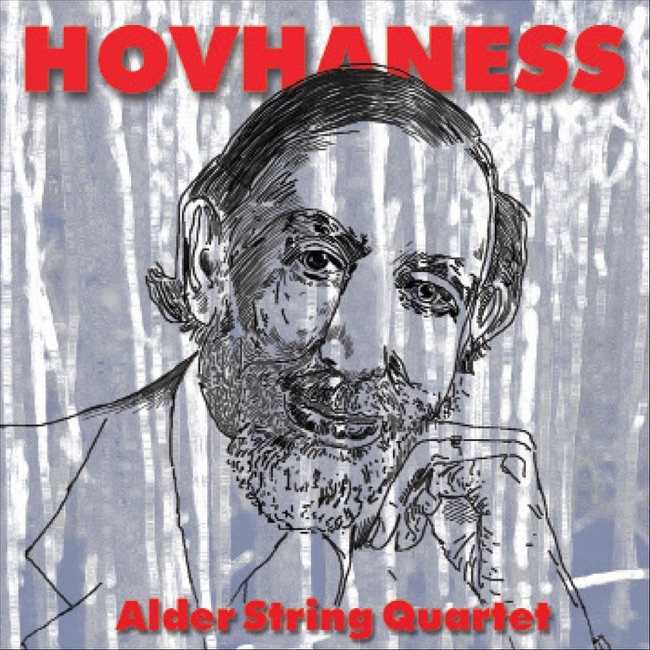 November 7, 2019
 -
 October 5, 2018
 -
 August 3, 2018
 -
 August 9, 2016
Concerto
-
 June 24, 2008
 -

-
 July 10, 2007
Symphony
-
 February 10, 2015
 -

-
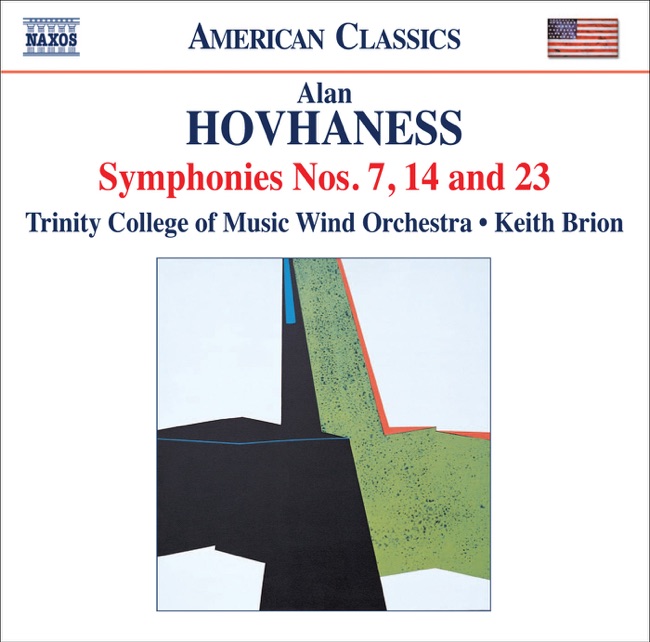 May 25, 2010
 -
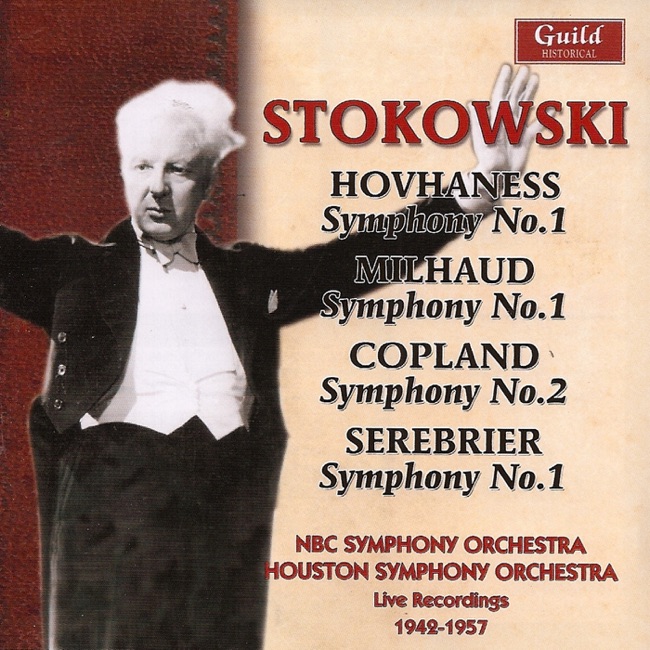 January 12, 2010
 -
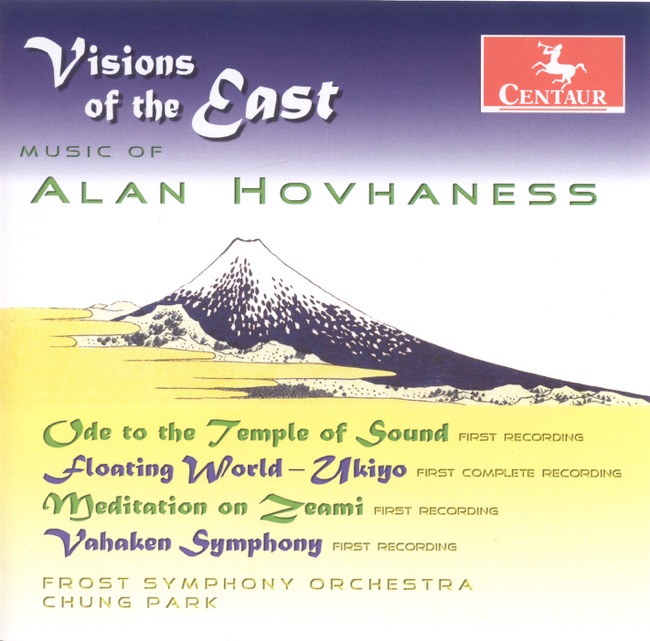 January 27, 2009
 -

Orchestral
-

-
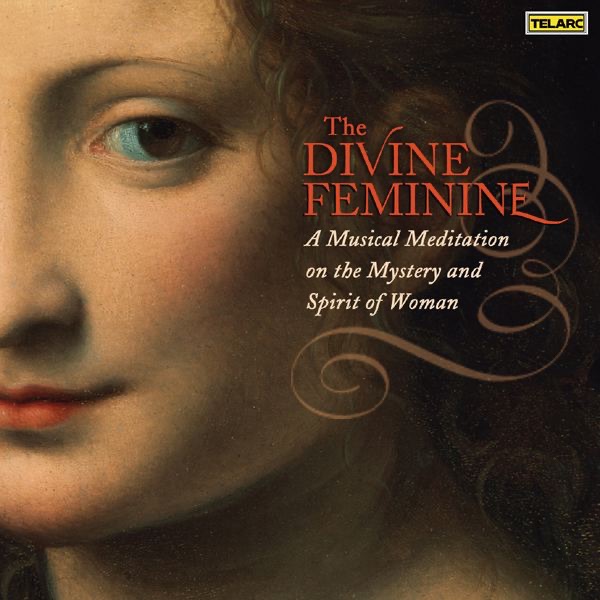 October 24, 2006
 -
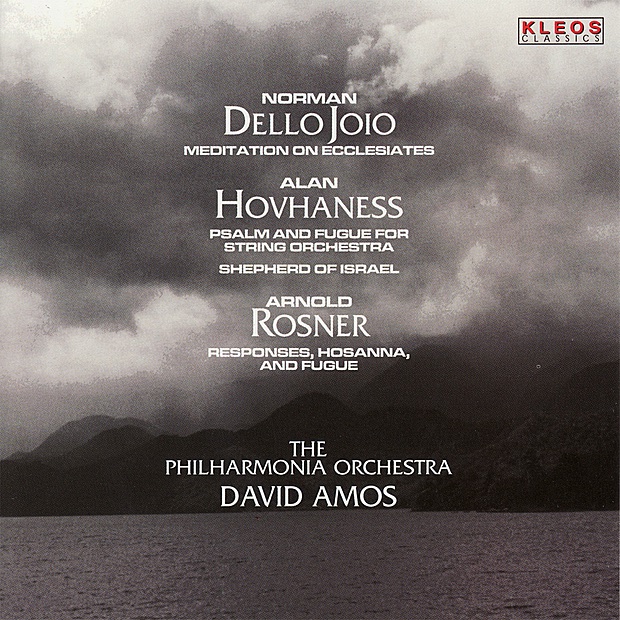 June 11, 2002
 -
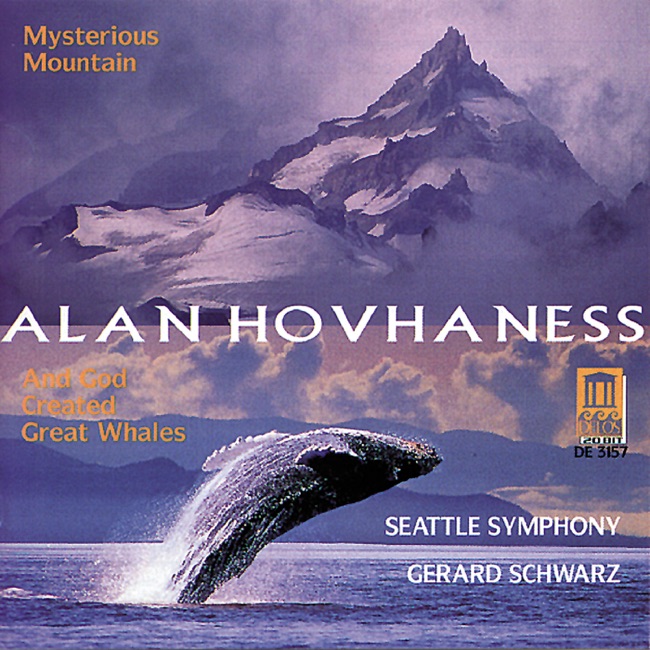 April 12, 1994
Artist Info
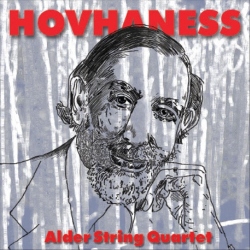
Role:Composer ConductorCountry: United States of AmericaBirth:March 8, 1911 in Somerville, MADeath:June 21, 2000 in Seattle, WAPeriod:ContemporaryModernGenre:ChamberConcertoKeyboardOrchestralSymphonyAlan Hovhaness was an American composer of Armenian descent, born on March 8, 1911, in Somerville, Massachusetts. He was the son of an Armenian father and a Scottish mother. Hovhaness grew up in a musical family, and his father was a composer and conductor. He began studying music at a young age and showed a natural talent for composition. Hovhaness attended Tufts University and the New England Conservatory of Music, where he studied composition with Frederick Converse and Walter Piston. He also studied with the composer and ethnomusicologist, Joseph Yasser, who introduced him to the music of India and the Middle East, which would later influence his own compositions. Hovhaness' early works were influenced by the music of the European classical tradition, but he soon began to incorporate elements of Armenian, Indian, and Middle Eastern music into his compositions. His music was characterized by its use of modal scales, drones, and a sense of spirituality. One of Hovhaness' early works, "Lousadzak," was inspired by Armenian folk music and was premiered in 1944 by the Boston Symphony Orchestra. The piece was well-received and helped to establish Hovhaness as a composer to watch. In the 1950s, Hovhaness began to incorporate elements of Indian music into his compositions. He studied with the Indian musician, Gita Sarabhai, and traveled to India to study the music and culture. His interest in Indian music can be heard in works such as "Shalimar," "Hymn to Yerevan," and "Symphony No. 2, Mysterious Mountain." Hovhaness' music was often inspired by nature and the spiritual world. He was a devout Christian and often incorporated religious themes into his compositions. His "Symphony No. 1, Exile," was inspired by the story of Adam and Eve and their expulsion from the Garden of Eden. His "Symphony No. 4, The Gardens of Adonis," was inspired by the Greek myth of Adonis and his love for the goddess Aphrodite. Hovhaness' music was also influenced by his interest in astronomy and the cosmos. His "Symphony No. 19, Vishnu," was inspired by the Hindu god of the same name, who is associated with the creation and preservation of the universe. His "Symphony No. 50, Mount St. Helens," was inspired by the eruption of the volcano in 1980. Hovhaness' music was often performed by major orchestras and conductors, including the Boston Symphony Orchestra, the New York Philharmonic, and Leonard Bernstein. He was also a prolific composer, with over 500 works to his name, including symphonies, concertos, chamber music, and choral works. Despite his success as a composer, Hovhaness was often overlooked by the musical establishment. He was not considered part of the avant-garde movement of the 20th century and was criticized for his use of tonality and traditional forms. However, his music has continued to be performed and recorded, and he is now recognized as an important figure in American classical music. Alan Hovhaness died on June 21, 2000, in Seattle, Washington, at the age of 89. His legacy as a composer continues to inspire musicians and audiences around the world.More....
Recent Artist Music

2

4:34












Recommend Playlist


Related Artists
Copyright Ⓒ 2013 Davinci Finger. All rights reseved
Service Terms & Policy