


Komitas
Released Album
Vocal
-
 August 6, 2021
Miscellaneous
-
 May 4, 2010
 -
 August 15, 1995
Keyboard
-
 February 3, 2023
 -
 November 17, 2017
 -
 March 10, 2017
 -
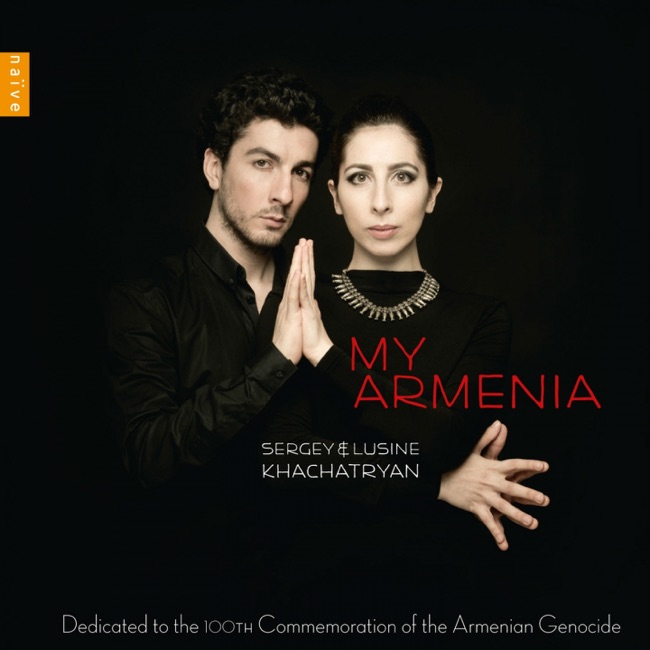 October 30, 2015
 -
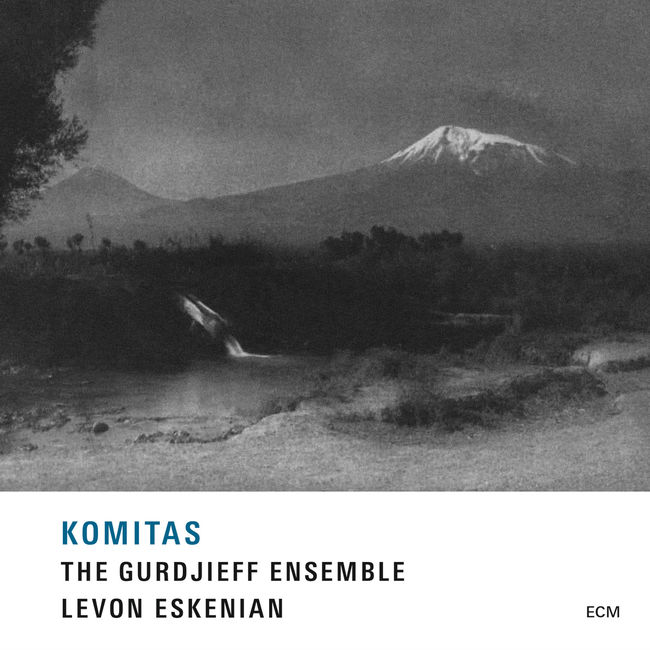 October 2, 2015
 -
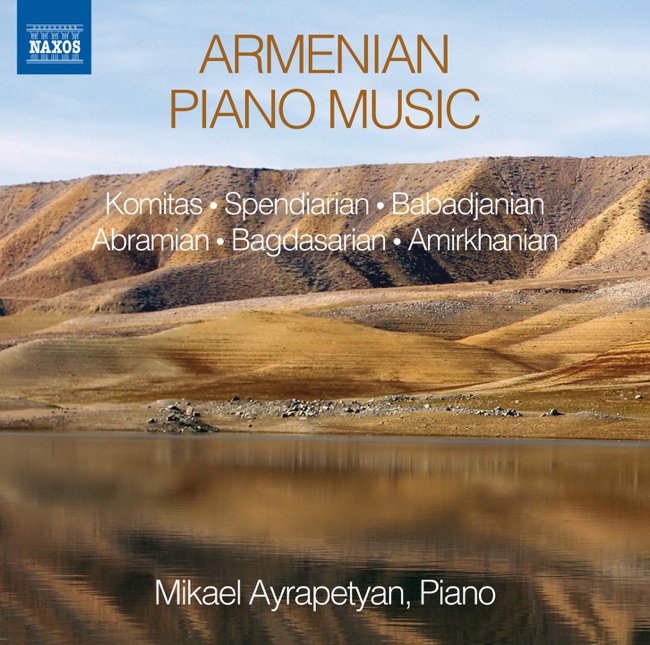 June 9, 2015
Orchestral
-
 April 2, 2021
 -
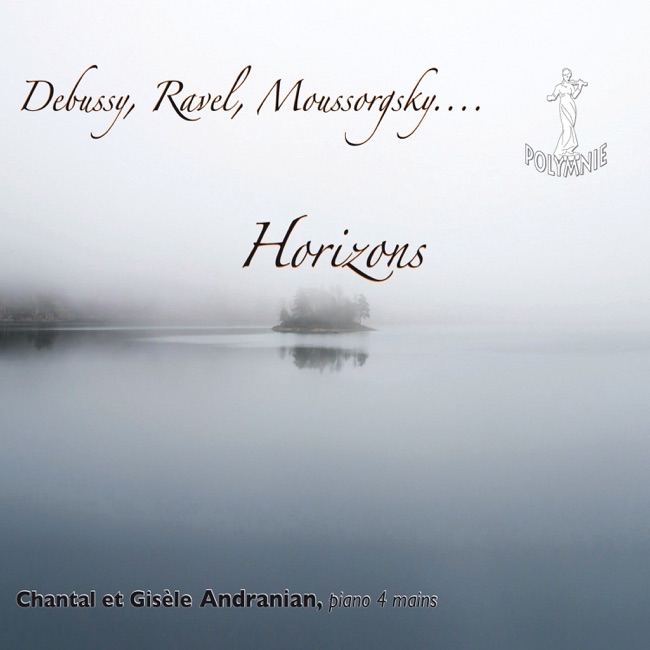 November 15, 2019
 -
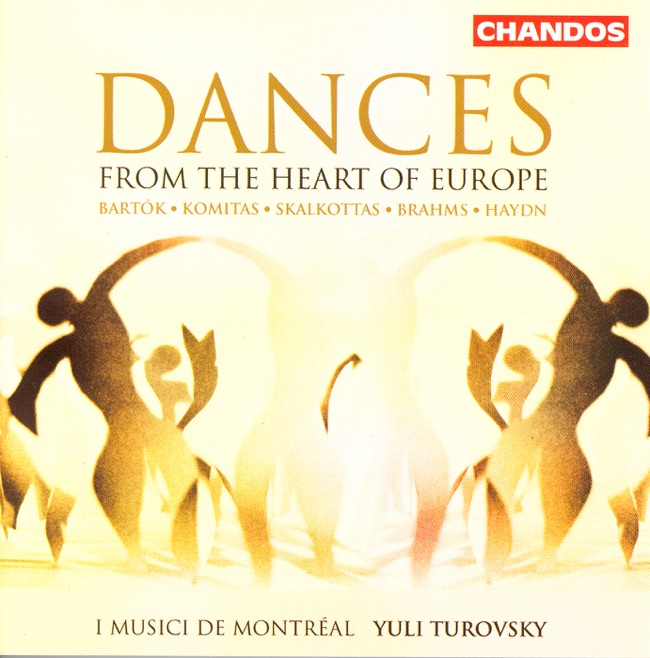 August 26, 2003
Artist Info
Role:ComposerCountry: ArmeniaBirth:October 8, 1869 in Kutina, TurkeyDeath:October 22, 1935 in Paris, FranceGenre:VocalKomitas Vardapet, born Soghomon Soghomonian, was a renowned Armenian composer, musicologist, and priest. He was born on September 26, 1869, in Kütahya, Ottoman Empire, to a family of Armenian descent. His father, Gevorg Soghomonian, was a shoemaker, and his mother, Takouhi, was a homemaker. Komitas was the youngest of eight children. Komitas showed an interest in music at a young age and began singing in the local church choir. He moved to Constantinople in 1881 to attend the Tarkmanchats School, where he studied Armenian literature, history, and music. He continued his music education at the Gevorgian Seminary in Echmiadzin, where he studied under the tutelage of Makar Yekmalyan, a prominent Armenian composer. In 1895, Komitas was ordained as a priest and became a vardapet, a title given to Armenian priests who have excelled in music. He continued his music education in Europe, studying at the Berlin Conservatory and the École des Arts et Métiers in Paris. He also traveled extensively throughout Europe, studying the music of different cultures and collecting folk songs. Komitas returned to Armenia in 1899 and began teaching music at the Nersisyan School in Tiflis (now Tbilisi, Georgia). He also founded the Armenian Choir of Tiflis, which became known for its performances of Armenian folk songs. In 1902, he moved to Constantinople and founded the Armenian Choir of Constantinople, which also gained a reputation for its performances of Armenian music. Komitas is best known for his work in collecting and preserving Armenian folk songs. He traveled throughout Armenia and the surrounding regions, collecting songs from villagers and recording them in musical notation. He published several collections of Armenian folk songs, including "Armenian Folk Songs" (1896), "Sixty Armenian Folk Songs" (1913), and "One Hundred Armenian Folk Songs" (1916). Komitas also composed his own music, which was heavily influenced by Armenian folk music. His compositions include choral works, songs, and instrumental pieces. Some of his most famous works include "Krunk" (The Crane), "Shogher Jan" (Dear Shogher), and "Habrban" (The Plowman). In addition to his work as a composer and musicologist, Komitas was also a prominent figure in the Armenian national liberation movement. He was a member of the Armenian Revolutionary Federation and was involved in the organization of the Armenian volunteer units during World War I. During the Armenian Genocide of 1915, Komitas was arrested and deported along with thousands of other Armenians. He was imprisoned in Constantinople and subjected to torture and abuse. He was eventually released and sent to a hospital in Paris, where he spent the rest of his life. Komitas suffered from severe psychological trauma as a result of his experiences during the genocide. He was diagnosed with schizophrenia and spent the rest of his life in a psychiatric hospital. He died on October 22, 1935, in Paris, at the age of 66. Komitas's legacy as a composer and musicologist has had a profound impact on Armenian culture. His work in collecting and preserving Armenian folk songs has helped to ensure that they are not lost to history. His compositions continue to be performed and celebrated by Armenian musicians and audiences around the world. In recognition of his contributions to Armenian culture, Komitas has been honored with numerous awards and accolades.More....
Recent Artist Music
1
1:30








Recommend Playlist












Copyright Ⓒ 2013 Davinci Finger. All rights reseved
Service Terms & Policy