


Lou Harrison
Released Album
Chamber
-
 November 10, 2023
 -
-
 April 5, 2019
 -
 July 23, 2018
 -
 July 21, 2017
 -
Concerto
-
 October 28, 2022
 -
 November 5, 2012
 -
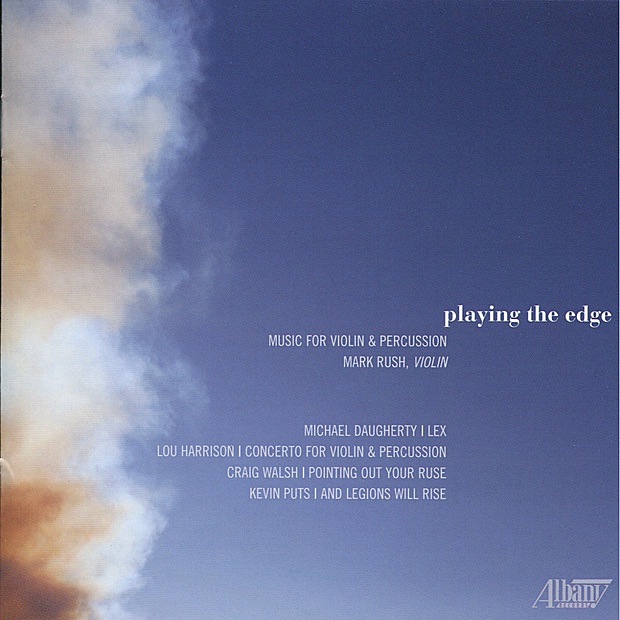 August 10, 2010
 -
 April 1, 2010
Keyboard
-
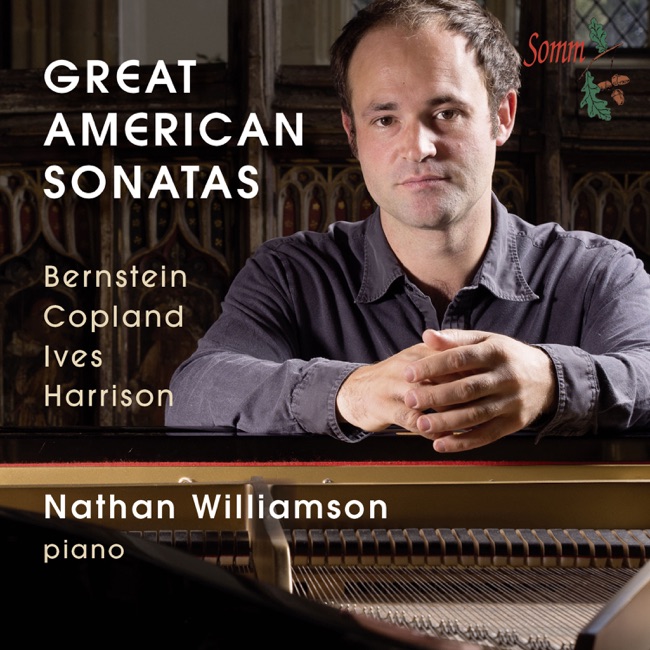 February 3, 2017
 -
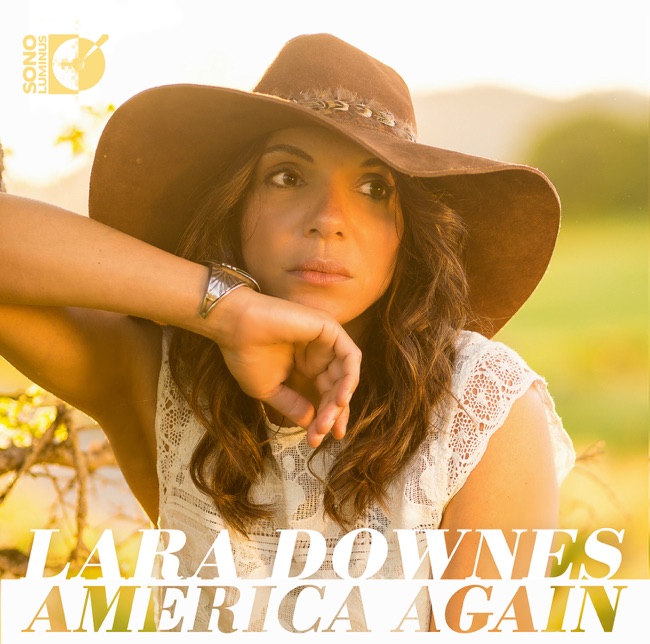 October 28, 2016
 -
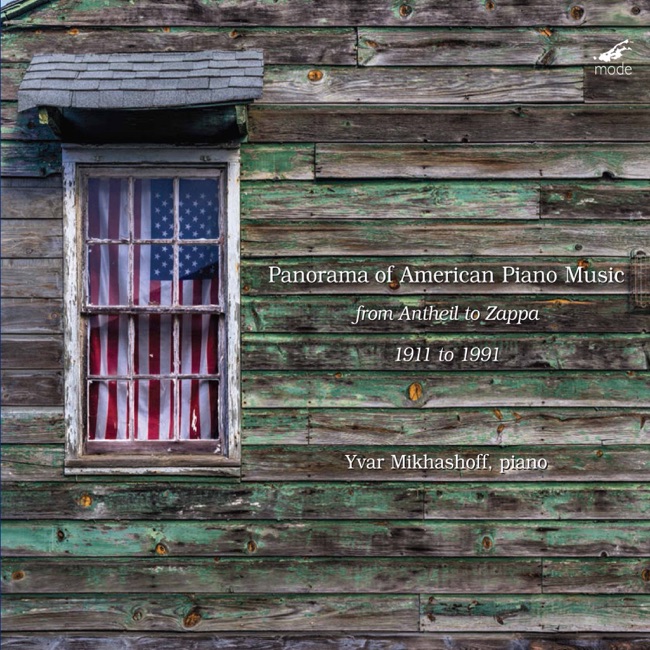 November 19, 2013
 -
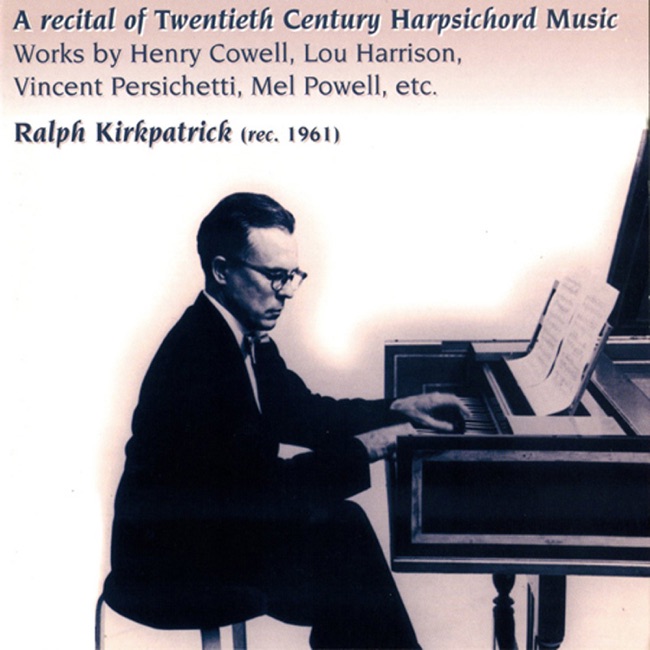 April 1, 2011
 -
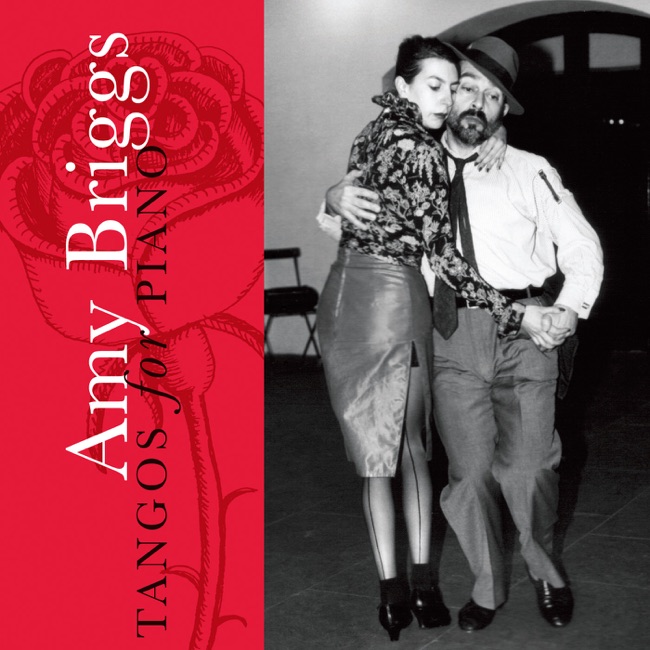 October 26, 2010
 -
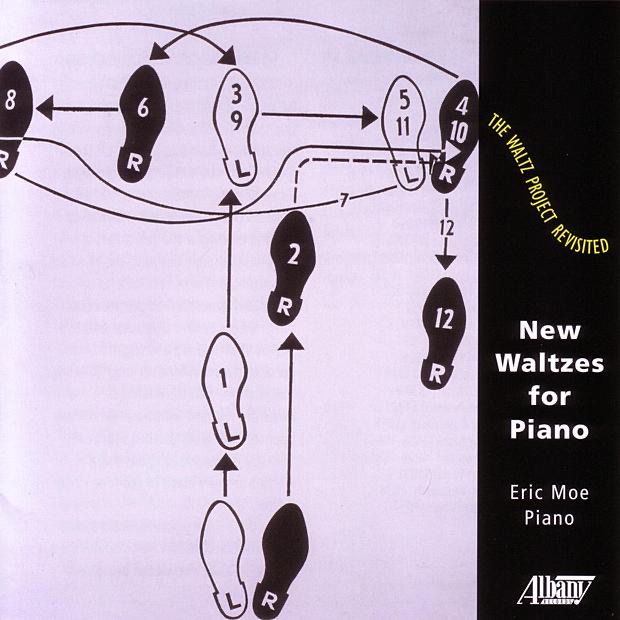 November 30, 2004
Orchestral
-
-
 September 21, 2004
 -
 September 9, 2003
 -
-
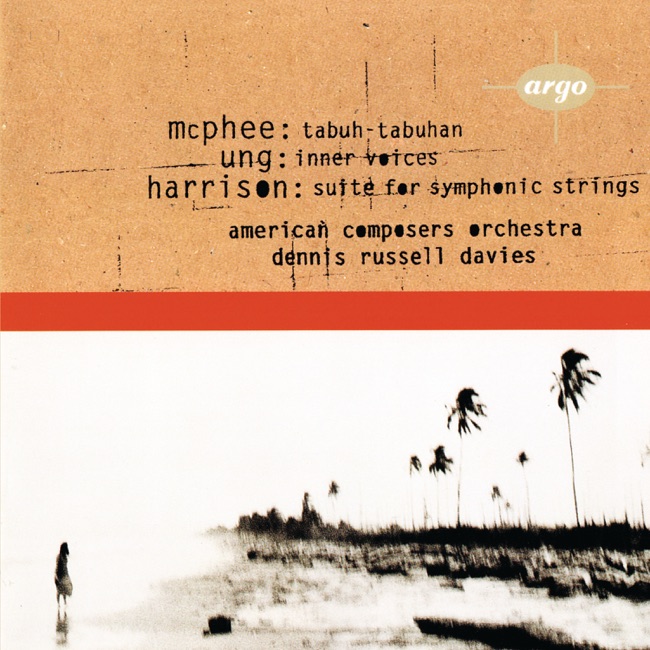
Artist Info
Role:Composer PerformerCountry: United States of AmericaBirth:May 14, 1917 in Portland, ORDeath:February 2, 2003 in United StatesPeriod:ContemporaryGenre:Avant-GardeChamberConcertoKeyboardLou Harrison was an American composer who was born on May 14, 1917, in Portland, Oregon. He was the youngest of four children and grew up in a musical family. His mother was a pianist, and his father was a singer and music teacher. Harrison's parents encouraged his interest in music from an early age, and he began playing the piano at the age of eight. Harrison's family moved to California when he was a teenager, and he continued his musical education there. He studied composition with Henry Cowell and Arnold Schoenberg and percussion with William Russell. Harrison was also interested in non-Western music and studied the music of India, China, and Indonesia. Harrison's early compositions were influenced by the experimental music of Cowell and Schoenberg. He wrote music for percussion ensembles and experimented with microtonal tuning systems. In the 1940s, Harrison began incorporating non-Western musical elements into his compositions. He wrote pieces for gamelan ensembles, which are traditional Indonesian percussion orchestras, and incorporated Indian ragas into his music. One of Harrison's most famous works is his Concerto for Violin and Percussion Orchestra, which he wrote in 1959. The piece features a solo violin accompanied by a percussion ensemble, and it incorporates elements of Indian music and microtonal tuning. The concerto was well-received by critics and helped establish Harrison as a leading figure in American music. In the 1960s, Harrison became involved in the counterculture movement and began exploring new forms of music. He wrote pieces for dance and theater productions and collaborated with choreographers and visual artists. He also continued to incorporate non-Western musical elements into his compositions, including Japanese gagaku music and Korean court music. Harrison's music was often characterized by its use of unconventional instruments and tuning systems. He was known for using found objects as instruments, such as flower pots and tin cans, and for experimenting with just intonation, a tuning system that uses pure intervals rather than the equal-tempered tuning system used in Western music. Harrison's later works were often more contemplative and introspective than his earlier pieces. He wrote several pieces for solo piano, including his Suite for Piano, which he composed in 1985. The suite features six movements, each of which is based on a different tuning system. Harrison continued to compose music until his death in 2003. He was a prolific composer, and his works include operas, ballets, symphonies, and chamber music. He was also a respected teacher and mentor, and he taught at several universities, including Mills College and the University of California, Santa Cruz. Harrison's contributions to American music were significant. He was a pioneer in the use of non-Western musical elements in Western classical music and helped to expand the boundaries of what was considered "classical" music. His use of unconventional instruments and tuning systems also helped to broaden the definition of what could be considered a musical instrument. In addition to his musical contributions, Harrison was also an advocate for social justice and environmentalism. He was openly gay at a time when homosexuality was still stigmatized, and he was a vocal supporter of the civil rights movement and the anti-war movement. He was also an environmentalist and was involved in efforts to protect the redwood forests of California.More....
Recent Artist Music
5
2:59

8
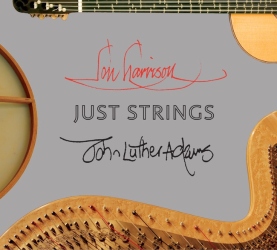
Jahla, in the form of a Ductia to please Leopold Stokowski on his 90th birthday
Harp Suite #1: Jahla
1:55
14
3:8
Recommend Playlist


Copyright Ⓒ 2013 Davinci Finger. All rights reseved
Service Terms & Policy