


Carl Ruggles
Released Album
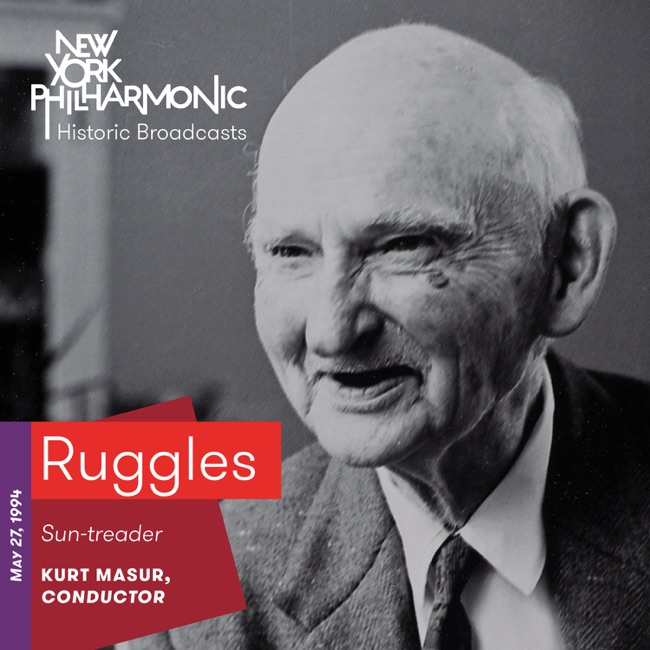
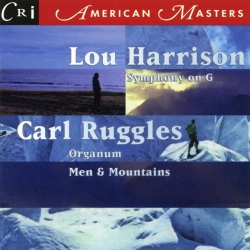
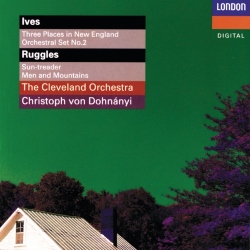
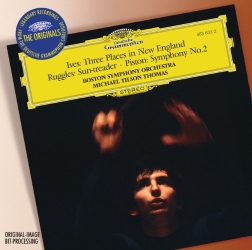
Orchestral
-
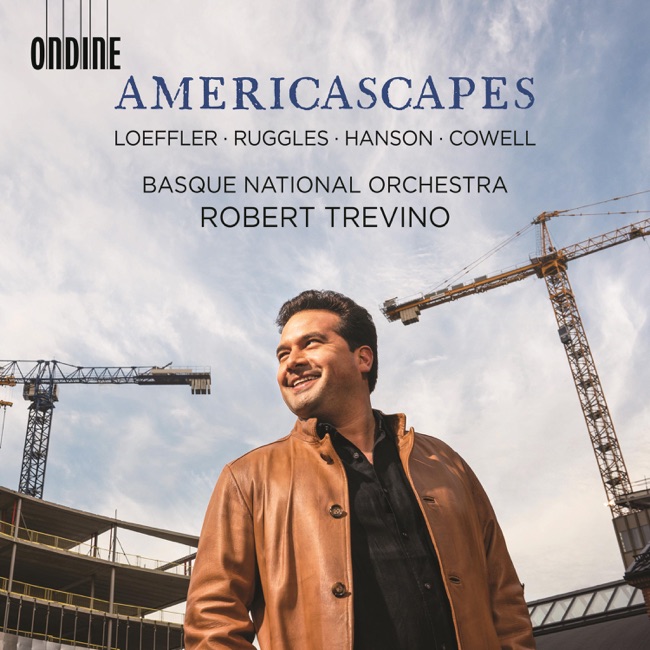 October 1, 2021
 -
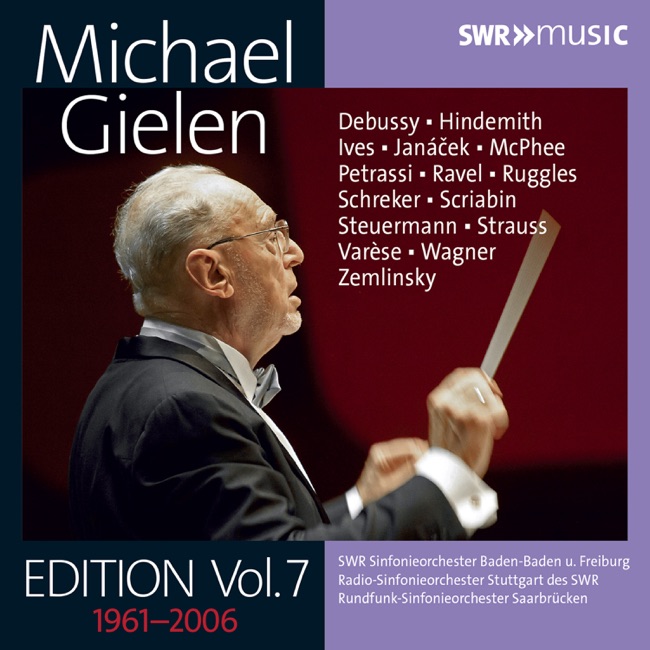 May 11, 2018
 -
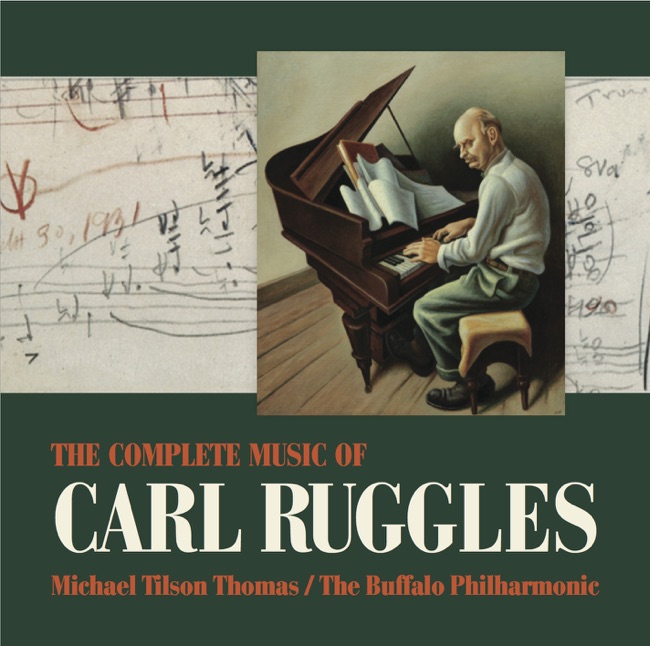 April 24, 2012
 -
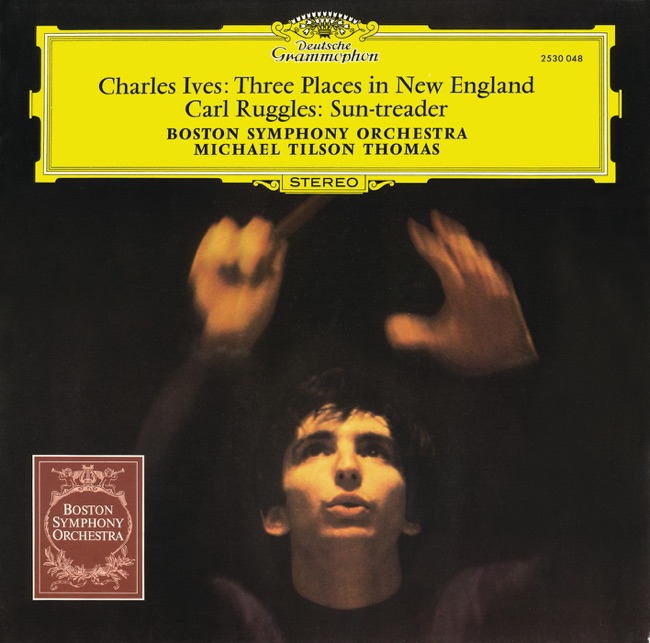
-
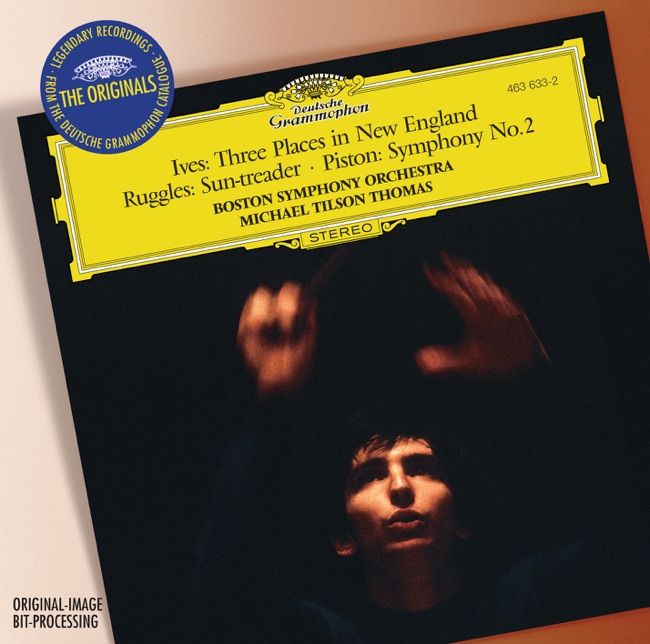
-
Keyboard
-
 July 28, 2017
 -
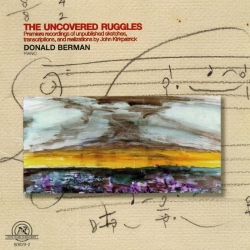
 November 19, 2013
 -
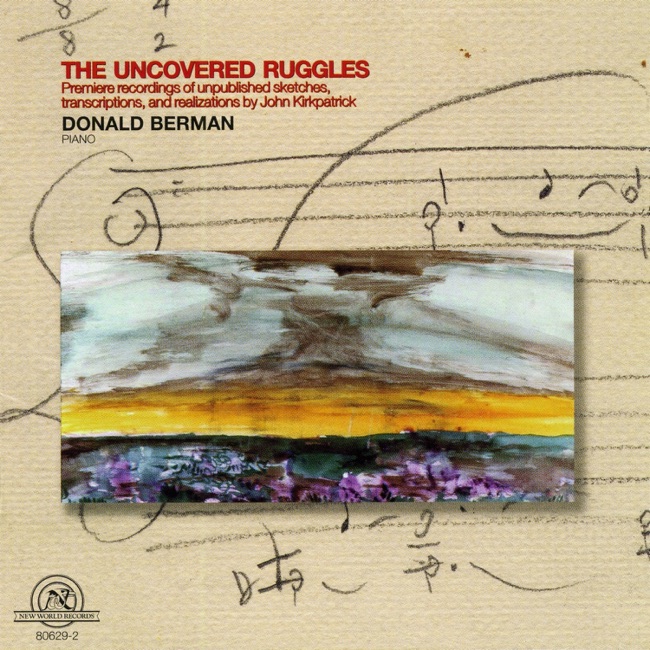 May 31, 2005
 -
 August 31, 2004
 -
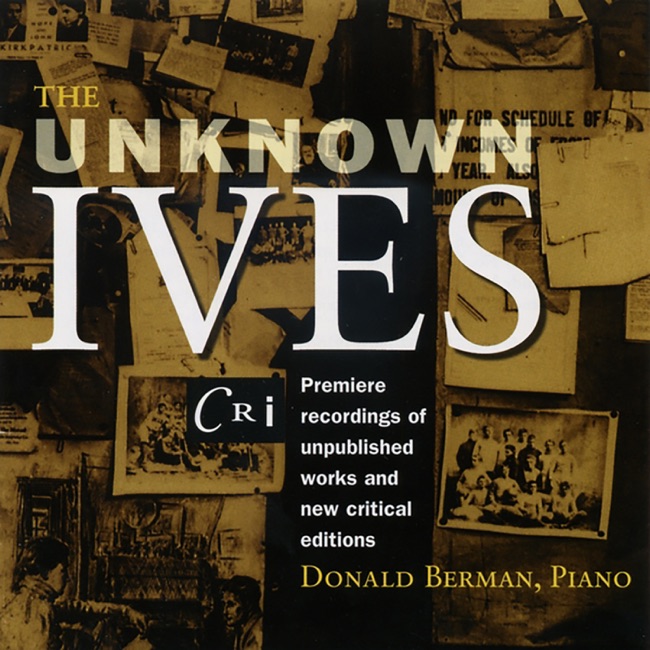 February 9, 1999
 -
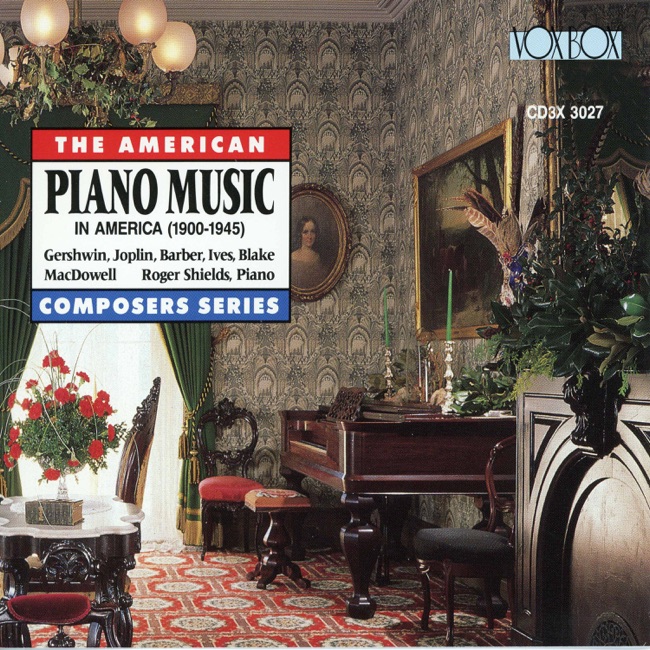 September 6, 1994
Chamber
-
 April 8, 2008
 -
 October 11, 2005
 -
 August 10, 1999
 -
 February 1, 1991
Artist Info
Role:ComposerCountry: United States of AmericaBirth:March 11, 1876 in East Marion, MADeath:October 24, 1971 in Bennington, VTPeriod:ContemporaryModernGenre:ChamberKeyboardOrchestralCarl Ruggles was an American composer who was born on March 11, 1876, in Marion, Massachusetts. He was the son of a sea captain and grew up in a musical family. His mother was a pianist, and his father played the violin. Ruggles began playing the piano at a young age and showed an early interest in music. Ruggles attended Harvard University, where he studied music with John Knowles Paine. He also studied with Charles Martin Loeffler, a French composer who had settled in the United States. Loeffler was a major influence on Ruggles, and he introduced him to the music of Debussy and other French composers. After graduating from Harvard, Ruggles moved to Paris to study with the composer and conductor Vincent d'Indy. He also studied with the composer Charles Tomlinson Griffes, who was a fellow American expatriate in Paris. Ruggles was deeply influenced by the music of Debussy, Ravel, and Stravinsky, and he began to develop his own unique style. Ruggles returned to the United States in 1912 and settled in New York City. He worked as a freelance composer and music teacher, and he became involved in the city's vibrant music scene. He was a member of the "ultra-modernist" group of composers, which included Charles Ives, Henry Cowell, and Edgard Varèse. Ruggles' music was characterized by its dissonance, complexity, and rhythmic intensity. He was interested in exploring new harmonic and rhythmic possibilities, and he often used unconventional scales and meters in his compositions. His music was also influenced by his interest in astronomy and the natural world. Ruggles' most famous work is his orchestral piece, "Sun-Treader," which he began composing in 1926 and completed in 1931. The piece is a musical depiction of the sun rising over the mountains, and it is characterized by its driving rhythms and intense dissonance. "Sun-Treader" is considered one of the masterpieces of American modernist music, and it has been performed by many of the world's leading orchestras. Ruggles' other major works include his "Evocations" for orchestra, which he began composing in 1915 and completed in 1943. The piece is a series of musical portraits of different landscapes and natural phenomena, and it is characterized by its use of unconventional scales and rhythms. Ruggles also composed several chamber works, including his "Angels" for string quartet, which he completed in 1921. Despite his reputation as one of the leading American modernist composers, Ruggles struggled to gain recognition during his lifetime. He was a difficult and uncompromising artist, and he often clashed with music critics and other composers. He also suffered from financial difficulties and health problems, and he was forced to sell his manuscripts and personal belongings to make ends meet. Ruggles died on October 24, 1971, in Bennington, Vermont. He left behind a small but influential body of work that has had a lasting impact on American music. His music continues to be performed and studied by musicians and scholars around the world, and he is recognized as one of the pioneers of American modernist music.More....
Recent Artist Music
3
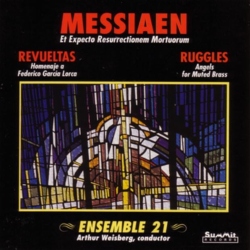
Olivier Messiaen: Et Expecto Resurrectionem Mortuorum; Silvestre Revueltas: Homenaje a Garcías Lorca
3:12




Copyright Ⓒ 2013 Davinci Finger. All rights reseved
Service Terms & Policy