


Robert Fuchs
Released Album
Chamber
-
 November 16, 2022
 -
 September 16, 2022
 -
 November 5, 2021
 -
 October 1, 2021
 -
 July 16, 2021
 -
 September 11, 2020
Orchestral
-
-
 October 30, 2020
 -
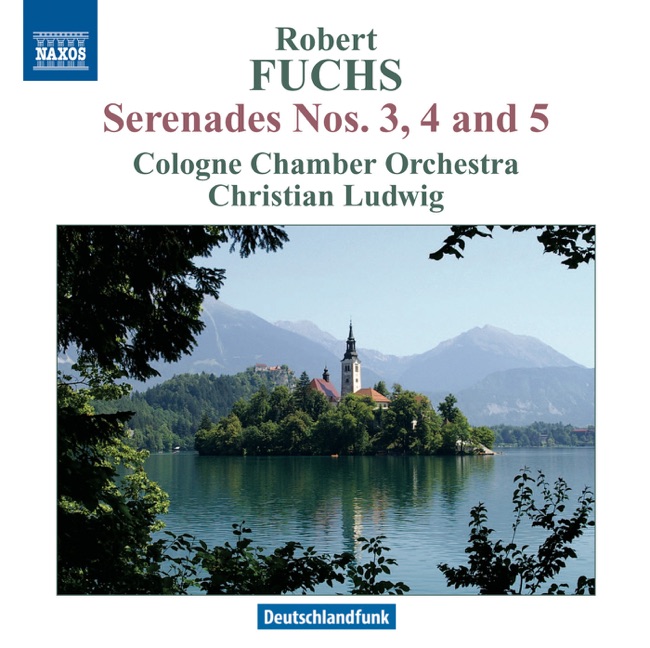 March 26, 2012
 -
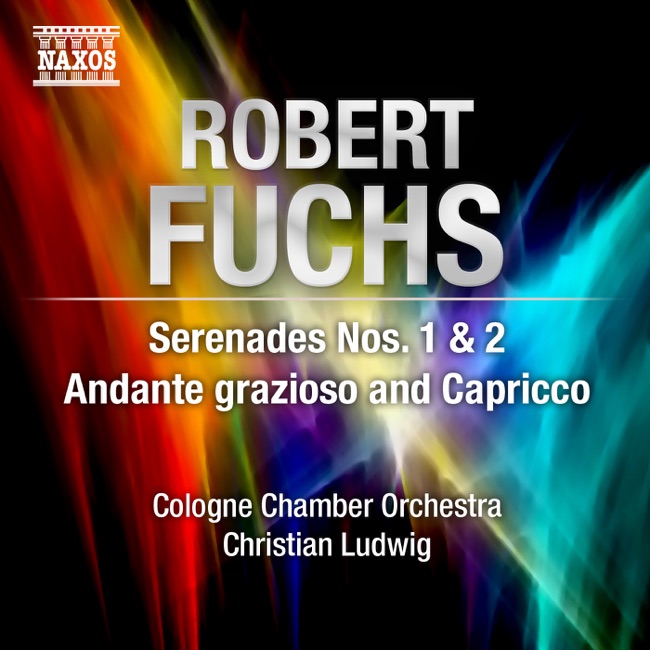
-
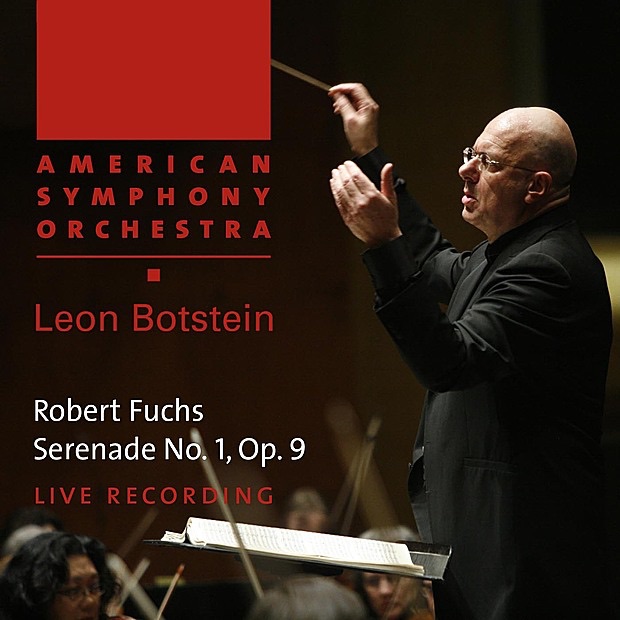 June 30, 2010
 -
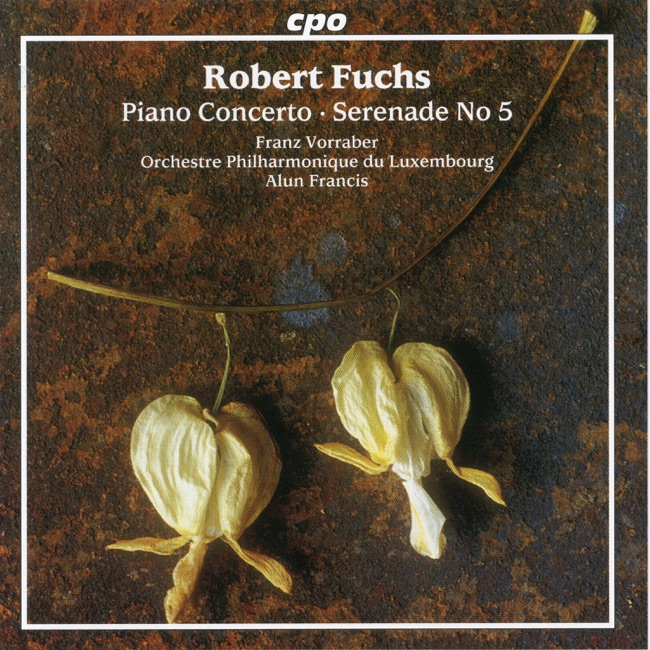 March 16, 2004
Miscellaneous
-
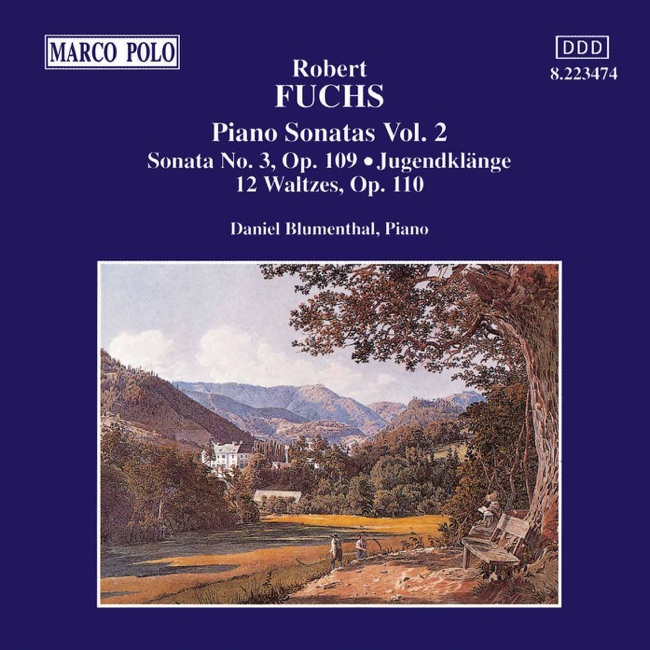 August 8, 1994
Choral
-
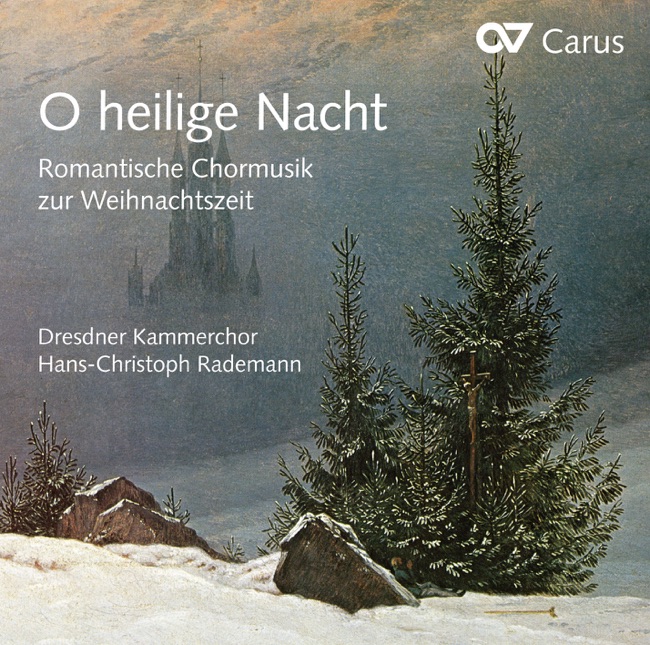 November 13, 2015
 -
 July 10, 2015
 -
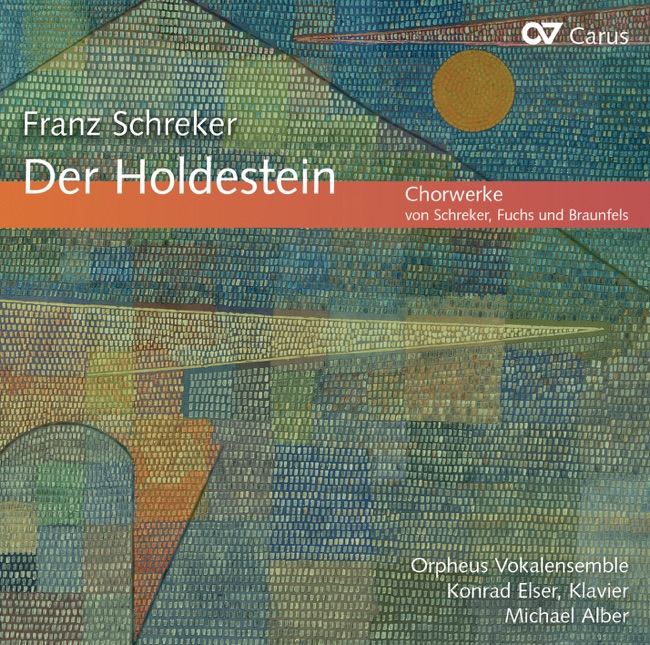 March 27, 2012
 -
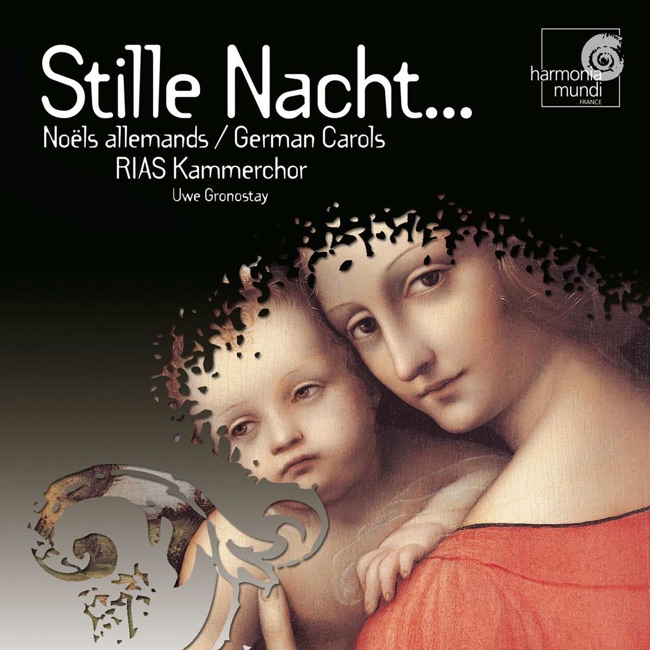 November 14, 2006
Artist Info
Role:Composer PerformerCountry: AustriaBirth:February 15, 1847 in Frauenthal, StyriaDeath:February 19, 1927 in Vienna, AustriaPeriod:RomanticGenre:ChamberKeyboardOperaRobert Fuchs was a prominent Austrian composer of the late Romantic era. He was born on February 15, 1847, in Frauental an der Laßnitz, a small town in Styria, Austria. Fuchs was the youngest of thirteen children, and his father was a schoolteacher. His family was musically inclined, and Fuchs began his musical education at a young age. He learned to play the piano and violin, and he also sang in the local church choir. Fuchs attended the Vienna Conservatory, where he studied composition with Johann Rufinatscha and piano with Julius Epstein. He graduated in 1866 and began his career as a music teacher. He taught at the Vienna Conservatory from 1875 to 1912, and his students included Gustav Mahler, Jean Sibelius, and Franz Schmidt. Fuchs was a prolific composer, and his works include symphonies, chamber music, piano music, and songs. His music is characterized by its lyrical melodies, rich harmonies, and elegant craftsmanship. Fuchs was influenced by the music of Johannes Brahms, and his works are often compared to those of Brahms. One of Fuchs's most famous works is his Serenade No. 1 in D major, Op. 9. The serenade was composed in 1874 and is scored for a small orchestra of strings, woodwinds, and horns. The work is in four movements and is notable for its graceful melodies and charming character. The serenade was well-received when it was first performed, and it remains one of Fuchs's most popular works. Fuchs's Symphony No. 2 in E-flat major, Op. 45, is another notable work. The symphony was composed in 1898 and is scored for a large orchestra. The work is in four movements and is notable for its rich harmonies and lush orchestration. The symphony was well-received when it was first performed, and it remains one of Fuchs's most important works. Fuchs also composed a number of chamber works, including string quartets, piano trios, and sonatas. His String Quartet No. 5 in F minor, Op. 57, is a particularly notable work. The quartet was composed in 1903 and is notable for its dramatic intensity and emotional depth. The work is in four movements and is considered one of Fuchs's finest chamber works. Fuchs's piano music is also noteworthy. His Piano Sonata in D minor, Op. 15, is a particularly notable work. The sonata was composed in 1876 and is notable for its virtuosic piano writing and dramatic intensity. The work is in three movements and is considered one of Fuchs's finest piano works. Fuchs's songs are also noteworthy. His song cycle, An eine Aeolsharfe, Op. 9, is a particularly notable work. The cycle was composed in 1874 and is notable for its lyrical melodies and elegant piano accompaniment. The cycle is set to poems by Friedrich Rückert and is considered one of Fuchs's finest vocal works. Fuchs's music was well-regarded during his lifetime, and he was respected by his contemporaries. However, his music fell out of favor after his death, and he was largely forgotten for much of the 20th century. In recent years, there has been a renewed interest in Fuchs's music, and his works are being performed and recorded more frequently. In conclusion, Robert Fuchs was a prominent Austrian composer of the late Romantic era. He was a prolific composer, and his works include symphonies, chamber music, piano music, and songs. His music is characterized by its lyrical melodies, rich harmonies, and elegant craftsmanship. Fuchs was influenced by the music of Johannes Brahms, and his works are often compared to those of Brahms.More....
Recent Artist Music

9
2:26
10
George David Weiss, Hugo Peretti, Luigi Creatore, Solomon Popoli Linda & Albert Stanton
3:33





Copyright Ⓒ 2013 Davinci Finger. All rights reseved
Service Terms & Policy