


Carl Nielsen
Released Album
Orchestral
-
 January 27, 2023
 -
 July 2, 2021
 -
 July 14, 2020
 -
 July 10, 2020
 -
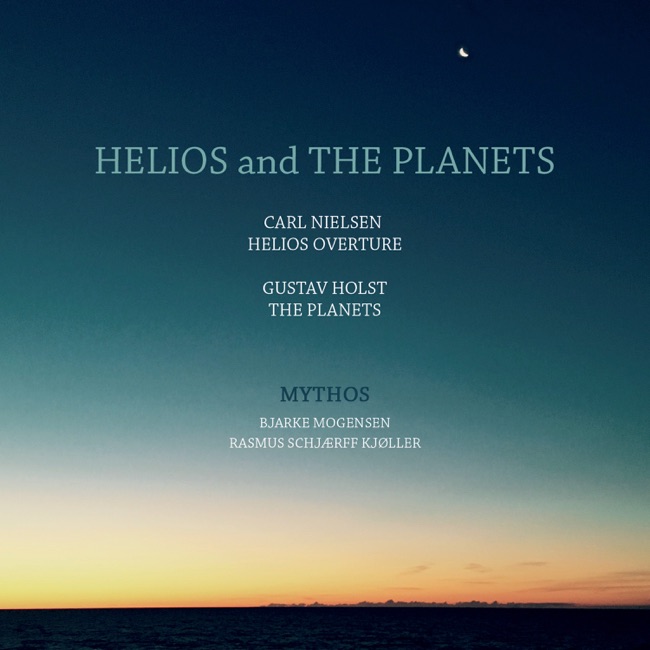 May 1, 2020
Chamber
-
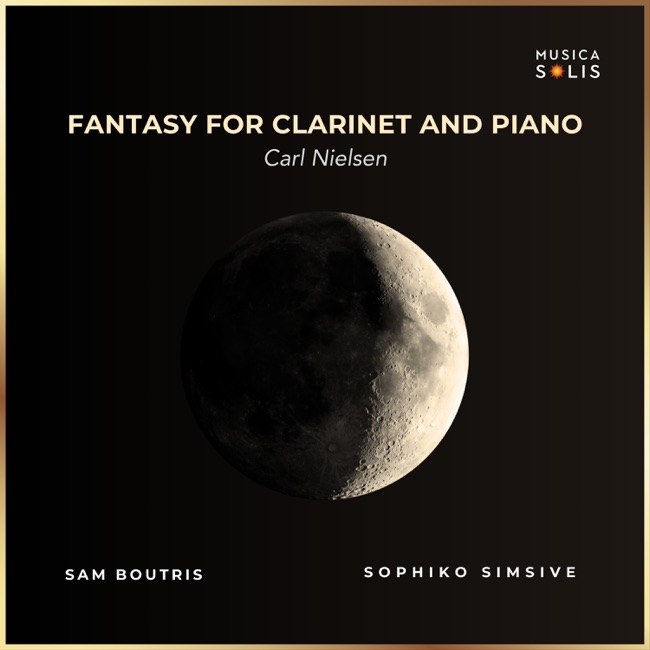 January 19, 2024
 -
 April 15, 2022
 -
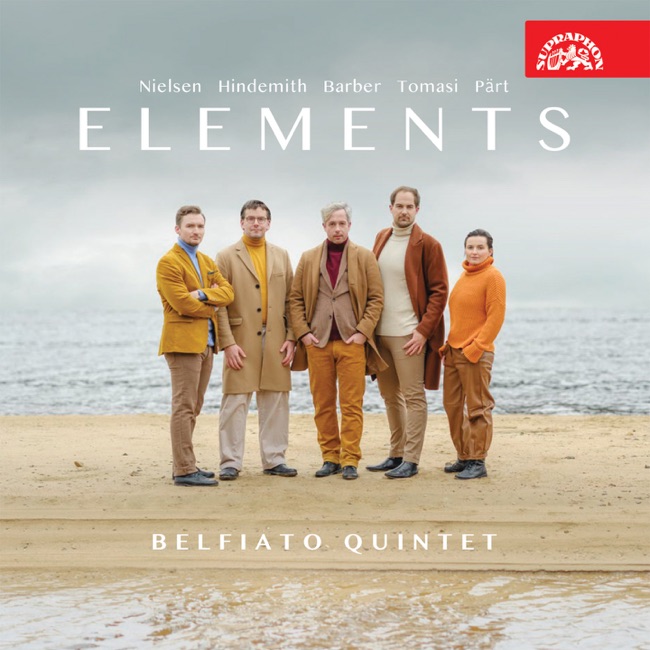 March 25, 2022
 -
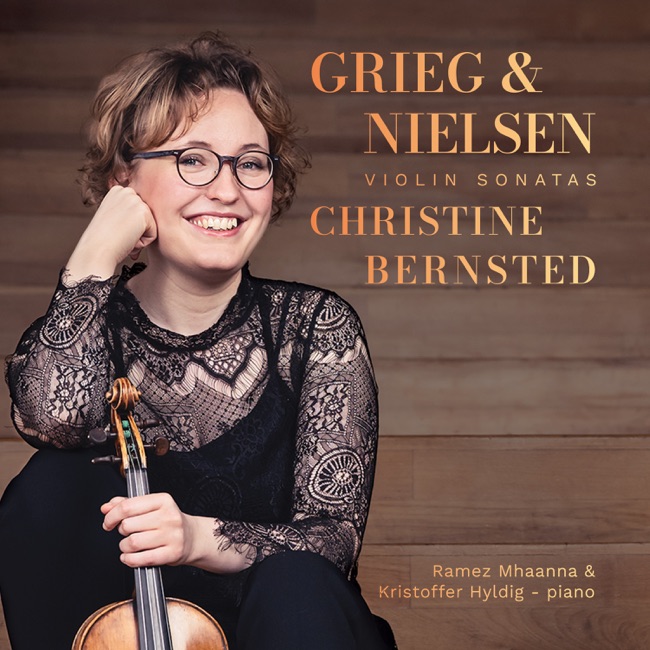 November 30, 2021
 -
 October 15, 2021
 -
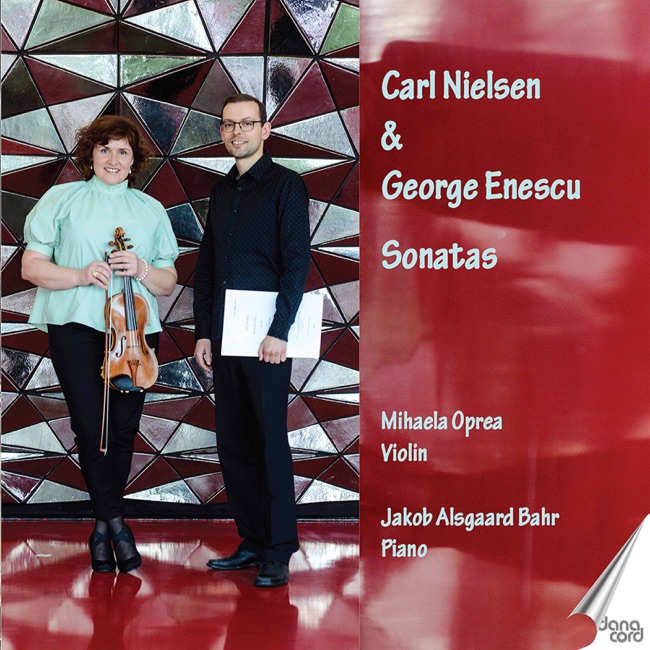 June 4, 2021
Symphony
-
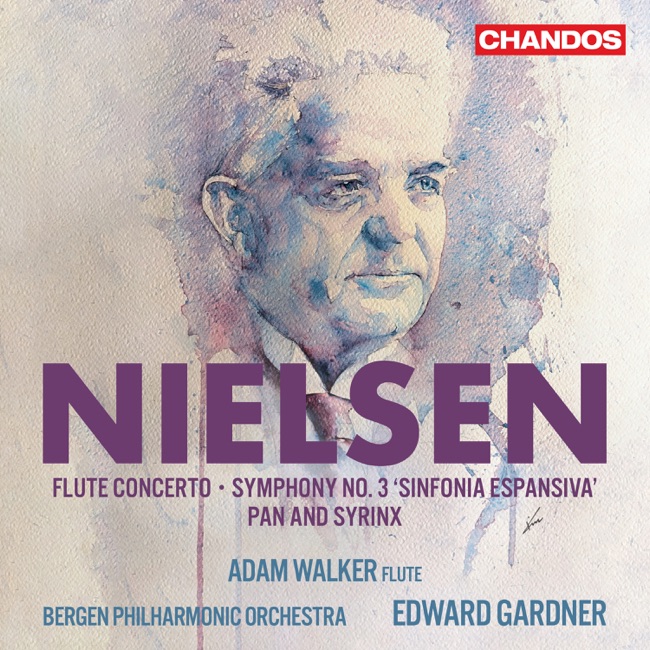
-
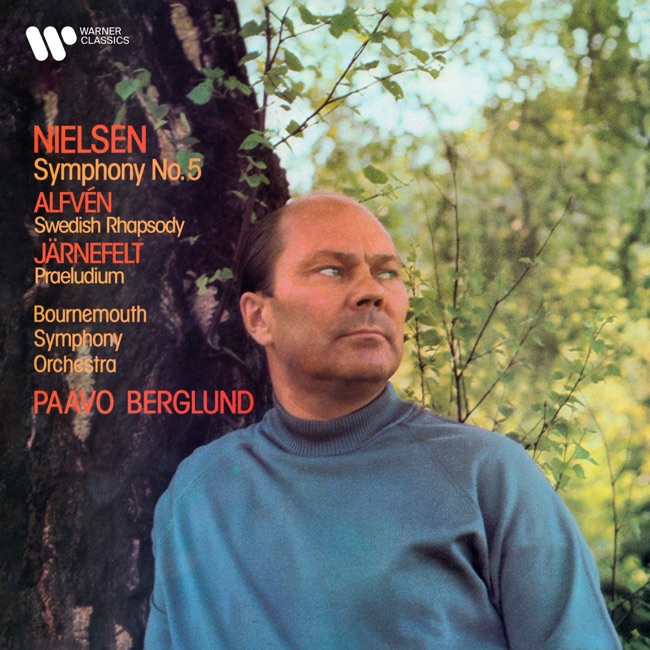
-
 April 21, 2023
 -
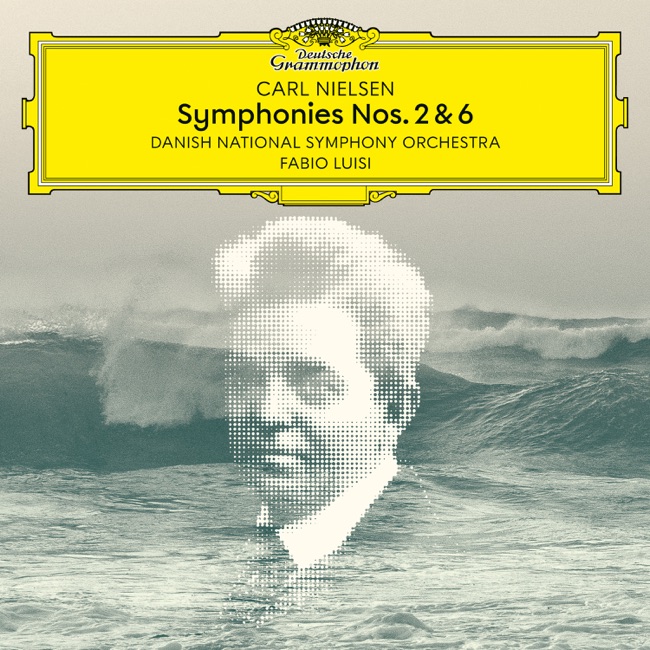 January 27, 2023
 -
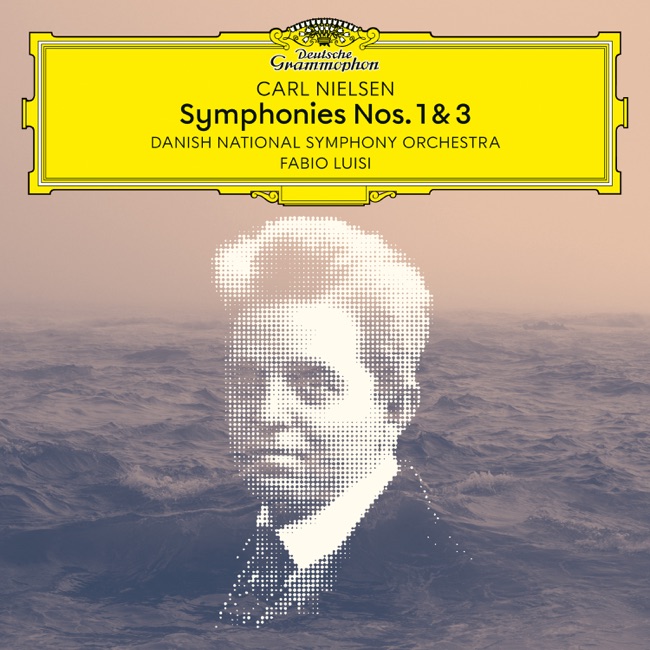 December 9, 2022
 -
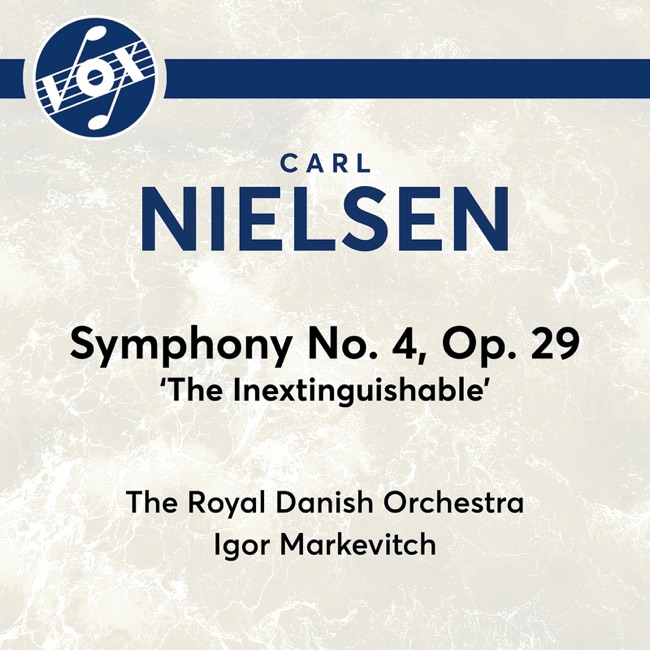 December 2, 2022
Concerto
-
 July 5, 2024
 -
 March 15, 2024
 -
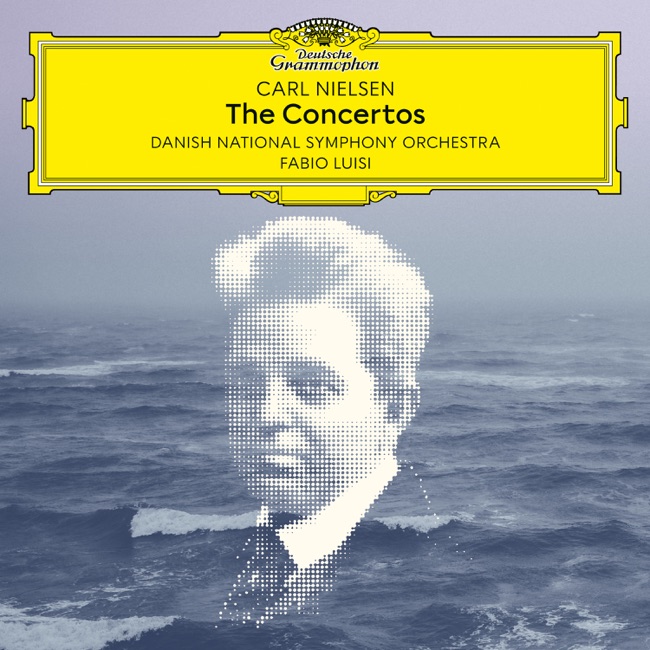 August 25, 2023
 -
-
 March 4, 2022
 -
Artist Info
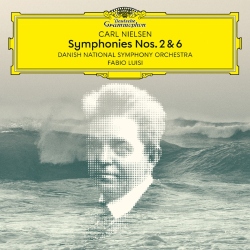
Role:ComposerCountry: DenmarkBirth:June 9, 1865 in Sortelung, DenmarkDeath:October 3, 1931 in Copenhagen, DenmarkPeriod:RomanticContemporaryGenre:ChamberKeyboardOrchestralSymphonyVocalCarl Nielsen was a Danish composer and conductor who was born on June 9, 1865, in the village of Nørre Lyndelse, Denmark. He was the seventh of twelve children born to a poor family, and his father was a folk musician who played the fiddle and accordion. Nielsen showed an early interest in music and began playing the violin at the age of six. He later learned to play the piano and trumpet and began composing music as a teenager. Nielsen's early musical education was informal, and he received his first formal training at the Royal Danish Academy of Music in Copenhagen. He studied composition with Niels Gade and violin with Valdemar Tofte. In 1888, he joined the Royal Danish Orchestra as a violinist, and he later became the second conductor of the orchestra in 1908. Nielsen's early compositions were influenced by the Romantic style of music, but he later developed his own unique style that incorporated elements of folk music and modernism. His first major work was the Symphony No. 1, which he composed in 1892. The symphony was well-received and established Nielsen as a major composer in Denmark. In 1898, Nielsen married Anne Marie Brodersen, and the couple had two children. Nielsen's personal life was often tumultuous, and he struggled with financial difficulties and health problems throughout his career. Nielsen's most famous works include his six symphonies, which are considered some of the most important works in Danish classical music. His Symphony No. 2, also known as "The Four Temperaments," is a programmatic work that depicts the four temperaments of human personality. The symphony is notable for its use of folk melodies and its innovative use of harmony and rhythm. Nielsen's Symphony No. 3, also known as the "Sinfonia Espansiva," is a pastoral work that features a vocal soloist and choir. The symphony is notable for its use of unconventional instrumentation, including a cowbell and a wind machine. Nielsen's Symphony No. 4, also known as the "Inextinguishable," is a powerful work that depicts the struggle between life and death. The symphony is notable for its use of two sets of timpani, which represent the opposing forces in the work. Nielsen's Symphony No. 5 is a more introspective work that explores the themes of life and death. The symphony is notable for its use of a snare drum, which represents the heartbeat of life. Nielsen's Symphony No. 6, also known as the "Sinfonia Semplice," is a playful work that incorporates elements of folk music and jazz. The symphony is notable for its use of a slide whistle and a toy trumpet. In addition to his symphonies, Nielsen composed a number of other works, including concertos, chamber music, and operas. His opera "Maskarade" is a comic work that is considered one of the most important Danish operas. Nielsen died on October 3, 1931, in Copenhagen, Denmark. He is remembered as one of Denmark's greatest composers and a pioneer of modern classical music. His works continue to be performed and recorded by orchestras around the world.More....
Recent Artist Music
2
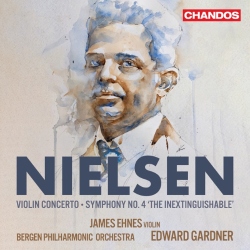
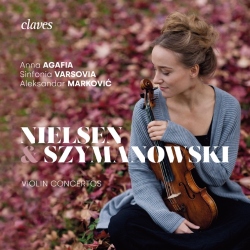
Violin concert, FS 61, Op. 33
Præludium. Largo - (Eighth Note = 76) - A tempo, ma molto tranquillo (Eighth Note = 60) - (Eighth Note = 69) - A tempo (Eighth Note = 60) - A tempo, ma tranquillo - Molto adagio (Eighth Note = 40) -
6:16
11
4:49

Works Highlight
Recommend Playlist















Copyright Ⓒ 2013 Davinci Finger. All rights reseved
Service Terms & Policy