


Herman D. Koppel
Released Album
Chamber
-
 July 9, 2020
 -
 May 5, 2020
 -
 November 10, 2017
 -
 July 15, 2015
 -
 December 8, 2014
 -
 June 3, 2013
Concerto
-
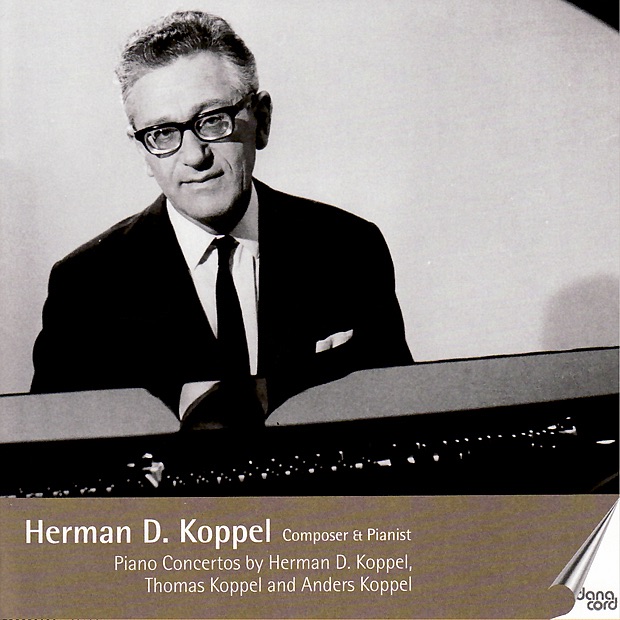 February 10, 2009
 -
 July 31, 2007
 -
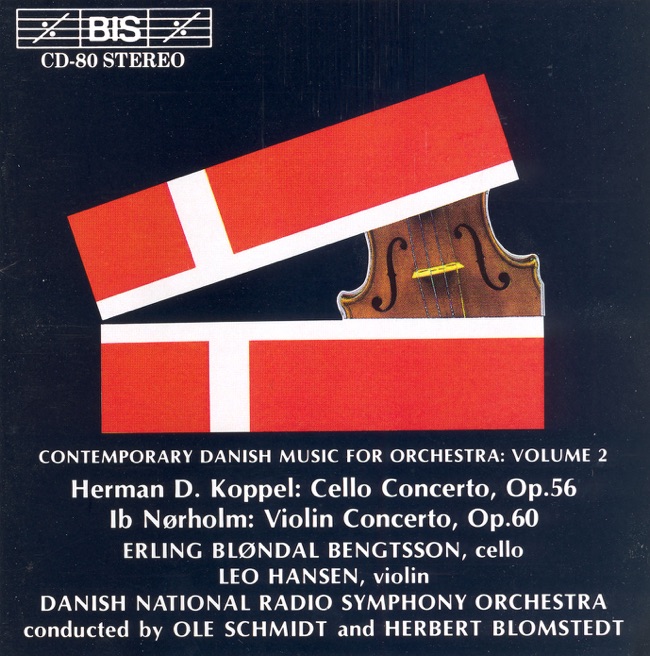 March 25, 1994
Vocal
-
 October 21, 2015
 -
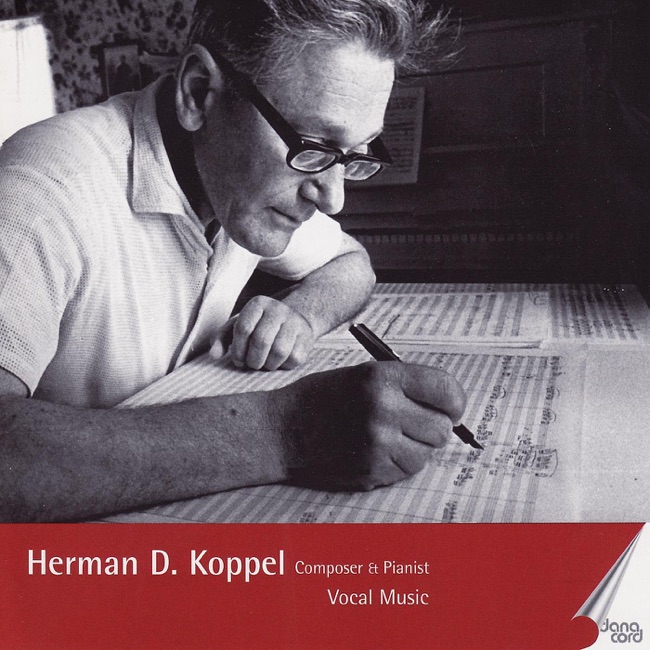 April 10, 2012
 -
 January 18, 2006
 -
 January 18, 2006
 -
 January 5, 1998
 -
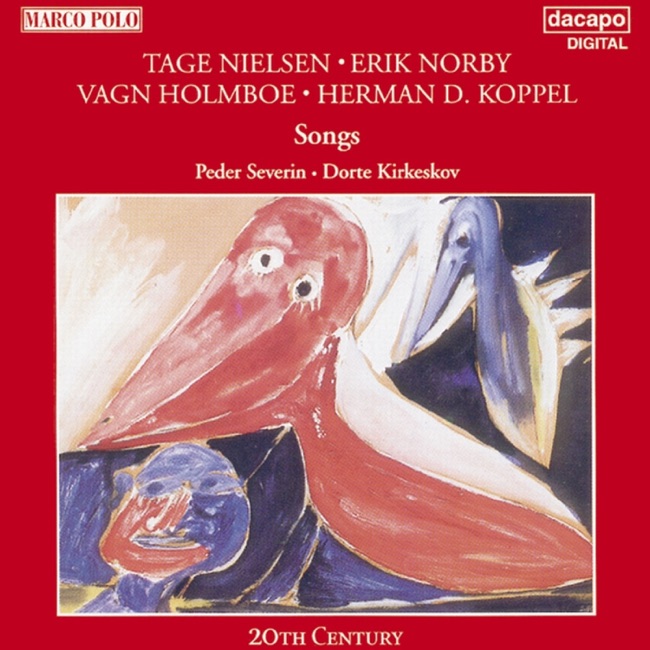 February 6, 1996
Keyboard
-
 October 21, 2015
 -
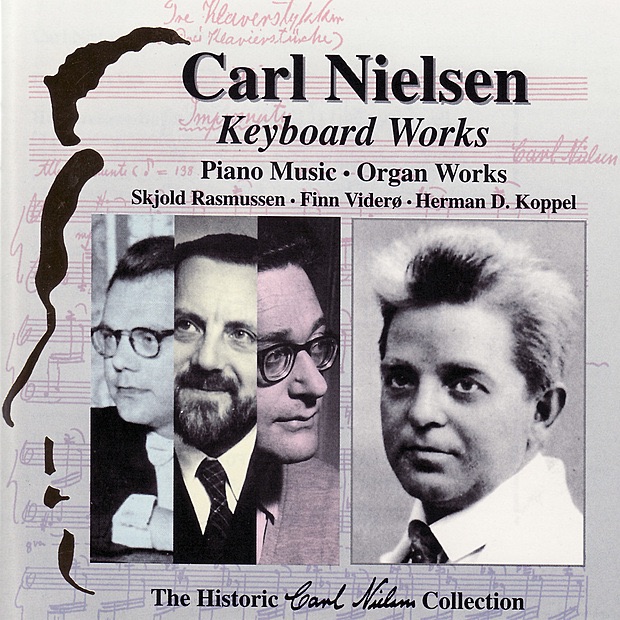 April 25, 2007
Artist Info
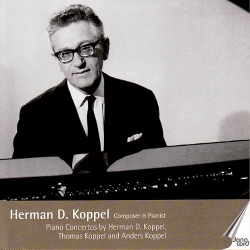
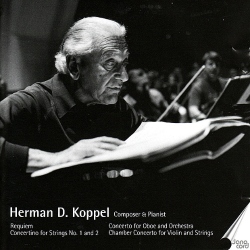
Role:ComposerCountry: DenmarkBirth:October 1, 1908 in Copenhagen, DenmarkDeath:July 14, 1998 in Copenhagen, DenmarkPeriod:RomanticModernGenre:ChamberConcertoKeyboardSymphonyVocalHerman D. Koppel was a Danish composer and pianist who was born on February 1, 1908, in Copenhagen, Denmark. He was the son of a Jewish family, and his father, Anders Koppel, was a composer and pianist. Herman Koppel showed an early interest in music and began playing the piano at the age of four. He received his first formal music education from his father, who taught him piano and composition. Koppel's musical talent was evident from an early age, and he began performing in public at the age of six. He made his debut as a pianist at the age of nine, playing a Mozart concerto with the Copenhagen Symphony Orchestra. Koppel continued his studies at the Royal Danish Academy of Music, where he studied piano with Victor Schiøler and composition with Knud Jeppesen. In 1930, Koppel won the Carl Nielsen Prize for his Piano Sonata No. 1, which was inspired by the music of Bartók and Stravinsky. This marked the beginning of Koppel's career as a composer, and he went on to write a wide range of works, including symphonies, concertos, chamber music, and vocal music. Koppel's music was characterized by its modernist style, which was influenced by the music of Bartók, Stravinsky, and other contemporary composers. His music was also influenced by his Jewish heritage, and he often incorporated Jewish themes and melodies into his compositions. One of Koppel's most famous works is his Symphony No. 3, which was written in 1956. The symphony is a powerful and emotional work that reflects Koppel's experiences as a Jew living in Denmark during World War II. The symphony is divided into three movements, each of which explores a different aspect of the Jewish experience. The first movement is a lament for the victims of the Holocaust, the second movement is a celebration of Jewish culture and tradition, and the third movement is a call for peace and reconciliation. Koppel's other notable works include his Piano Concerto No. 2, which was written in 1948 and is considered one of his most virtuosic works. The concerto is characterized by its rhythmic complexity and its use of jazz and blues elements. Koppel also wrote a number of chamber music works, including his String Quartet No. 3, which was written in 1951 and is considered one of his most important works in this genre. In addition to his work as a composer, Koppel was also a respected pianist and conductor. He performed extensively throughout Europe and the United States, and he was known for his virtuosic playing and his ability to interpret a wide range of musical styles. Koppel was also a dedicated teacher, and he taught at the Royal Danish Academy of Music for many years. His students included a number of prominent Danish composers, including Per Nørgård and Poul Ruders. Koppel continued to compose and perform music throughout his life, and he remained an important figure in Danish music until his death in 1998. His music continues to be performed and recorded today, and he is remembered as one of Denmark's most important composers of the 20th century.More....
Recent Artist Music
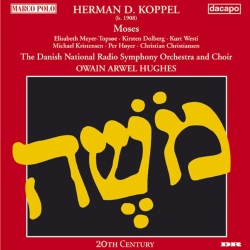
2
3:24
4
2:20
5
6:51
7
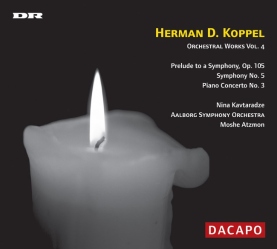
Piano Concerto No. 3, Op. 45
Allegro - Un poco tranquillo - A tempo - Tempo tranquillo - Molto vivace
14:
10
11:9
Copyright Ⓒ 2013 Davinci Finger. All rights reseved
Service Terms & Policy