


J. P. E. Hartmann
Released Album
Miscellaneous
-
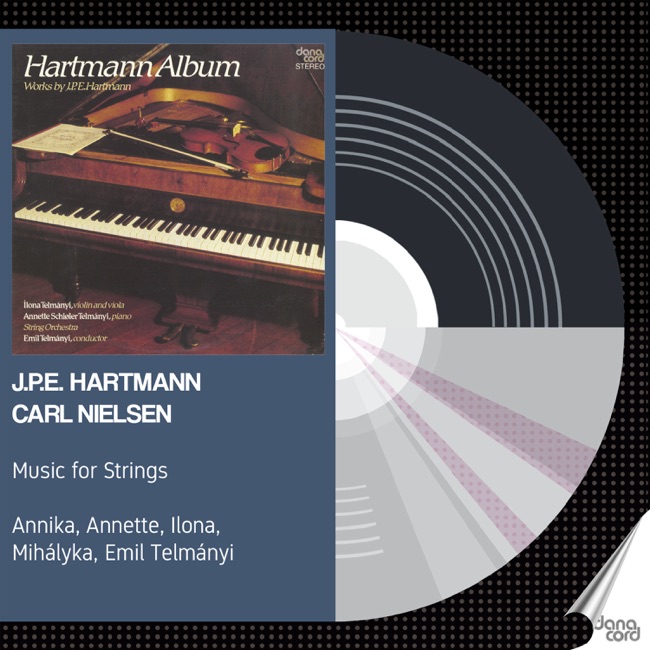 January 3, 2020
 -
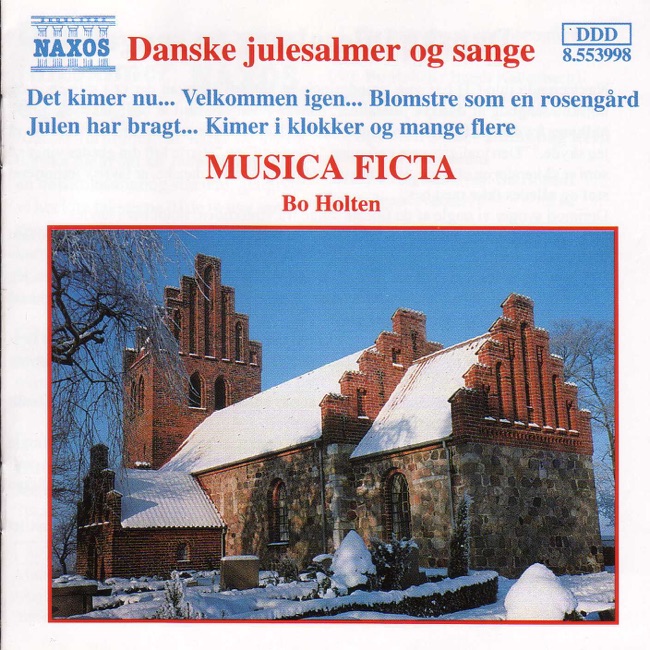 October 6, 2000
 -
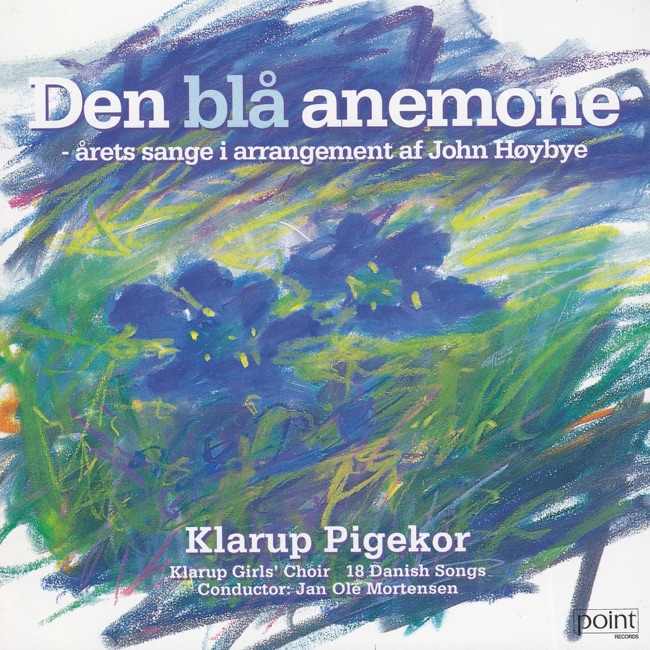 December 18, 1995
Vocal
-
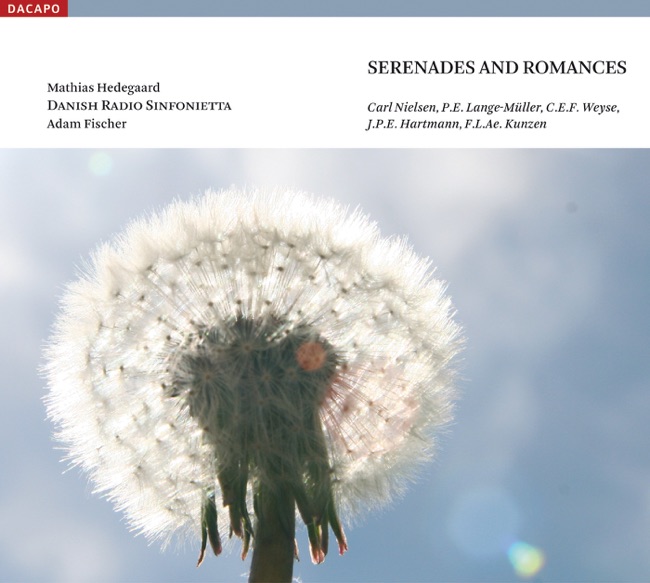 September 25, 2007
 -
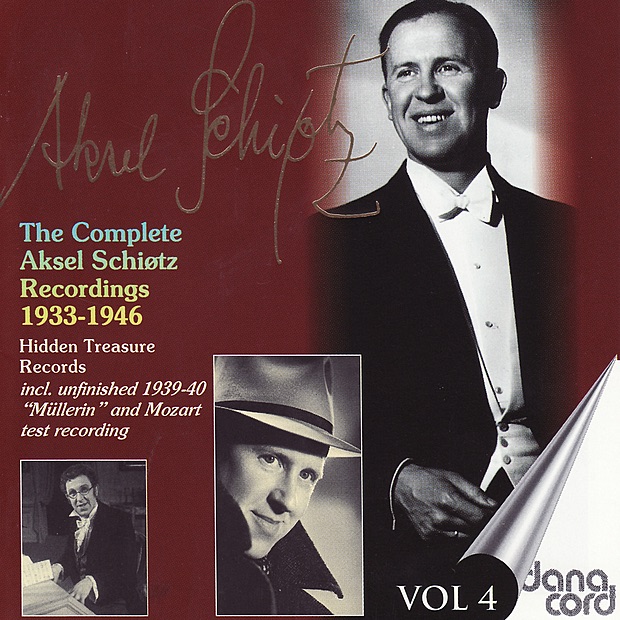 January 18, 2006
 -
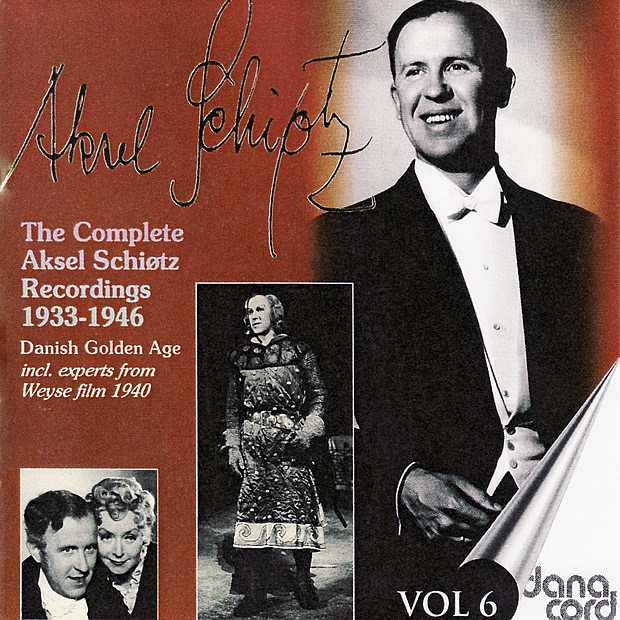 January 18, 2006
 -
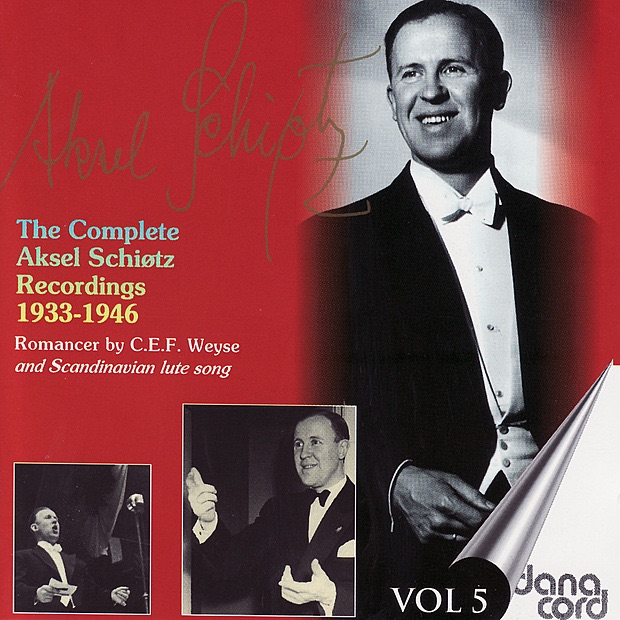 January 18, 2006
 -
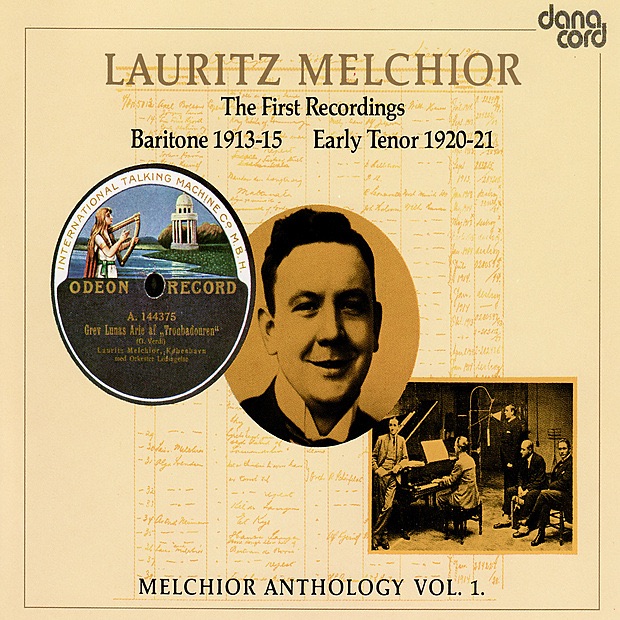 October 1, 1999
 -
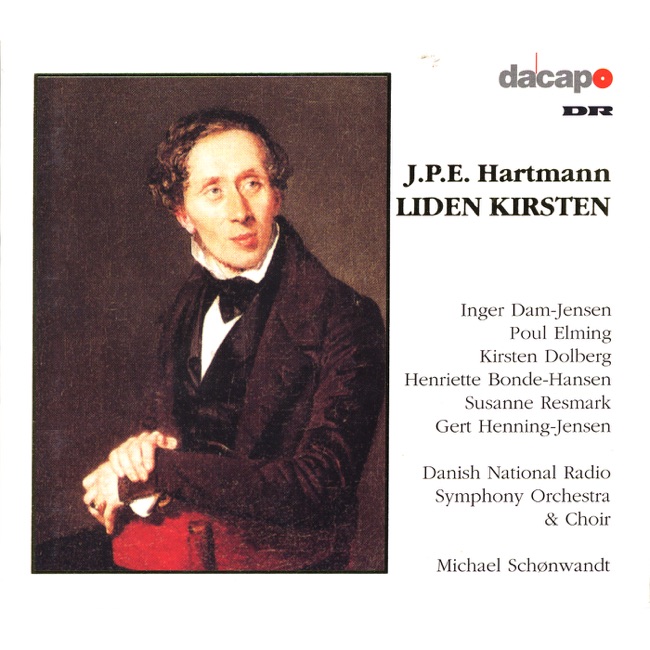 June 22, 1999
Orchestral
-
 July 17, 2015
 -
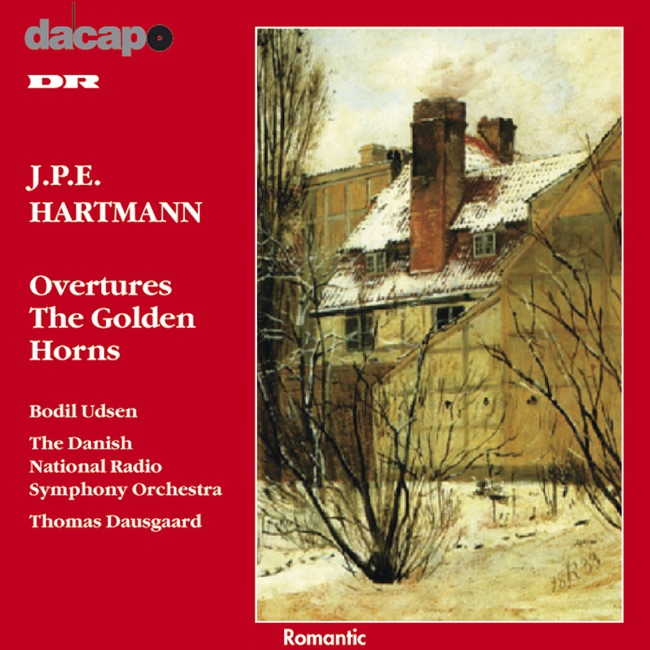 December, 1998
Keyboard
-
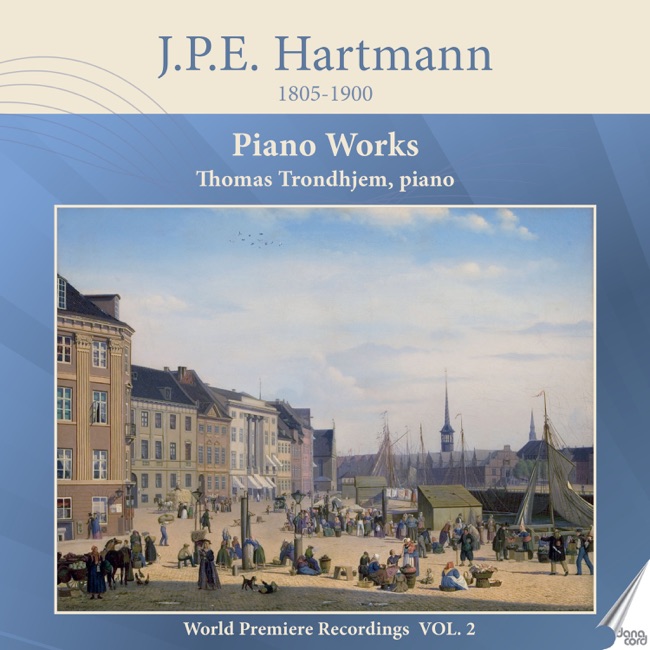 April 16, 2021
 -
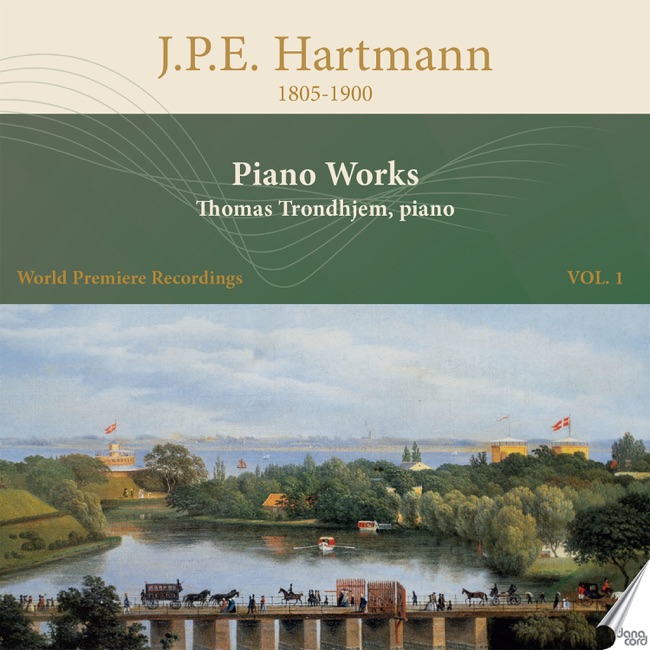 August 21, 2020
 -
 September 14, 2010
 -
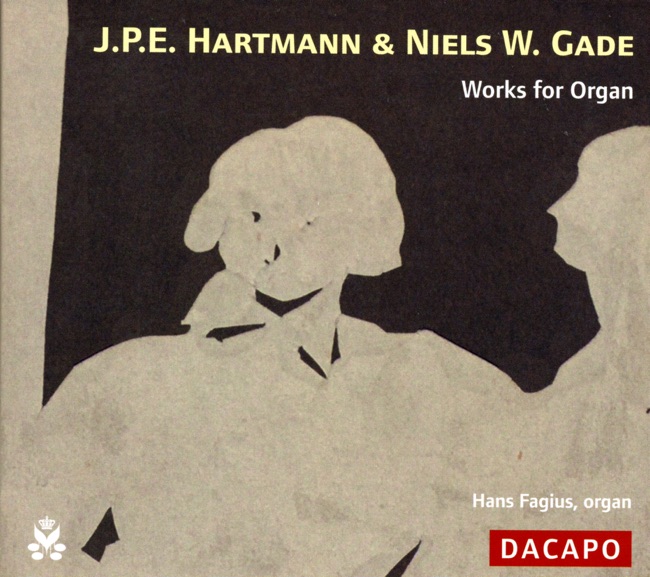 January 17, 2006
 -
 November 14, 2000
Artist Info
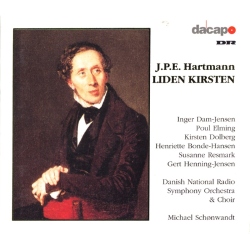
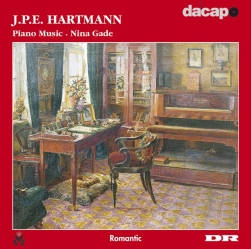
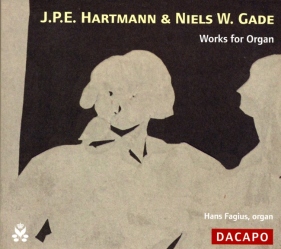
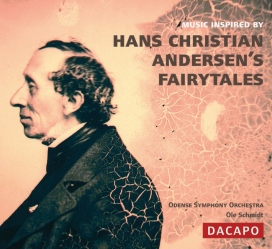
Role:ComposerCountry: DenmarkBirth:May 14, 1805 in Copenhagen, DenmarkDeath:March 10, 1900 in Copenhagen, DenmarkPeriod:RomanticGenre:ChamberKeyboardJohan Peter Emilius Hartmann, commonly known as J. P. E. Hartmann, was a Danish composer and conductor who lived from 1805 to 1900. He was born in Copenhagen, Denmark, to a family of musicians. His father, Johann Ernst Hartmann, was a composer and violinist, and his mother, Julie Sophie Basse, was a singer. Hartmann grew up in a musical environment and began his musical education at a young age. Hartmann's musical talent was evident from an early age, and he began composing music when he was just 12 years old. He studied music with his father and with the composer Christoph Ernst Friedrich Weyse. In 1823, he entered the Royal Danish Academy of Music, where he studied composition with J. A. P. Schulz and piano with Friedrich Kuhlau. After completing his studies, Hartmann began his career as a composer and conductor. He worked as a conductor at the Royal Danish Theatre in Copenhagen from 1832 to 1866, and he also conducted the Copenhagen Philharmonic Orchestra. He was a prolific composer, and his works include operas, ballets, symphonies, chamber music, and songs. One of Hartmann's most famous works is his opera "Liden Kirsten" (Little Kirsten), which premiered in 1846. The opera is based on a Danish folk tale and tells the story of a young girl who falls in love with a prince. The opera was a great success and is still performed today. Hartmann also composed several ballets, including "Et Folkesagn" (A Folk Tale), which premiered in 1854. The ballet is based on a Danish folk tale and tells the story of a young girl who is kidnapped by trolls. The ballet was also a great success and is still performed today. Hartmann's symphonies are also notable works. He composed six symphonies in total, and they are considered some of the finest examples of Danish symphonic music. His Symphony No. 1, which premiered in 1832, is particularly notable for its use of Danish folk melodies. In addition to his larger works, Hartmann also composed a great deal of chamber music and songs. His chamber music includes string quartets, piano trios, and sonatas for various instruments. His songs, which are often set to Danish poetry, are known for their lyrical beauty and emotional depth. Hartmann's music is characterized by its Romantic style, which is evident in its use of lush harmonies, expressive melodies, and dramatic contrasts. His music is also notable for its use of Danish folk melodies and its incorporation of elements of Danish culture. Hartmann's contributions to Danish music were significant, and he is considered one of the most important Danish composers of the 19th century. His music continues to be performed and appreciated today, and his legacy lives on in the works of later Danish composers who were influenced by his music.More....
Recent Artist Music
1
Liden Kirsten, Op.44
Act 2. Hør, ungersvend, sig ikke nej (Now, my young swain, give me not nay)
3:42
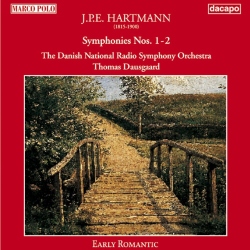
4
2:45
5
2:45
6
5:48
8
6:22
Copyright Ⓒ 2013 Davinci Finger. All rights reseved
Service Terms & Policy