


Carl Nielsen
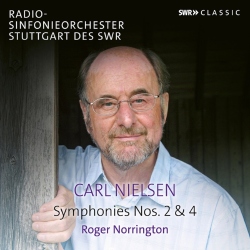
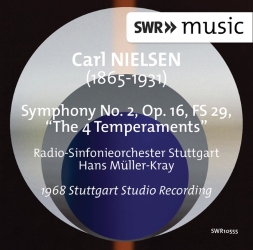
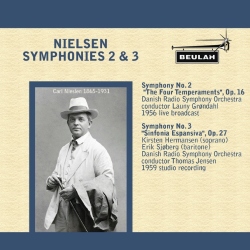
Symphony No. 2, FS 29, Op. 16 "De fire temperamenter"
Released Album
Recent Album


Featured Album
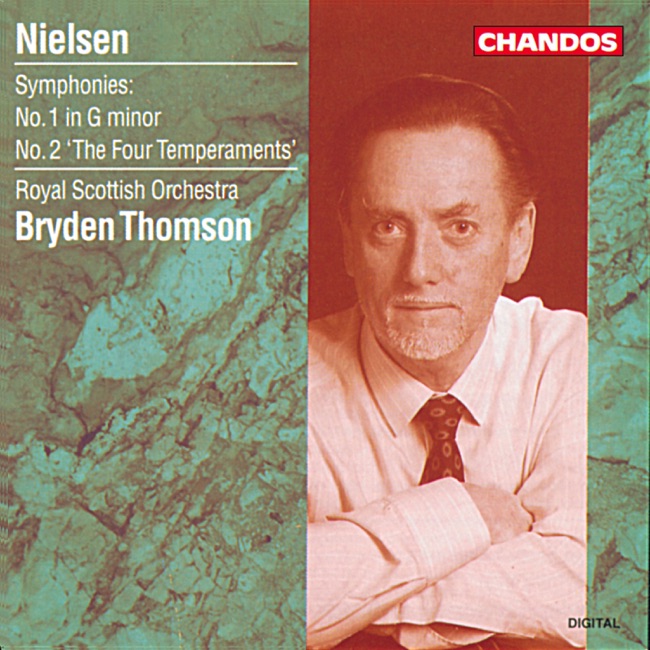
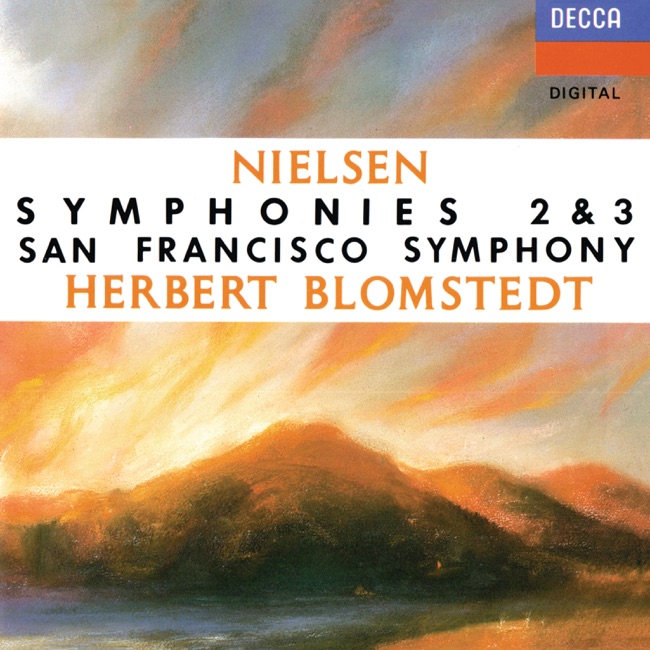
Works Info
Composer:Carl NielsenGenre:SymphonyStyle:SymphonyCompose Date:1901 - 1902Average_duration:32:46Movement_count:4Movement ....Symphony No. 2, FS 29, Op. 16 De fire temperamenter, also known as The Four Temperaments, is a symphony composed by Danish composer Carl Nielsen. The symphony was composed in 1901-1902 and premiered on November 28, 1902, in Copenhagen, Denmark. The symphony is divided into four movements, each representing one of the four temperaments: choleric, phlegmatic, melancholic, and sanguine. The first movement, marked Allegro collerico, represents the choleric temperament, characterized by its fiery and impulsive nature. The second movement, marked Andante comodo e flautando, represents the phlegmatic temperament, characterized by its calm and relaxed nature. The third movement, marked Allegro comodo e flemmatico, represents the melancholic temperament, characterized by its introspective and melancholic nature. The final movement, marked Allegro sanguineo, represents the sanguine temperament, characterized by its lively and optimistic nature. The symphony is known for its use of unconventional harmonies and rhythms, as well as its use of folk melodies and Danish folk music. The symphony also features a prominent role for the solo piano, which is used to represent the different temperaments throughout the work. Overall, Symphony No. 2, FS 29, Op. 16 De fire temperamenter is a unique and innovative work that showcases Nielsen's skill as a composer and his ability to incorporate different musical styles and influences into his compositions.More....
Works Music
Released Music

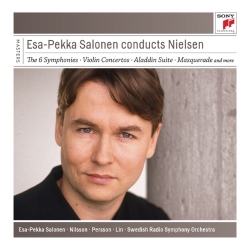
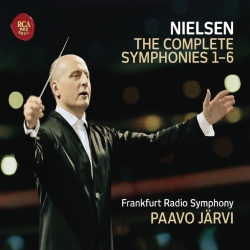
Featured Music
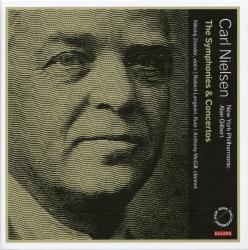
5
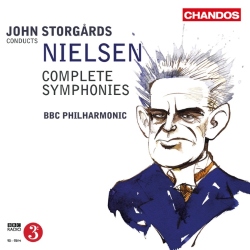
Symphony No. 2, FS 29, Op. 16 "De fire temperament"
1. Allegro collerico - A tempo ma tranquillo - Poco moto - Tempo 1 - Brioso - A tempo ma molto tranquillo - Poco più (stretto)
9:51
7
Symphony No. 2, FS 29, Op. 16 "De fire temperament"
3. Andante malincolico - Poco largamente - Tempo 1 - Un pochettino più mosso - Tempo 1
12:1
8
Symphony No. 2, FS 29, Op. 16 "De fire temperament"
4. Allegro sanguineo - Adagio molto - Tempo 1 - Marziale
7:
10
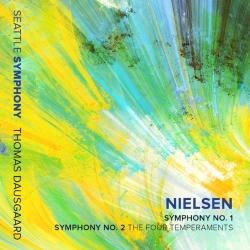
Symphony No. 2, FS 29, Op. 16 "De fire temperament"
Allegro comodo e flemmatico ("Phlegmatic")
4:25