


Jean Sibelius
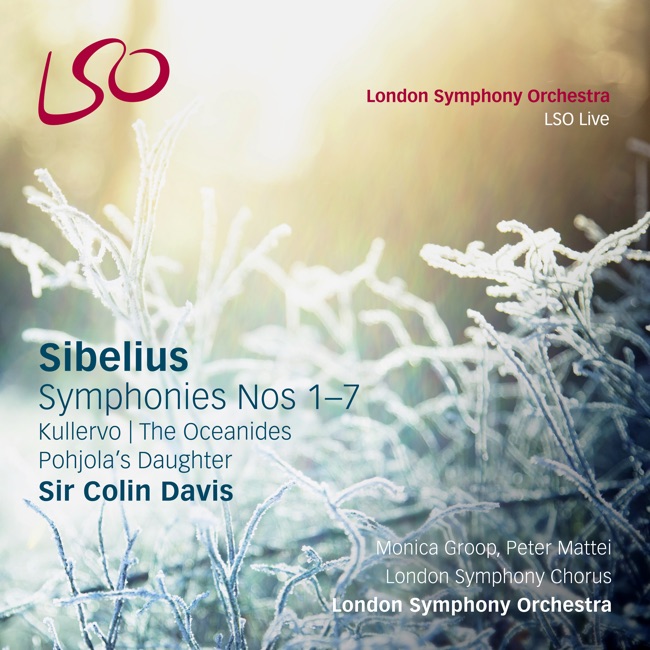
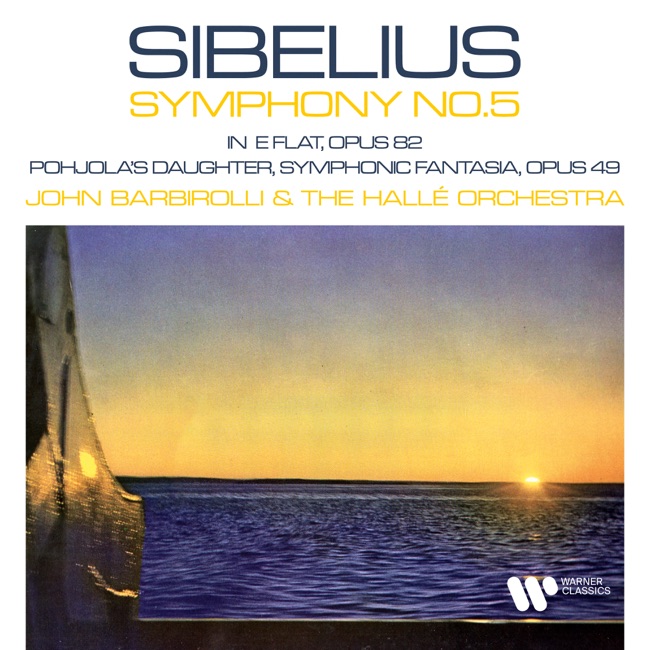
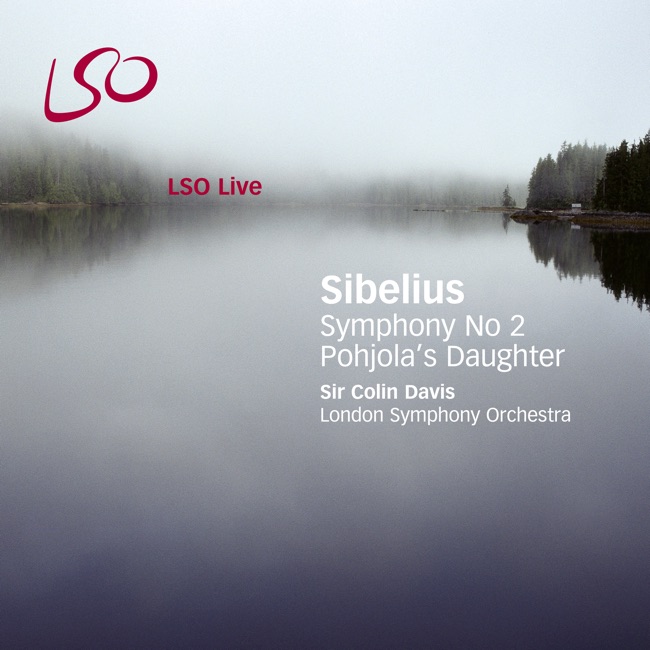
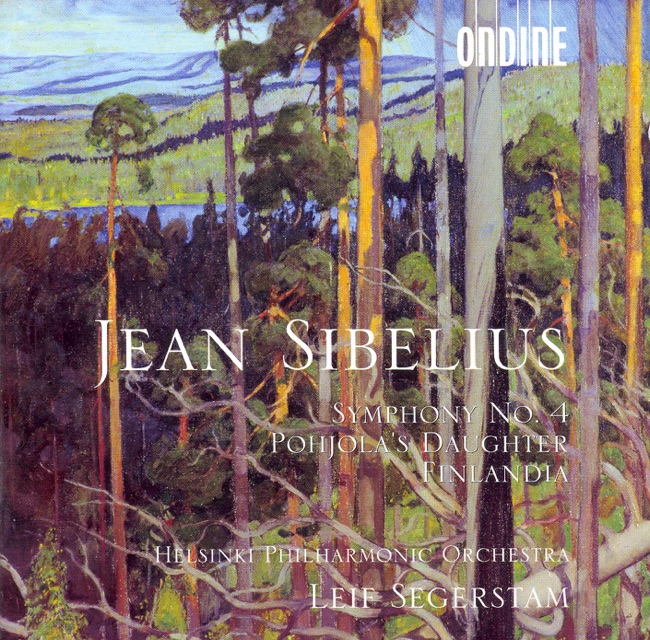
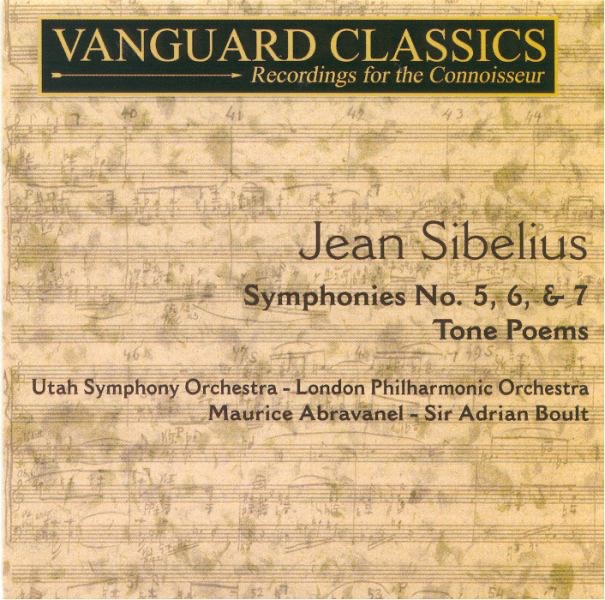
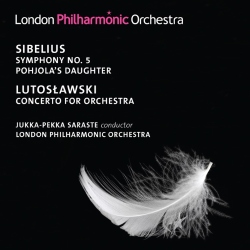
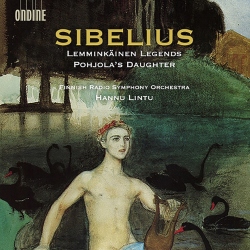
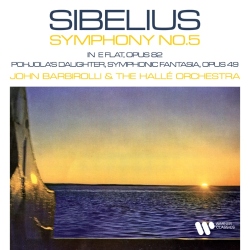
Pohjola's Daughter, Op. 49
Released Album
Recent Album
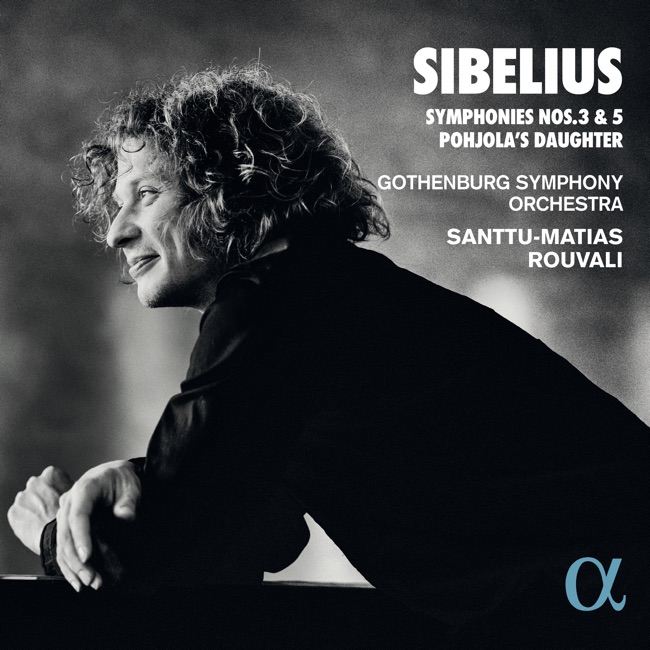

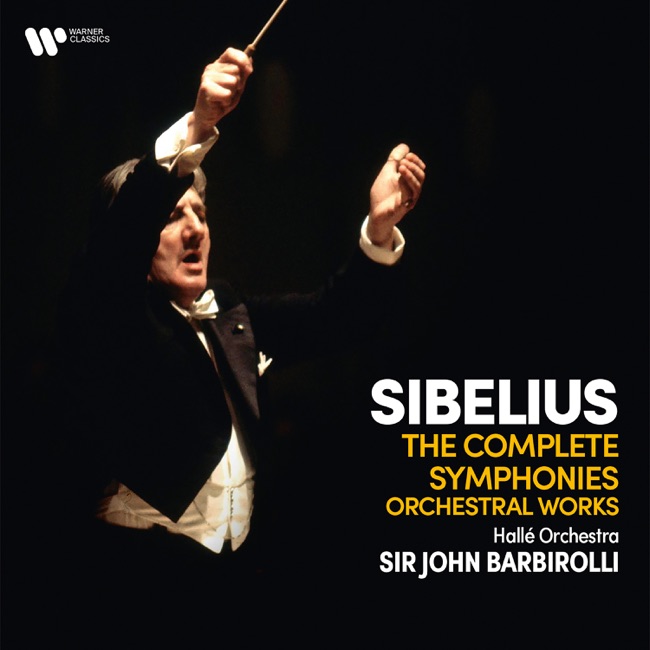
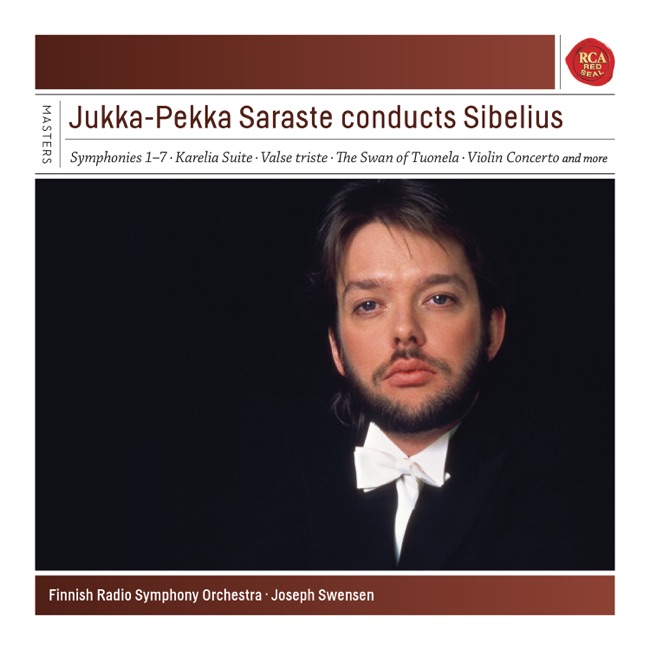
Featured Album
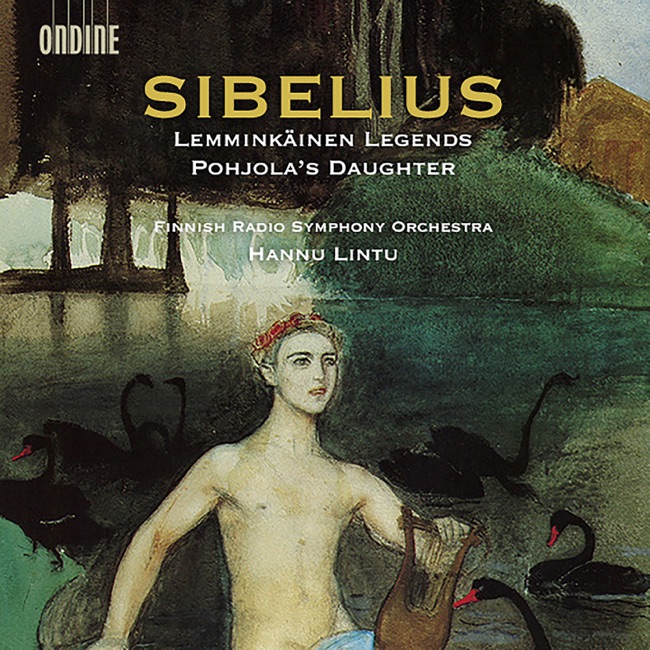
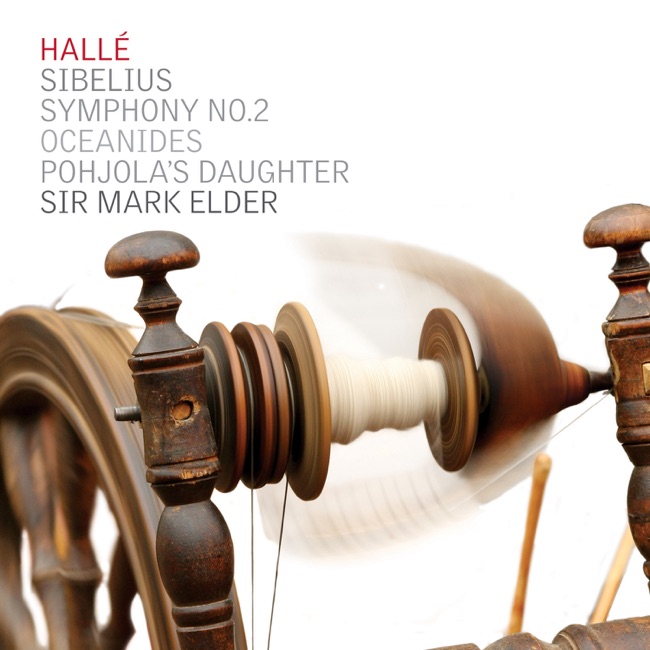
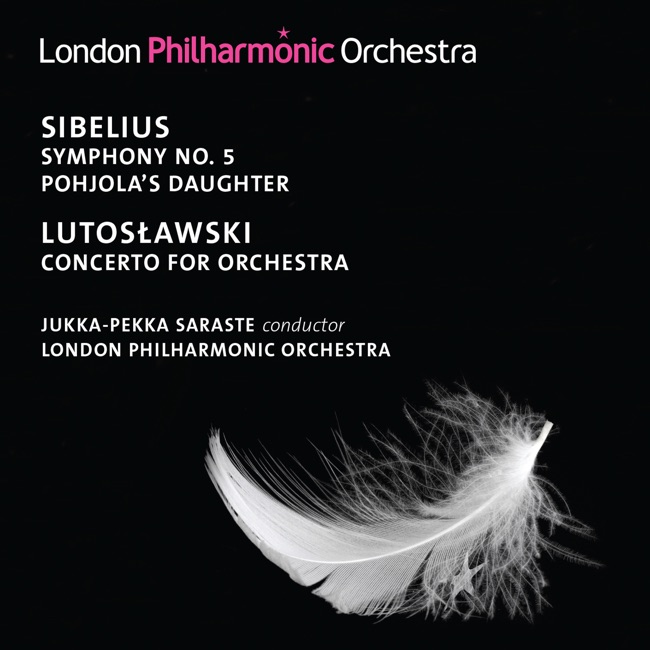
Works Info
Composer:Jean SibeliusGenre:OrchestralStyle:FantasyCompose Date:1906Average_duration:13:14Jean Sibelius' 'Pohjola's Daughter, Op. 49' is a symphonic poem that was composed in 1906. It premiered on November 13, 1906, in Helsinki, Finland, with the composer conducting the Helsinki Philharmonic Orchestra. The piece is inspired by Finnish mythology and folklore, specifically the story of Pohjola, a mythical land in the north. The piece is divided into three movements, each representing a different aspect of the story. The first movement, marked Allegro moderato, represents the vastness and mystery of Pohjola. The music is slow and atmospheric, with long, sustained notes in the strings and woodwinds. The brass section adds a sense of grandeur and power, while the percussion provides a rhythmic pulse. The second movement, marked Allegro, represents the daughter of Pohjola, who is said to be the most beautiful woman in the world. The music is fast and lively, with a playful melody in the strings and woodwinds. The brass section adds a sense of excitement and energy, while the percussion provides a driving rhythm. The third movement, marked Andante sostenuto, represents the hero who seeks to win the daughter of Pohjola. The music is slow and contemplative, with a mournful melody in the strings and woodwinds. The brass section adds a sense of longing and determination, while the percussion provides a steady beat. Overall, 'Pohjola's Daughter, Op. 49' is a powerful and evocative piece of music that captures the spirit of Finnish mythology. Sibelius' use of orchestration and melody creates a vivid and immersive musical landscape that transports the listener to the world of Pohjola.More....
Works Music
Released Music
2

12:46
3
14:18
7
12:44
8
14:4
10
14:24
Featured Music
1
13:7
5
14:33
6
13:21
7
12:7
10
13:17


Main Perform Artists