


Robert Schumann
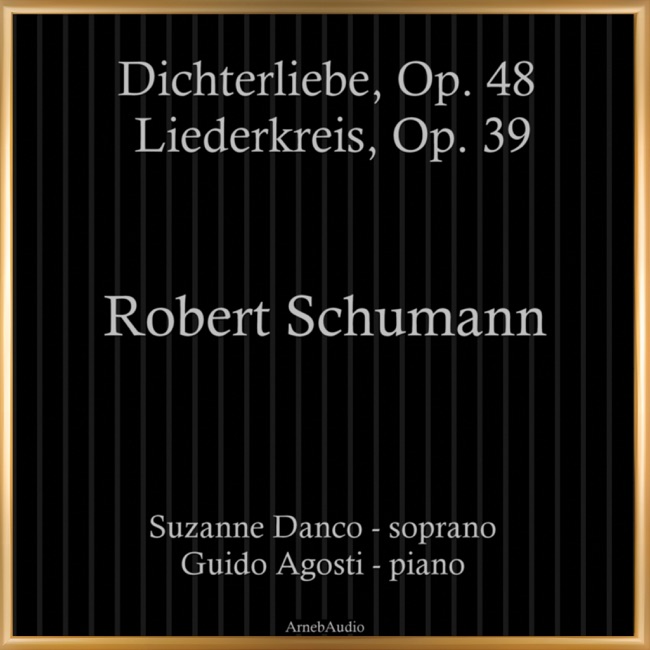
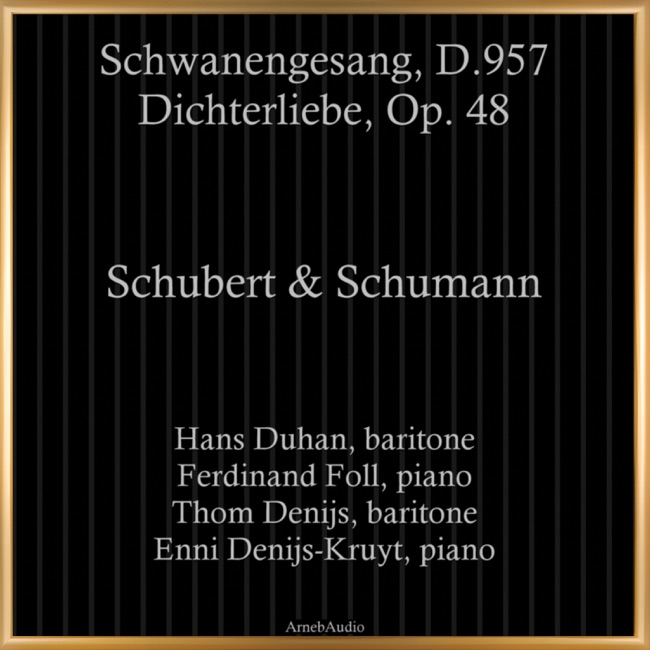
Dichterliebe, Op. 48
Released Album
Recent Album
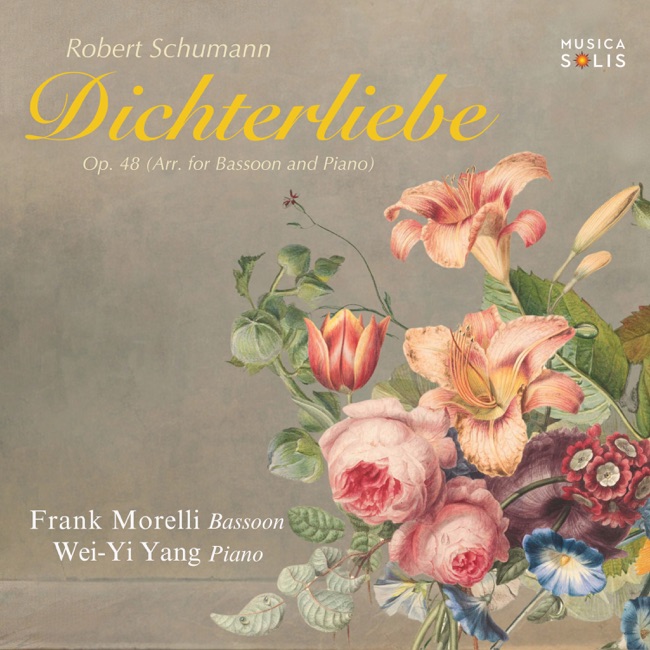
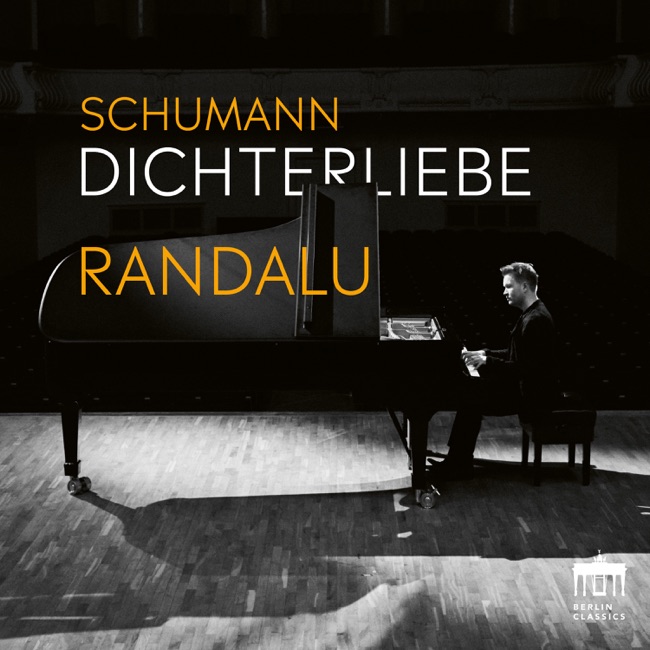
Featured Album
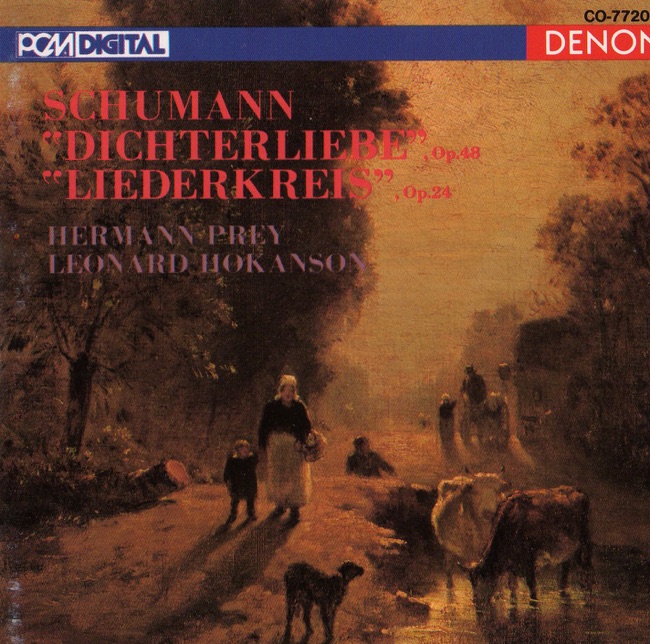
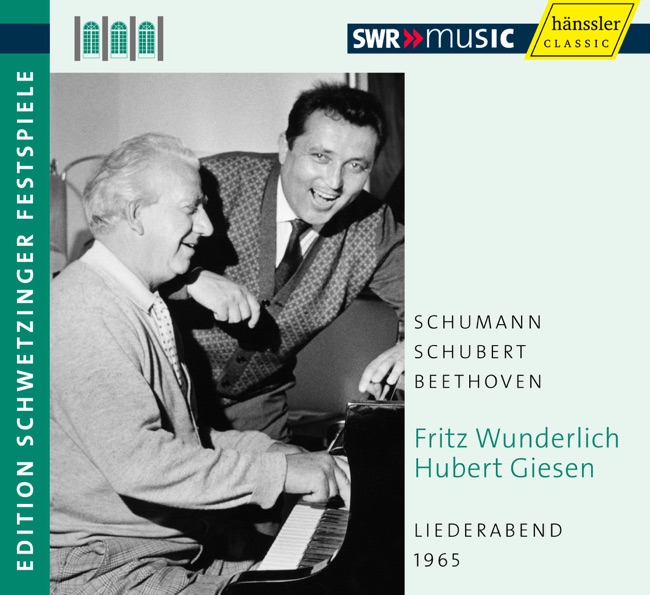
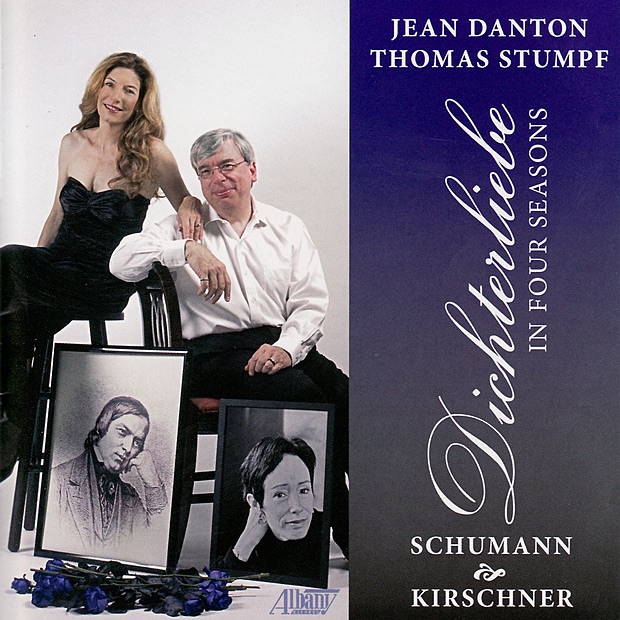
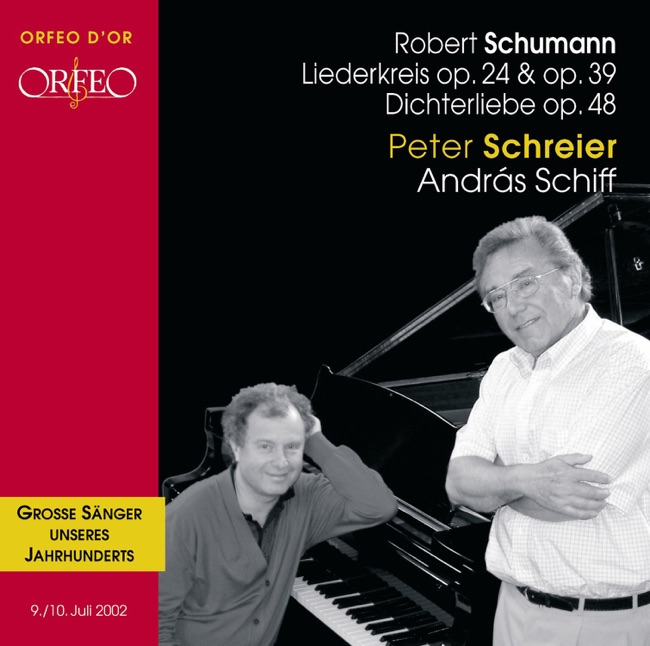
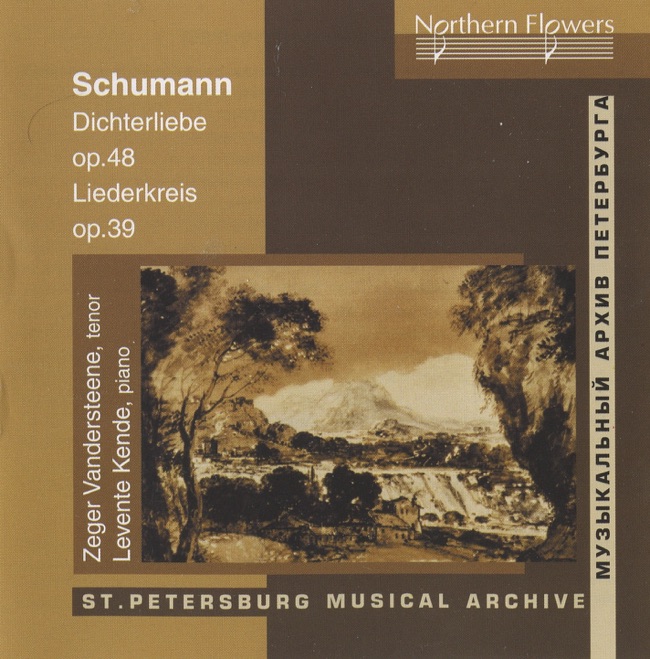

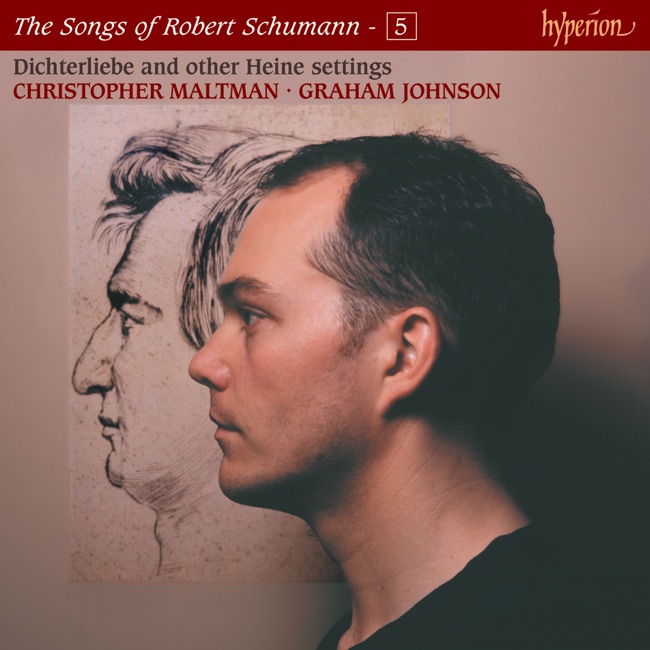
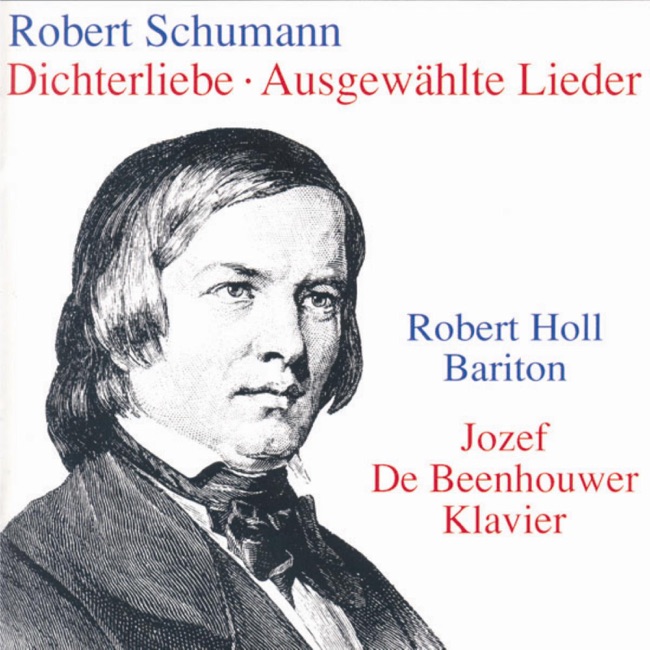
Works Info
Composer:Robert SchumannGenre:VocalStyle:Song CycleCompose Date:1840Average_duration:29:10Movement_count:16Movement ....Robert Schumann's 'Dichterliebe, Op. 48' is a song cycle composed in 1840. It premiered on May 16, 1844, in Leipzig, Germany. The cycle consists of sixteen songs, each set to a poem by Heinrich Heine. The songs are arranged in a specific order, telling the story of a man's journey through love and heartbreak. The first song, "Im wunderschönen Monat Mai" (In the wonderful month of May), sets the tone for the cycle, with the protagonist experiencing the joy and excitement of falling in love. The second song, "Aus meinen Tränen sprießen" (From my tears spring forth), explores the idea of the protagonist's tears nourishing the flowers that grow from his heartache. The third song, "Die Rose, die Lilie, die Taube, die Sonne" (The rose, the lily, the dove, the sun), is a playful and whimsical song, describing the protagonist's lover as a beautiful rose, lily, dove, and sun. The fourth song, "Wenn ich in deine Augen seh'" (When I look into your eyes), is a tender and intimate love song, expressing the protagonist's desire to lose himself in his lover's eyes. The fifth song, "Ich will meine Seele tauchen" (I want to immerse my soul), is a melancholic and introspective song, exploring the idea of the protagonist's soul being consumed by his love. The sixth song, "Im Rhein, im heiligen Strome" (In the Rhine, the holy river), is a dramatic and powerful song, describing the protagonist's desire to drown himself in the river after his lover has left him. The seventh song, "Ich grolle nicht" (I bear no grudge), is a bitter and angry song, expressing the protagonist's resentment towards his lover for leaving him. The eighth song, "Und wüssten's die Blumen, die kleinen" (And if the little flowers knew), is a poignant and sad song, exploring the idea of the protagonist's heartache being invisible to the world around him. The ninth song, "Das ist ein Flöten und Geigen" (There is a fluting and fiddling), is a lively and upbeat song, describing the protagonist's desire to forget his heartache and enjoy life. The tenth song, "Hör' ich das Liedchen klingen" (When I hear the little song), is a nostalgic and wistful song, expressing the protagonist's longing for his lost love. The eleventh song, "Ein Jüngling liebt ein Mädchen" (A young man loves a girl), is a simple and straightforward song, describing the protagonist's love for his lover. The twelfth song, "Am leuchtenden Sommermorgen" (On a bright summer morning), is a peaceful and serene song, exploring the idea of the protagonist finding solace in nature. The thirteenth song, "Ich hab' im Traum geweinet" (I wept in my dream), is a haunting and surreal song, describing the protagonist's dream of his lover returning to him. The fourteenth song, "Allnächtlich im Traume" (Every night in my dreams), is a desperate and obsessive song, expressing the protagonist's inability to let go of his love. The fifteenth song, "Aus alten Märchen" (From old fairy tales), is a nostalgic and romantic song, exploring the idea of the protagonist's love being like a fairy tale. The final song, "Die alten, bösen Lieder" (The old, evil songs), is a bitter and resigned song, expressing the protagonist's acceptance of his heartache and his desire to move on.More....
Works Music
Released Music
Featured Music
Recommend Playlist














Main Perform Artists
Tenor Vocal
Piano
Piano
Vocals
Baritone Vocal
Piano
Tenor Vocal
Tenor Vocal
Baritone (Vocal)
Baritone Vocal
Piano
Piano
Baritone Vocal
Piano
Piano
Piano