


Gabriel Fauré
Released Album
Vocal
-
 October 4, 2024
 -

-
 September 6, 2024
 -
-
 August 2, 2024
 -
 July 12, 2024
Choral
-
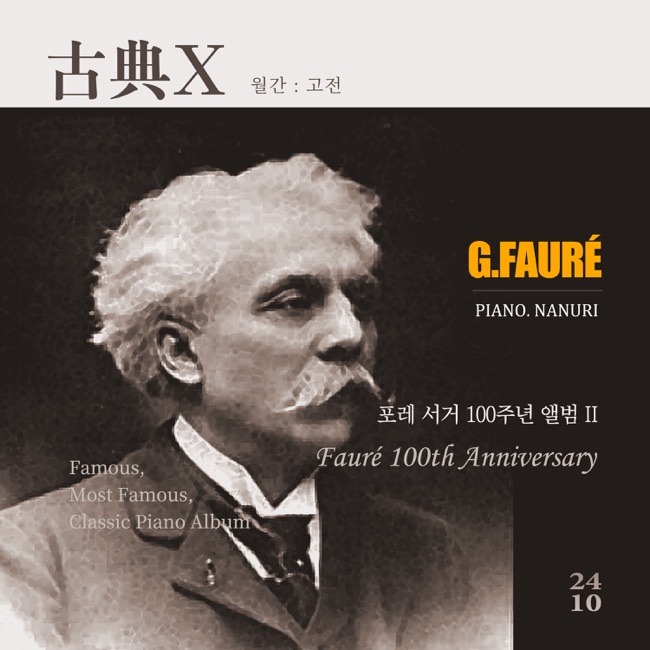 October 7, 2024
 -
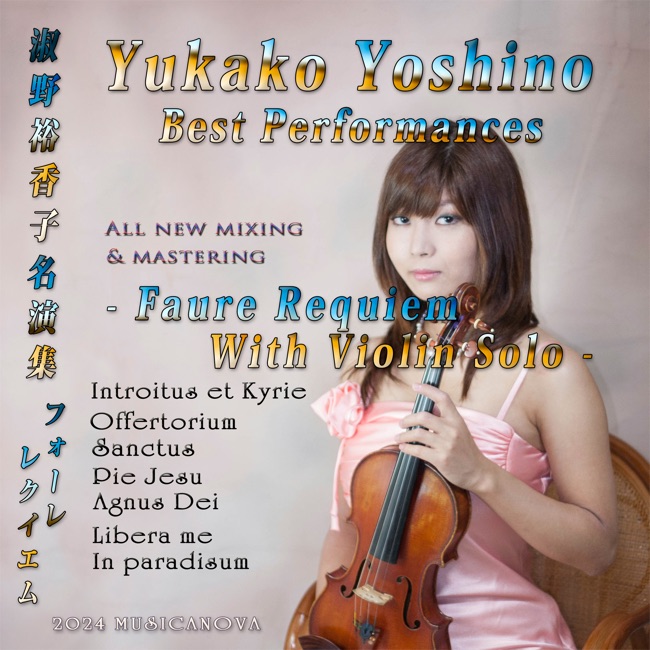
-

-
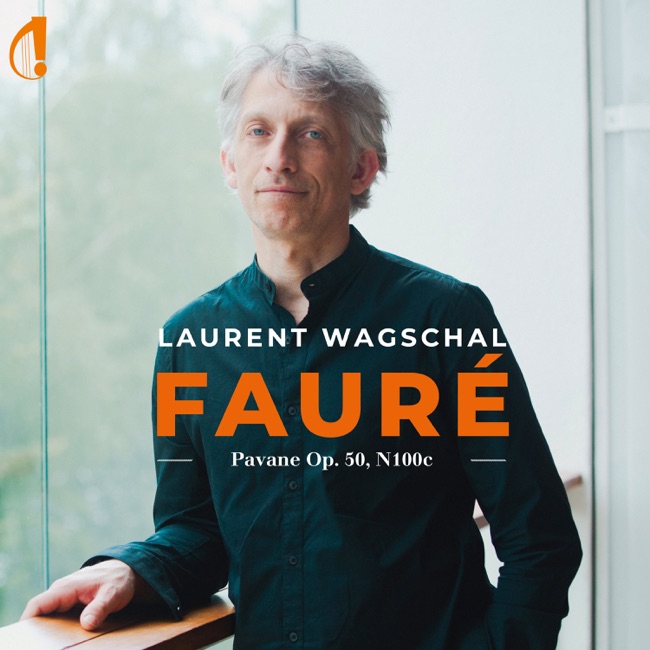 September 6, 2024
 -
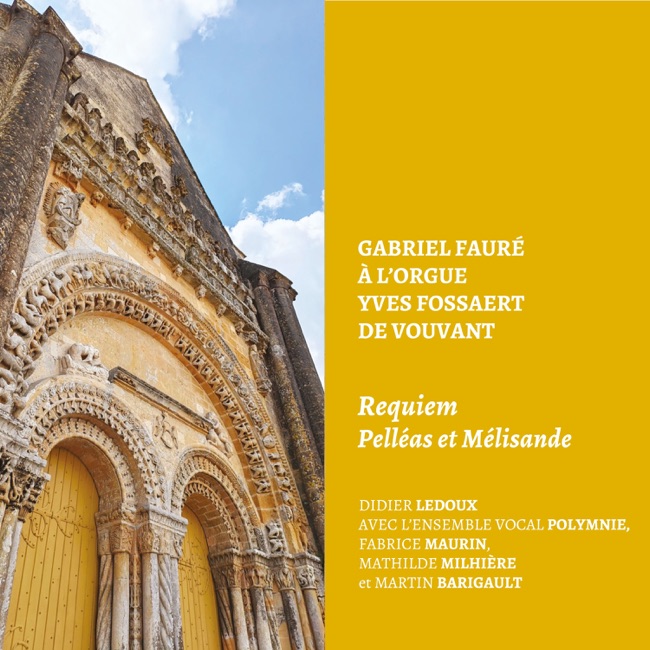
-
 August 16, 2024
Chamber
-
 October 18, 2024
 -
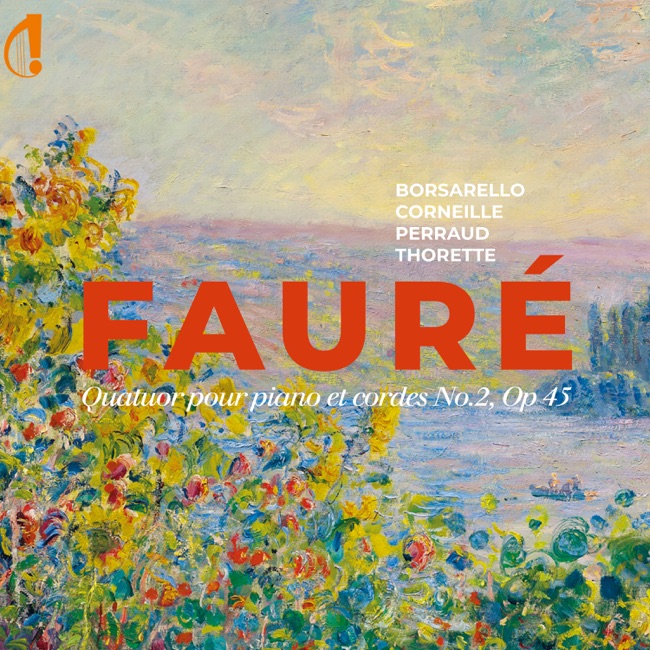 October 18, 2024
 -
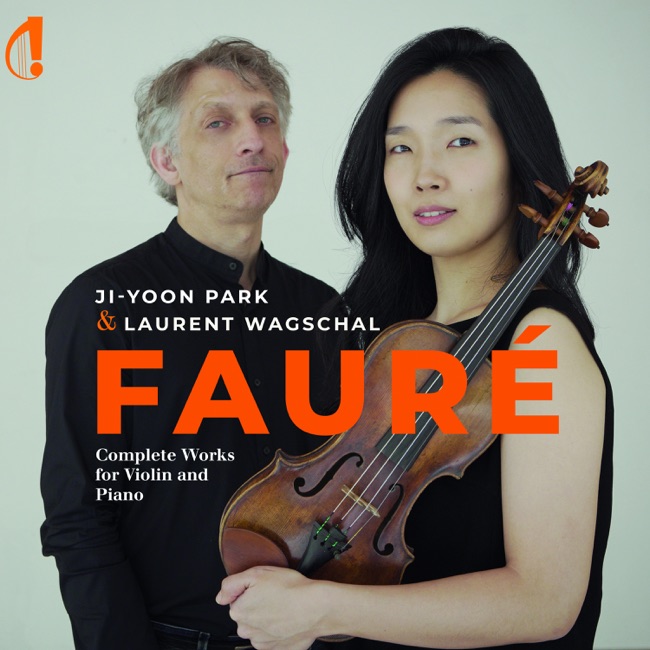 October 11, 2024
 -
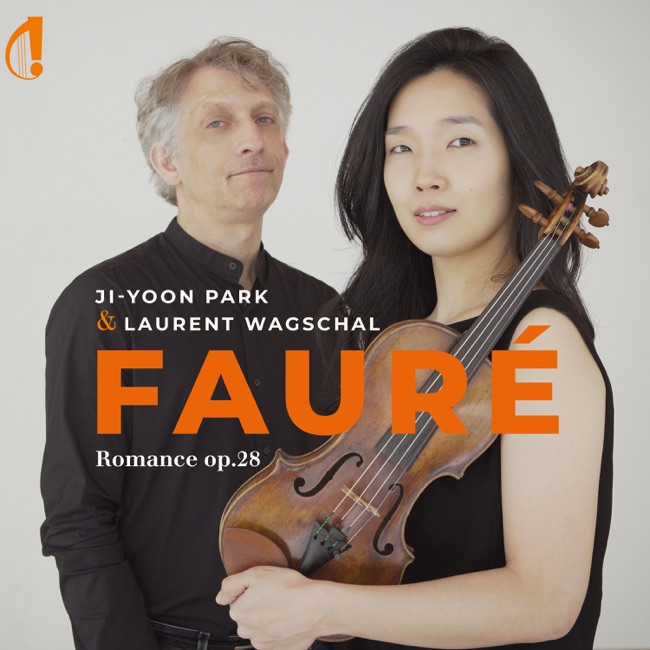 August 30, 2024
 -
 August 23, 2024
 -
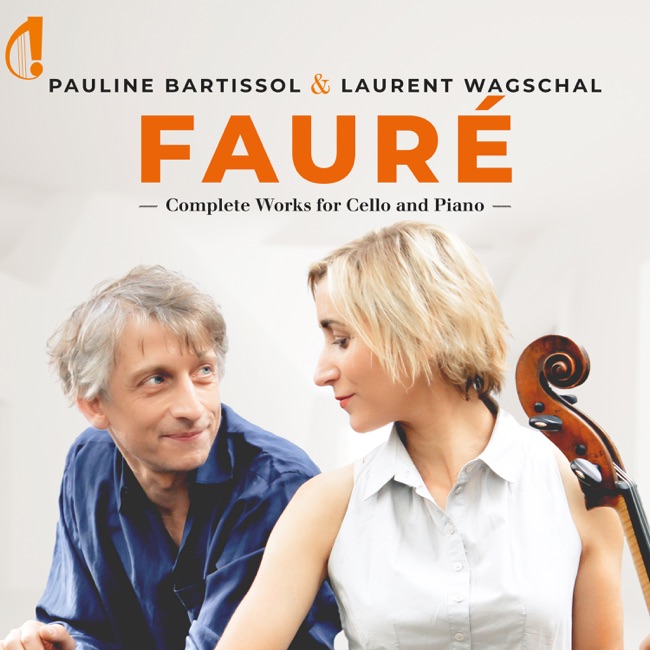 June 28, 2024
Keyboard
-
 September 17, 2024
 -

-
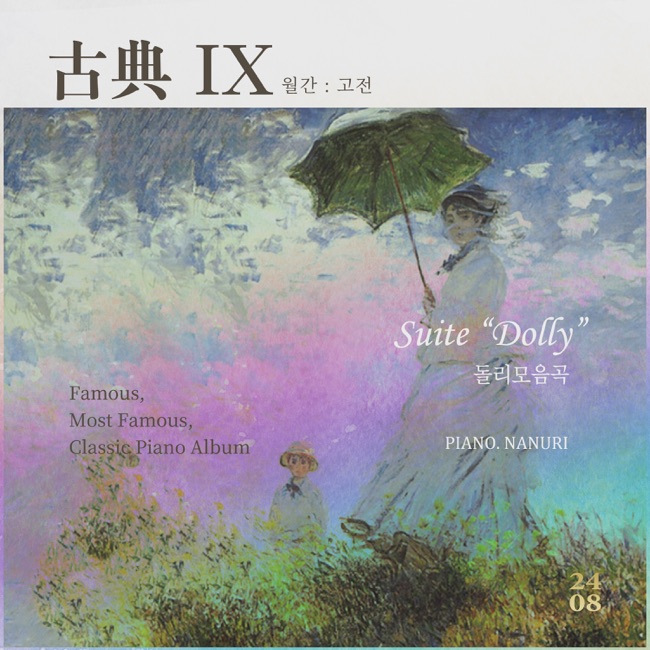 August 27, 2024
 -
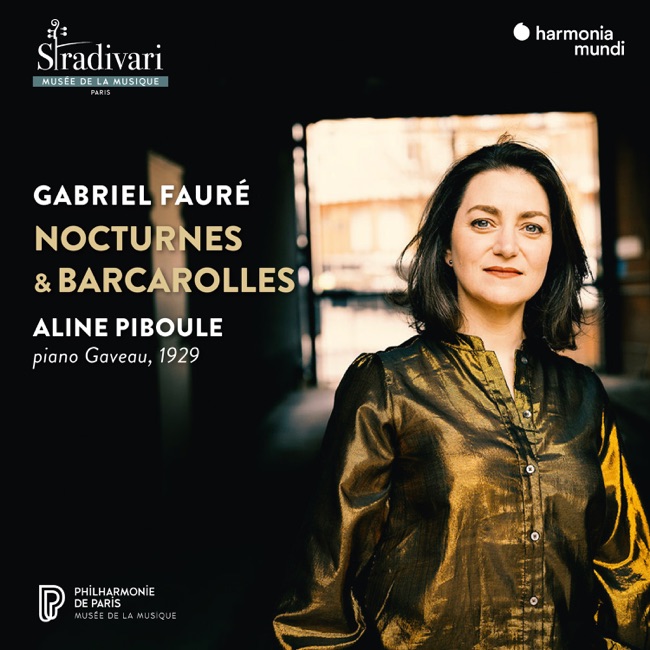 August 23, 2024
 -
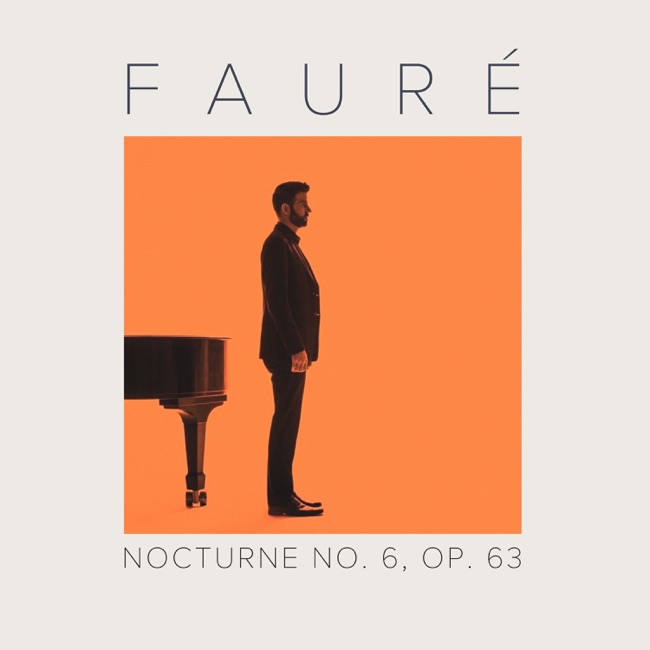 August 16, 2024
 -
 August 16, 2024
Artist Info
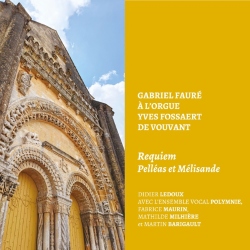
Role:Composer PerformerCountry: FranceBirth:May 12, 1845 in Pamiers, Ariège, FranceDeath:November 4, 1924 in Paris, FrancePeriod:RomanticContemporaryGenre:ChamberChoralKeyboardGabriel Fauré was a French composer and pianist who lived from 1845 to 1924. He was born in Pamiers, a small town in the south of France, to a family of modest means. His father was a schoolteacher and his mother was a seamstress. Despite their limited resources, Fauré's parents recognized his musical talent at an early age and encouraged him to pursue his passion. Fauré began his musical education at the age of nine, when he was sent to study at the École Niedermeyer, a school for church music in Paris. There, he received a rigorous training in music theory, composition, and performance. He also had the opportunity to study with some of the leading musicians of the day, including Camille Saint-Saëns and Charles Gounod. After completing his studies at the École Niedermeyer, Fauré worked as a church organist and choirmaster in various towns throughout France. During this time, he continued to compose music and develop his own unique style. His early works were heavily influenced by the Romantic composers of the time, such as Chopin and Schumann, but he gradually began to develop a more individual voice. In 1883, Fauré was appointed as a professor of composition at the Paris Conservatoire, where he remained for the rest of his career. He was a highly respected teacher, and his students included Maurice Ravel and Nadia Boulanger, among others. Fauré's tenure at the Conservatoire was marked by a number of important developments in his music. He began to experiment with new forms and techniques, such as the use of modal harmonies and the incorporation of folk melodies. Fauré's most famous works include his Requiem, which he composed in the 1880s and revised several times over the course of his career. The Requiem is a deeply personal work that reflects Fauré's own spiritual beliefs. It is notable for its gentle, understated tone, which is in contrast to the bombastic and dramatic style of many other requiems. Another important work by Fauré is his Piano Quartet No. 1, which he composed in 1876. This piece is notable for its innovative use of harmony and its lyrical melodies. It is considered one of the finest examples of chamber music from the late Romantic period. Fauré's music is characterized by its elegance, refinement, and subtlety. He was a master of melody and harmony, and his works are marked by their delicate beauty and emotional depth. Fauré's influence can be heard in the music of many later composers, including Ravel, Debussy, and Poulenc. Despite his many accomplishments, Fauré's life was not without its challenges. He suffered from hearing loss throughout his career, which made it difficult for him to perform and communicate with others. He also struggled with depression and anxiety, which he often expressed in his music. Fauré died in 1924 at the age of 79. He left behind a rich legacy of music that continues to be celebrated and performed today. His works are a testament to his talent and his enduring contribution to the world of classical music.More....
Recent Artist Music
2
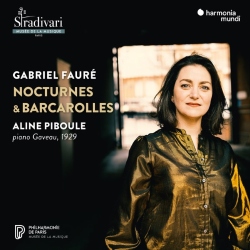
Nocturne for piano No. 11 in F sharp minor, Op. 104/1
Nocturne No. 11 in F sharp minor Deux Pièces, Op.104/1
4:8
5

6:45
10

3:12
12
8:57
Works Highlight
Recommend Playlist











Related Artists
Copyright Ⓒ 2013 Davinci Finger. All rights reseved
Service Terms & Policy