


George Enescu
Released Album
Chamber
-
 January 26, 2024
 -
 January 12, 2024
 -
 January 6, 2024
 -
 December 8, 2023
 -
 June 7, 2023
 -
 March 17, 2023
Orchestral
-
-
-
 July 8, 2022
 -

-
 May 7, 2021
 -
Keyboard
-
 October 27, 2023
 -
 June 16, 2023
 -
 May 26, 2023
 -
 April 21, 2023
 -
-
 October 7, 2022
Concerto
-
-
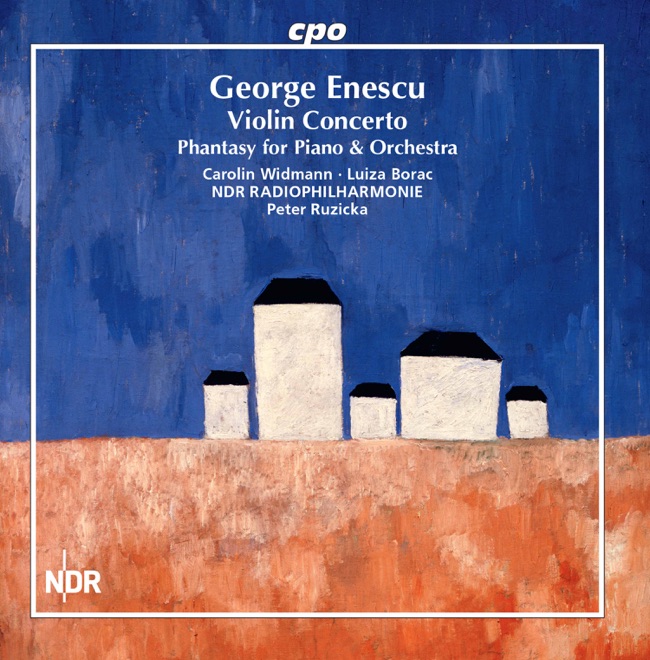 February 4, 2022
 -
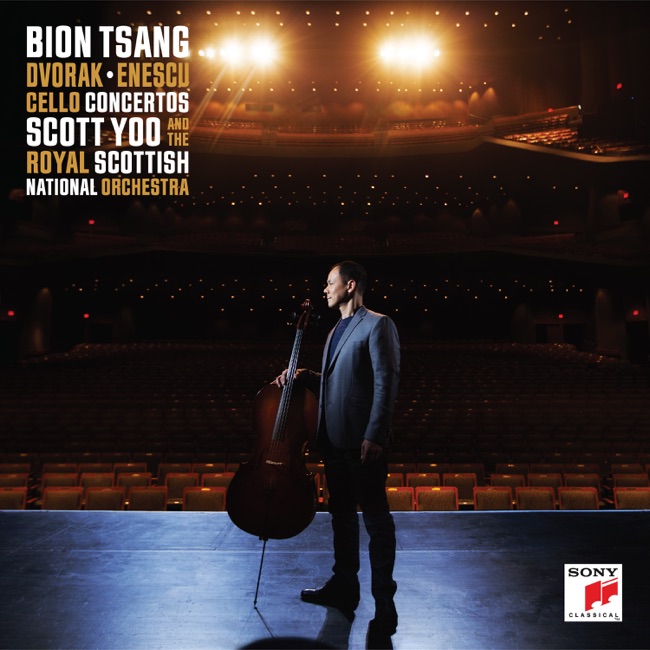 June 14, 2019
 -
 May 18, 2019
 -
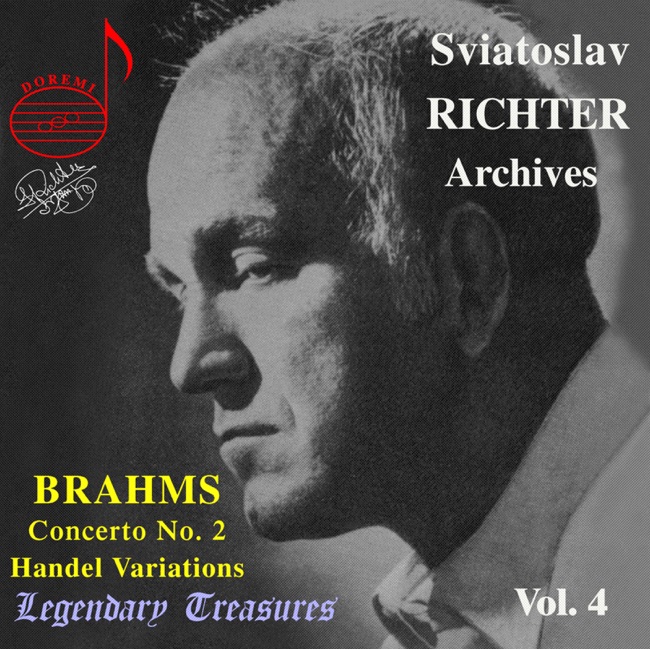
-
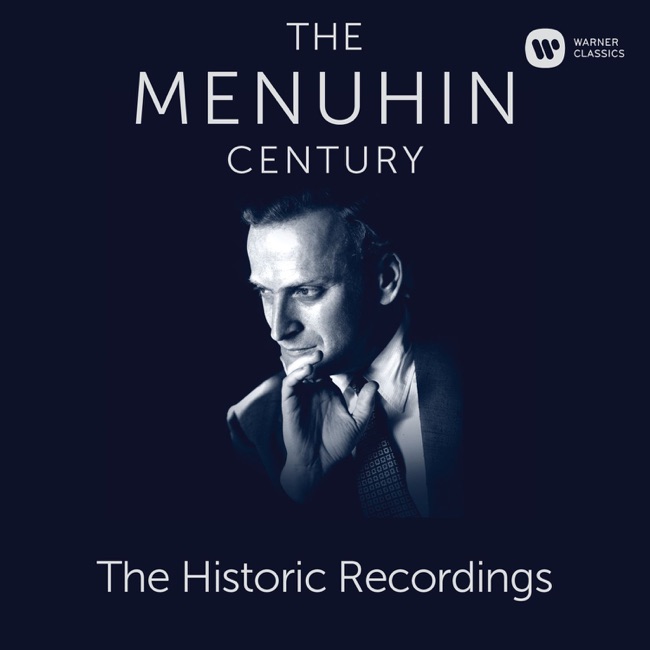 April 22, 2016
Artist Info
Role:Composer ConductorCountry: RomaniaBirth:August 19, 1881 in Liveni-Virnav, RomaniaDeath:May 4, 1955 in Paris, FrancePeriod:ContemporaryModernGenre:ChamberOrchestralGeorge Enescu was a Romanian composer, violinist, pianist, and conductor who was born on August 19, 1881, in Liveni, Romania. He was the youngest of four children and showed an early interest in music. His father, a village teacher, recognized his son's talent and began teaching him the violin when he was just four years old. Enescu's family moved to Iași, Romania, when he was seven years old, and he continued his musical studies with local teachers. At the age of nine, he was accepted into the Vienna Conservatory, where he studied violin with Joseph Hellmesberger Jr. and composition with Robert Fuchs. He also studied with the famous violinist and composer Eugène Ysaÿe in Paris. Enescu made his debut as a violinist in Paris in 1897, and he quickly gained a reputation as a virtuoso performer. He performed throughout Europe and the United States, and he was praised for his technical skill and musicality. He also began composing during this time, and his early works show the influence of the Romantic composers he admired, such as Brahms, Tchaikovsky, and Wagner. Enescu's most famous work is his Romanian Rhapsody No. 1, which he composed in 1901. The piece is based on traditional Romanian folk melodies, and it became an instant success when it was premiered in Bucharest in 1903. Enescu went on to compose two more Romanian Rhapsodies, as well as other works that incorporated Romanian folk music, such as his Suite No. 1 for Orchestra and his opera Œdipe. Enescu's music is characterized by its lyricism, its use of folk melodies, and its complex harmonies and rhythms. He was also interested in the music of other cultures, and he incorporated elements of Indian, Arabic, and Byzantine music into his compositions. His music is often compared to that of his contemporaries, such as Bartók and Stravinsky, and he is considered one of the most important composers of the 20th century. In addition to his work as a composer, Enescu was also a respected conductor. He conducted the premiere of Stravinsky's Rite of Spring in Paris in 1913, and he was the conductor of the Orchestre Symphonique de Paris from 1923 to 1935. He also taught at the Paris Conservatory, where his students included Yehudi Menuhin and Arthur Grumiaux. Enescu's personal life was marked by tragedy. He married Maria Rosetti, the daughter of a Romanian politician, in 1913, but their marriage was unhappy, and they divorced in 1935. Enescu also suffered from health problems throughout his life, including tuberculosis and heart disease. He died on May 4, 1955, in Paris, at the age of 73. Enescu's legacy lives on through his music, which continues to be performed and recorded today. His Romanian Rhapsodies are still popular with audiences, and his other works, such as his Symphony No. 3 and his Piano Sonata No. 3, are considered masterpieces of 20th-century music. Enescu's influence can also be heard in the music of other composers, such as György Ligeti and Henri Dutilleux, who were inspired by his use of folk music and his innovative approach to harmony and rhythm. In conclusion, George Enescu was a talented and innovative composer who made significant contributions to the world of classical music. His use of folk music and his interest in other cultures set him apart from his contemporaries, and his music continues to be admired and studied today.More....
Recent Artist Music
3
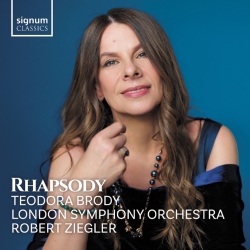
Romanian Rhapsody No. 1 in A major, Op. 11/1
First Romanian Rhapsody in A Major, Op. 11 No. 1
13:36

8
8:32
11
7:44
13
11:9
Works Highlight
Recommend Playlist










Related Artists
Copyright Ⓒ 2013 Davinci Finger. All rights reseved
Service Terms & Policy