


Charles Koechlin
Released Album
Chamber
-
 September 28, 2024
 -
 April 7, 2024
 -
 December 28, 2022
 -
 September 16, 2022
 -
-
 November 5, 2021
Keyboard
-
 December 23, 2021
 -
 December 23, 2021
 -
 December 22, 2021
 -
-
 October 14, 2014
 -
 January 3, 2012
Vocal
-
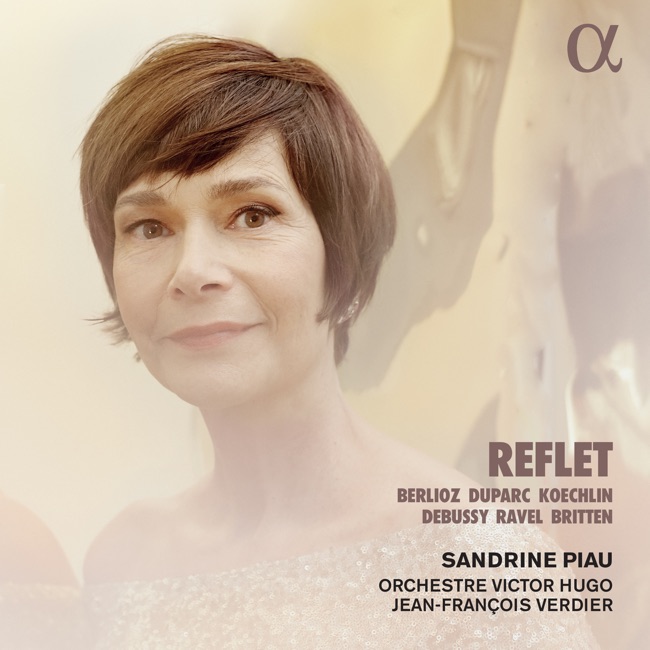 January 12, 2024
 -
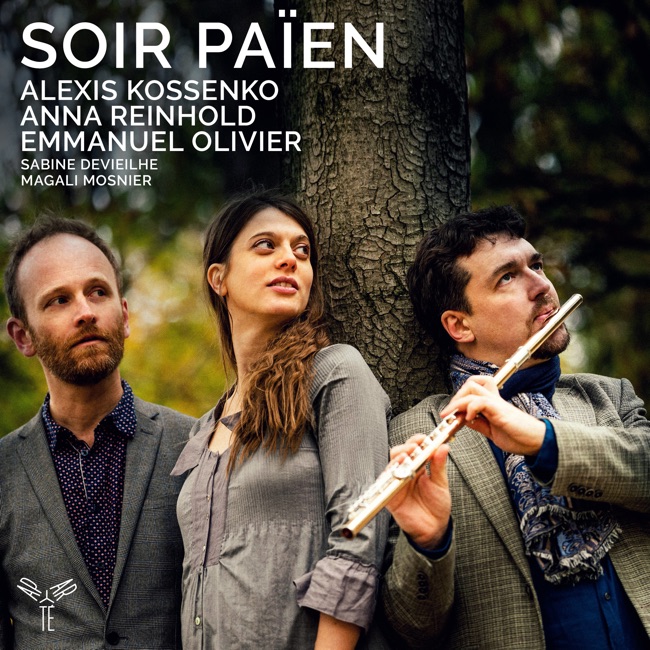 March 27, 2020
 -
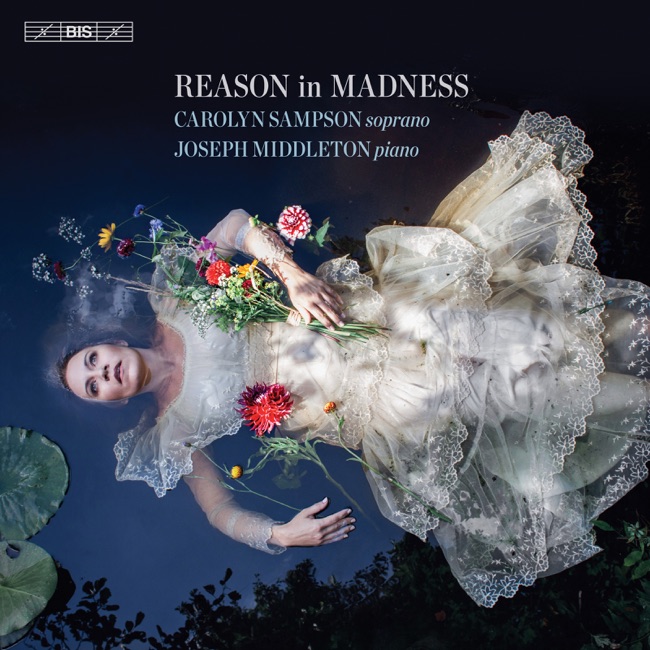 April 5, 2019
 -
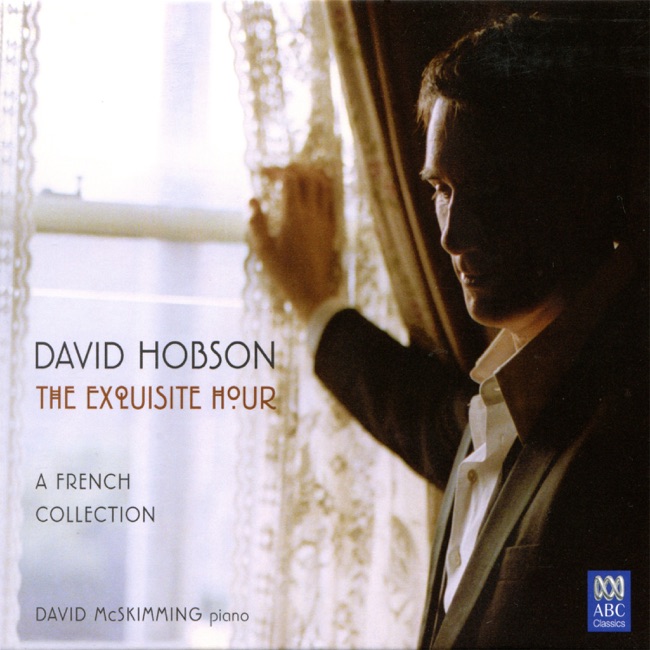 January 17, 2018
 -
 July 10, 2015
 -
 May 12, 2015
Orchestral
-
-
 January 31, 2020
 -
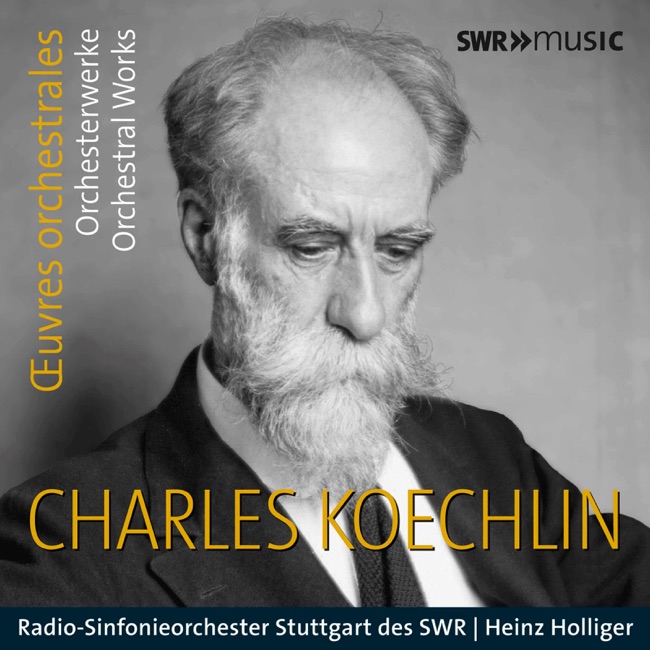 October 13, 2017
 -
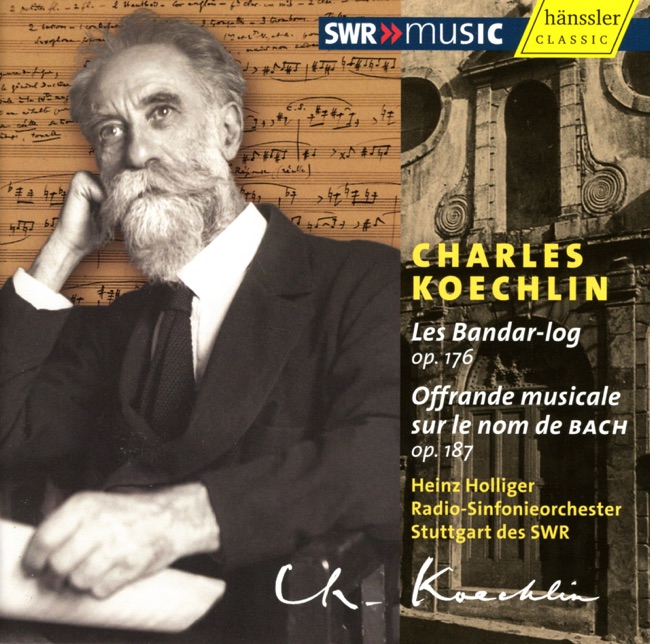
-
 June 26, 2009
 -
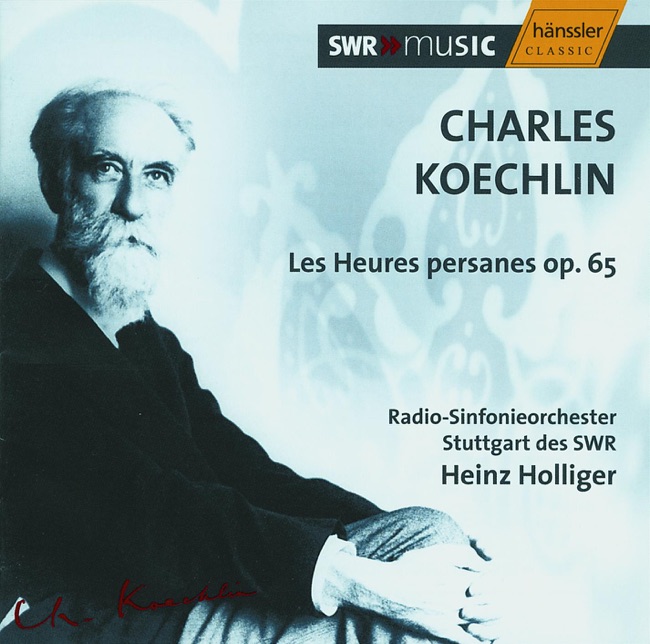 February 6, 2006
Artist Info
Role:ComposerCountry: FranceBirth:November 27, 1867 in Paris, FranceDeath:December 31, 1950 in Le Canadel, Var, FrancePeriod:ContemporaryModernGenre:ChamberKeyboardVocalCharles Koechlin was a French composer and teacher who lived from 1867 to 1950. He was born in Paris to a family of Alsatian origin, and his father was a successful businessman. Koechlin showed an early interest in music, and he began studying the piano and the organ at a young age. He also showed an aptitude for mathematics and science, and he pursued these subjects alongside his musical studies. Koechlin's musical education was diverse and extensive. He studied at the Paris Conservatoire with some of the most prominent composers of the time, including Jules Massenet and Gabriel Fauré. He also studied privately with Charles-Marie Widor, who was a leading organist and composer. Koechlin was exposed to a wide range of musical styles and traditions, and he developed a deep appreciation for the works of Bach, Mozart, and Beethoven, as well as for the music of his contemporaries. Koechlin's early compositions were influenced by the Impressionist movement in art and music. He was particularly drawn to the works of Claude Debussy, and he incorporated elements of Debussy's style into his own music. Koechlin's early works include piano pieces, songs, and chamber music, and they show a sensitivity to color and texture that would become a hallmark of his style. In the early 1900s, Koechlin began to explore new musical forms and techniques. He was particularly interested in the use of polytonality, which involves the simultaneous use of multiple keys or tonal centers. Koechlin also experimented with atonality, which involves the absence of a tonal center or key. These techniques were controversial at the time, but Koechlin believed that they offered new possibilities for musical expression. Koechlin's most famous works are his orchestral compositions. He wrote a series of symphonic poems, which are programmatic works that tell a story or depict a scene. These works include "La Course de printemps" (The Spring Race), "Les Bandar-log" (The Monkey People), and "Le Buisson ardent" (The Burning Bush). Koechlin's symphonic poems are characterized by their rich orchestration and their use of unusual harmonies and tonalities. Koechlin also wrote a number of chamber works, including string quartets, sonatas, and trios. These works are notable for their intricate counterpoint and their use of unusual instrumental combinations. Koechlin was particularly interested in the flute, and he wrote a number of works for the instrument, including a sonata and a concerto. In addition to his work as a composer, Koechlin was also a respected teacher. He taught at the Paris Conservatoire and at the École Normale de Musique de Paris, and he had a number of notable students, including Henri Sauguet and Francis Poulenc. Koechlin was known for his rigorous approach to teaching, and he emphasized the importance of technical mastery and musical expression. Koechlin's music was not widely performed during his lifetime, and he remained relatively unknown outside of France. However, his influence can be heard in the works of later composers, including Olivier Messiaen and Pierre Boulez. Koechlin's music is characterized by its rich harmonies, its use of unusual tonalities, and its sensitivity to color and texture. His works are often complex and challenging, but they are also deeply expressive and emotionally powerful.More....
Recent Artist Music
1
4:36
7
1:53
12

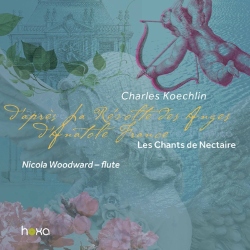
Les Chants de Nectaire "After Virgil;" "Dans la forest antique", Op. 199
No. 1, L'ombre, par une fraîche matinée de printemps
1:43





Related Artists
Copyright Ⓒ 2013 Davinci Finger. All rights reseved
Service Terms & Policy