


Gabriel Fauré
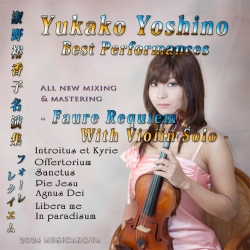
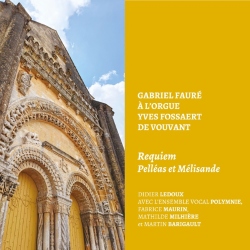
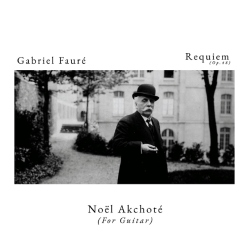
Requiem, Op. 48
Released Album
Recent Album
-
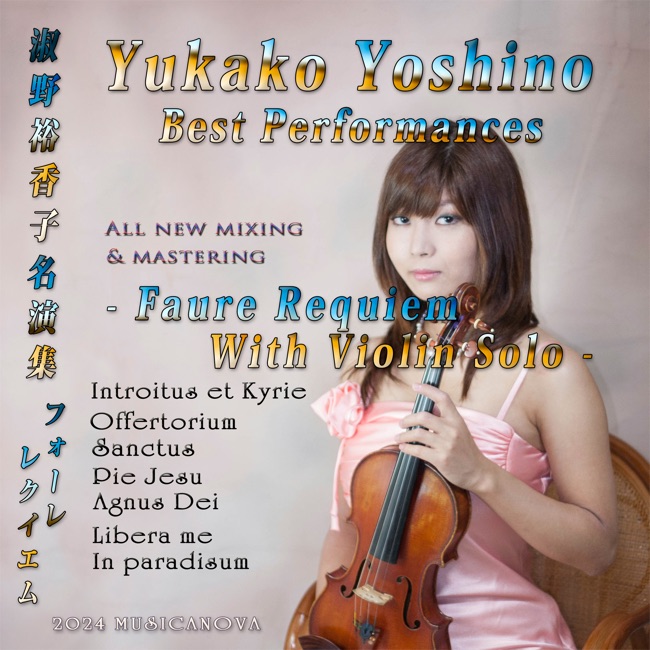
-
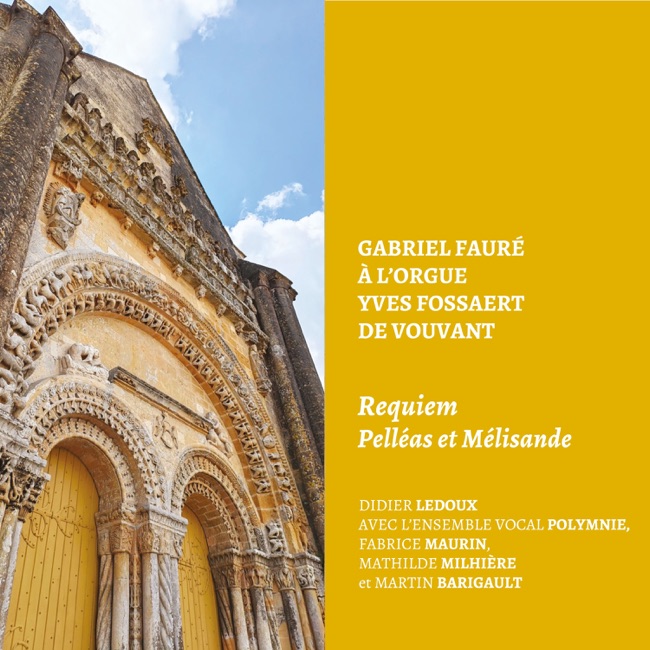 Didier LedouxAugust 27, 2024
 -
-
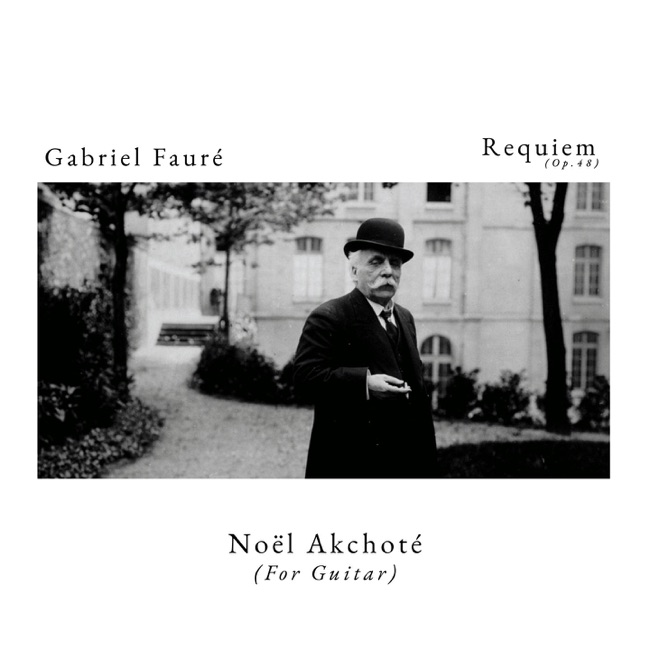
-
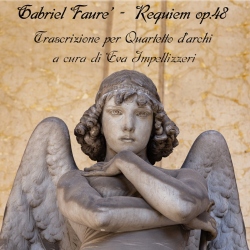
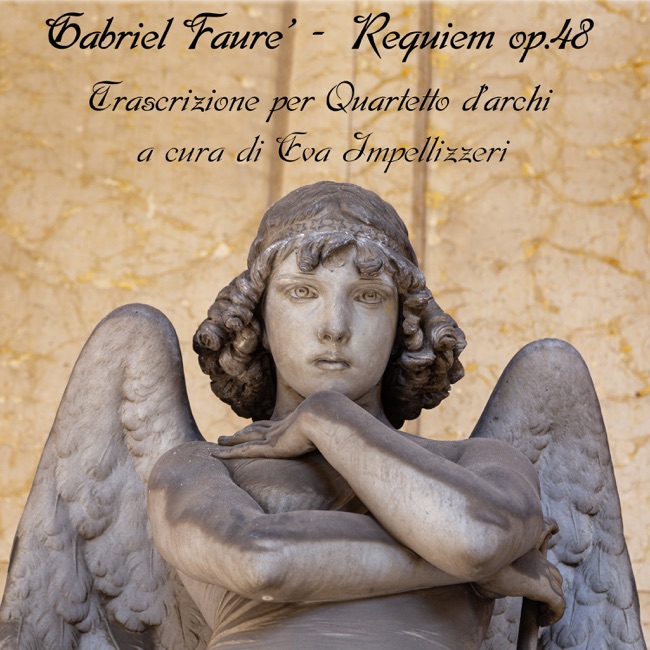 Eva ImpellizzeriJune 27, 2024
 -
-

-
-
-
-

-

Featured Album

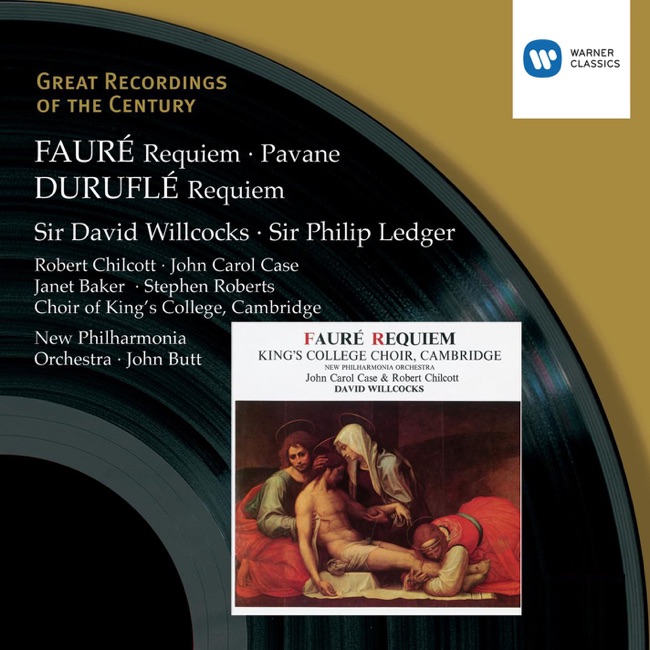
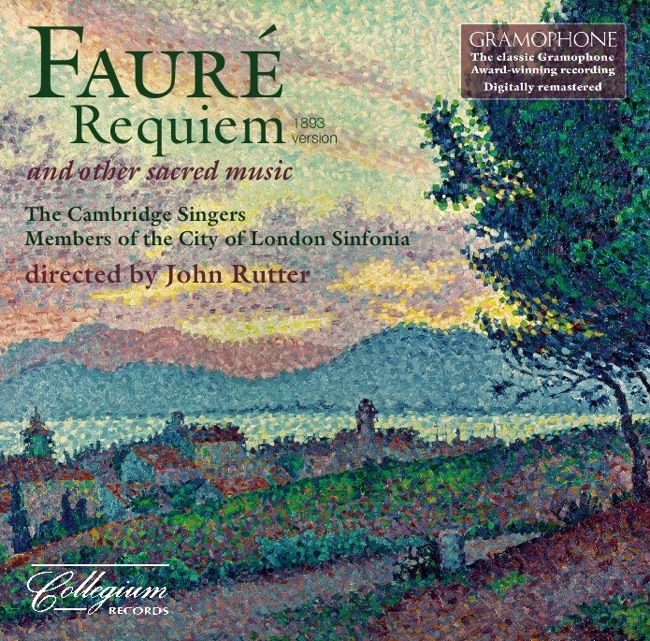
Works Info
Composer:Gabriel FauréGenre:ChoralStyle:RequiemCompose Date:1887 - 1900Publication Date:1900 - 1901Average_duration:35:28Movement_count:7Movement ....Gabriel Fauré's Requiem, Op. 48, is a choral-orchestral work that was composed between 1887 and 1890. It premiered in its original form in 1888 at the Madeleine Church in Paris, and was later revised by Fauré in 1900 and 1901. The Requiem is divided into seven movements, each with its own unique character and musical style. The first movement, Introit et Kyrie, begins with a somber and mournful melody in the strings, which is then joined by the choir singing the words "Requiem aeternam" (eternal rest). The movement then transitions into the Kyrie, which is a plea for mercy and forgiveness. The second movement, Offertory, is a solo for the baritone, who sings the words "Domine Jesu Christe" (Lord Jesus Christ). The movement is characterized by its gentle and flowing melody, which is accompanied by the choir and orchestra. The third movement, Sanctus, is a joyful and uplifting piece that features a soaring melody in the choir. The movement is notable for its use of a solo violin, which adds a delicate and ethereal quality to the music. The fourth movement, Pie Jesu, is a solo for the soprano, who sings the words "Pie Jesu Domine" (Merciful Lord Jesus). The movement is characterized by its simple and tender melody, which is accompanied by the choir and orchestra. The fifth movement, Agnus Dei, is a plea for mercy and peace, and features a powerful and dramatic melody in the choir. The movement is notable for its use of a solo cello, which adds a mournful and introspective quality to the music. The sixth movement, Libera Me, is a solo for the baritone, who sings the words "Libera me, Domine" (Deliver me, Lord). The movement is characterized by its intense and dramatic melody, which is accompanied by the choir and orchestra. The final movement, In Paradisum, is a peaceful and serene piece that features a gentle and flowing melody in the choir. The movement is notable for its use of a solo harp, which adds a delicate and heavenly quality to the music. Overall, Fauré's Requiem is a beautiful and moving work that combines elements of both sorrow and hope. Its use of soloists, choir, and orchestra creates a rich and varied musical texture, while its seven movements provide a sense of structure and progression. The Requiem remains one of Fauré's most popular and enduring works, and is widely regarded as a masterpiece of the choral-orchestral repertoire.More....
Works Music
Released Music

Featured Music

Recommend Playlist











Main Perform Artists
Soprano Vocal
Organ