


Hugo Wolf
Released Album
Vocal
-

-

-
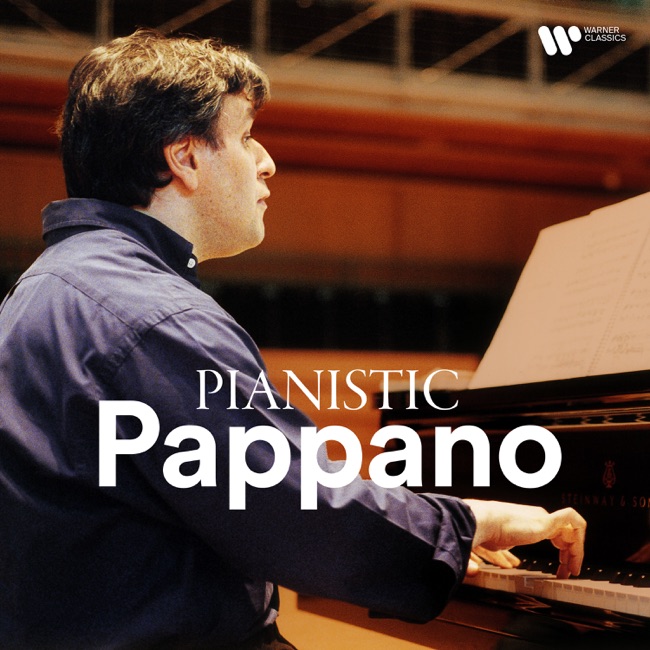 June 21, 2024
 -

-
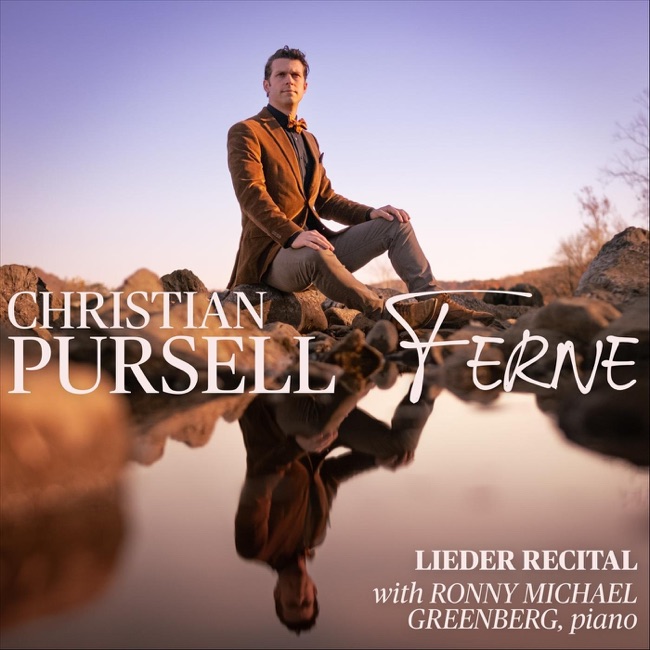 April 30, 2024
 -

Chamber
-
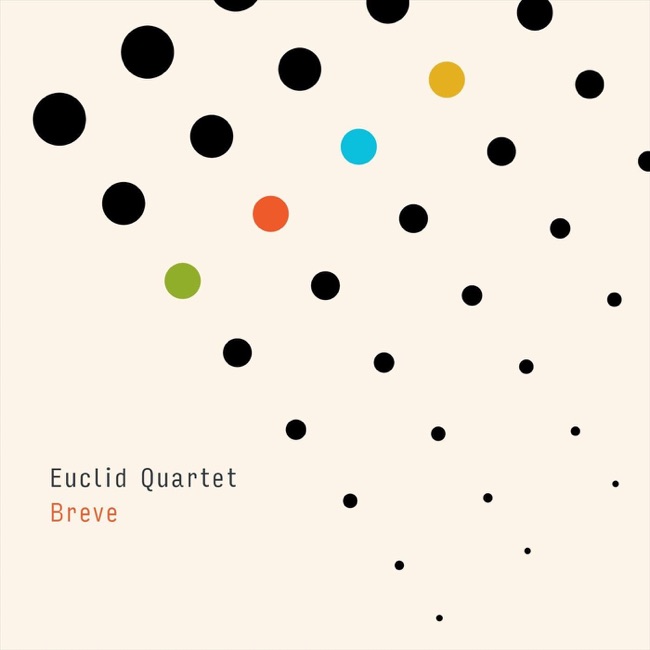 January 19, 2024
 -
 March 6, 2021
 -
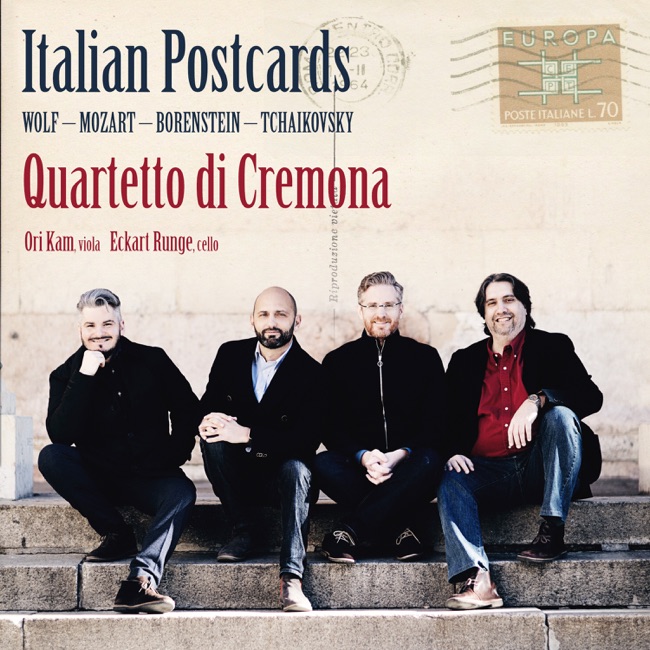 November 20, 2020
 -
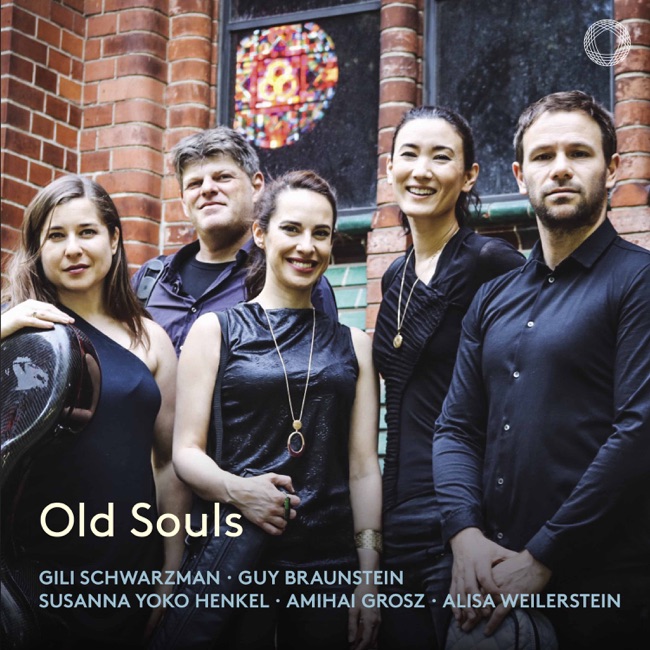 September 27, 2019
 -
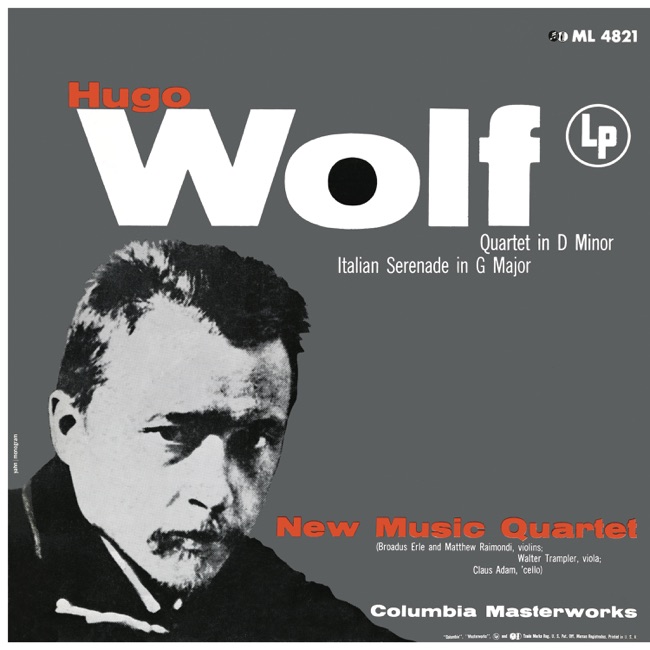
-
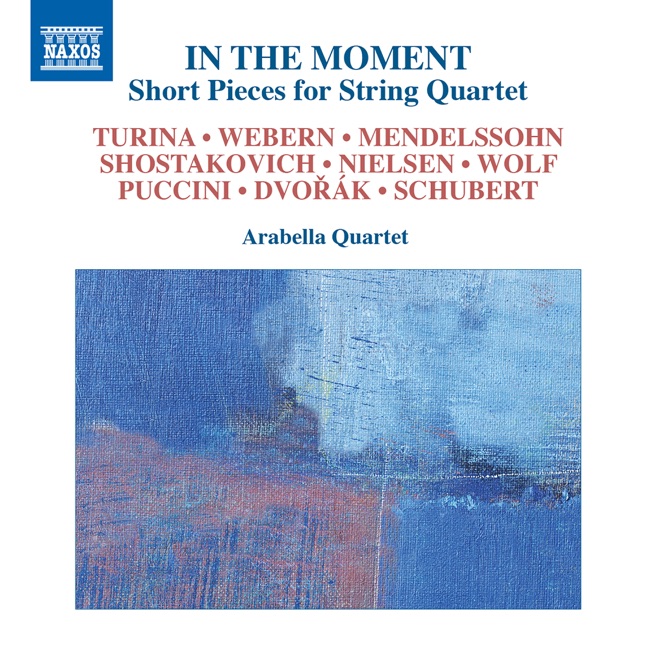 May 12, 2017
Choral
-
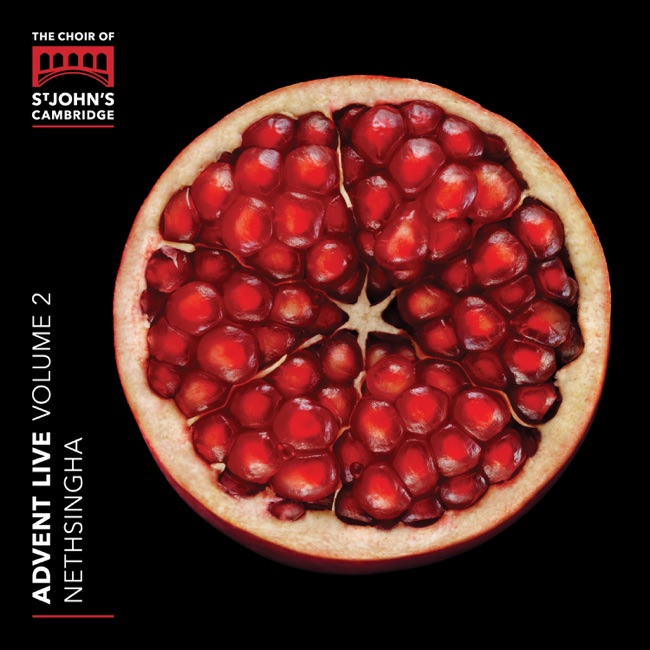 November 20, 2020
 -
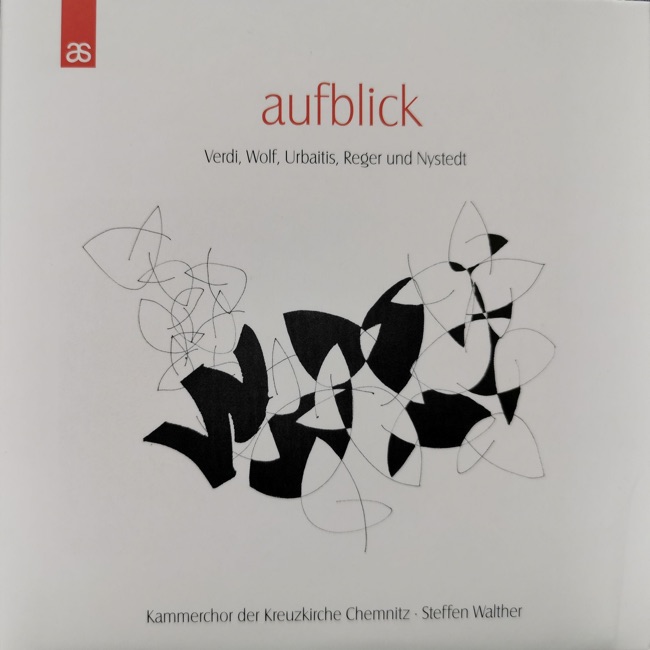 March 27, 2020
 -
 January 27, 2017
 -
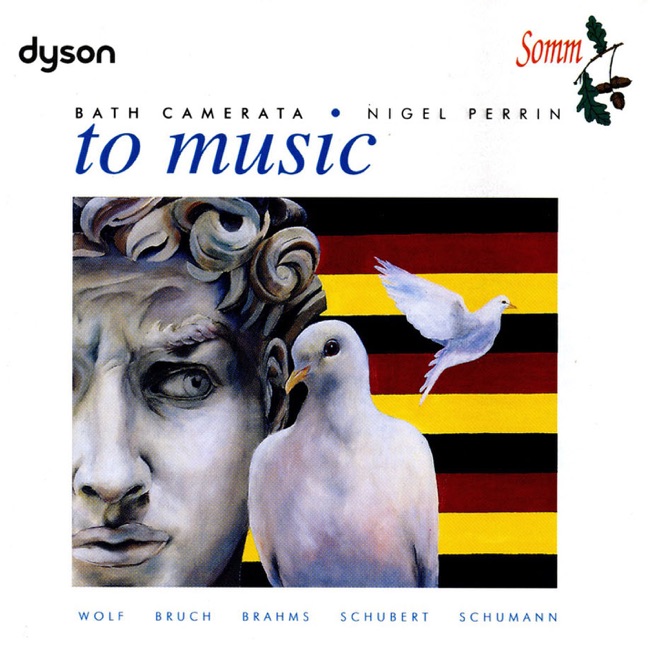 February 1, 2014
 -
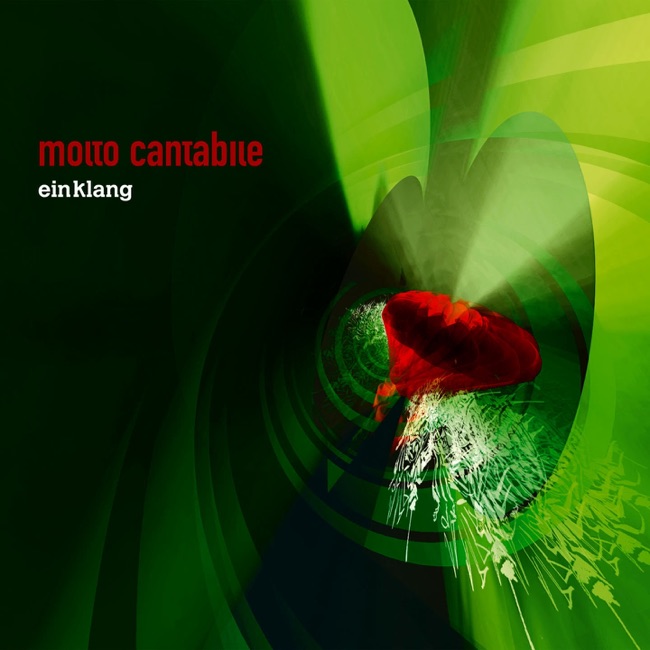 October 1, 2010
 -
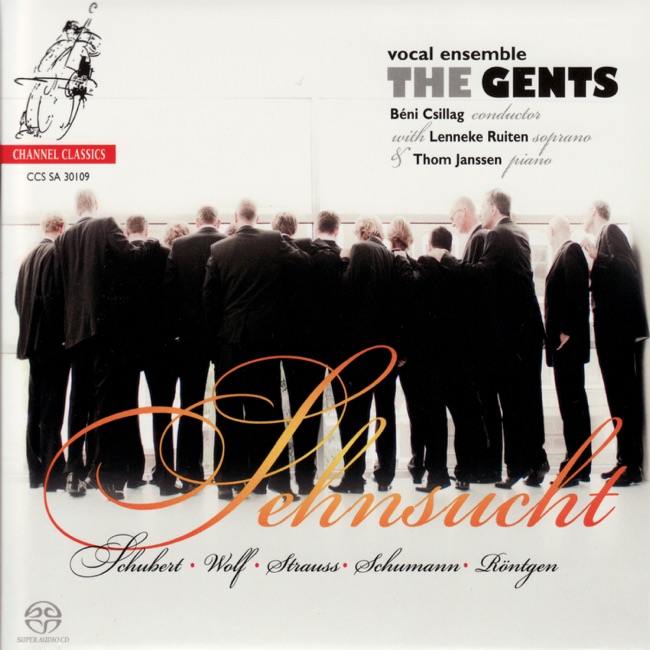 January 12, 2010
Orchestral
-
 September 25, 2020
 -
-
 January 1, 2006
 -
 February 11, 2003
 -
 March 29, 1995
 -
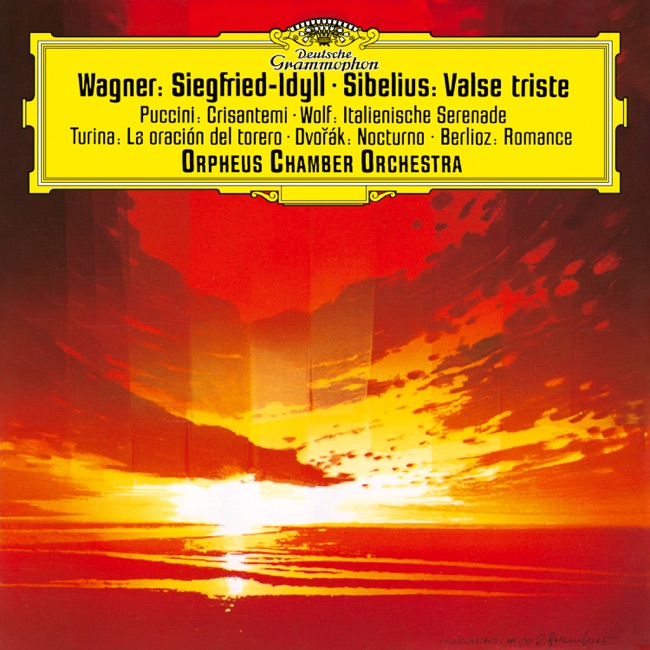 January 16, 1992
Artist Info
Role:Composer ConductorCountry: AustriaBirth:March 13, 1860 in Windischgarsten, AustriaDeath:February 22, 1903 in Vienna, AustriaPeriod:RomanticGenre:VocalHugo Wolf was a prominent Austrian composer of the late Romantic era, known for his contributions to the Lieder genre. Born on March 13, 1860, in Windischgrätz, Styria, Wolf was the fourth child of a family of six. His father, Philipp Wolf, was a leather merchant, and his mother, Katharina Lutz, was a homemaker. Wolf's family was musically inclined, and his father played the guitar and sang folk songs. Wolf's mother also sang, and his older brother, Ferdinand, played the piano. Wolf showed an early interest in music and began taking piano lessons at the age of four. He was a prodigious talent and quickly progressed, impressing his teachers with his ability to play complex pieces. At the age of nine, Wolf began composing his own music, and by the time he was 12, he had written several songs and piano pieces. In 1875, Wolf's family moved to Vienna, where he continued his musical education. He studied piano with Joseph Hellmesberger Sr. and composition with Franz Krenn. Wolf was a diligent student and quickly gained a reputation as a talented composer. In 1879, he entered the Vienna Conservatory, where he studied composition with Anton Bruckner and piano with Josef Dachs. After completing his studies at the conservatory, Wolf began working as a music critic for various Viennese newspapers. He also began composing in earnest, focusing on Lieder, a genre of German art song that was popular at the time. Wolf's Lieder were characterized by their emotional intensity and complex harmonies, and they quickly gained a following among musicians and critics. In 1888, Wolf suffered a nervous breakdown and was hospitalized for several months. During this time, he continued to compose, and his music became even more introspective and emotionally charged. After his release from the hospital, Wolf resumed his career as a composer and continued to write Lieder, as well as chamber music and operas. One of Wolf's most famous works is the song cycle "Mörike-Lieder," which he composed between 1888 and 1890. The cycle consists of 53 songs set to poems by Eduard Mörike, a German poet and novelist. The songs are characterized by their lush harmonies and intricate piano accompaniments, and they are considered some of the finest examples of the Lieder genre. Another notable work by Wolf is the opera "Der Corregidor," which he composed between 1895 and 1896. The opera is based on a play by the Spanish playwright Vital Aza and tells the story of a corrupt magistrate who is brought to justice by a group of peasants. The opera was well-received by audiences and critics, and it helped establish Wolf as a major figure in the world of opera. Despite his success as a composer, Wolf struggled with mental illness throughout his life. He suffered from depression, anxiety, and hallucinations, and he was often unable to work for long periods of time. In 1897, he was diagnosed with syphilis, which further exacerbated his mental health issues. In 1902, Wolf was admitted to a mental hospital in Vienna, where he spent the remainder of his life. He continued to compose during his time in the hospital, but his output was limited by his illness. He died on February 22, 1903, at the age of 42. Today, Hugo Wolf is remembered as one of the most important composers of the late Romantic era. His contributions to the Lieder genre, in particular, have had a lasting impact on classical music.More....
Recent Artist Music




10

3:54



Works Highlight
Recommend Playlist










Related Artists
Copyright Ⓒ 2013 Davinci Finger. All rights reseved
Service Terms & Policy