


Hans Pfitzner
Released Album
Vocal
-
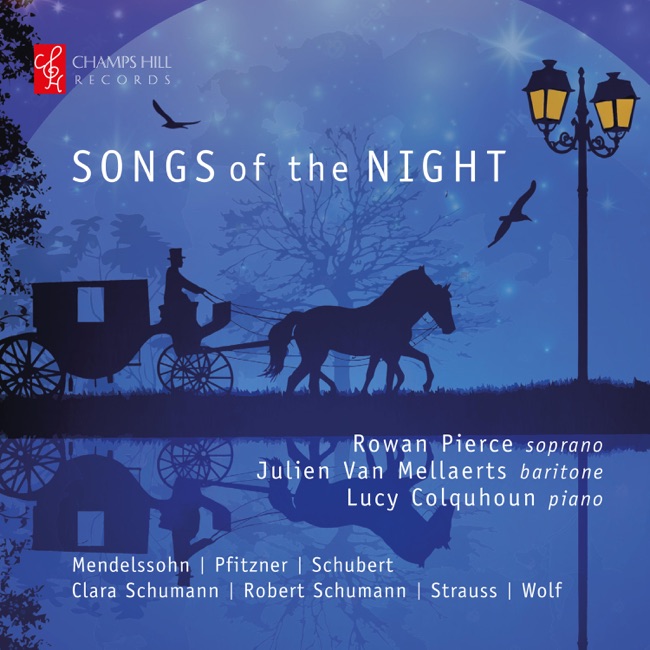 September 22, 2023
 -
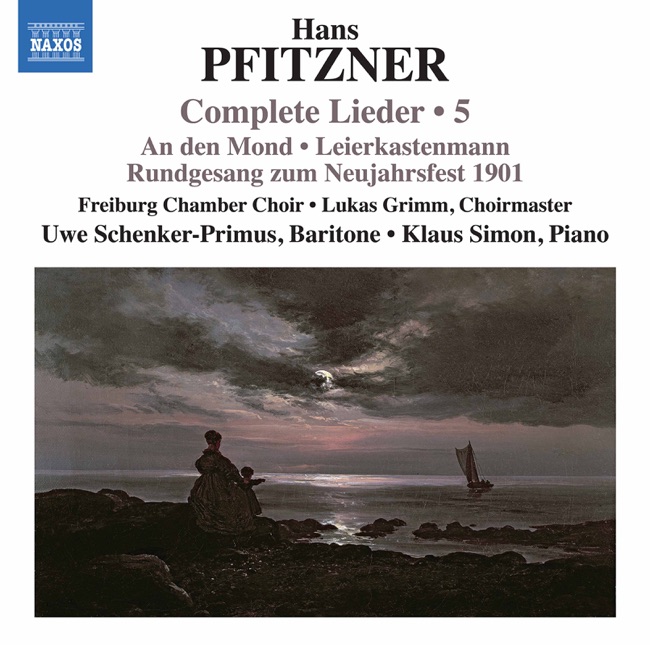 February 25, 2022
 -
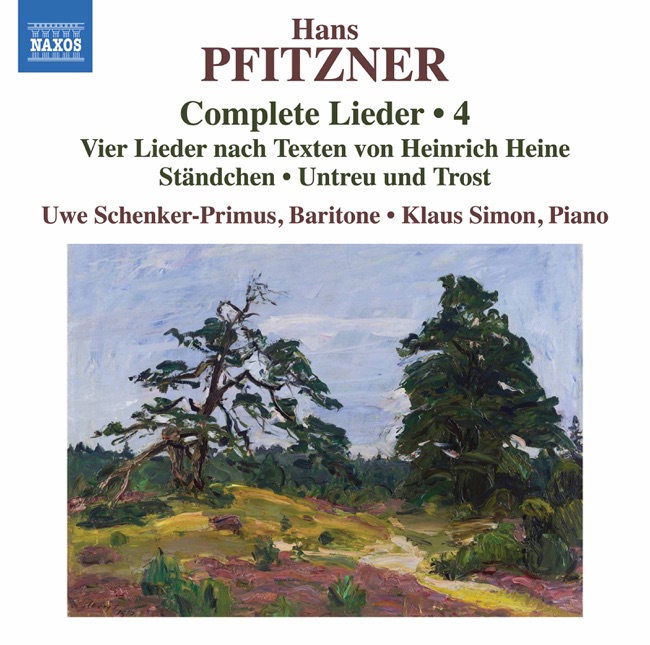 November 26, 2021
 -
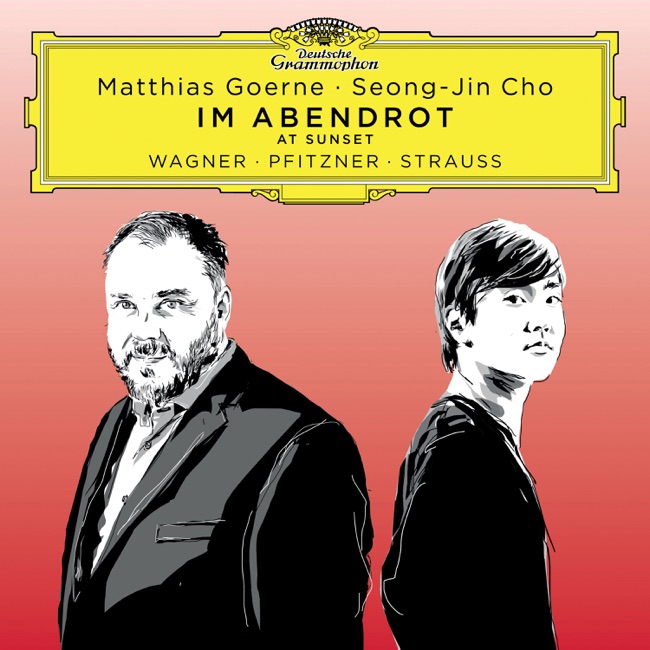 May 28, 2021
 -
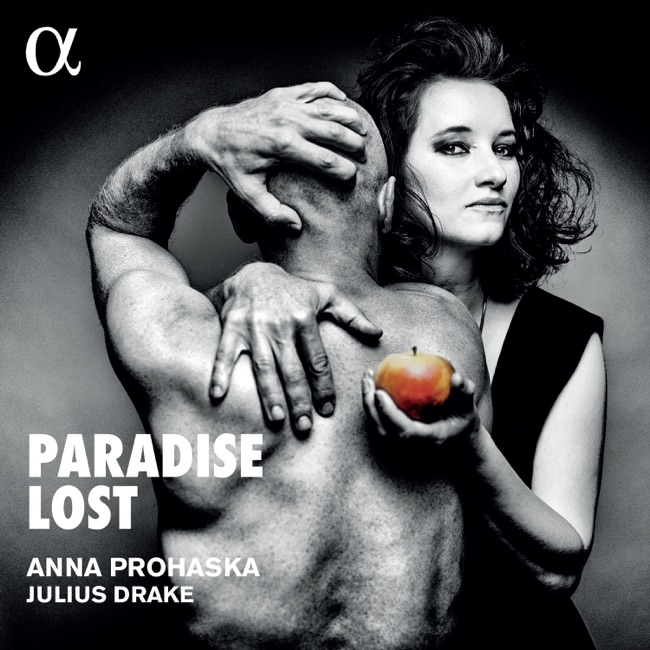 April 10, 2020
 -
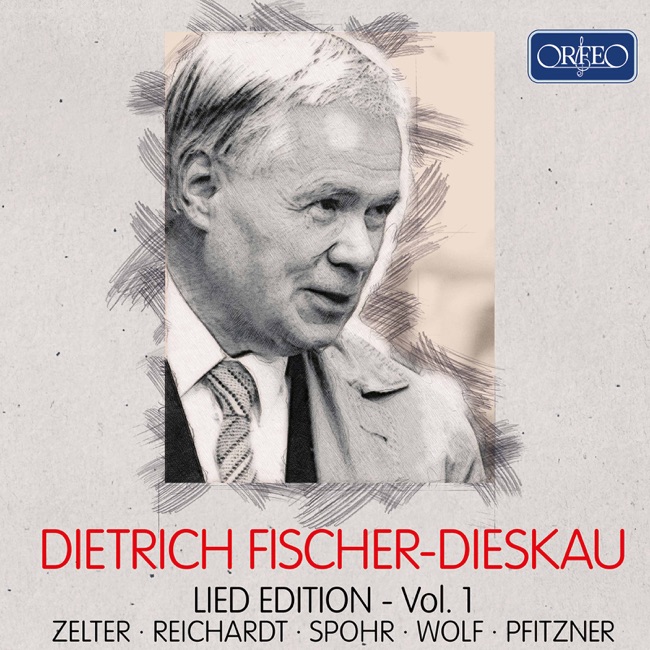 April 3, 2020
Opera
-
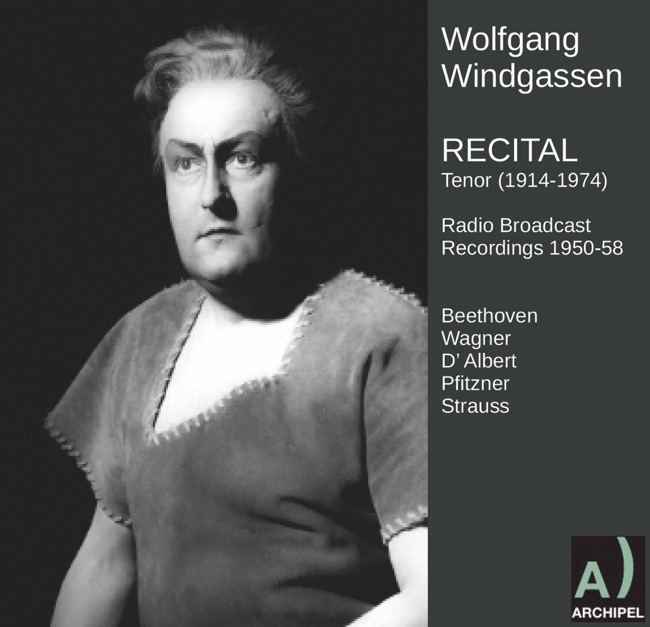 January 15, 2021
 -
 February 8, 2019
 -
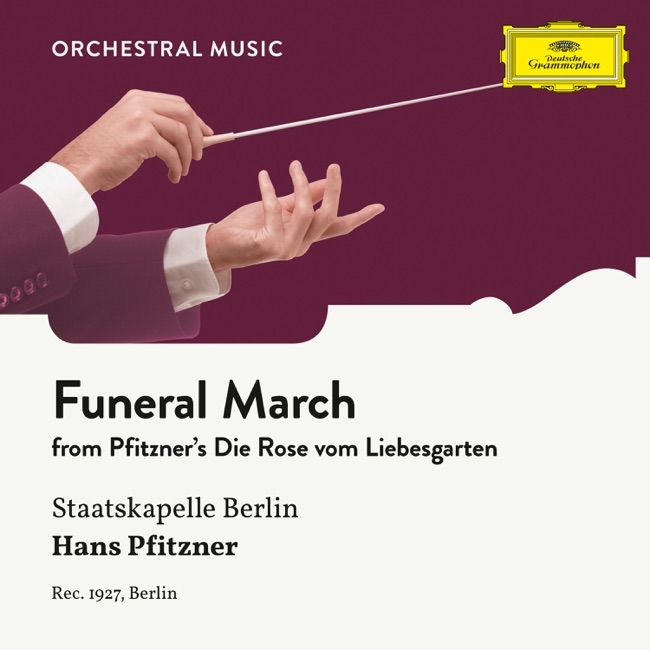 November 16, 2018
 -
 October 5, 2018
 -
 June 23, 2017
 -
 March 1, 2015
Symphony
-
 July 19, 2007
 -
 August 6, 2004
 -
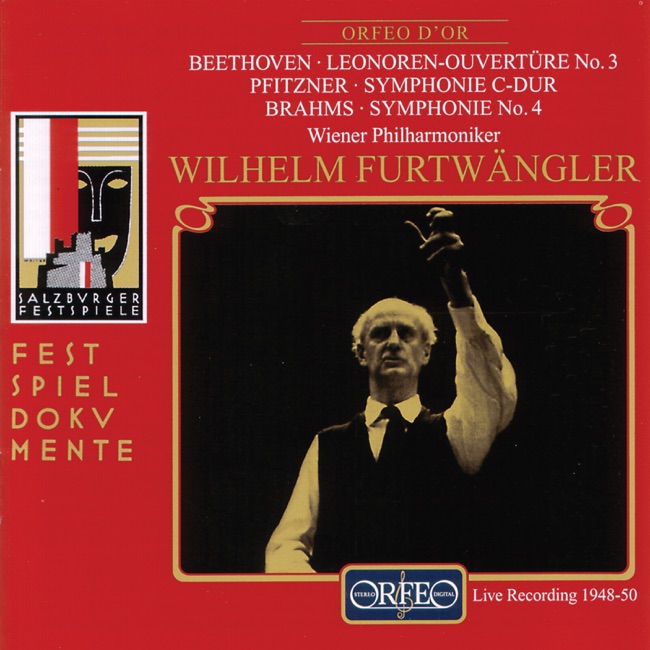
-
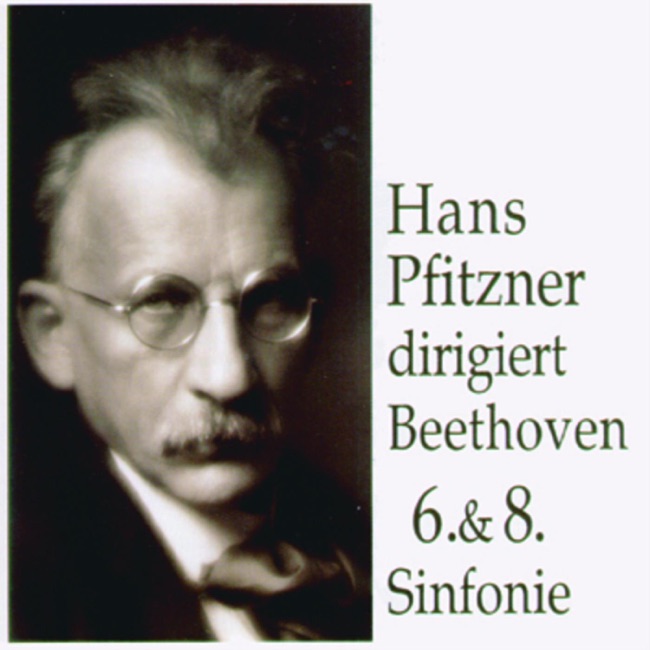
-
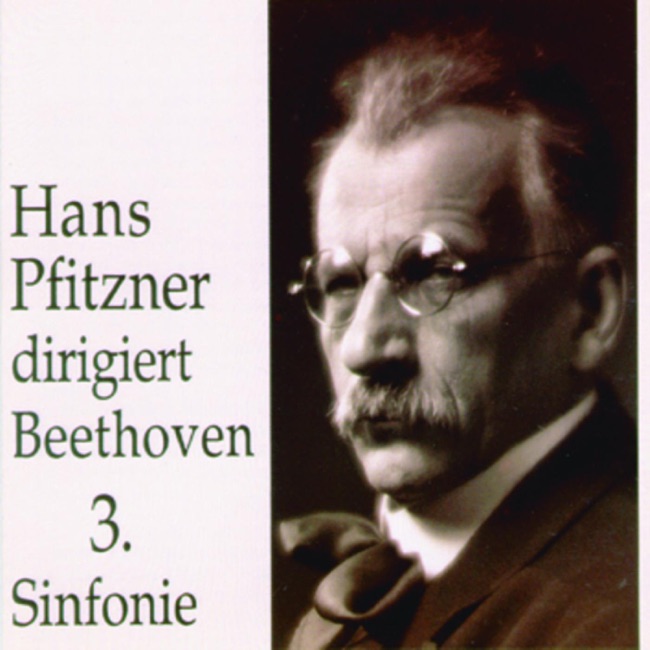 September 20, 1994
 -
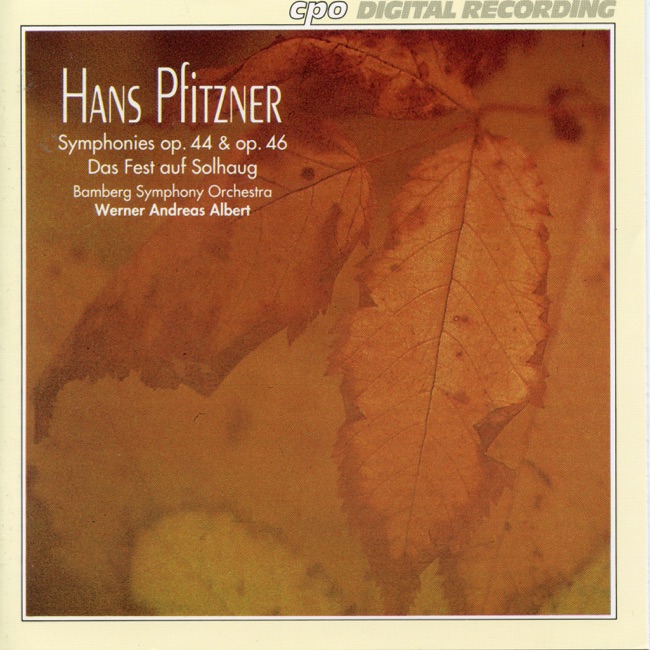 August 23, 1994
Chamber
-
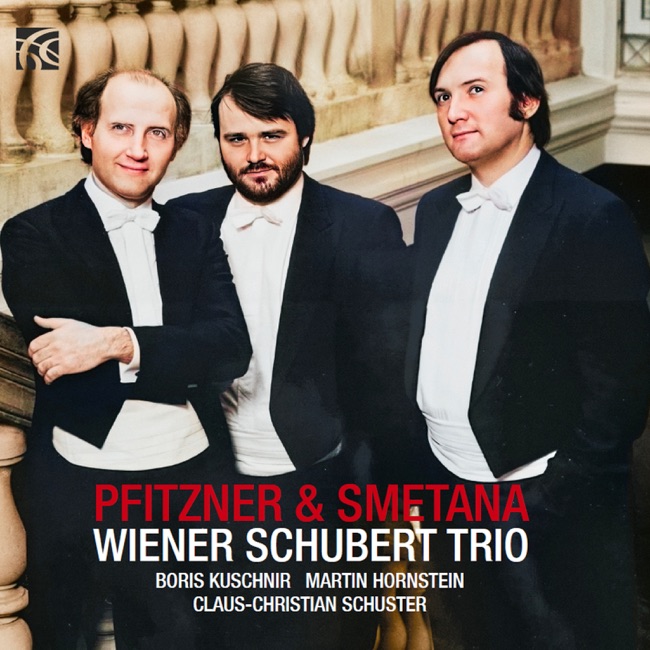 November 3, 2023
 -
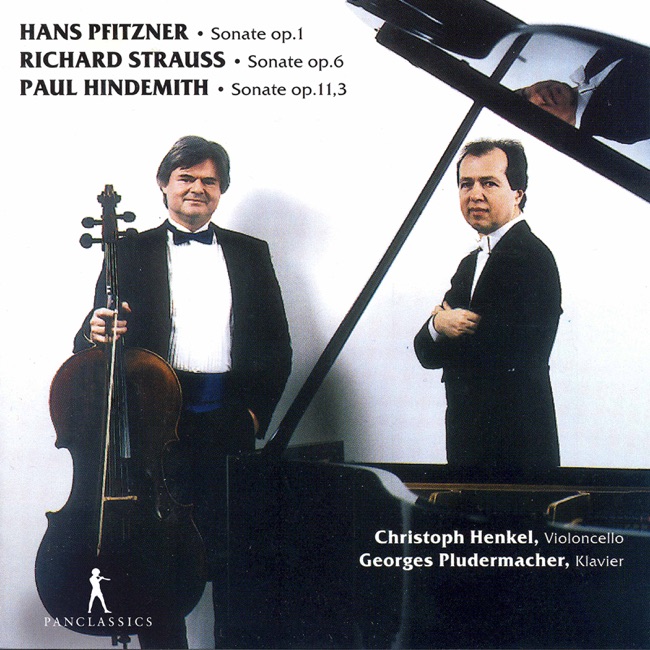 January 8, 2021
 -
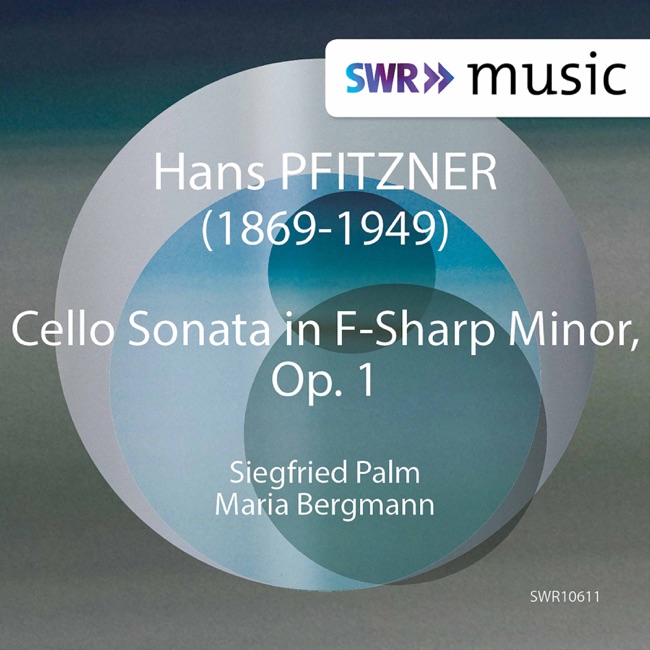 May 15, 2020
 -
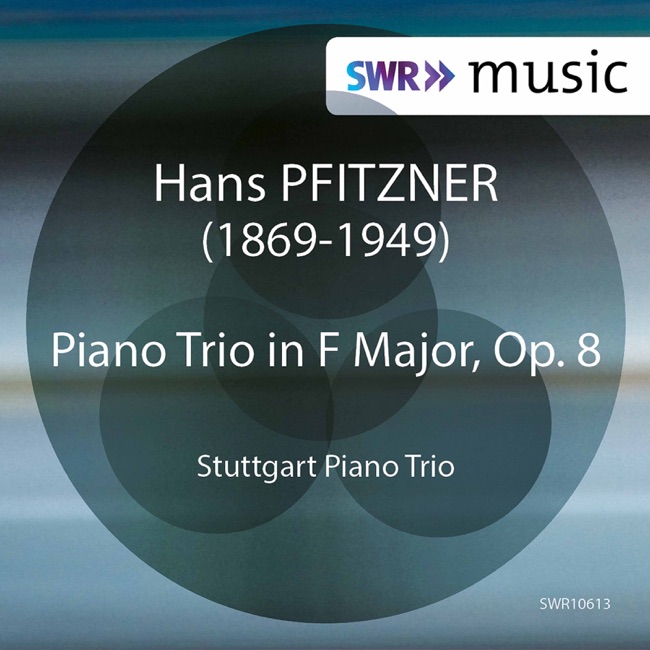 May 15, 2020
 -
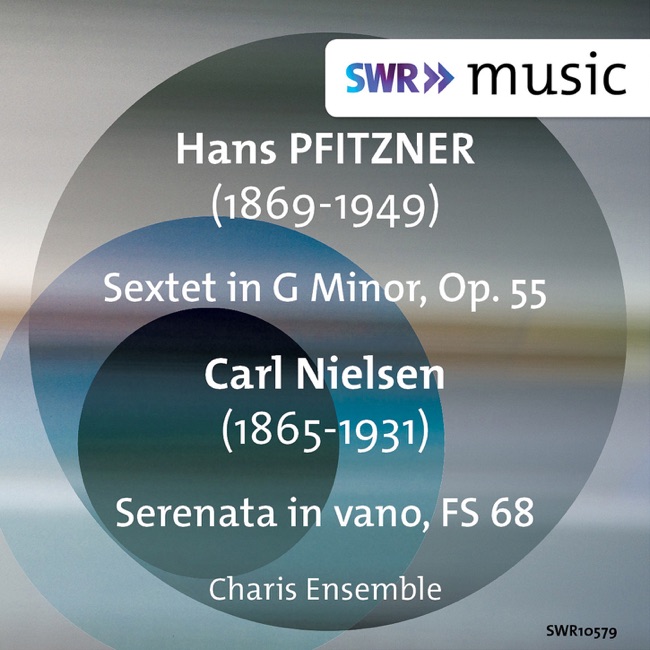
-
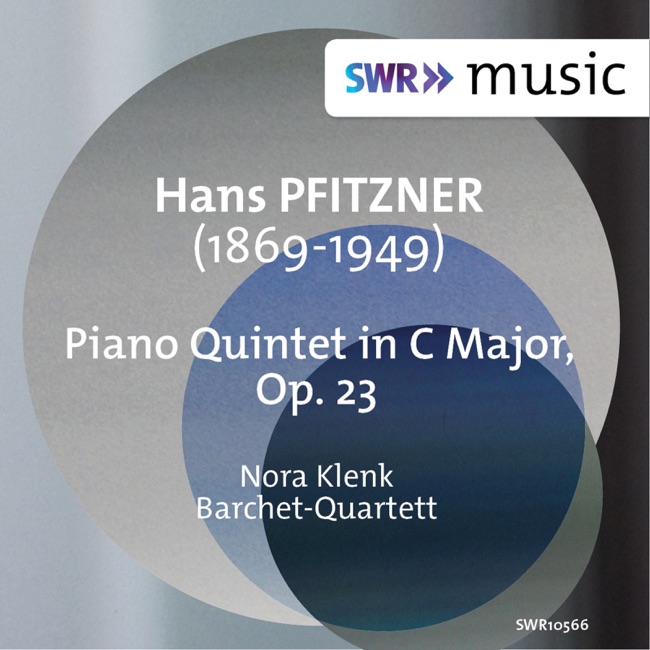 April 26, 2019
Artist Info
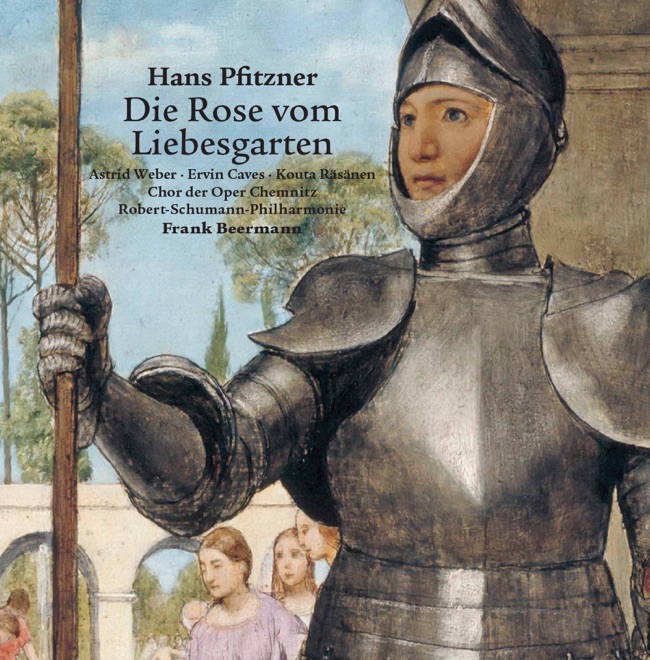
Role:Composer ConductorCountry: GermanyBirth:May 5, 1869 in Moscow, RussiaDeath:May 22, 1949 in Salzburg, AustriaPeriod:RomanticGenre:OperaSymphonyVocalHans Pfitzner was a German composer and conductor who was born on May 5, 1869, in Moscow, Russia. His father was a German pianist and music teacher who worked in Russia, and his mother was a Russian pianist. Pfitzner's family moved to Frankfurt, Germany, when he was six years old, and he began studying music at a young age. Pfitzner showed great talent as a musician, and he studied composition with Iwan Knorr at the Hoch Conservatory in Frankfurt. He also studied piano with James Kwast and conducting with Felix Mottl. Pfitzner's early works were influenced by the music of Richard Wagner, and he was a strong advocate of Wagner's music throughout his life. In 1892, Pfitzner moved to Munich, where he worked as a conductor and composer. He became the conductor of the Munich Opera in 1908, and he held that position until 1919. During his time in Munich, Pfitzner composed some of his most famous works, including his opera "Palestrina," which premiered in 1917. "Palestrina" is a historical opera that tells the story of the 16th-century composer Giovanni Pierluigi da Palestrina, who is credited with saving polyphonic music from being banned by the Catholic Church. The opera was a critical and popular success, and it remains one of Pfitzner's most frequently performed works. In addition to "Palestrina," Pfitzner composed several other operas, including "Das Christ-Elflein" (The Christmas Elf), "Die Rose vom Liebesgarten" (The Rose from the Garden of Love), and "Das Herz" (The Heart). He also composed orchestral works, chamber music, and songs. Pfitzner's music was often criticized for being too conservative and for being too heavily influenced by Wagner. However, he was also praised for his skillful orchestration and his ability to create powerful emotional effects in his music. During World War I, Pfitzner served in the German army as a musician. After the war, he became involved in politics and was a strong supporter of the conservative German National People's Party. He was also a vocal critic of the Weimar Republic and the cultural changes that were taking place in Germany at the time. In 1920, Pfitzner moved to Berlin, where he continued to compose and conduct. He became the director of the Berlin Academy of Arts in 1932, but he was forced to resign from that position in 1933 when the Nazis came to power. Despite his conservative political views, Pfitzner's music was banned by the Nazis because he was considered to be a "cultural Bolshevist." However, he continued to compose and conduct in private, and he was able to survive the war. After the war, Pfitzner's music fell out of favor, and he was largely forgotten. However, in recent years, there has been a renewed interest in his music, and his works are once again being performed and recorded. Hans Pfitzner died on May 22, 1949, in Salzburg, Austria. He was 80 years old. Despite the controversies surrounding his life and his music, Pfitzner remains an important figure in the history of German classical music, and his works continue to be studied and performed by musicians and music lovers around the world.More....
Recent Artist Music
Recommend Playlist









Related Artists
Copyright Ⓒ 2013 Davinci Finger. All rights reseved
Service Terms & Policy