


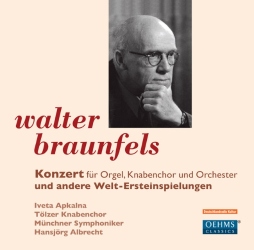
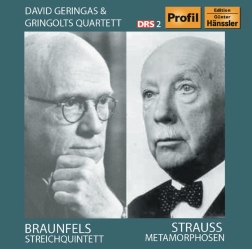
Walter Braunfels
Released Album
Orchestral
-
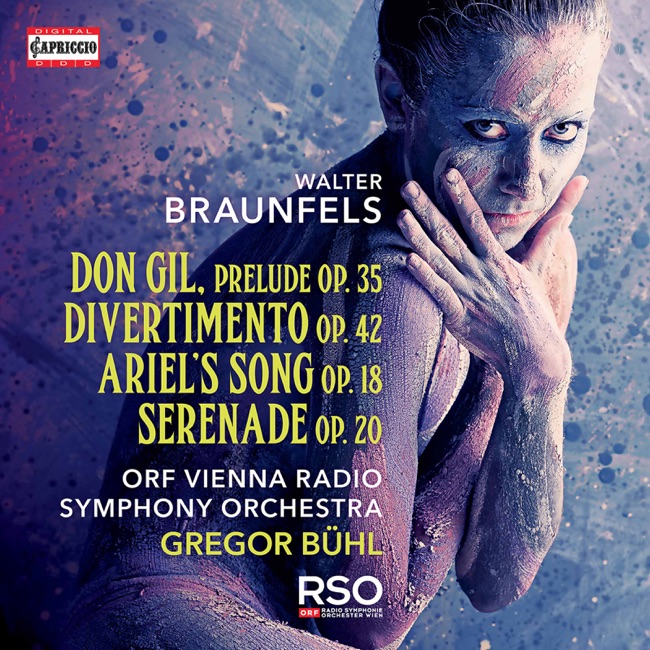
-
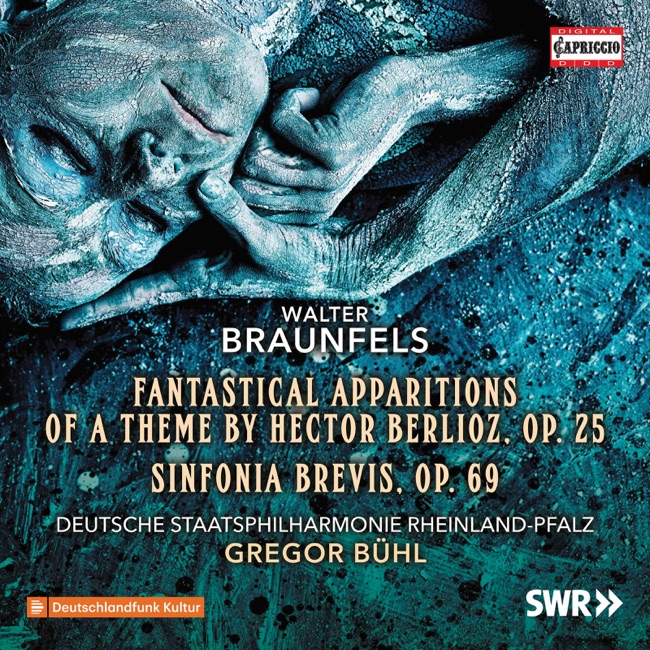
-
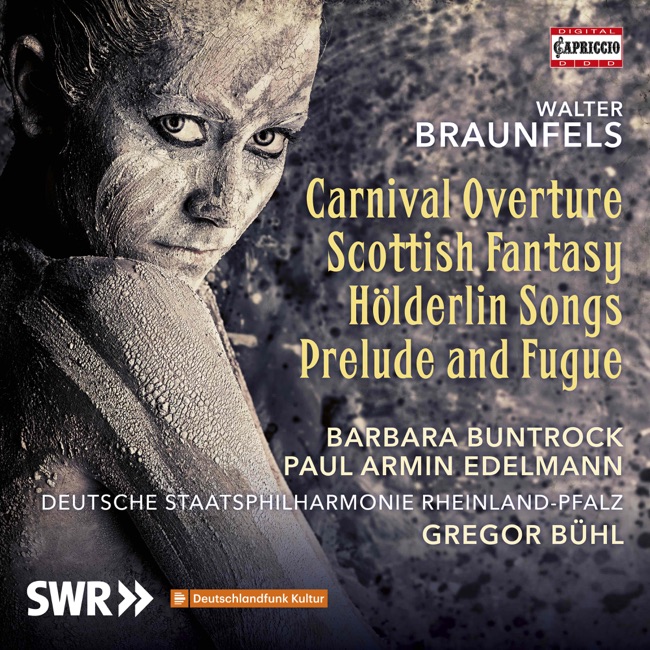
-
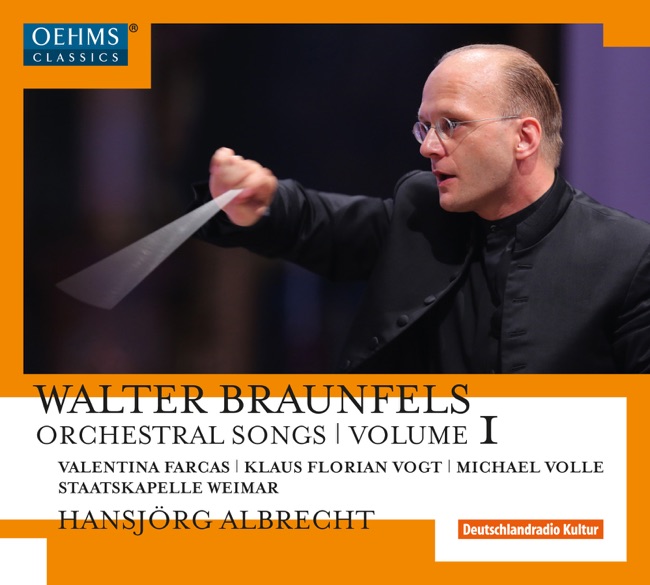 July 8, 2016
 -
-
Vocal
-
 November 3, 2017
 -
 October 14, 2016
 -
 February 12, 2016
 -
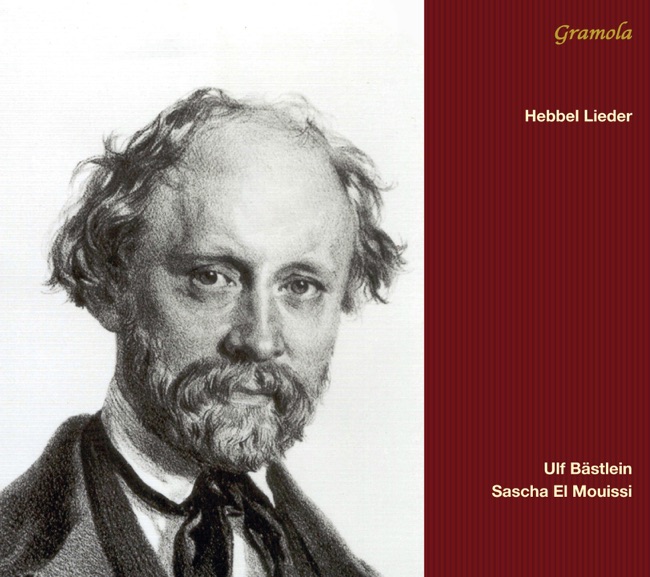 October 14, 2014
 -
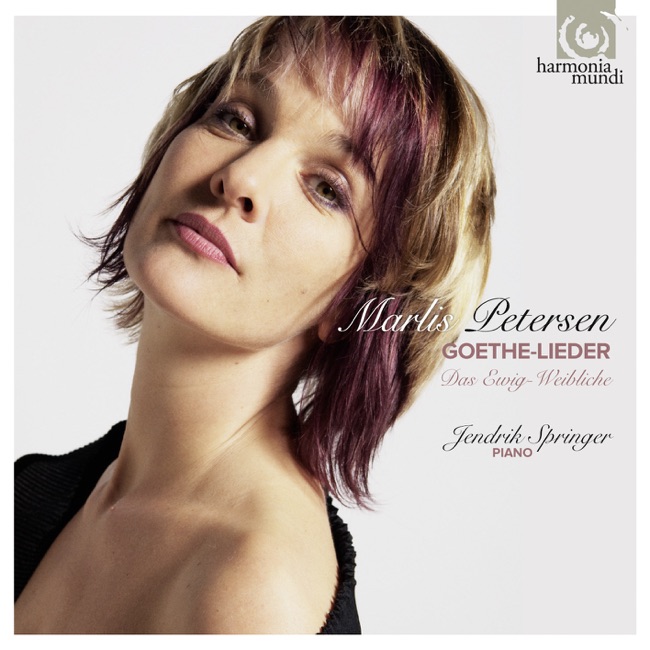 March 1, 2012
Opera
-
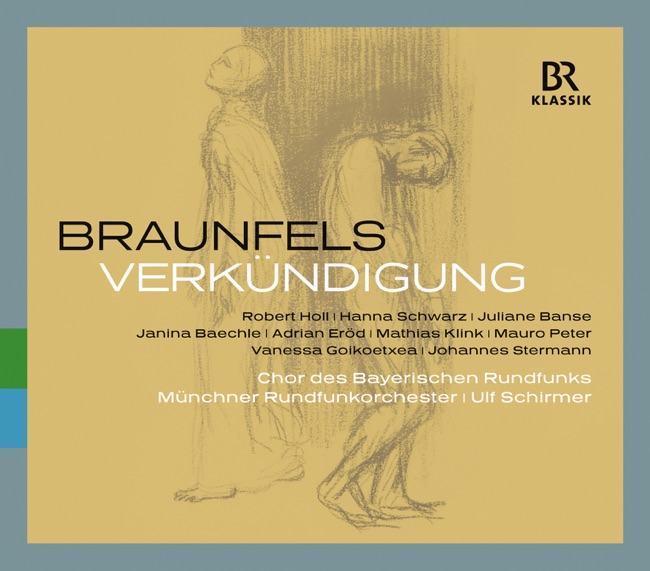 October 14, 2014
 -
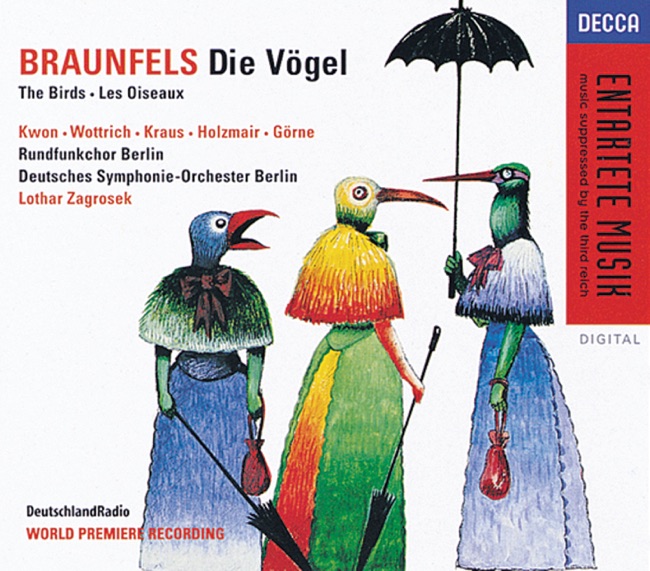 August 31, 2010
 -
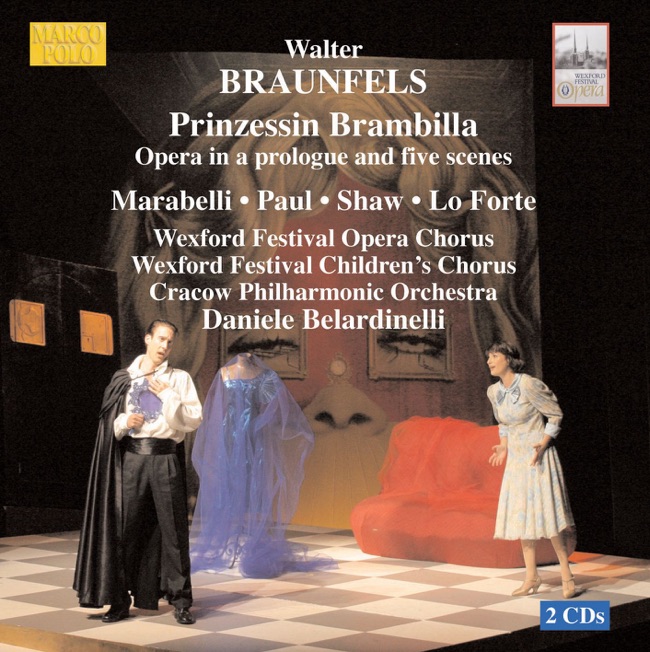 October 18, 2005
Chamber
-
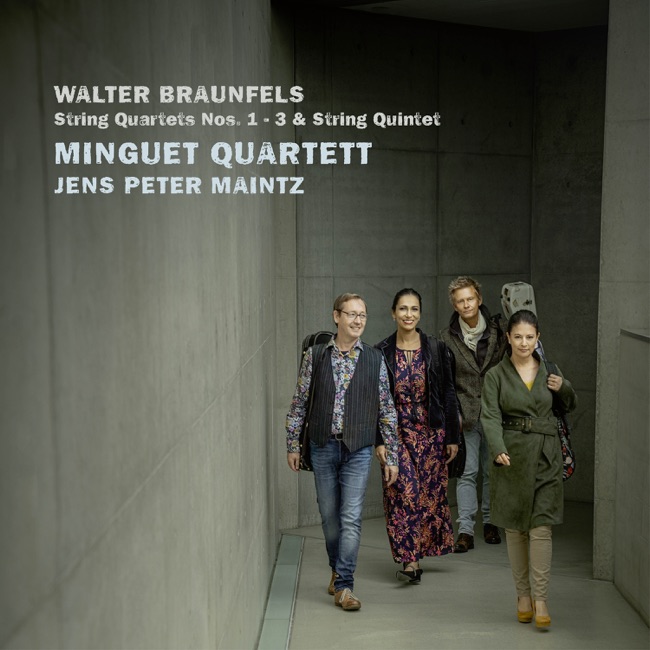 September 16, 2022
 -
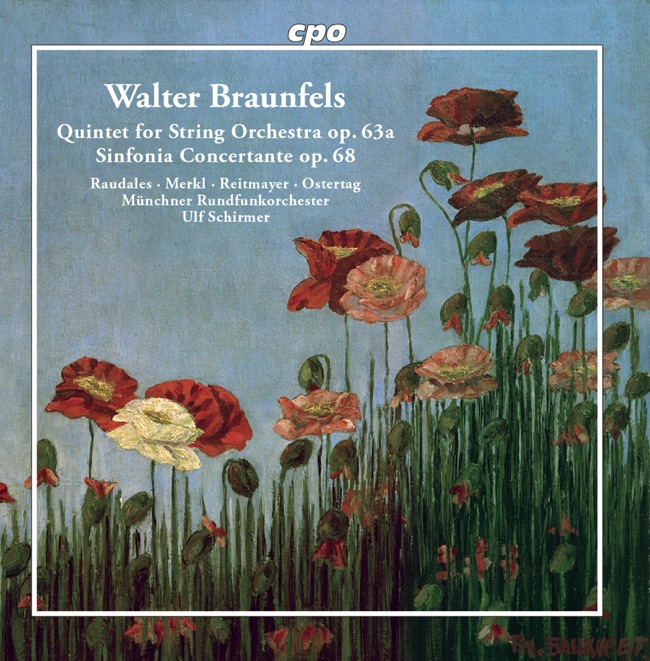
-
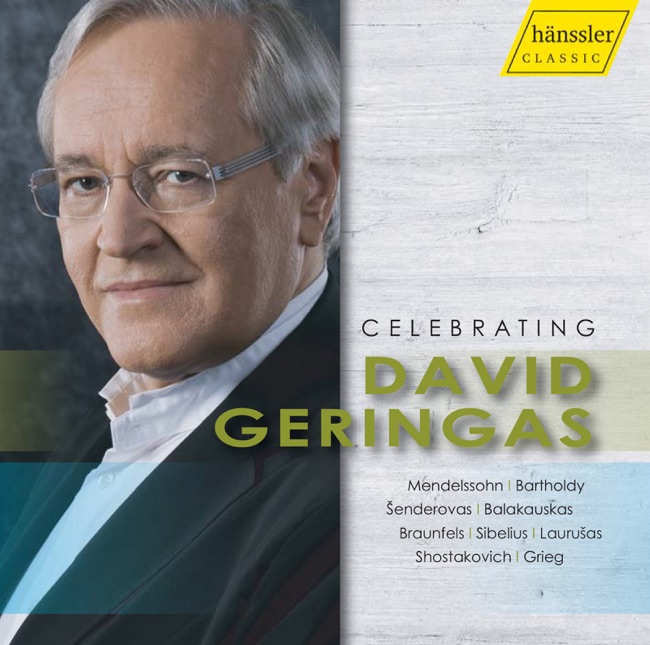 January 5, 2018
 -
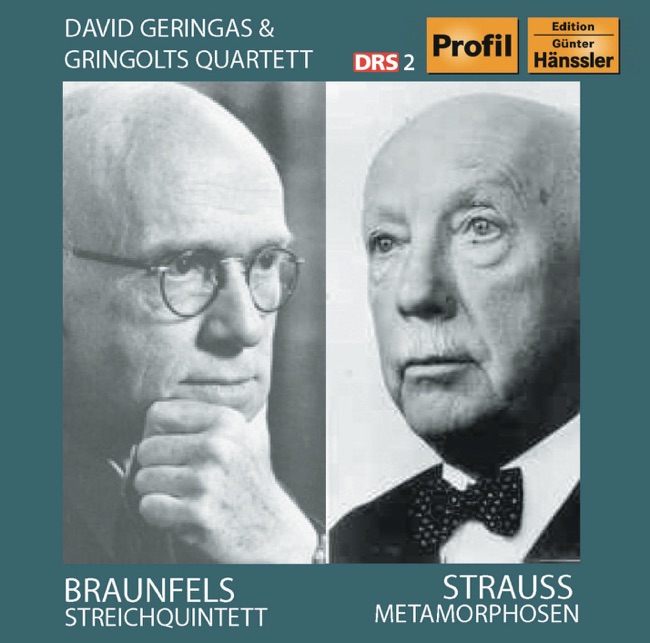 October 29, 2012
 -
 May 25, 2010
 -
 January 1, 2000
Artist Info
Role:ComposerCountry: GermanyBirth:December 19, 1882 in Frankfurt, GermanyDeath:March 19, 1954 in Cologne, GermanyPeriod:ModernWalter Braunfels was a German composer born on December 19, 1882, in Frankfurt am Main. He was the son of the famous pianist and composer Ludwig Braunfels, who was a professor at the Hoch Conservatory in Frankfurt. Walter Braunfels grew up in a musical family and showed an early interest in music. He began his musical education at the age of six, studying piano and composition with his father. Braunfels continued his studies at the Hoch Conservatory in Frankfurt, where he studied composition with Iwan Knorr and Bernhard Sekles. He also studied piano with James Kwast and conducting with Ludwig Rottenberg. In 1901, he moved to Munich to study with Felix Mottl, who was the conductor of the Munich Court Opera. Braunfels also studied with Max von Schillings and Hermann Abendroth. In 1903, Braunfels made his debut as a composer with his Symphony in F minor, which was premiered in Frankfurt. The symphony was well-received and established Braunfels as a promising young composer. In 1904, he completed his studies at the Hoch Conservatory and moved to Berlin, where he worked as a freelance composer and conductor. Braunfels' early works were influenced by the late Romantic style of composers such as Richard Strauss and Gustav Mahler. His music was characterized by lush harmonies, sweeping melodies, and a rich orchestration. Some of his early works include the opera Die Vögel (The Birds), which was premiered in 1920, and the Symphony No. 2 in E minor, which was premiered in 1909. In the 1920s, Braunfels' music began to evolve, and he started to incorporate elements of modernism into his compositions. He was influenced by the music of Arnold Schoenberg and the Second Viennese School, as well as the neoclassical style of composers such as Igor Stravinsky. Some of his works from this period include the opera Ulenspiegel, which was premiered in 1928, and the Symphony No. 3 in E major, which was premiered in 1929. Braunfels' music was banned by the Nazis in 1933, and he was forced to resign from his position as a professor at the Berlin Academy of Music. He went into self-imposed exile in Switzerland, where he continued to compose. During this period, he wrote some of his most significant works, including the opera Die Verkündigung (The Annunciation), which was premiered in 1948, and the Symphony No. 4 in F minor, which was premiered in 1949. After the war, Braunfels returned to Germany and resumed his career as a composer and conductor. He was appointed as the director of the Frankfurt Opera in 1950, a position he held until 1953. He continued to compose until his death on March 19, 1954, in Cologne. Braunfels' music is characterized by its emotional intensity, lyrical beauty, and technical mastery. His works span a wide range of genres, including opera, symphony, chamber music, and choral music. Some of his most significant works include the opera Die Vögel, which is based on the play by Aristophanes and is considered one of his most successful works. The opera Ulenspiegel is also highly regarded and is based on the novel by Charles de Coster. Braunfels' symphonies are also noteworthy, particularly the Symphony No. 2 in E minor, which is considered one of his most significant works. The symphony is characterized by its lush harmonies, sweeping melodies, and rich orchestration. The Symphony No. 3 in E major is also highly regarded and is notable for its use of neoclassical elements.More....
Recent Artist Music
2
10:49
3
14:27
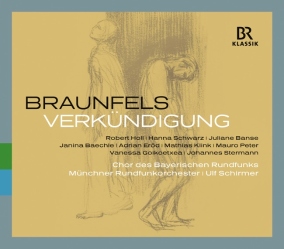
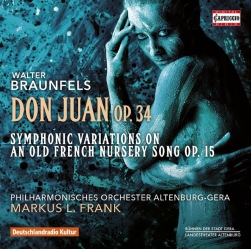
8
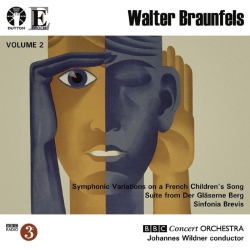
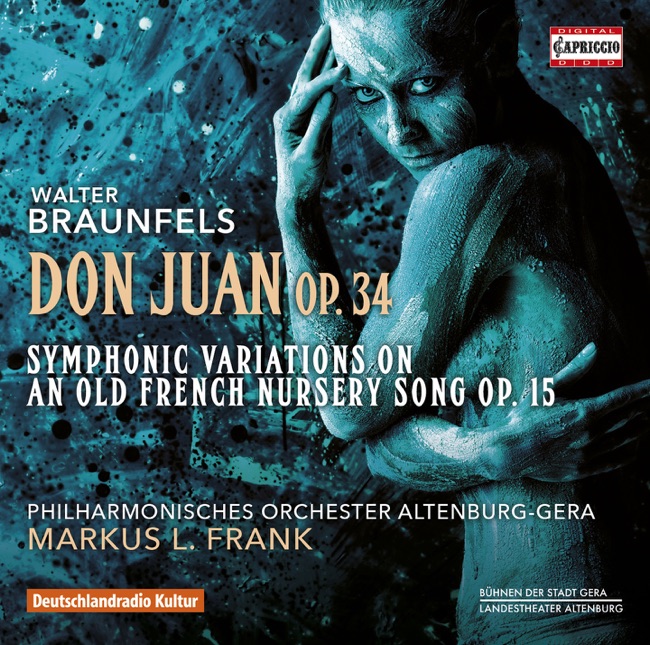
Symphonic Variations on an old French Children's Song, Op. 15
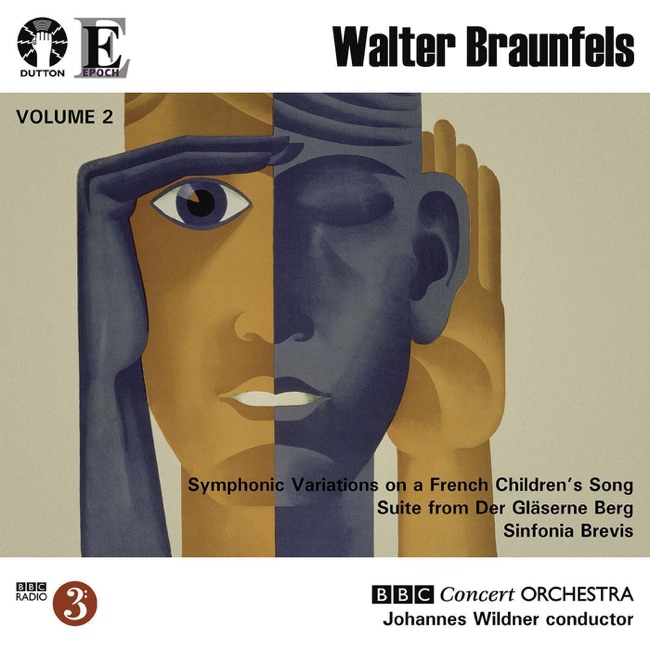
Symphonic Variations on a French Children's Song
15:45
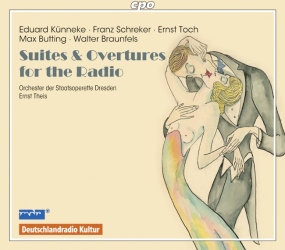
11
7:41

Copyright Ⓒ 2013 Davinci Finger. All rights reseved
Service Terms & Policy