


Viktor Ullmann
Released Album
Vocal
-
 March 19, 2023
 -
 February 3, 2023
 -
-
 July 6, 2018
 -
 October 27, 2017
 -
 June 14, 2016
Keyboard
-
 May 1, 2020
 -
 January 31, 2020
 -
 December 18, 2017
 -
-
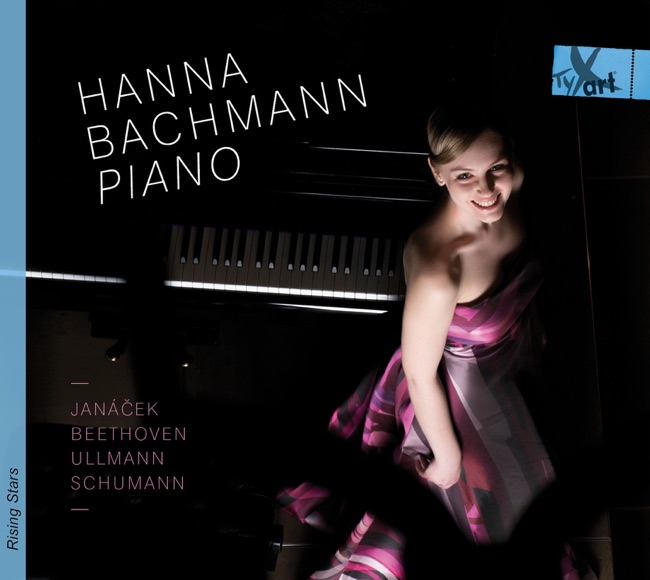 January 20, 2017
 -
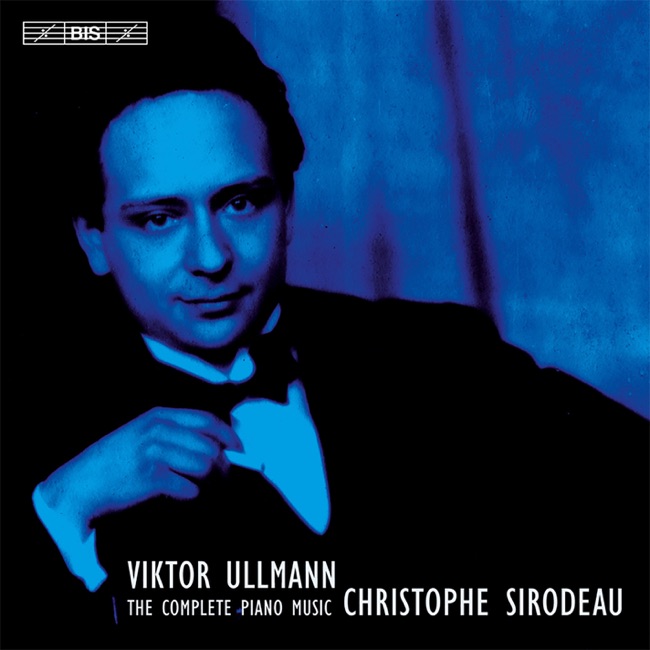 August 12, 2014
Chamber
-
 June 24, 2023
 -
 April 26, 2019
 -
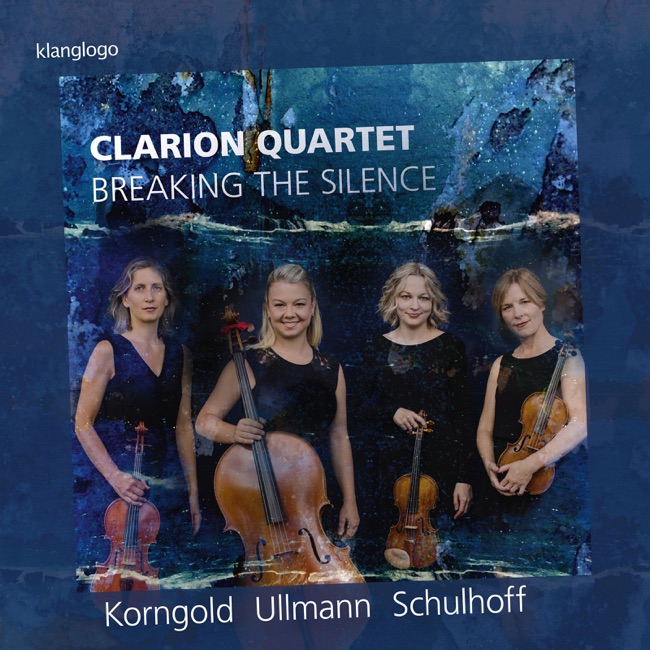 February 23, 2018
 -
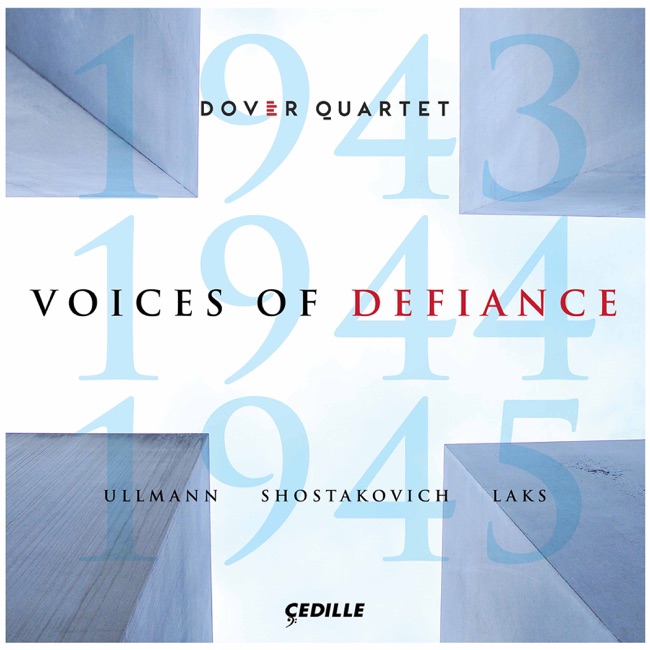 October 13, 2017
 -
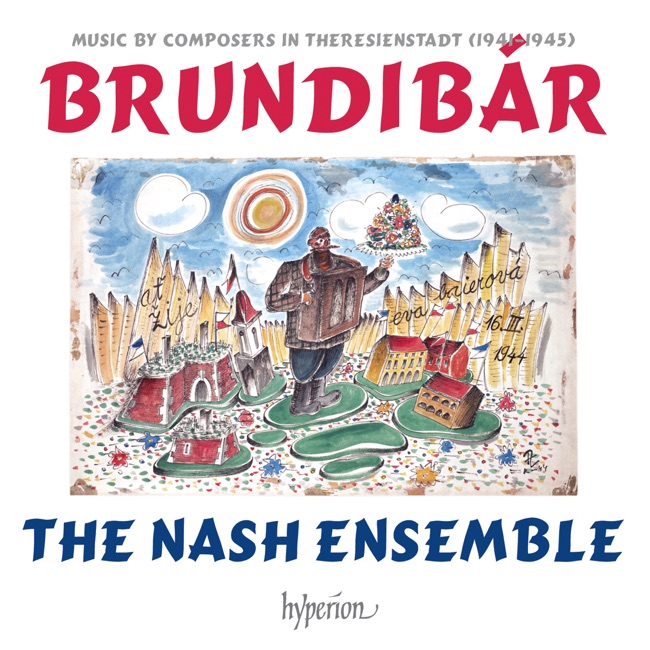 February 4, 2013
 -
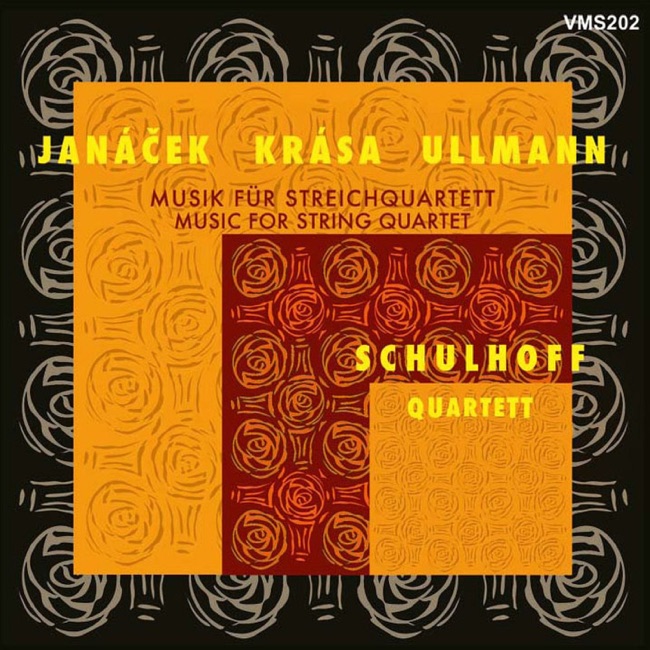 April 1, 2008
Opera
-
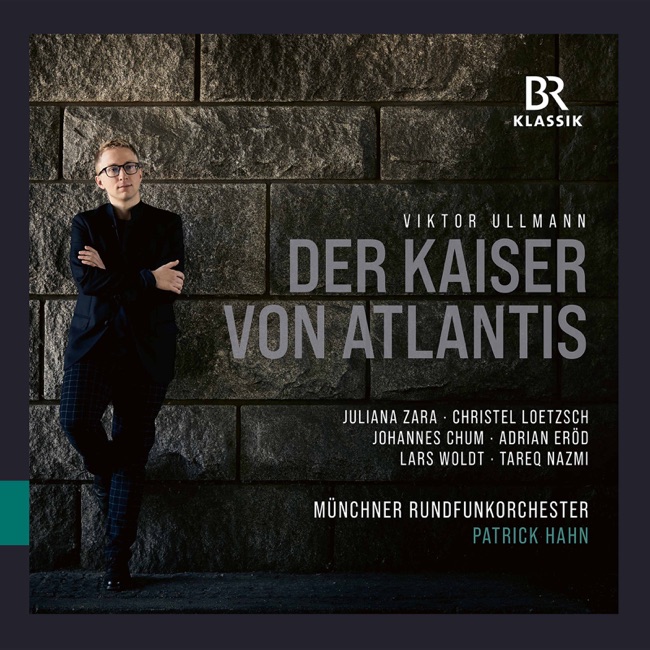 April 15, 2022
 -
 July 20, 2018
 -
 April 6, 2015
 -
-
 April 1, 1996
 -
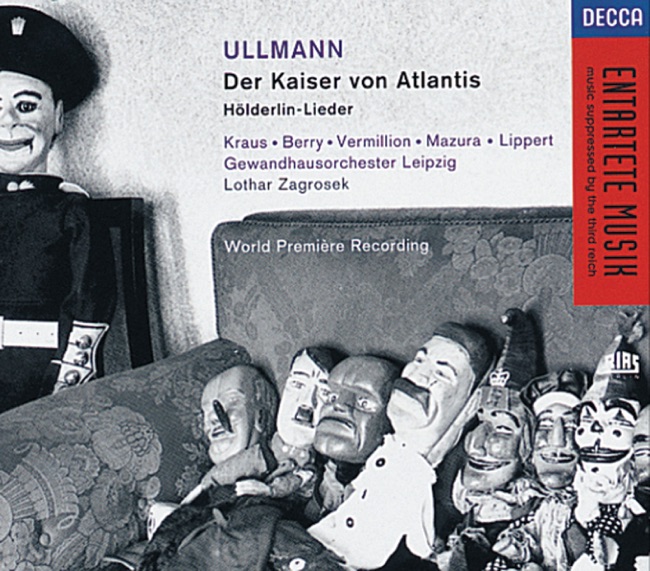 November, 1994
Artist Info
Role:ComposerCountry: Czech RepublicBirth:January 1, 1898 in TeschenDeath:October 18, 1944 in Auschwitz, PolandPeriod:ContemporaryModernGenre:KeyboardVocalViktor Ullmann was a prominent composer of classical music who was born on January 1, 1898, in Teschen, Austria-Hungary (now Cieszyn, Poland). He was the son of a lawyer and a pianist, and his parents recognized his musical talent at an early age. Ullmann began his formal music education at the Vienna Conservatory, where he studied composition with Arnold Schoenberg and piano with Franz Schreker. After completing his studies, Ullmann worked as a freelance composer and pianist in Vienna. He was heavily influenced by the Second Viennese School, a group of composers that included Schoenberg, Alban Berg, and Anton Webern, who were known for their atonal and serialist compositions. Ullmann's early works reflected this influence, but he later developed his own unique style that blended elements of traditional tonality with modernist techniques. In 1933, Ullmann's career was interrupted when the Nazis came to power in Germany. As a Jew, he was no longer able to work in Vienna and was forced to flee to Prague. Despite the difficult circumstances, Ullmann continued to compose and became an important figure in the Czech music scene. He worked as a music critic and wrote articles on contemporary music, and his compositions were performed by leading orchestras and ensembles. In 1942, Ullmann was deported to the Theresienstadt concentration camp, where he continued to compose despite the harsh conditions. He wrote several works for the camp's cultural activities, including the opera "The Emperor of Atlantis," which was never performed during his lifetime. Ullmann was tragically killed in the gas chambers at Auschwitz in 1944, along with many other artists and intellectuals. Ullmann's music is characterized by its emotional intensity and its exploration of the human condition. His works often incorporate elements of Jewish folk music and draw on literary and philosophical themes. Some of his most notable compositions include the Piano Sonata No. 7, the String Quartet No. 3, and the Symphony No. 2. The Piano Sonata No. 7, written in 1944, is one of Ullmann's last works. It is a haunting and introspective piece that reflects the composer's experiences in the concentration camp. The first movement is marked by its dissonant harmonies and angular melodies, while the second movement is more lyrical and introspective. The final movement is a frenzied and intense fugue that builds to a powerful climax. The String Quartet No. 3, written in 1943, is another powerful work that reflects Ullmann's experiences during the war. The first movement is marked by its mournful melodies and somber harmonies, while the second movement is more lively and rhythmic. The third movement is a haunting and introspective adagio, and the final movement is a frenzied and intense fugue that builds to a powerful climax. The Symphony No. 2, written in 1941, is one of Ullmann's most ambitious works. It is a large-scale piece that incorporates elements of Jewish folk music and draws on literary themes. The first movement is marked by its driving rhythms and intense harmonies, while the second movement is more lyrical and introspective. The third movement is a haunting and introspective adagio, and the final movement is a frenzied and intense fugue that builds to a powerful climax. Despite his tragic fate, Viktor Ullmann's music continues to be performed and admired by musicians and audiences around the world.More....
Recent Artist Music
10
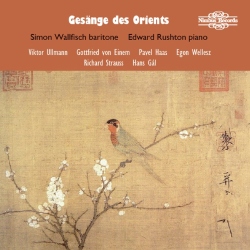
Songbook of Hafiz, Op. 30
1.Vorausbestimmung (Preordination)/2. Betrunken (Drunk)/3. Unwiderstehliche Schönheit (irresistible Beauty)/4. Lob des Weines (In Paise of Wine)
8:14
Copyright Ⓒ 2013 Davinci Finger. All rights reseved
Service Terms & Policy