


Felix Mendelssohn
Elijah, Op. 70
Released Album
Recent Album
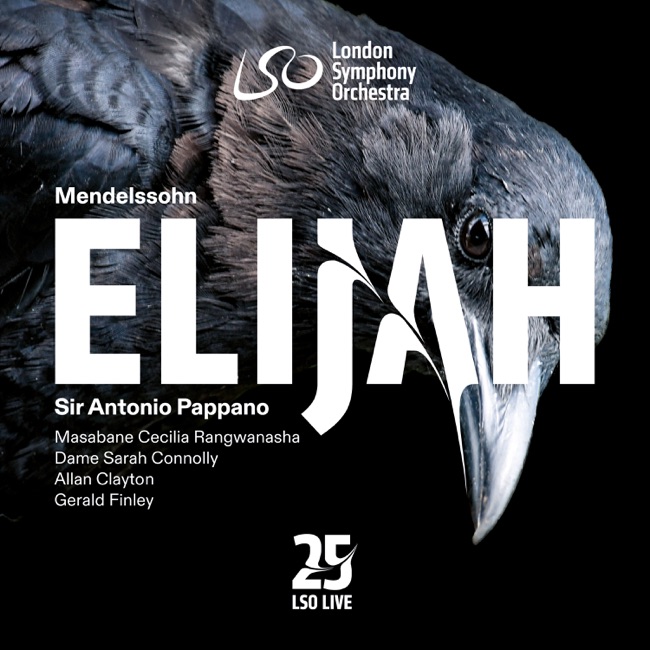
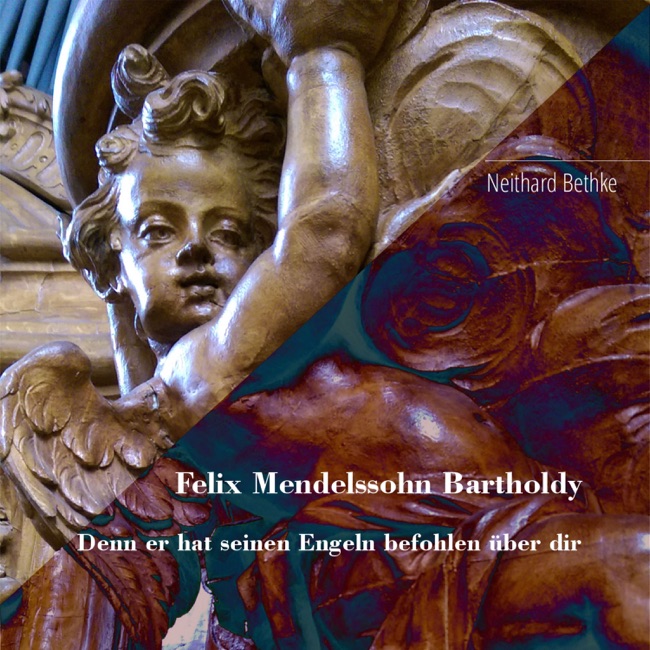
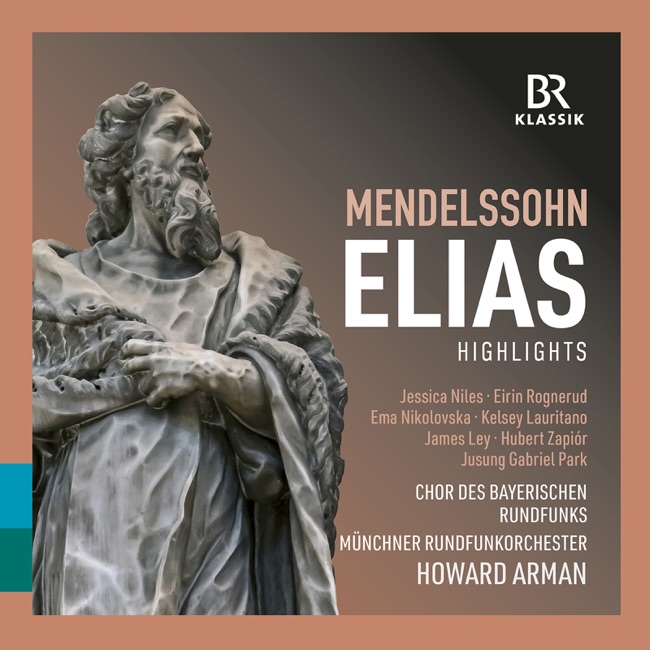
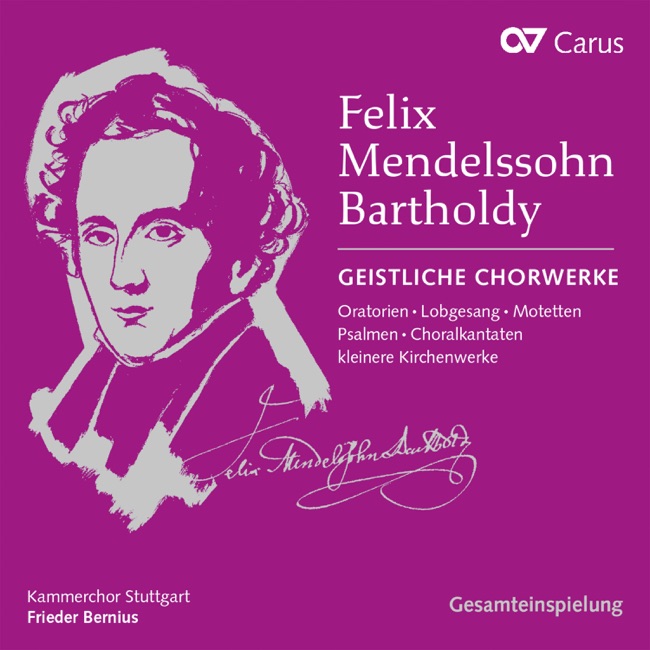
Featured Album
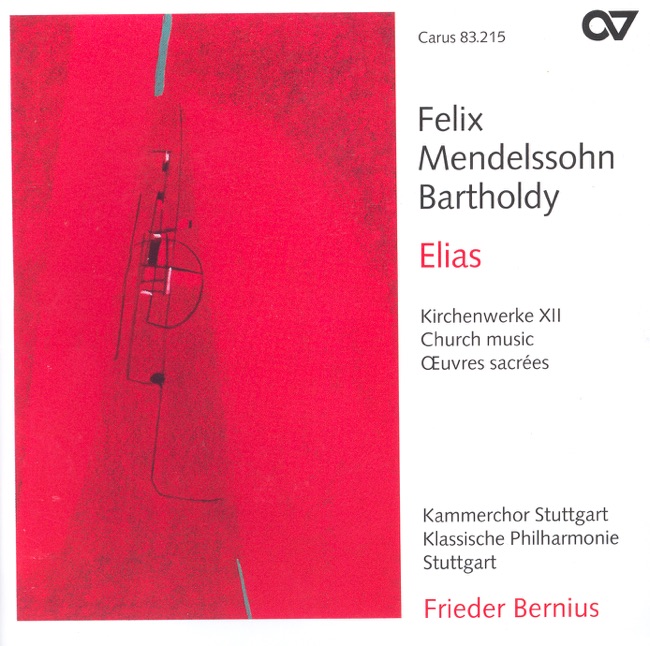
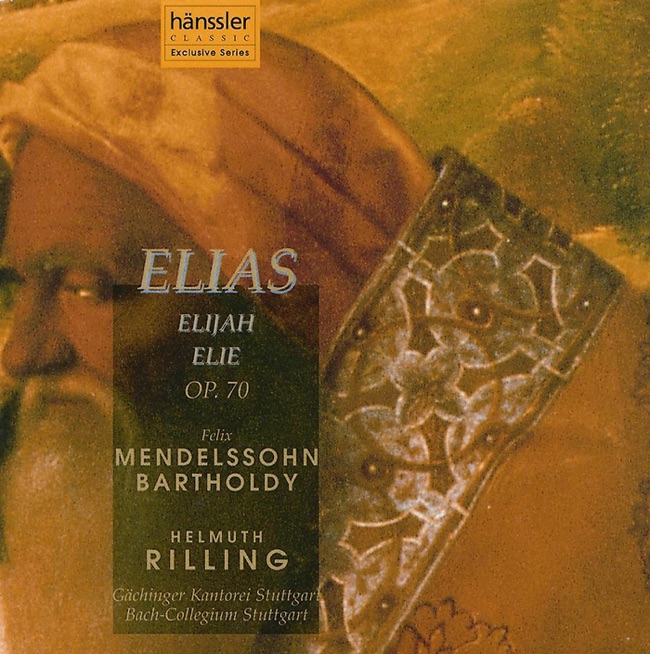
Works Info
Composer:Felix MendelssohnGenre:ChoralStyle:OratorioCompose Date:Aug 11, 1846Publication Date:1847First Performance:Aug 26, 1846Average_duration:123:06Movement_count:45Movement ....Elijah, Op. 70 is an oratorio composed by Felix Mendelssohn in 1846. It premiered on August 26, 1846, at the Birmingham Festival in England. The oratorio is divided into two parts, with a total of 40 movements. The first part of Elijah begins with an overture that sets the tone for the entire work. The first movement, "Help, Lord!" is a chorus that sets the scene for the story of Elijah. The second movement, "Lord, bow Thine ear to our prayer," is a prayer for help from the people of Israel. The third movement, "Ye people, rend your hearts," is a call to repentance. The fourth movement, "If with all your hearts," is a tenor aria that expresses Elijah's faith in God. The fifth movement, "Yet doth the Lord see it not," is a chorus that expresses the people's frustration with God's apparent lack of action. The sixth movement, "Elijah, get thee hence," is a recitative that sets up the confrontation between Elijah and King Ahab. The second part of Elijah begins with the seventh movement, "Blessed are the men who fear Him," a chorus that praises those who fear God. The eighth movement, "As God the Lord of Sabaoth liveth," is a chorus that proclaims God's power and majesty. The ninth movement, "Ba'al, we cry to thee," is a chorus that mocks the false god Baal. The tenth movement, "Call him louder, for he is a god," is a recitative that sets up the contest between Elijah and the prophets of Baal. The eleventh movement, "Call him louder, he heareth not," is a chorus that mocks the prophets of Baal. The twelfth movement, "Draw near, all ye people," is a chorus that calls the people to witness the contest. The thirteenth movement, "Cast thy burden upon the Lord," is a bass aria that expresses Elijah's faith in God. The fourteenth movement, "O thou, who makest thine angels spirits," is a chorus that praises God's angels. The fifteenth movement, "Is not His word like a fire?" is a chorus that proclaims the power of God's word. The sixteenth movement, "Woe unto them who forsake Him," is a chorus that warns of the consequences of turning away from God. The seventeenth movement, "But the Lord from the north hath raised one," is a chorus that proclaims God's choice of Elijah as his prophet. The eighteenth movement, "Behold, God the Lord passed by," is a chorus that describes Elijah's encounter with God. The nineteenth movement, "Above him stood the seraphim," is a chorus that describes the vision of the seraphim. The twentieth movement, "Go, return upon thy way," is a recitative that sets up Elijah's departure from the world. The twenty-first movement, "For the mountains shall depart," is a chorus that proclaims the eternal nature of God's love. The final movement, "And then shall your light break forth," is a chorus that expresses the hope of the people for a better future. Elijah is a powerful work that showcases Mendelssohn's skill as a composer. Its dramatic and emotional music, combined with its powerful message, has made it a beloved work of the choral repertoire.More....
Works Music
Released Music
2
Elijah, Op.70
Part 1: Overture - No. 1, Chorus & Recitative. 'Help, Lord! Wilt Thou quite destroy us?' - 'The depths afford no water!'
7:11
5
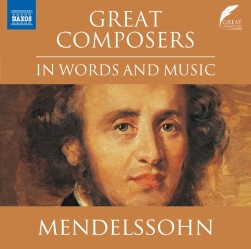
Elijah, Op.70
Part II, No. 42. Alsdann wird euer Licht hervorbrechen (And Then Shall Your Light Break Forth [excerpt]
45
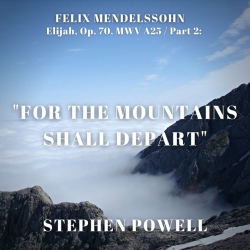
Featured Music
4
Elijah, Op.70
Erster Teil. No. 2 Duett mit Chor: Herr, höre unser Gebet / Zion streckt ihre Hände aus
2:27
5
Elijah, Op.70
Erster Teil. No. 7 Doppelquartett: Denn er hat seinen Engeln befohlen / Rezitativ: Nun auch der Bach vertrocknet ist
3:54
9
Elijah, Op.70
Zweiter Teil. No. 21 Arie mit Rezitativ: Höre, Israel - So spricht der Herr - Ich bin euer Tröster
5:52
11
Elijah, Op.70
Zweiter Teil. No. 34 Chor: Der Herr ging vorüber / Rufet lauter! - Baal, erhöre uns
4:22




Main Perform Artists
Contralto Vocal
Contralto Vocal
Tenor Vocal
Soprano Vocal
Bass Vocal
Alto Vocals