


Hanns Eisler
Released Album
Vocal
-
 October 6, 2023
 -
 January 27, 2023
 -
 April 17, 2020
 -
 April 10, 2020
 -
 November 2, 2018
 -
 July 20, 2018
Miscellaneous
-
 March 29, 2004
 -
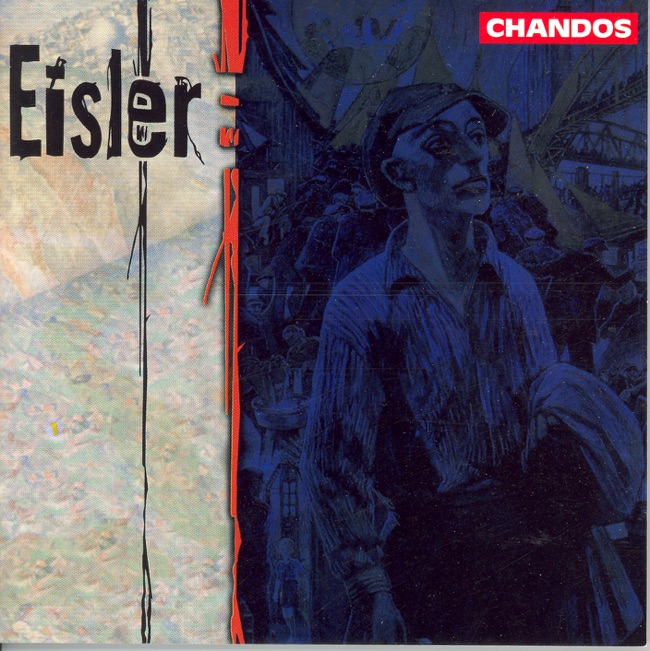
Chamber
-
 March 18, 2022
 -
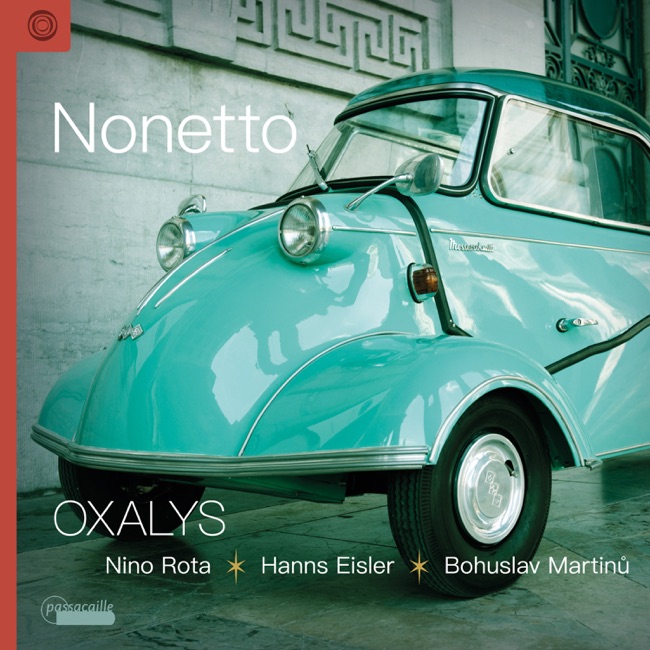
-
 March 6, 2021
 -
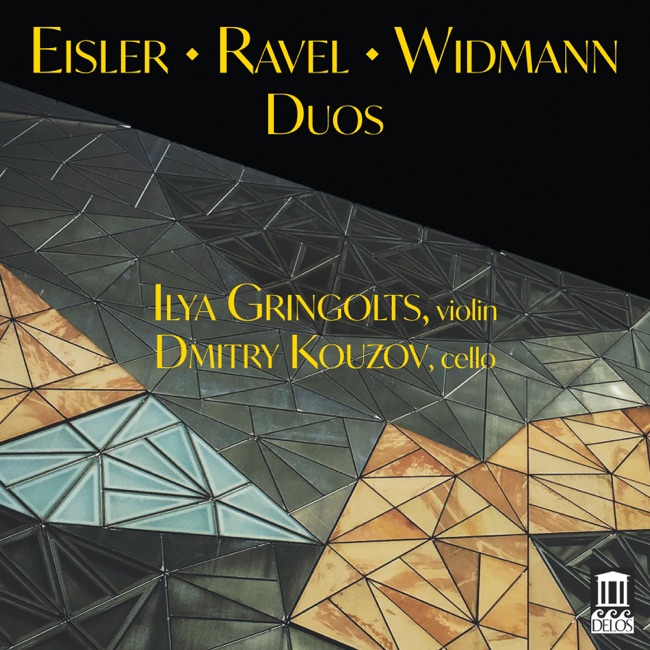 September 6, 2019
 -
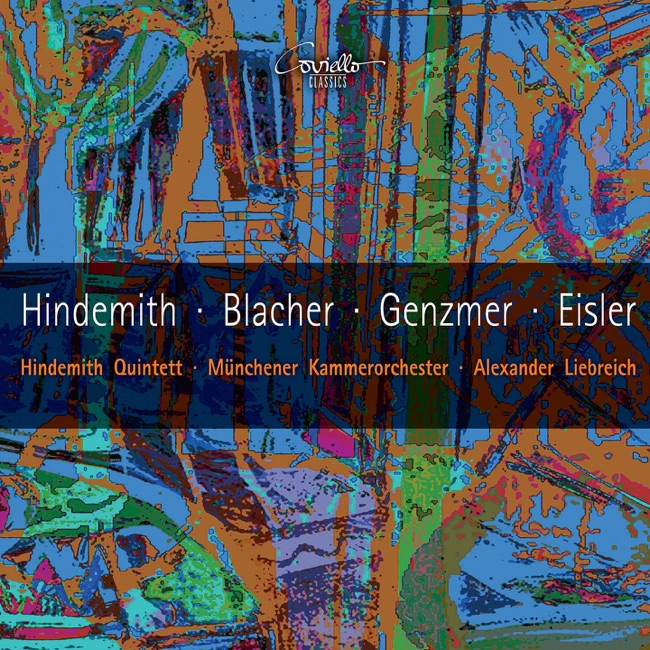 September 30, 2016
 -
 April 29, 2016
Orchestral
-
 January 31, 2012
 -
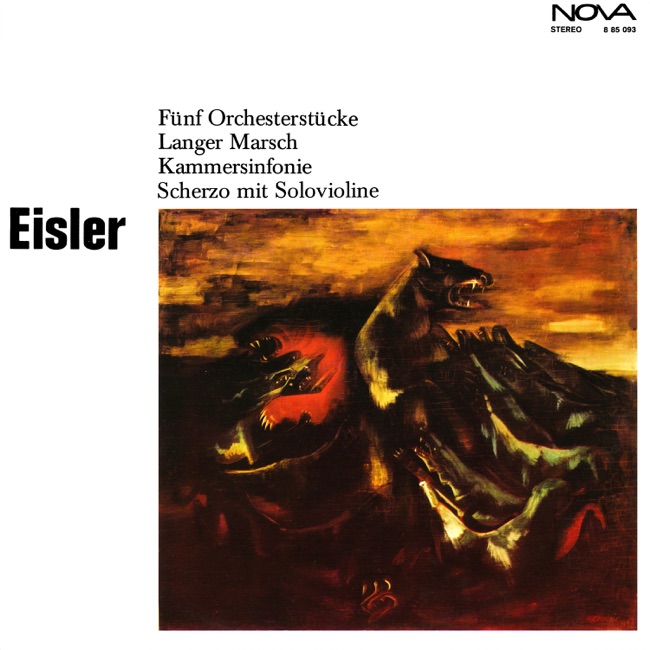
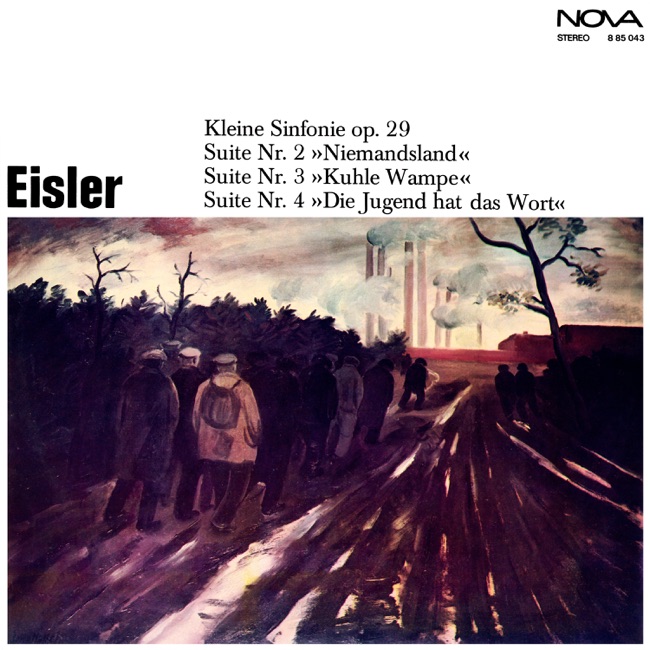
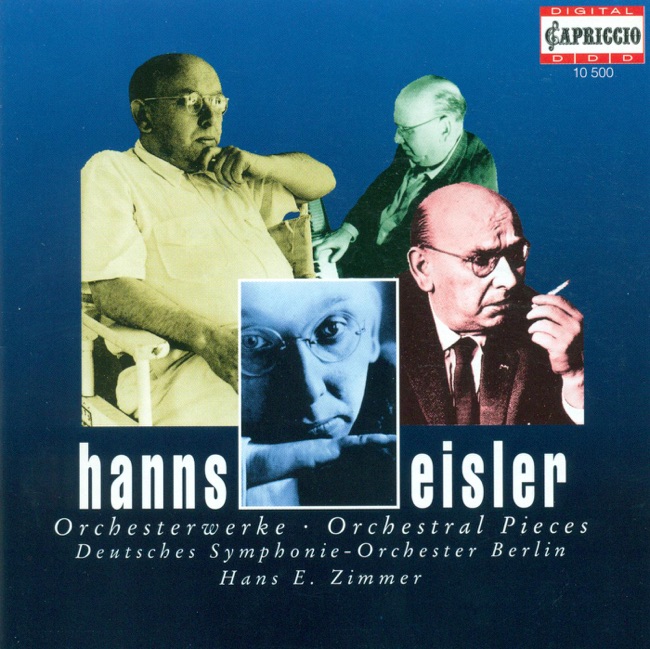 October 30, 1996
 -
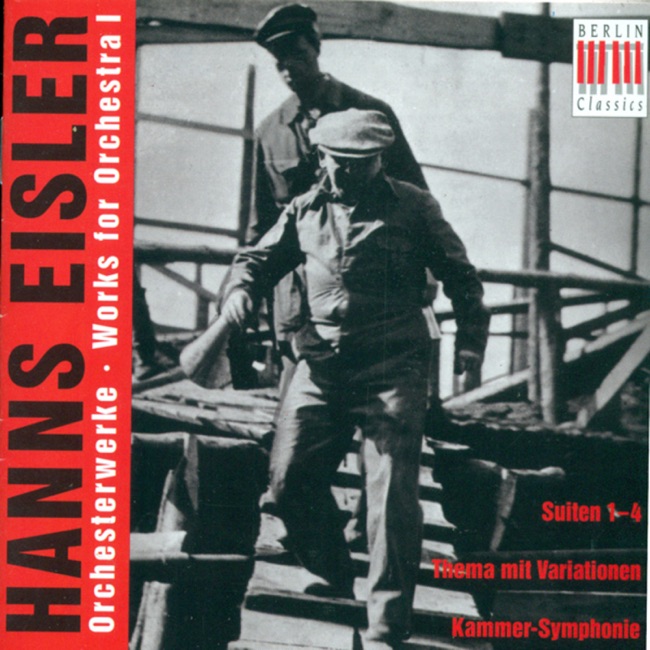 March 12, 1996
 -
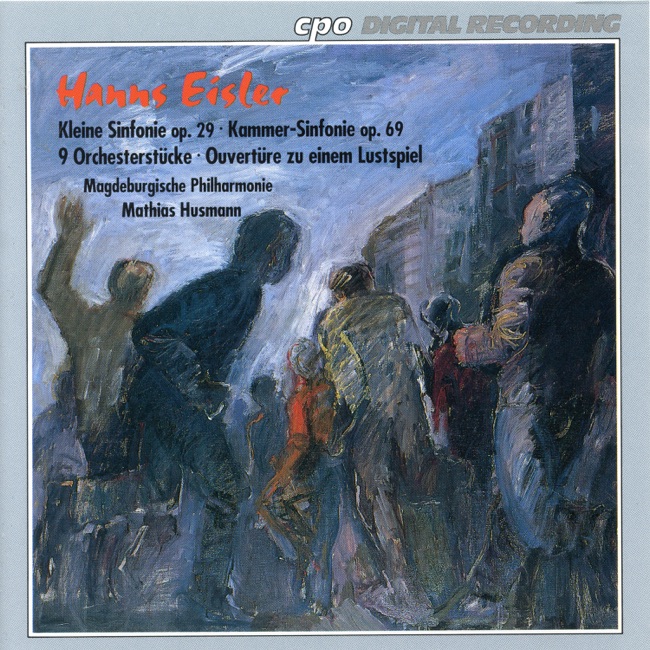 January 25, 1995
 -
-
Artist Info
Role:Composer Conductor PerformerCountry: GermanyBirth:July 6, 1898 in Leipzig, GermanyDeath:September 6, 1962 in Berlin, GermanyPeriod:ContemporaryModernGenre:ChamberKeyboardVocalHanns Eisler was a German-Austrian composer, born on July 6, 1898, in Leipzig, Germany. He was the son of Rudolf Eisler, a philosophy professor, and Marie Fischer, a singer. Hanns grew up in a family of intellectuals and artists, which influenced his interest in music from an early age. He began his musical education at the age of six, studying piano with his mother and later with Max Reger, a prominent composer and pianist. In 1916, Eisler was drafted into the German army and served in World War I. After the war, he studied composition with Arnold Schoenberg, a pioneer of atonal music, in Vienna. Schoenberg's influence can be heard in Eisler's early works, which were characterized by dissonant harmonies and unconventional forms. In the 1920s, Eisler became involved in the German communist movement and began to write music for political theater and film. He collaborated with playwright Bertolt Brecht on several projects, including the famous "Threepenny Opera" (1928), which featured the song "Mack the Knife." Eisler's music for Brecht's plays was marked by its simplicity and directness, reflecting the political message of the works. In 1933, the Nazi party came to power in Germany, and Eisler, who was Jewish and a communist, was forced to flee the country. He settled in Vienna briefly before moving to Paris, where he continued to compose and collaborate with Brecht. In 1935, he emigrated to the United States, where he lived for the next 15 years. In the United States, Eisler continued to write music for film and theater, as well as concert works. He also became involved in left-wing politics and was investigated by the House Un-American Activities Committee (HUAC) for his communist sympathies. In 1948, he was deported from the United States and returned to Europe. Eisler spent the rest of his life in East Germany, where he became a prominent figure in the cultural life of the country. He wrote music for films, theater, and television, as well as concert works. His music from this period is characterized by its accessibility and simplicity, reflecting the socialist ideals of the East German government. Eisler's most famous works include his music for Brecht's plays, such as "The Threepenny Opera," "The Mother," and "The Good Person of Szechwan." He also wrote music for films, including "Hangmen Also Die!" (1943) and "None But the Lonely Heart" (1944). His concert works include the "Hollywood Songbook" (1942-43), a collection of songs for voice and piano that reflect his experiences in the United States. Eisler's music is notable for its political content and its accessibility. He believed that music should serve a social purpose and should be accessible to all people, not just the elite. His music reflects his commitment to socialist ideals and his belief in the power of music to effect social change. Eisler died on September 6, 1962, in East Berlin, Germany. His legacy as a composer and political activist continues to inspire musicians and activists around the world.More....
Recent Artist Music






Related Artists
Copyright Ⓒ 2013 Davinci Finger. All rights reseved
Service Terms & Policy