


Marc Blitzstein
Released Album
Vocal
-
 November 13, 2015
 -
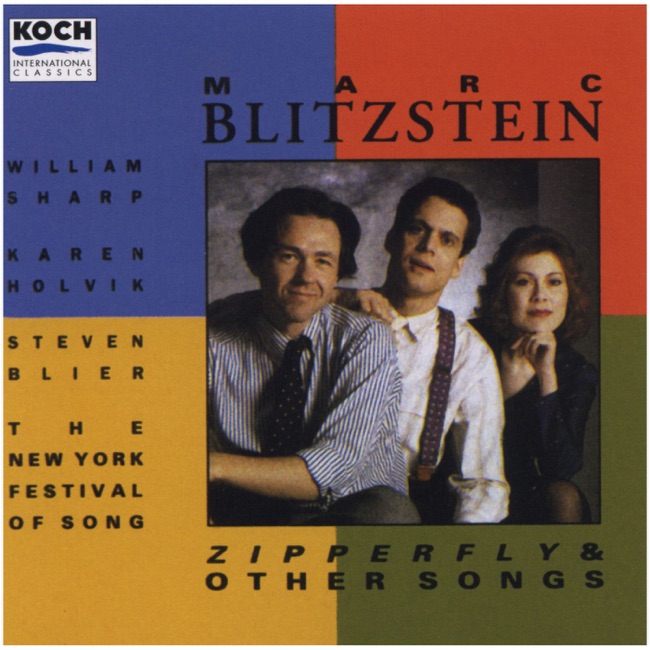 January 27, 2009
Opera
-
 June 4, 2013
Keyboard
-
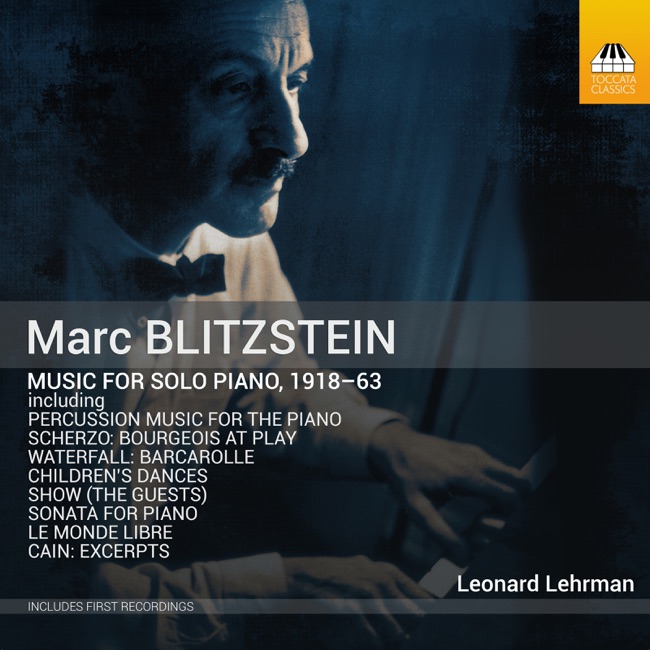 February 15, 2019
 -
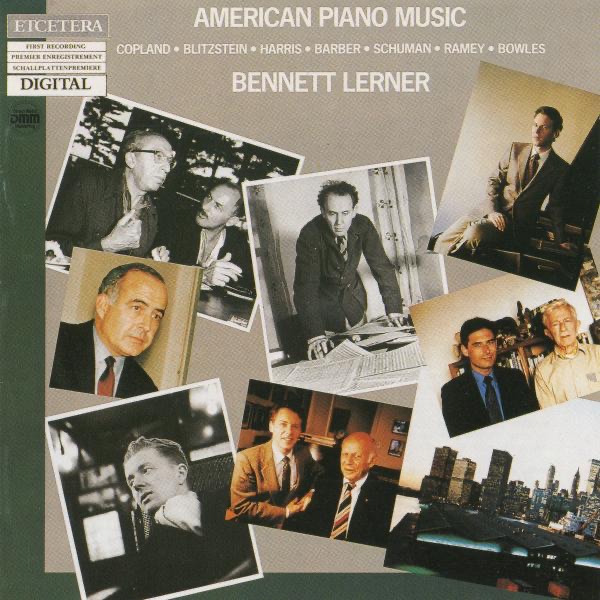 October 1, 2006
Symphony
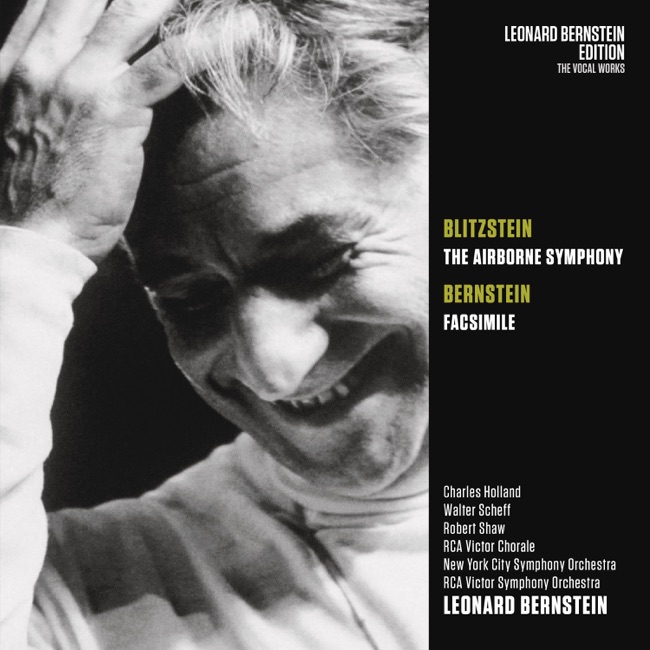
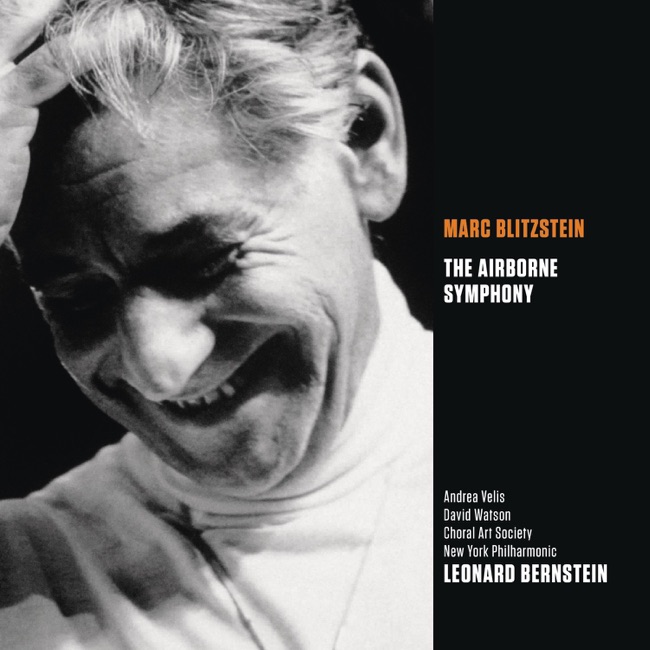
Artist Info
Role:Composer PerformerCountry: United States of AmericaBirth:March 2, 1905 in Philadelphia, PADeath:January 22, 1964 in Fort-de-France, MartiniqueGenre:VocalMarc Blitzstein was an American composer, lyricist, and playwright who was born on March 2, 1905, in Philadelphia, Pennsylvania. He was the youngest of three children born to affluent parents, Henry and Anna Blitzstein. His father was a successful businessman, and his mother was a homemaker who was passionate about music. She encouraged her children to pursue music, and Marc showed an early aptitude for the piano. Blitzstein began his formal music education at the age of 14 when he enrolled at the Curtis Institute of Music in Philadelphia. He studied composition with Rosario Scalero, a renowned Italian composer, and pianist. He also studied conducting with Fritz Reiner, a Hungarian conductor, and pianist. During his time at the Curtis Institute, Blitzstein composed his first major work, a piano sonata, which was performed by the Philadelphia Orchestra. After graduating from the Curtis Institute in 1926, Blitzstein moved to Europe to continue his studies. He spent a year in Berlin, where he studied with Arnold Schoenberg, a pioneer of atonal music. He also studied with Nadia Boulanger, a French composer, and conductor, in Paris. Boulanger was a significant influence on Blitzstein's music, and he credited her with teaching him the importance of clarity and simplicity in composition. Blitzstein returned to the United States in 1928 and settled in New York City. He quickly established himself as a composer and pianist, and his music was performed by some of the leading orchestras and ensembles in the country. In 1930, he composed his first major work for the stage, a one-act opera called "The Condemned." The opera was based on a play by the French writer Jean Genet and dealt with themes of social injustice and oppression. In 1934, Blitzstein composed his most famous work, "The Cradle Will Rock." The musical was commissioned by the Federal Theatre Project, a New Deal program that provided employment for artists during the Great Depression. The musical was a scathing critique of capitalism and the American political system, and it was initially shut down by the government due to its controversial content. However, the cast and crew staged an impromptu performance outside the theater, and the show went on to become a critical and commercial success. Blitzstein continued to compose music for the stage throughout the 1930s and 1940s. He wrote several operas, including "Regina," which was based on Lillian Hellman's play "The Little Foxes," and "No for an Answer," a one-act opera about a group of struggling artists in New York City. He also wrote several musicals, including "Juno," which was based on Sean O'Casey's play "Juno and the Paycock," and "Reuben, Reuben," which was based on a play by Clifford Odets. In addition to his work as a composer, Blitzstein was also a prolific writer and activist. He wrote several books and articles on music and politics, and he was a vocal advocate for social justice and civil rights. He was a member of the Communist Party and was investigated by the House Un-American Activities Committee during the Red Scare of the 1950s. Blitzstein died on January 22, 1964, at the age of 58. He was working on a new opera at the time of his death, which was left unfinished. His legacy as a composer and activist continues to inspire musicians and artists today. In conclusion, Marc Blitzstein was a talented and influential composer who made significant contributions to American music and culture.More....
Recent Artist Music



8
3:38
Copyright Ⓒ 2013 Davinci Finger. All rights reseved
Service Terms & Policy