


Kurt Weill
Released Album
Vocal
-
 October 6, 2023
 -
 July 14, 2023
 -
 April 14, 2023
 -
 January 13, 2023
 -
 January 6, 2023
 -
 December 2, 2022
Opera
-
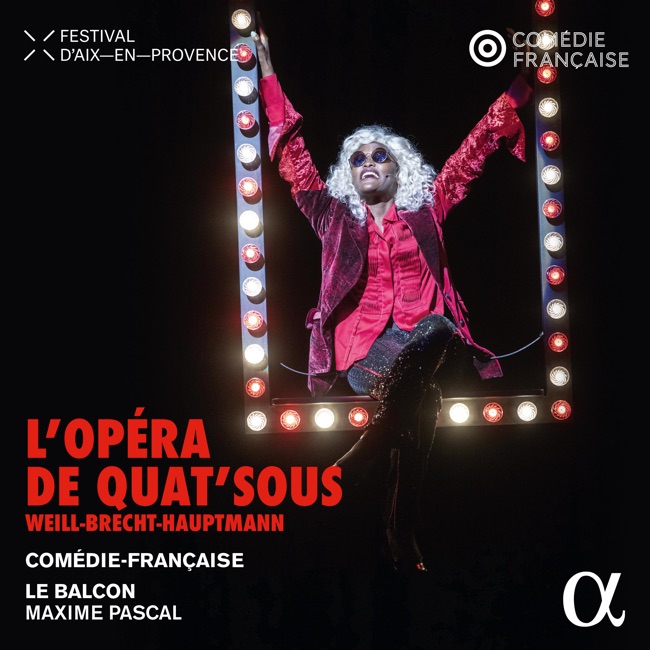 September 22, 2023
 -
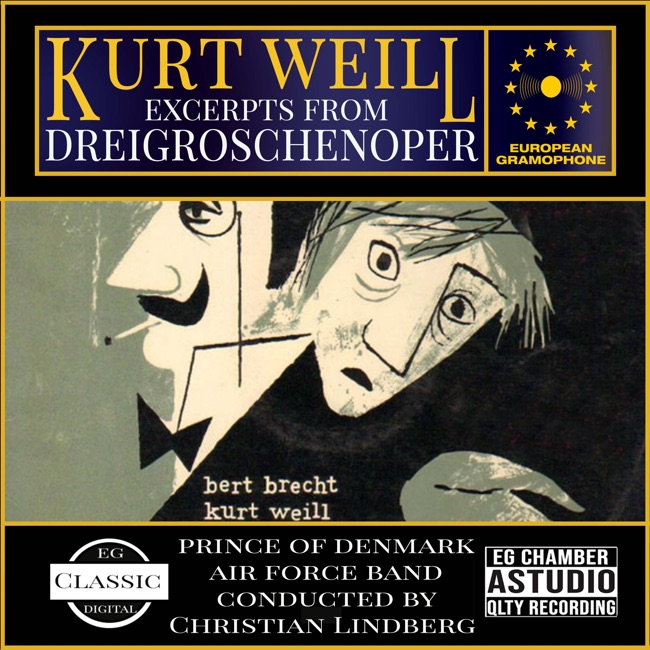 February 21, 2023
 -
 January 7, 2022
 -
 January 19, 2018
 -
 November 10, 2017
 -
 September 8, 2017
Musical Theatre
-
 June 14, 2024
 -
 June 16, 2023
 -
 March 3, 2023
 -
 May 5, 2017
Orchestral
-
 September 20, 2019
 -
-
 September 20, 2018
 -
 September 20, 2018
 -
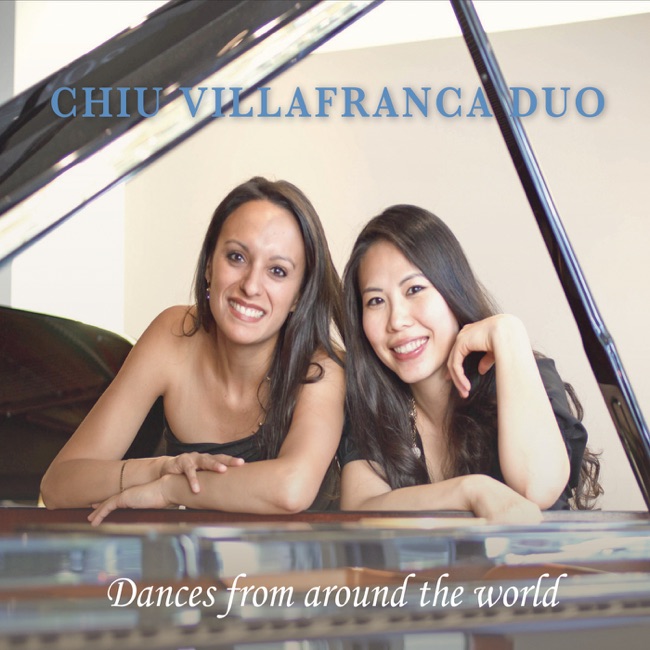 October 6, 2017
 -
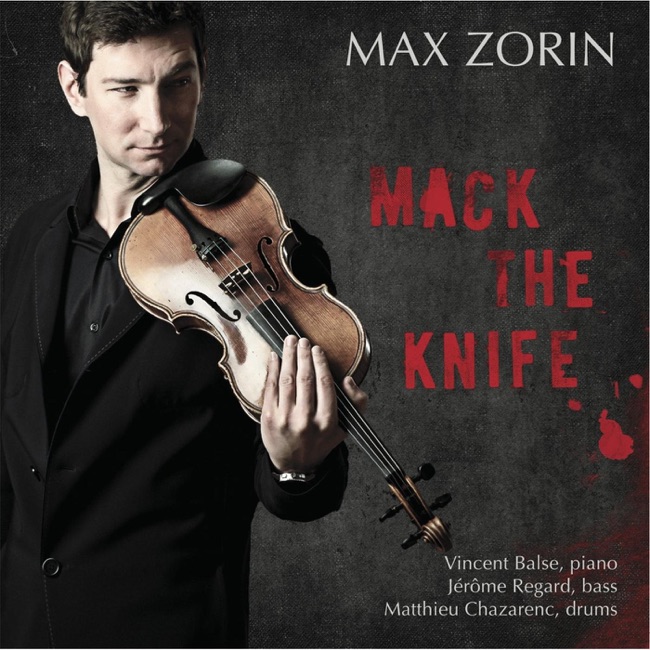 August 1, 2016
Artist Info
Role:ComposerCountry: GermanyBirth:March 2, 1900 in Dessau, GermanyDeath:April 3, 1950 in New York City, NYPeriod:ContemporaryModernGenre:OperaOrchestralOrchestralVocalKurt Weill was a German composer who was born on March 2, 1900, in Dessau, Germany. He was the third of four children born to Albert Weill, a cantor in a Jewish synagogue, and Emma Ackermann Weill. From a young age, Weill showed a talent for music, and he began taking piano lessons at the age of twelve. He also showed an interest in theater and began writing plays and musicals while still in high school. After completing his education, Weill studied music at the Berlin Hochschule für Musik. He was a student of Ferruccio Busoni, one of the most important composers of the early 20th century. Weill was also influenced by the music of Igor Stravinsky and Arnold Schoenberg, two of the most important composers of the time. In 1920, Weill met the playwright Georg Kaiser, and the two began collaborating on a series of plays and musicals. Their first collaboration was a play called "Protagonist," which was produced in 1921. The play was a critical success, and it led to a series of other collaborations between Weill and Kaiser. In 1927, Weill met the writer Bertolt Brecht, and the two began collaborating on a series of plays and musicals that would become some of the most important works of the 20th century. Their first collaboration was a play called "Mahagonny," which was produced in 1927. The play was a critical and commercial success, and it led to a series of other collaborations between Weill and Brecht. One of the most important works that Weill and Brecht collaborated on was "The Threepenny Opera," which was produced in 1928. The play was a satirical take on John Gay's "The Beggar's Opera," and it featured some of Weill's most famous songs, including "Mack the Knife." The play was a critical and commercial success, and it has since become one of the most important works of the 20th century. Weill and Brecht continued to collaborate on a series of plays and musicals throughout the 1930s, including "Happy End" and "The Rise and Fall of the City of Mahagonny." However, their collaboration was cut short by the rise of the Nazi party in Germany. Weill was Jewish, and his music was considered degenerate by the Nazi regime. In 1933, Weill and his wife, the actress Lotte Lenya, fled Germany and moved to Paris. In Paris, Weill continued to compose music, but he struggled to find success. He wrote a series of works for the theater, including "Marie Galante" and "Johnny Johnson," but they were not as successful as his earlier works with Brecht. In 1935, Weill and Lenya moved to the United States, where they hoped to find more success. In the United States, Weill continued to compose music for the theater. He wrote a series of works for Broadway, including "Lady in the Dark" and "One Touch of Venus." He also wrote a series of film scores, including the score for the film "Knickerbocker Holiday." However, Weill struggled to find the same success in the United States that he had found in Germany. In 1943, Weill and Lenya divorced, and Weill began a relationship with the singer and actress Lotte Lenya. The two were married in 1948, and they remained together until Weill's death in 1950. Weill's music was characterized by its eclectic style, which combined elements of classical music, jazz, and popular music. He was also known for his use of satire and social commentary in his works.More....
Recent Artist Music
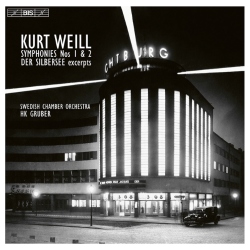
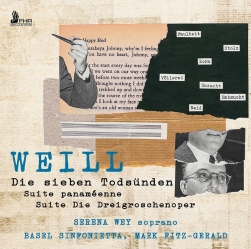
5
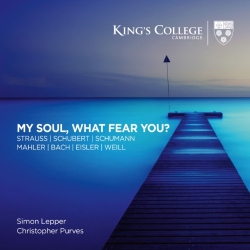
The Berlin Requiem
V. Zweiter Bericht über den unbekannten Soldaten. Alles, was ich euch sagte
4:14
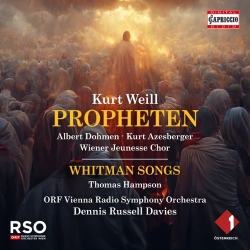

12
4:32

Works Highlight
Recommend Playlist













Related Artists
Copyright Ⓒ 2013 Davinci Finger. All rights reseved
Service Terms & Policy