


Ferruccio Busoni
Released Album
Keyboard
-
 May 1, 2024
 -
 February 23, 2024
 -
 February 16, 2024
 -
 January 29, 2024
 -
 November 17, 2023
 -
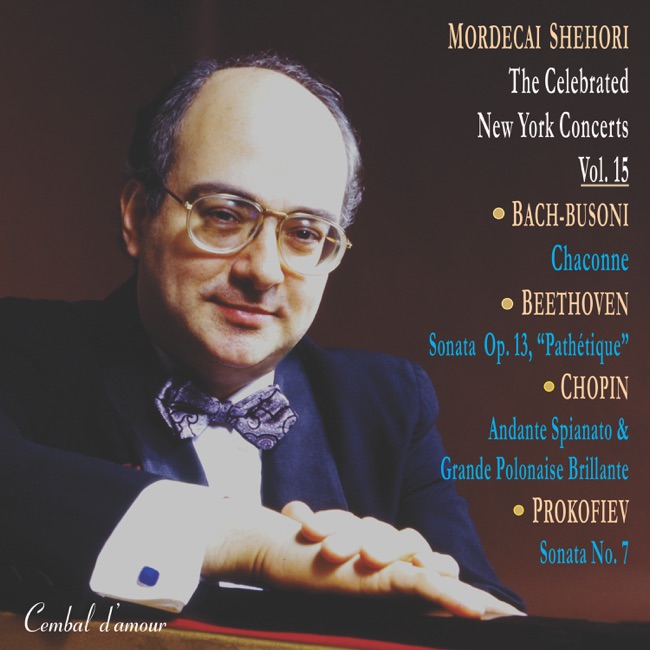 October 31, 2023
Chamber
-
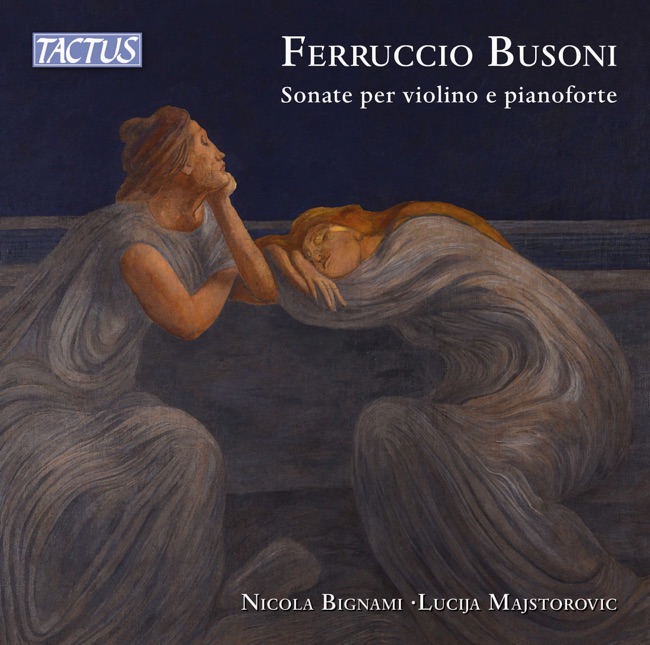 January 5, 2024
 -
 November 25, 2022
 -
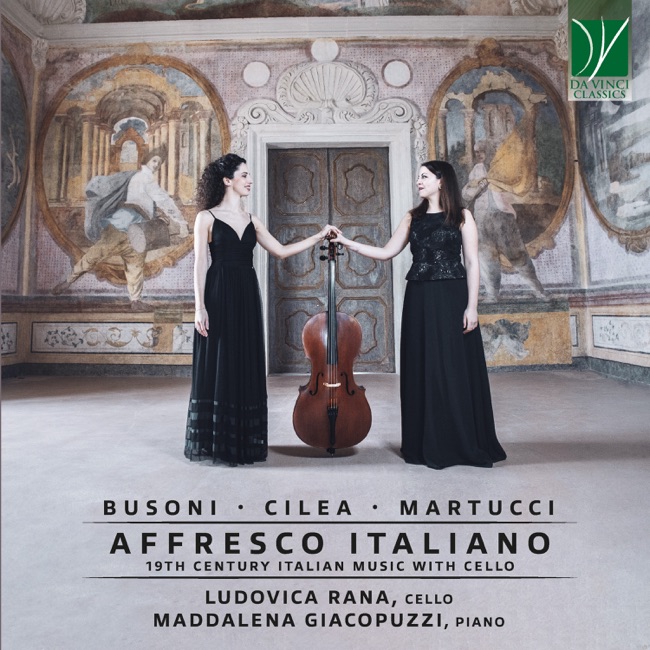
-
 September 16, 2022
 -
-
 January 7, 2022
Concerto
-
-
 March 1, 2024
 -
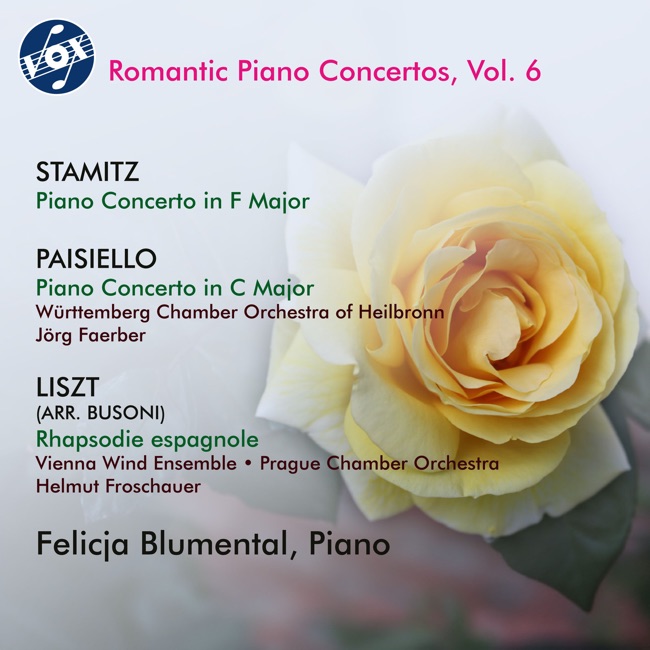 September 22, 2023
 -
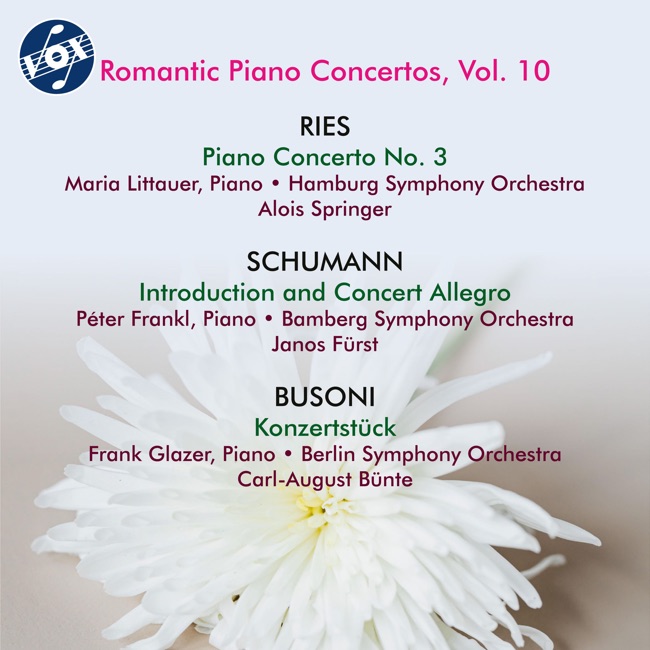 September 22, 2023
 -
-
 October 25, 2019
Orchestral
-
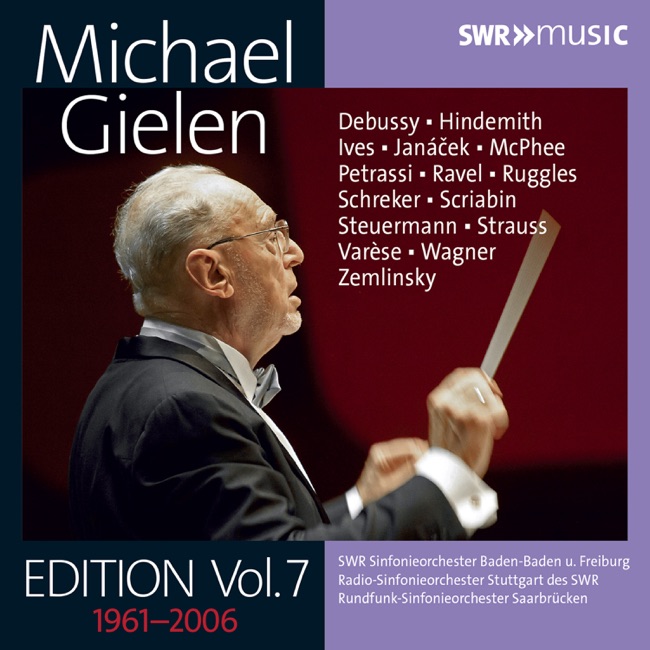 May 11, 2018
 -

-
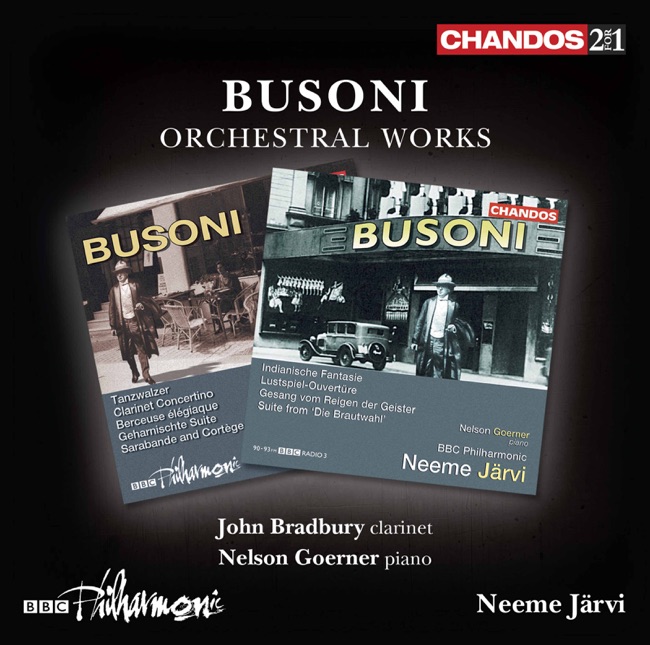 June 2, 2017
 -
 May 9, 2015
 -
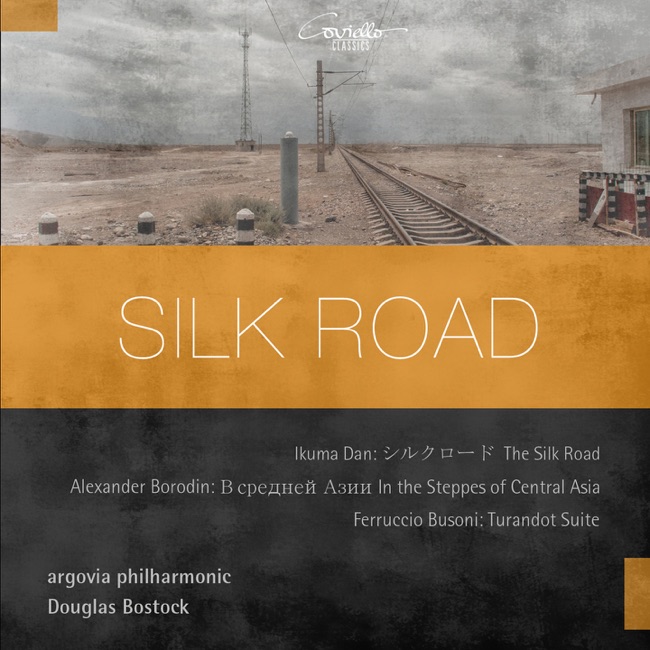 January 27, 2015
 -
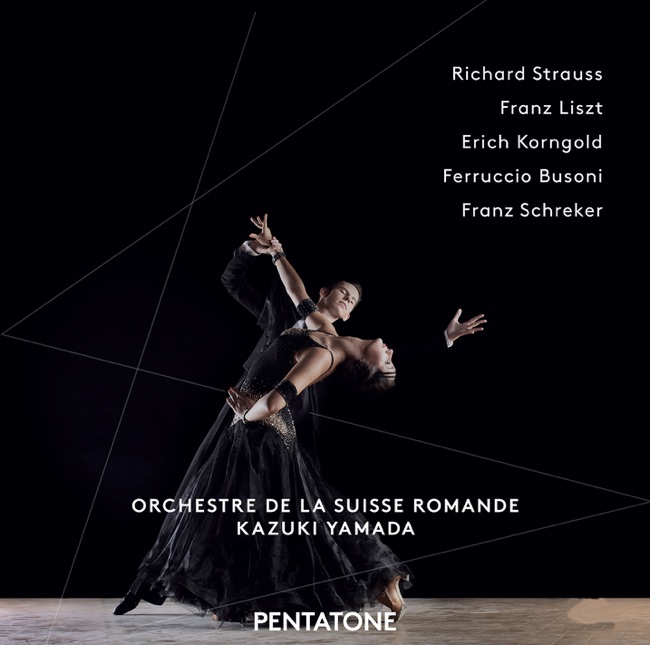 June 10, 2014
Artist Info
Role:ComposerCountry: ItalyBirth:April 1, 1866 in Empoli, ItalyDeath:July 27, 1924 in Berlin, GermanyPeriod:ContemporaryModernGenre:ChamberKeyboardOrchestralFerruccio Busoni was an Italian composer, pianist, and conductor who was born on April 1, 1866, in Empoli, Tuscany. He was the son of a clarinetist and a pianist, and his parents recognized his musical talent at an early age. Busoni began piano lessons with his mother when he was only three years old, and by the age of six, he was already performing in public. In 1875, Busoni's family moved to Vienna, where he continued his musical education under the tutelage of Karl Goldmark and Julius Epstein. He made his debut as a pianist in Vienna in 1882, and his performance was well-received by the audience and critics alike. Busoni's talent as a pianist was soon recognized by Franz Liszt, who invited him to Weimar to study with him. Busoni spent several years in Weimar, where he studied with Liszt and became a close friend of the composer. He also met other prominent musicians of the time, including Johannes Brahms and Richard Strauss. During this time, Busoni began to develop his own style as a composer, which was influenced by Liszt's virtuosic piano writing and the German Romantic tradition. In 1888, Busoni moved to Berlin, where he continued to perform as a pianist and began to establish himself as a composer. He became involved in the Berlin music scene and was a frequent performer at the Berlin Philharmonic. In 1894, he married Gerda Sjöstrand, a Swedish singer, and they had two children together. Busoni's early compositions were heavily influenced by Liszt and the German Romantic tradition, but he soon began to experiment with new forms and techniques. He was particularly interested in the music of J.S. Bach and began to incorporate elements of Baroque music into his compositions. He also experimented with atonality and other modernist techniques, which put him at odds with some of his contemporaries. One of Busoni's most famous works is his Piano Concerto, which he composed in 1904. The concerto is a massive work that lasts over an hour and features a solo piano part that is both virtuosic and highly expressive. The concerto was premiered in Berlin in 1904, with Busoni as the soloist and the composer himself conducting. The concerto was a critical and popular success and established Busoni as one of the leading composers of his time. In addition to his work as a composer, Busoni was also a highly respected pianist and conductor. He was known for his virtuosic performances of Liszt's music and was also a champion of the music of Bach. He was a frequent performer at the Salzburg Festival and other major music festivals of the time. Busoni's later years were marked by personal tragedy and political turmoil. His wife Gerda died in 1919, and he was deeply affected by her loss. He also became increasingly disillusioned with the political situation in Germany and Italy, where he had spent much of his life. In 1920, he moved to Zurich, Switzerland, where he lived for the rest of his life. Busoni continued to compose and perform until his death in 1924. His later works were marked by a more austere and introspective style, which reflected his personal struggles and the political turmoil of the time. Despite his relatively short life, Busoni left a lasting legacy as a composer, pianist, and conductor. His music continues to be performed and studied today, and he is recognized as one of the most important figures in the development of modern classical music.More....
Recent Artist Music
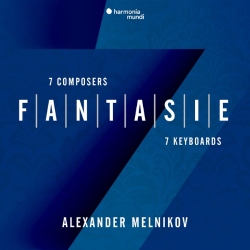
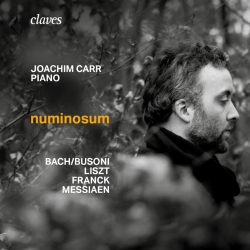
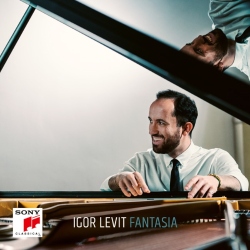
4
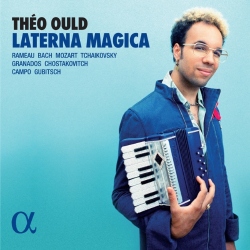
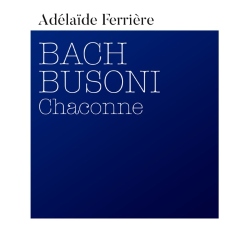
Chaconne, transcription for piano in D minor, KiV B24
Chaconne en r챕 mineur (after Bach's BWV 1004)
12:33
5
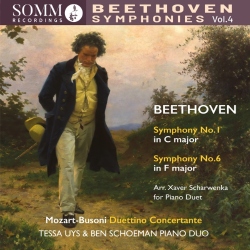
Duettino Concertante, KiV B88
Duettino Concertante BV88 nach Mozart K459 for 2 pianos, Allegro assai
Beethoven: Symphony No. 1 in C major; Symphony No. 4 in F major; Mozart-Busoni: Duettino Concertante
7:45
6
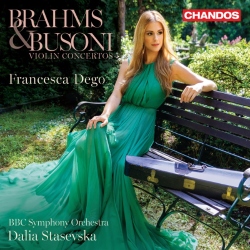
Violin Concerto in D major, Op. 35a, KiV 243
Allegro moderato - Animando - Tranquillo - Più moderato - Allegro - Quasi adagio -
7:43
7
16:22

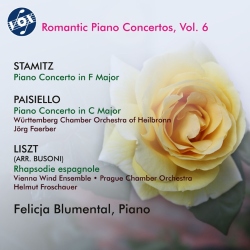
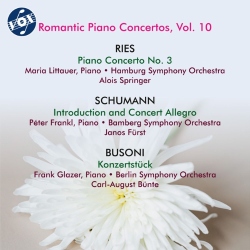
12
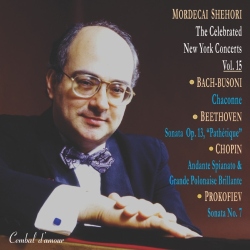
14:6
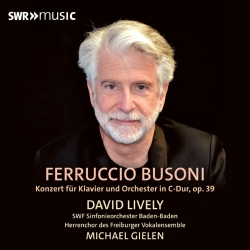
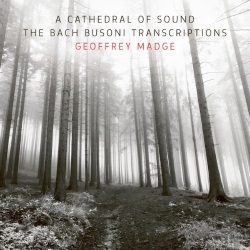
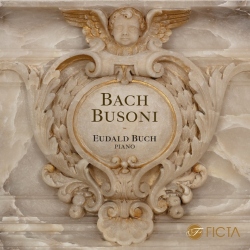
Works Highlight












Related Artists
Copyright Ⓒ 2013 Davinci Finger. All rights reseved
Service Terms & Policy