


Mieczyslaw Horszowski
Released Album
Chamber
-
-
-
 March 26, 2021
 -
-
-
 October 2, 2020
Keyboard
-
-
 July 22, 2022
 -
 January 7, 2022
 -
-
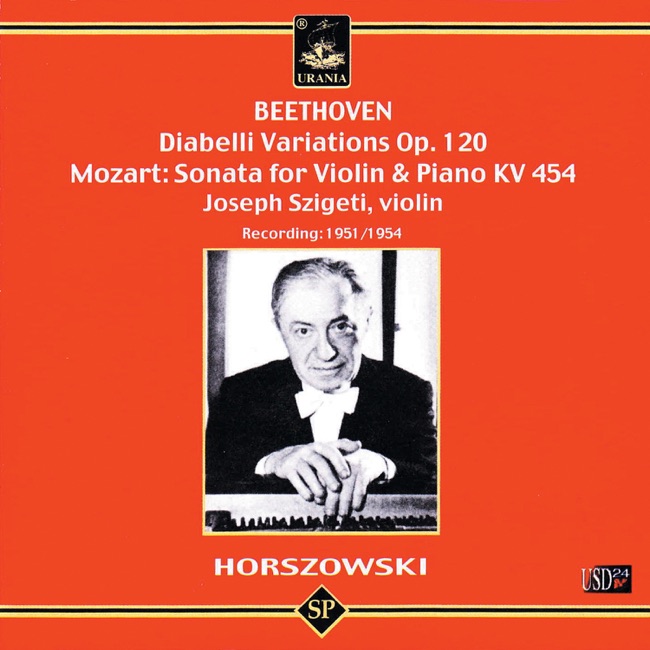 December 8, 2009
 -
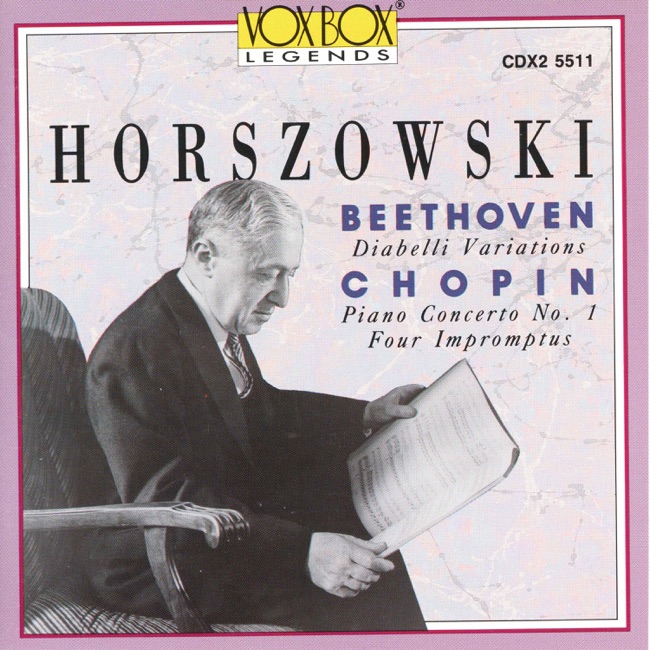
Concerto
-

-
 December 12, 2005
 -
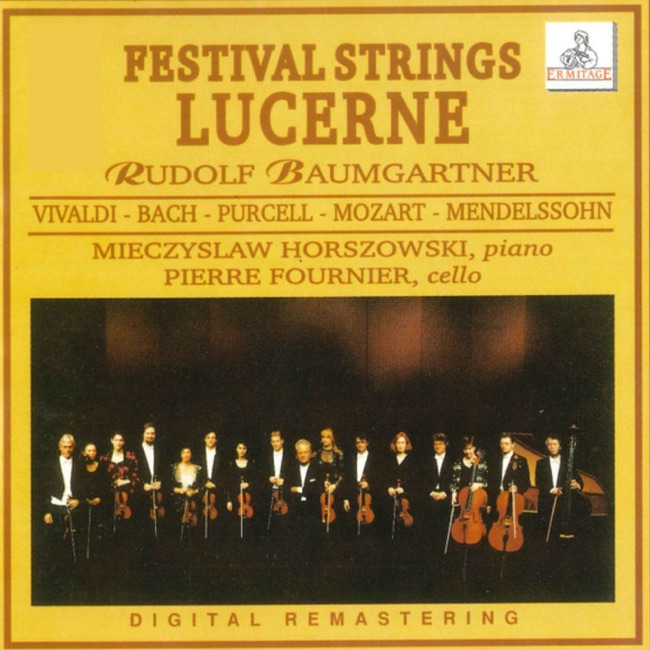
Artist Info
Role:ComposerCountry: PolandBirth:June 23, 1892 in Lemburg, PolandDeath:May 22, 1993 in Philadelphia, PAPeriod:ContemporaryGenre:ChamberKeyboardMieczyslaw Horszowski was a renowned classical pianist who was born on June 23, 1892, in Lwow, Poland. He was born into a family of musicians, and his father was a well-known violinist. Horszowski began playing the piano at a young age and showed exceptional talent. He gave his first public performance at the age of seven and was soon recognized as a child prodigy. Horszowski's family moved to Vienna when he was nine years old, and he continued his musical education there. He studied with some of the most prominent pianists of the time, including Theodor Leschetizky and Ferruccio Busoni. Horszowski's talent and dedication to his craft were evident from a young age, and he quickly gained a reputation as one of the most promising young pianists of his generation. In 1911, Horszowski made his debut in Berlin, performing Beethoven's Piano Concerto No. 4. The performance was a great success, and Horszowski was praised for his technical skill and musicality. He continued to perform throughout Europe, and in 1919, he made his debut in the United States, performing with the New York Philharmonic. Horszowski's career continued to flourish throughout the 1920s and 1930s. He performed with many of the world's leading orchestras, including the Berlin Philharmonic, the Vienna Philharmonic, and the London Symphony Orchestra. He also made numerous recordings, including a highly acclaimed recording of Beethoven's Piano Sonata No. 32. During World War II, Horszowski lived in the United States and continued to perform and teach. He became a naturalized citizen in 1940 and taught at the Curtis Institute of Music in Philadelphia. He also performed for American troops during the war, and his performances were greatly appreciated by the soldiers. After the war, Horszowski continued to perform and teach. He became a professor at the Juilliard School in New York City and taught there for over 40 years. He also continued to perform, both as a soloist and as a chamber musician. He was particularly known for his performances of the music of Mozart, Beethoven, and Schubert. Horszowski received many honors and awards throughout his career. In 1962, he was awarded the Order of Merit of the Federal Republic of Germany, and in 1974, he was awarded the National Medal of Arts by President Gerald Ford. He was also awarded honorary doctorates from several universities, including the University of Pennsylvania and the New England Conservatory of Music. Horszowski continued to perform and teach until the end of his life. He gave his last public performance in 1990, at the age of 97. He died on May 22, 1993, in Philadelphia, Pennsylvania, at the age of 100. Horszowski's legacy as a pianist and teacher is still felt today. He was known for his technical skill, musicality, and dedication to his craft. He was also known for his humility and kindness, and he was greatly respected by his colleagues and students. Many of his students went on to have successful careers as pianists, and his recordings continue to be admired by music lovers around the world. In conclusion, Mieczyslaw Horszowski was a remarkable pianist and teacher who had a long and successful career. He was known for his technical skill, musicality, and dedication to his craft, and he was greatly respected by his colleagues and students. His legacy as a musician and teacher continues to be felt today, and he remains an inspiration to pianists and music lovers around the world.More....
Recent Artist Music
2
11:15
4
5:41
6
5:35
7
9:4
8
6:40
9
4:59
12
9:33
13
8:46
Recommend Playlist


Related Artists
Copyright Ⓒ 2013 Davinci Finger. All rights reseved
Service Terms & Policy