


Alexander Schneider
Released Album
Chamber
-
 November 13, 2020
 -
-
-
-
 August 29, 2014
 -
 June 19, 2013
Concerto
-

-
 August 7, 2020
 -
 August 7, 2020
 -
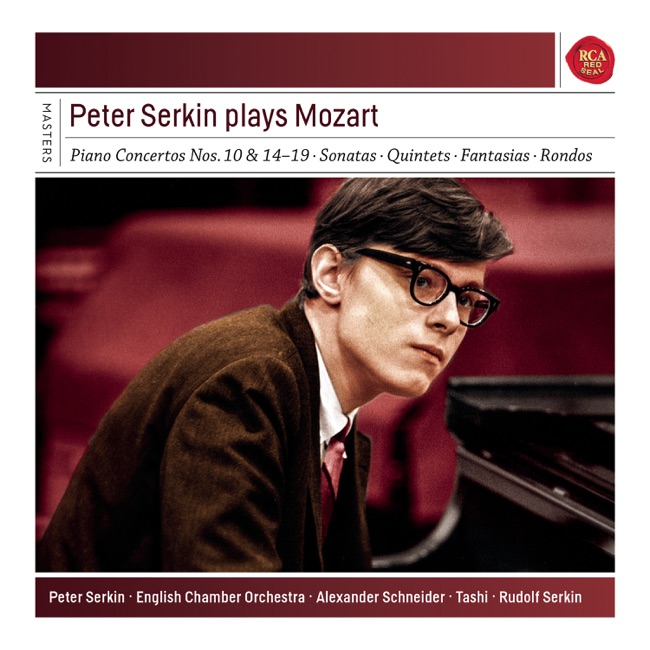 April 26, 2019
 -
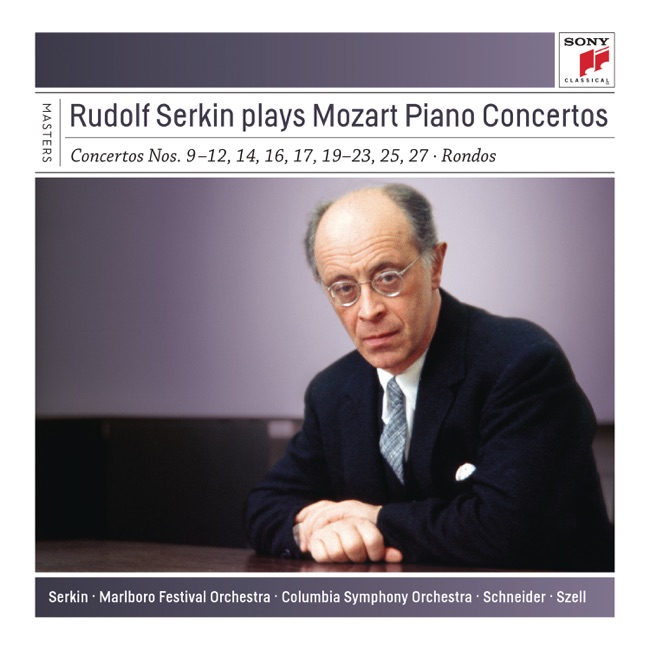 October 27, 2017
 -
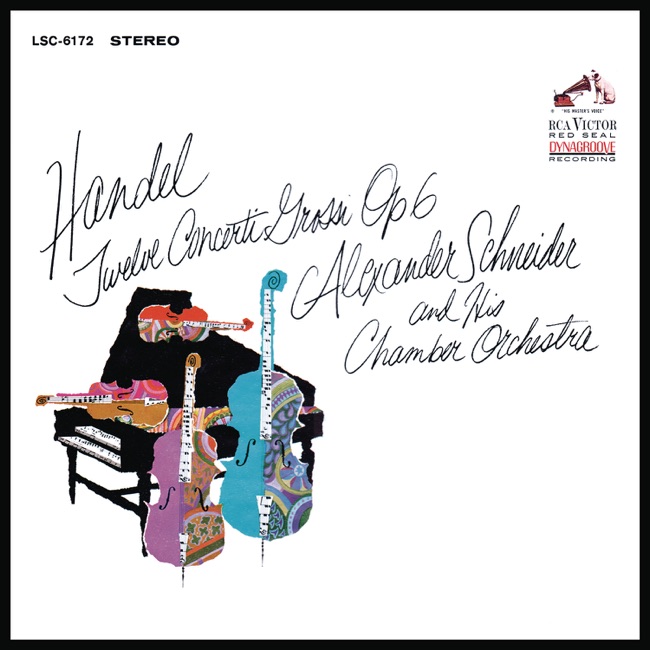 November 18, 2016
Choral
-
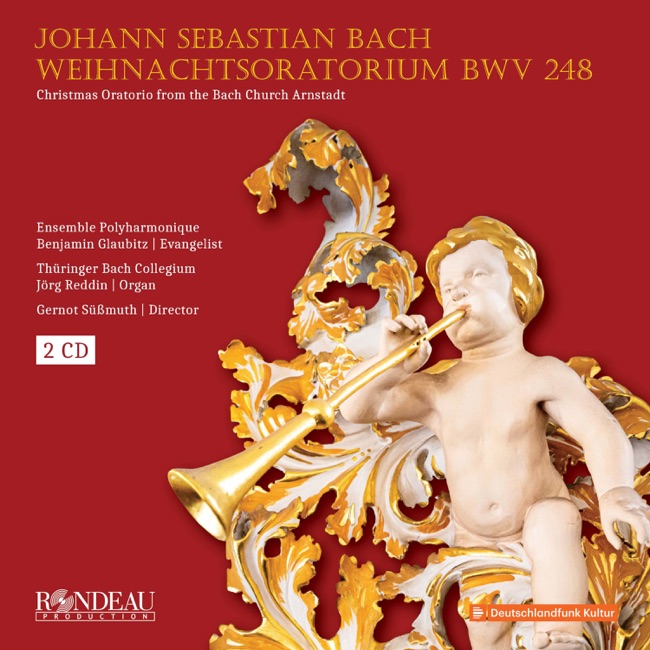
-
 October 2, 2020
 -
 April 7, 2017
 -
 September 1, 2016
 -
-
 June 1, 2011
Vocal
-
 October 8, 2002
 -
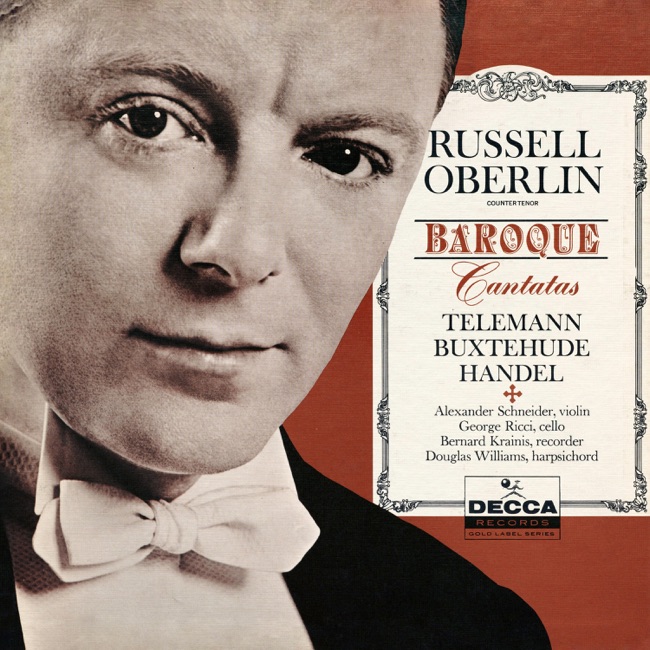 January 1, 1961
Artist Info
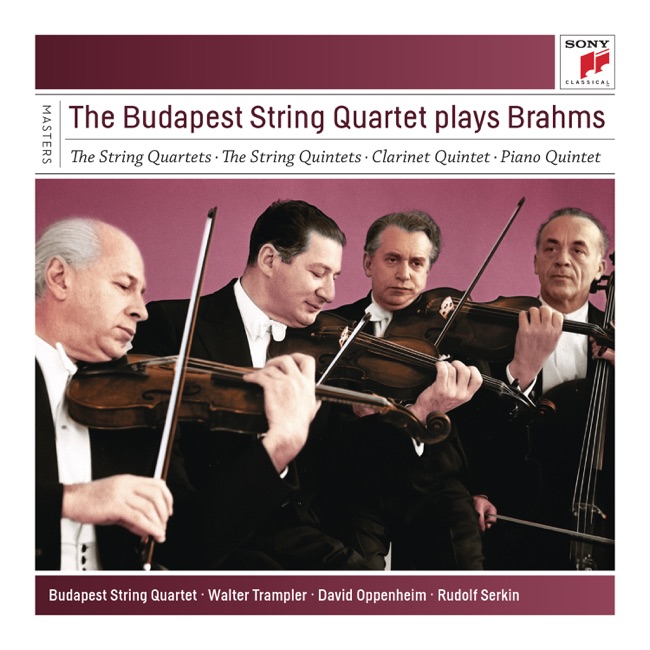
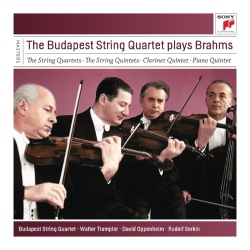
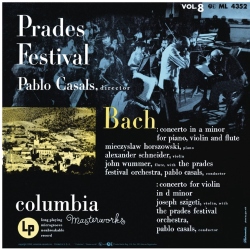
Role:ConductorBirth:October 21, 1908 in Vilnius, LithuaniaDeath:February 2, 1993 in New York City, NYPeriod:ClassicalRomanticGenre:ChamberConcertoAlexander Schneider was a renowned classical music artist who made significant contributions to the world of music as a violinist, conductor, and chamber musician. He was born on October 21, 1908, in Vilna, Lithuania, which was then a part of the Russian Empire. Schneider's family was Jewish, and he grew up in a musical household where his father played the violin and his mother sang in the synagogue choir. Schneider began playing the violin at the age of eight and showed remarkable talent from an early age. He received his first formal training at the Warsaw Conservatory, where he studied with Mieczyslaw Michalowicz. In 1924, Schneider moved to Berlin to study with the renowned violinist and pedagogue Carl Flesch. He also studied composition with Paul Hindemith and conducting with Fritz Busch. In 1928, Schneider made his debut as a soloist with the Berlin Philharmonic Orchestra, performing the Beethoven Violin Concerto. He quickly established himself as one of the leading violinists of his generation, known for his impeccable technique, musical sensitivity, and deep understanding of the repertoire. In the 1930s, Schneider became a member of the Budapest String Quartet, which was one of the most celebrated chamber ensembles of the time. The quartet consisted of Schneider and three Hungarian musicians: Josef Roisman (violin), Boris Kroyt (viola), and Mischa Schneider (cello). The quartet's performances were characterized by their precision, clarity, and emotional intensity, and they quickly gained a reputation as one of the finest string quartets in the world. During World War II, Schneider emigrated to the United States, where he continued to perform and teach. He became a naturalized citizen in 1944. In 1951, he founded the Schneider Quartet, which was made up of four of his former students: Isidore Cohen (violin), Karen Tuttle (viola), Madeline Foley (cello), and himself. The quartet was known for its warm, expressive sound and its innovative programming, which often included contemporary works alongside the classics. In addition to his work as a chamber musician, Schneider was also a respected conductor. He served as the music director of the Brandenburg Ensemble, which he founded in 1970. The ensemble was dedicated to performing the music of J.S. Bach and other Baroque composers on period instruments, and it quickly gained a following for its historically informed performances. Schneider's career was marked by numerous highlights and accolades. He performed with many of the world's leading orchestras, including the New York Philharmonic, the Boston Symphony Orchestra, and the London Symphony Orchestra. He also collaborated with many of the greatest musicians of his time, including Pablo Casals, Rudolf Serkin, and Isaac Stern. In 1964, Schneider was awarded the National Medal of Arts by President Lyndon B. Johnson, in recognition of his contributions to American culture. He was also awarded the Kennedy Center Honors in 1988, and the Avery Fisher Prize in 1990. Schneider continued to perform and teach well into his later years, and he remained an influential figure in the world of classical music until his death in 1993. His legacy lives on through his recordings, which continue to be admired for their technical brilliance and musical sensitivity, and through the many musicians he taught and inspired over the course of his long and illustrious career.More....
Recent Artist Music
3
8:19
5
10:8

10
5:1
11
8:8
12
8:46
13
Musical Exequien (Funeral Music), SWV 279-281 (Op. 7)
I. Concert in Form einer teutschen Begräbnis-Messe, SWV 279
22:40
14
9:57
15
10:5
Related Artists
Copyright Ⓒ 2013 Davinci Finger. All rights reseved
Service Terms & Policy