


Heinrich Schütz
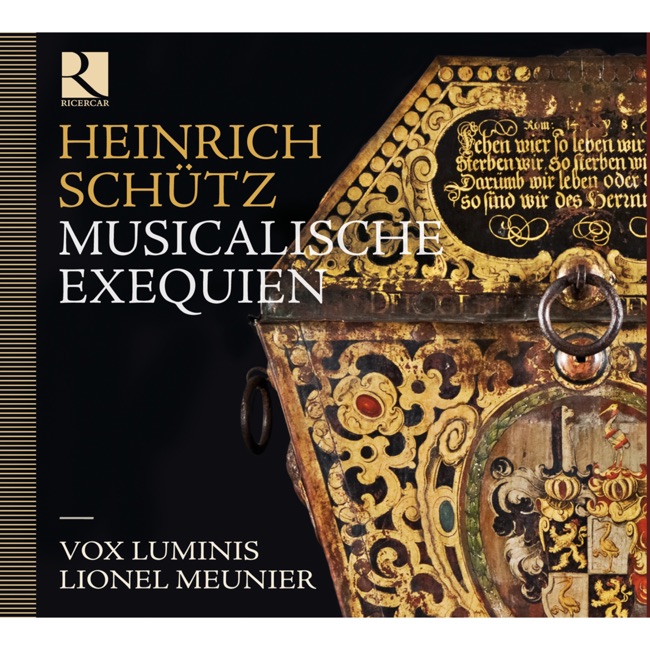
Musikalische Exequien (Funeral Music), SWV 279-281 (Op. 7)
Released Album
Recent Album
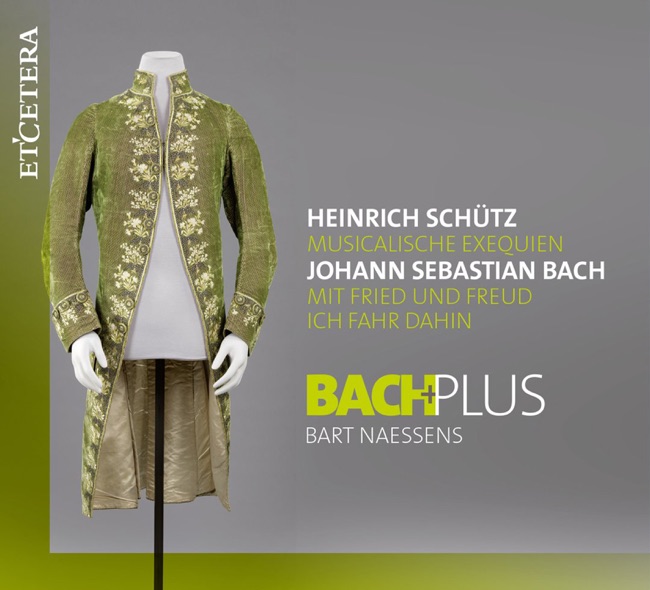
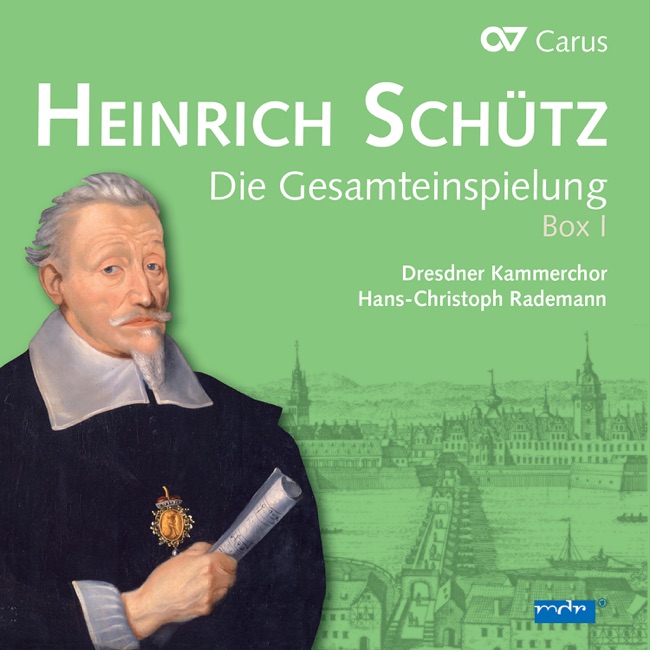

Featured Album
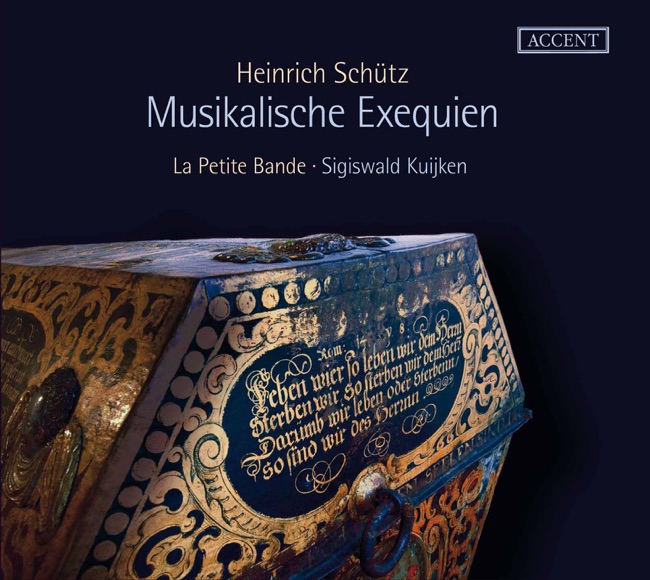
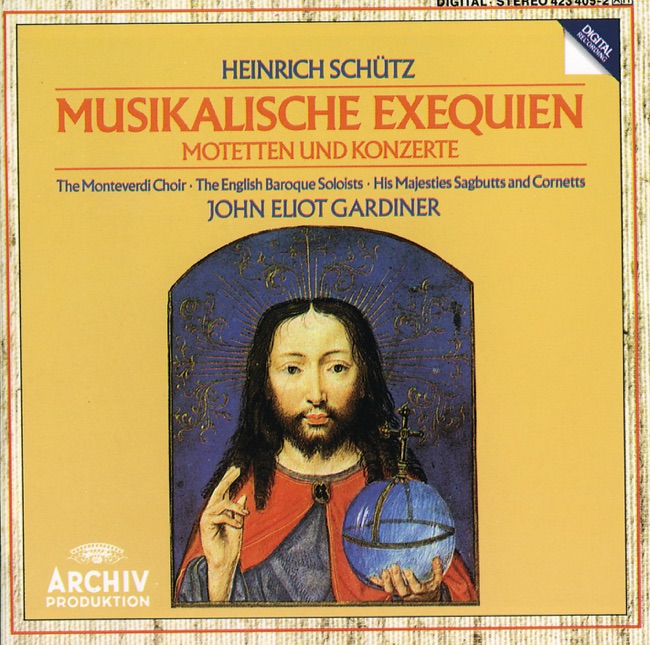
Works Info
Composer:Heinrich SchützGenre:ChoralStyle:RequiemPublication Date:1636Average_duration:32:49Movement_count:3Movement ....Heinrich Schütz's 'Musikalische Exequien' (Funeral Music), SWV 279-281 (Op. 7) is a sacred composition that was composed in 1636. It was written for the funeral of Heinrich Posthumus Reuß, a German nobleman who was a patron of Schütz. The piece is divided into three movements, each with its own distinct characteristics. The first movement, 'Concert in Form einer teutschen Begräbnis-Missa' (Concert in the form of a German funeral mass), is a setting of the traditional Latin mass for the dead. Schütz's setting is notable for its use of chromaticism and dissonance, which create a sense of tension and unease. The movement is scored for six voices (two sopranos, alto, tenor, and two basses) and is accompanied by a basso continuo. The second movement, 'Motette: 'Herr, wenn ich nur dich habe'' (Motet: 'Lord, when I have only you'), is a setting of Psalm 73:25-26. It is a solo motet for bass voice and is accompanied by a basso continuo. The movement is characterized by its simplicity and directness, with the bass voice singing a melody that is both plaintive and hopeful. The third movement, 'Canticum B. Simeonis: 'Herr, nun lässest du deinen Diener in Friede fahren'' (Canticle of Simeon: 'Lord, now let your servant depart in peace'), is a setting of the Nunc dimittis, a canticle from the Gospel of Luke. The movement is scored for four voices (soprano, alto, tenor, and bass) and is accompanied by a basso continuo. It is characterized by its use of polyphony, with the four voices weaving in and out of each other to create a rich and complex texture. Overall, Schütz's 'Musikalische Exequien' is a powerful and moving work that reflects the composer's deep faith and his mastery of the musical language of his time. Its use of chromaticism, dissonance, and polyphony make it a landmark work in the history of Western music, and it continues to be performed and admired to this day.More....
Works Music
Released Music
1
Musical Exequien (Funeral Music), SWV 279-281 (Op. 7)
No. 1, Concert in Form einer teutschen Begräbnis-Messe
26:2
2
Musical Exequien (Funeral Music), SWV 279-281 (Op. 7)
I. Concert, SWV 279, Pt. 1. 'Nacket bin ich von Mutterleibe kommen'
3:46
3
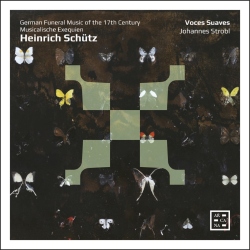
Musical Exequien (Funeral Music), SWV 279-281 (Op. 7)
I. Concert In Form Einer Teutschen Begräbnis-Missa
24:3
4
5:10
6
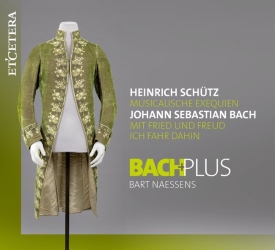
Musical Exequien (Funeral Music), SWV 279-281 (Op. 7)
1. Concert in Form einer deutschen Begräbnis-Messa
24:17
7
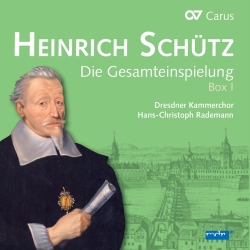
Musical Exequien (Funeral Music), SWV 279-281 (Op. 7)
I. Concert in Form einer teutschen Begräbnis-Messe, SWV 279
22:40
10
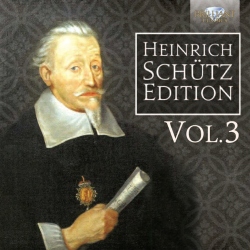
Musical Exequien (Funeral Music), SWV 279-281 (Op. 7)
I. Concert in Form einer deutschen Begräbnis-Missa. Nacket bin ich vom Mutterleibe kommen
4:7
Featured Music
1
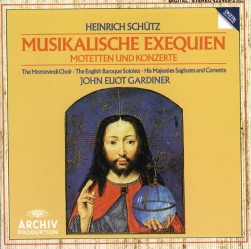
Musical Exequien (Funeral Music), SWV 279-281 (Op. 7)
I. Concert in Form Einer Teutschen Begräbnis-Missa
22:51
2
Musical Exequien (Funeral Music), SWV 279-281 (Op. 7)
II. Motette "Herr, Wenn Ich Nur Dich Habe"
3:5
4
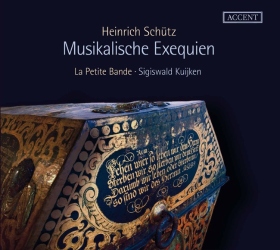
Musical Exequien (Funeral Music), SWV 279-281 (Op. 7)
Teil 1: Concert in Form einer teutschen Begräbnis-Missa
21:57
5
Musical Exequien (Funeral Music), SWV 279-281 (Op. 7)
Teil 2: Motette: Herr, wenn ich nur Dich habe
2:59
6
Musical Exequien (Funeral Music), SWV 279-281 (Op. 7)
Teil 2: Canticum Simeonis: Herr nun lässest Du Deinen Diener in Frieden fahren
3:48
7
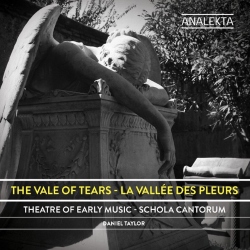
Musical Exequien (Funeral Music), SWV 279-281 (Op. 7)
Mass / Messe: Concer in Form einer teutschen Begräbnis-Missa (Concerto in the form of a German Requiem Mass / Concerto dans la formed d'une messe de requiem allemande)
25:8
8
Musical Exequien (Funeral Music), SWV 279-281 (Op. 7)
Motet: Herr, wenn ich nur dich habe (Lord, if I have but Thee / Seigneur, si je n' ai que toi)
3:2
9
Musical Exequien (Funeral Music), SWV 279-281 (Op. 7)
Canticum / Canticle of / Cantique de B. Simeonis: Herr, nun lässest Du Deinen Diener (Lord, now lettest thou thy servant depart / Seigneur, maintenant laisse ton serviteur partir)
4:26


Main Perform Artists
Choir/Chorus
Bass (Vocal)
Soprano (Vocal)
Violin
Tenor Vocal