


Heinrich Schütz
Released Album
Choral
-
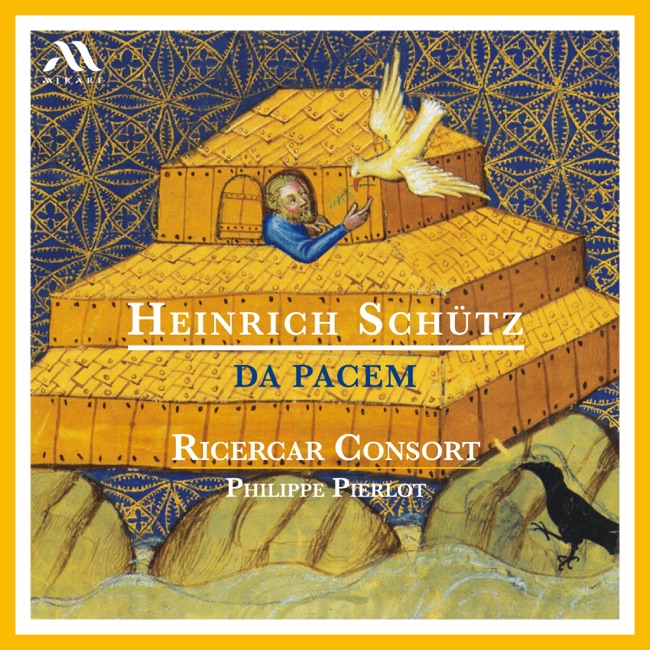 April 12, 2024
 -
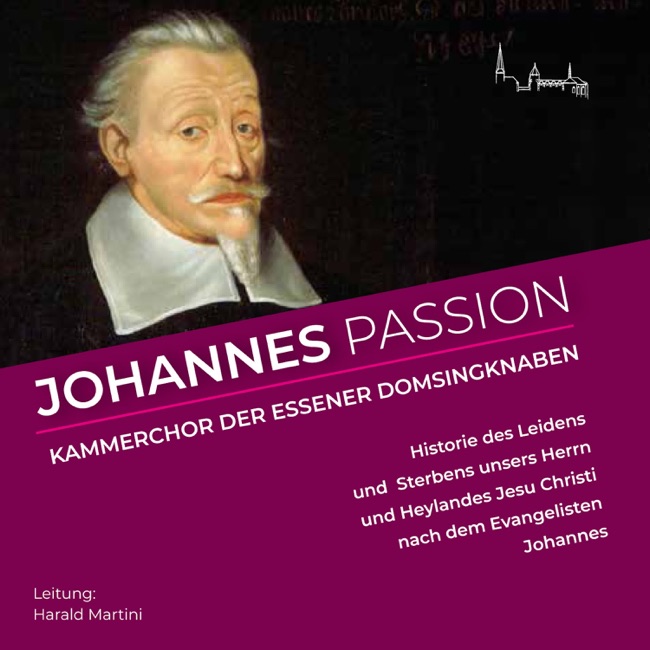 March 25, 2024
 -
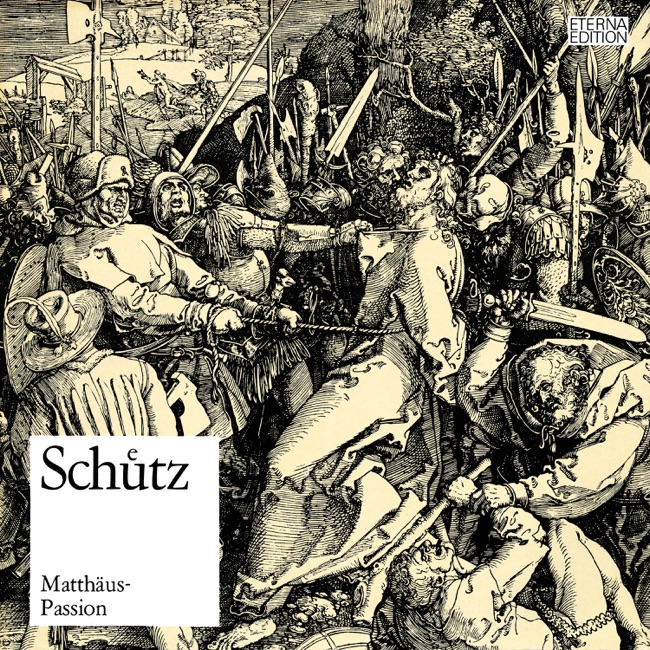 January 5, 2024
 -
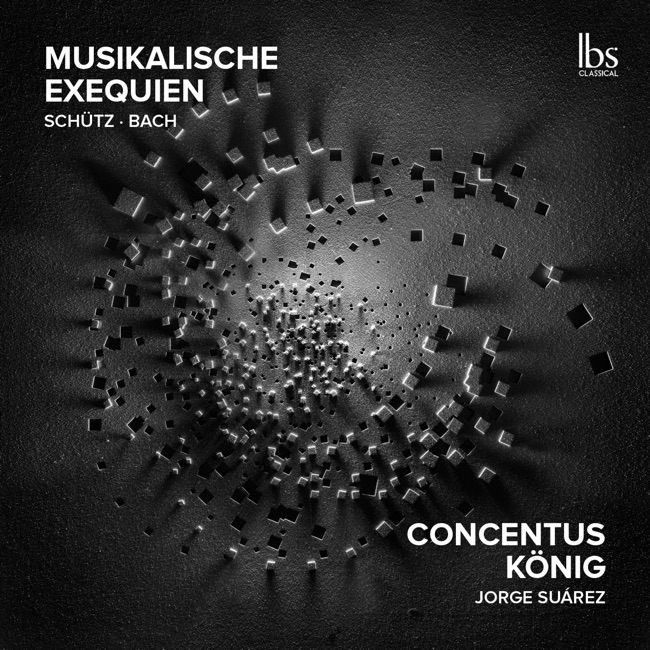 November 24, 2023
 -
 October 28, 2023
 -
 September 22, 2023
Vocal
-
 October 6, 2023
 -
 November 9, 2018
 -
 August 27, 2013
 -
 September 27, 2011
 -
 June 17, 2011
 -
 May 17, 2010
Opera
-
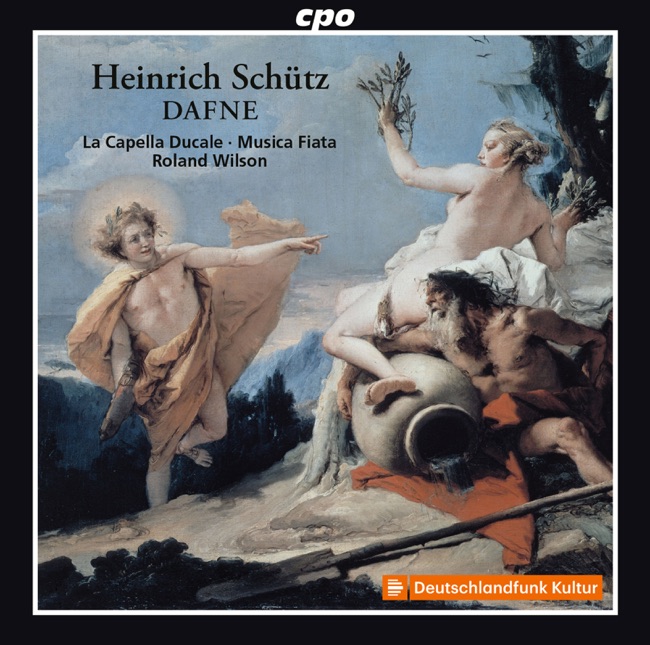 October 28, 2022
Artist Info
Role:ComposerCountry: GermanyBirth:October 8, 1585 in Köstritz, GermanyDeath:November 6, 1672 in Dresden, GermanyPeriod:BaroqueHeinrich Schütz was a German composer who is widely regarded as one of the most important figures in the development of early Baroque music. Born in Köstritz, Thuringia, on October 8, 1585, Schütz was the son of a town musician. He showed an early aptitude for music and began his formal training at the age of six, studying with his father and other local musicians. In 1599, Schütz was sent to the court of Landgrave Moritz von Hessen-Kassel in Kassel, where he continued his musical education under the tutelage of the court's Kapellmeister, Christoph Demantius. Schütz quickly distinguished himself as a talented musician, and in 1608, he was awarded a scholarship to study in Venice with the renowned composer Giovanni Gabrieli. During his time in Venice, Schütz was exposed to the latest developments in Italian music, including the emerging Baroque style. He also had the opportunity to study with other prominent composers, such as Claudio Monteverdi. Schütz's time in Venice had a profound influence on his musical style, and he would later incorporate many of the techniques and forms he learned there into his own compositions. After returning to Germany in 1613, Schütz was appointed Kapellmeister to the Elector of Saxony in Dresden. He held this position for the rest of his life, and it was during this time that he composed many of his most important works. Schütz's music was highly regarded by his contemporaries, and he was widely recognized as one of the leading composers of his time. Schütz's music is characterized by its expressive power and emotional depth. He was a master of the polyphonic style, and his works often feature complex harmonies and intricate counterpoint. Schütz was also a pioneer in the use of the basso continuo, a technique in which a bass line is played continuously throughout a piece, providing a harmonic foundation for the other instruments. One of Schütz's most famous works is his setting of the Passion according to St. John, which he composed in 1666. This work is notable for its dramatic intensity and its use of chromatic harmonies to convey the emotional turmoil of the story. Another important work is his Christmas Oratorio, which was composed in 1664. This piece is notable for its use of pastoral themes and its incorporation of popular folk melodies. Schütz's music was also influenced by his deep religious faith. He was a devout Lutheran, and many of his works were composed for use in church services. His sacred music is characterized by its simplicity and directness, and it often features hymn-like melodies and straightforward harmonies. Despite his many accomplishments, Schütz's life was not without its difficulties. He lived through a period of great political and religious upheaval, and his music was often caught up in the conflicts of the time. He also suffered personal tragedies, including the loss of his wife and several of his children. Despite these challenges, Schütz remained dedicated to his music and his faith. He continued to compose until the end of his life, and his works continue to be performed and admired today. Heinrich Schütz died in Dresden on November 6, 1672, leaving behind a legacy of music that has had a profound influence on the development of Western classical music.More....
Recent Artist Music
5
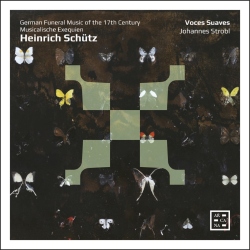
Musical Exequien (Funeral Music), SWV 279-281 (Op. 7)
I. Concert In Form Einer Teutschen Begräbnis-Missa
24:3
7
Bring to the Lord, SWV 283 (Op. 8/2)
Bringt her dem Herren, kleines geistliches Konzert SWV 283
3:53
10
O Lord, do not punish me (Psalm 6), SWV 24 (Op. 2/3)
Ach, Herr, straf mich nicht in deinem Zorn (Ps. 6) à 8 Psalmen Davids 1619, Nr. 3, SWV 24
4:34
11
3:28
12
O sweet, o kind, o kind Lord Jesus Christ, SWV 285 (Op. 8/4)
O s체횩er, o freundlicher, SWV 285
4:22
14
Psalms of David along with several motets and concertos, SWV 22-47 (Op. 2)
No. 24, Psalm CXXXVI. 'Danket dem Herren, denn er ist freundlich\
9:19
Works Highlight
Recommend Playlist









Related Artists
Copyright Ⓒ 2013 Davinci Finger. All rights reseved
Service Terms & Policy